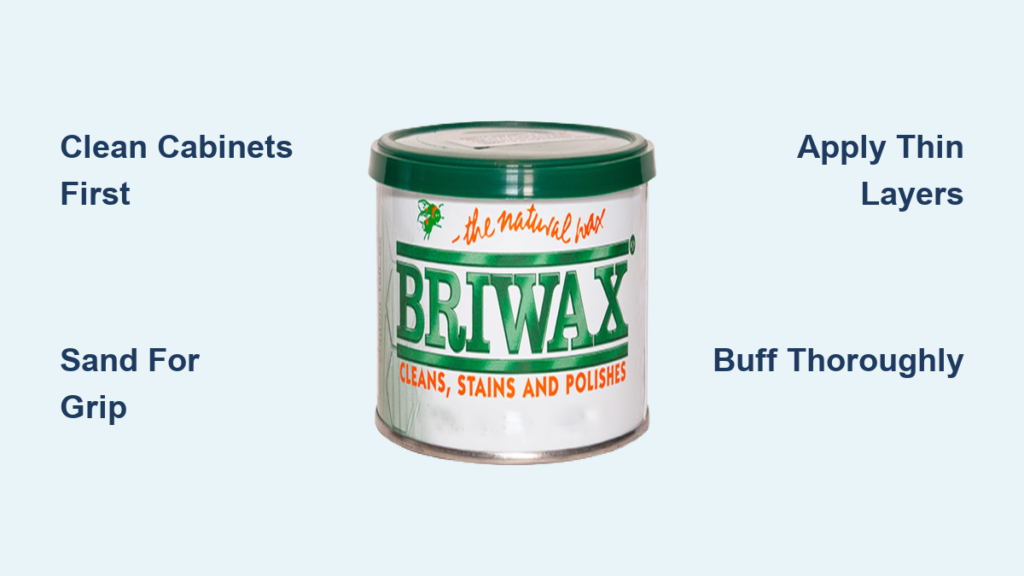
If your kitchen cabinets have lost their luster or you’re looking to refresh your space without a full remodel, Briwax offers an excellent solution. This traditional wood finishing product combines beeswax and natural oils to protect and enhance wooden surfaces, making it particularly well-suited for kitchen cabinets that endure daily wear and occasional moisture exposure. Unlike modern synthetic finishes that create a plastic-like barrier, Briwax penetrates the wood grain while providing a subtle, warm sheen that highlights the natural beauty of your cabinetry. Many homeowners turn to Briwax specifically because it allows them to maintain the character of their kitchen while adding protection against everyday use. In this guide, you’ll learn the proper techniques for applying Briwax to kitchen cabinets, from preparation through to maintenance, ensuring professional-looking results that will extend the life of your cabinetry.
Preparing Your Kitchen Cabinets for Briwax Application

Before applying Briwax, proper surface preparation is critical to ensure optimal adhesion and a smooth finish. Start by thoroughly cleaning your cabinets with a gentle wood cleaner to remove grease, food splatters, and built-up grime—common issues in kitchen environments that can prevent proper wax penetration. Pay special attention to areas around handles and frequently touched surfaces where oils from hands accumulate. After cleaning, allow cabinets to dry completely, typically requiring 24 hours in normal conditions. If your cabinets have a glossy finish, lightly sand them with 220-grit sandpaper to create “tooth” for the wax to grip, being careful not to sand through any existing finish. Wipe away all sanding dust with a tack cloth, as even small particles can create imperfections in your final finish. For cabinets with existing wax buildup, consider using a wood cleaner specifically designed to remove old wax before proceeding.
How to Remove Previous Finishes Without Damaging Cabinet Wood
When cabinets have multiple layers of previous finishes, careful removal is necessary before applying fresh Briwax. For stubborn finishes, use a chemical stripper appropriate for your cabinet’s wood type, applying it according to manufacturer instructions and scraping away the softened finish with a plastic scraper to avoid gouging the wood. If dealing with water-based finishes, a mixture of equal parts white vinegar and water can effectively break down residues without harsh chemicals. Always work in the direction of the wood grain to prevent scratches that will show through your new finish. After removing previous finishes, allow cabinets to dry for at least 48 hours before proceeding with Briwax application, as trapped moisture can cause cloudiness in your final finish.
Selecting the Right Briwax Product for Kitchen Cabinets
Not all Briwax products are created equal when it comes to kitchen cabinet applications. The original Briwax formula comes in multiple shades, including clear, antique pine, and mahogany, allowing you to either maintain your cabinets’ natural color or enhance their warmth. For kitchen environments where moisture resistance is important, consider that Briwax provides moderate protection but isn’t waterproof—this makes it ideal for upper cabinets but requires more frequent maintenance on lower cabinets near sinks. The beeswax content creates a breathable barrier that protects against minor spills while allowing wood to breathe, preventing trapped moisture that can cause warping in kitchen environments with fluctuating humidity.
Clear vs. Tinted Briwax: Which Works Best for Kitchen Cabinets
Clear Briwax preserves your cabinets’ natural wood color while adding depth and protection, making it ideal for light-colored woods like maple or birch that dominate many modern kitchens. Tinted varieties like Briwax Antique Pine subtly enrich the wood tone, perfect for cabinets that have faded over time or for creating a more traditional kitchen aesthetic. Darker shades such as Briwax Mahogany work exceptionally well on cherry or walnut cabinets, enhancing their natural reddish tones while covering minor scratches. In kitchen environments where cabinets receive significant sunlight exposure, tinted Briwax can help mask uneven fading patterns that commonly develop on cabinet fronts.
Step-by-Step Briwax Application Process
Proper Technique for Applying Briwax to Cabinet Surfaces
Begin by stirring (not shaking) your Briwax container to evenly distribute ingredients without creating air bubbles. Using a clean, lint-free cloth or specialized wax applicator pad, apply a thin, even layer of Briwax in the direction of the wood grain, working on one cabinet door or drawer front at a time. Focus on maintaining a consistent, translucent film—Briwax works best when applied thinly rather than heavily. For detailed cabinet edges and moldings, use a smaller applicator or an old toothbrush to work the wax into crevices. Allow the wax to haze over for approximately 20-30 minutes; this waiting period is crucial as it allows solvents to evaporate and the wax to partially set before buffing. The ideal timing varies with kitchen humidity levels, so check a small inconspicuous area first to determine optimal buffing time.
How to Achieve a Smooth, Professional Finish on Kitchen Cabinets
After the initial hazed appearance develops, use a clean, soft cotton cloth to buff the surface using firm, circular motions until you achieve your desired sheen. For kitchen cabinets that endure frequent use, apply two thin coats rather than one thick coat, allowing 24 hours between applications for complete curing. Pay special attention to cabinet edges and corners where wax tends to accumulate—excess wax in these areas can attract dust and become sticky over time. When working with cabinet interiors, apply a single thin coat as these surfaces receive less wear and don’t require the same level of protection as exterior surfaces. For high-traffic kitchen areas like island cabinets, consider applying a third coat for added durability against frequent contact.
Troubleshooting Common Briwax Application Issues

Fixing Sticky or Tacky Cabinet Surfaces After Briwax Application
If your cabinets feel sticky after application, this typically indicates excess wax was applied or insufficient curing time before buffing. To correct this, apply a small amount of mineral spirits to a clean cloth and gently rub the affected area to dissolve the excess wax, then allow to dry completely before reapplying a thinner layer. In humid kitchen environments, sticky surfaces often occur when cabinets are buffed too soon—always wait until the wax has hazed over completely, which may take longer in moisture-rich kitchen air. For persistent stickiness, a light sanding with 400-grit sandpaper followed by a fresh, thin wax application usually resolves the issue without damaging your cabinet finish.
Removing Wax Buildup in Cabinet Corners and Details
Over time, wax tends to accumulate in cabinet details and corners, creating unsightly buildup that attracts dust and grease. To address this, use a soft-bristled toothbrush dipped in mineral spirits to gently dislodge excess wax from detailed areas, being careful not to damage the underlying wood. For severe buildup on intricate cabinet moldings, a dental pick can carefully remove hardened wax without scratching the wood surface. After cleaning, reapply a minimal amount of Briwax to these areas to maintain consistent protection. Regular maintenance every 6-12 months prevents excessive buildup while keeping your kitchen cabinets properly protected.
Maintaining Briwax-Finished Kitchen Cabinets
Creating a Simple Maintenance Schedule for Long-Lasting Results
Kitchen cabinets treated with Briwax require periodic maintenance to maintain their protective qualities and appearance. Establish a routine where you clean cabinets with a damp cloth and mild wood cleaner every two weeks to remove kitchen grime without stripping the wax. Perform a light wax refresh on high-touch areas (like cabinet fronts and handles) every 3-4 months, focusing on spots that show signs of wear. Conduct a full re-waxing of all cabinet surfaces annually, or biannually in kitchens with heavy use or high humidity. Always address spills immediately rather than waiting for scheduled maintenance, as prolonged exposure to acidic kitchen substances can damage both the wax and underlying wood.
How to Spot and Repair Damaged Wax Areas on Kitchen Cabinets
Daily kitchen activities inevitably create wear spots on cabinet surfaces. To repair minor scratches, apply a small amount of matching Briwax directly to the affected area with a cotton swab, allow to haze, then buff lightly. For water rings or white spots caused by hot dishes, gently rub the area with a cloth dampened with mineral spirits before reapplying wax. When dealing with larger damaged areas, completely remove the old wax from the spot using mineral spirits, allow to dry for 24 hours, then reapply fresh Briwax following standard application techniques. In high-moisture areas like near dishwashers, consider using a slightly darker wax shade for repairs to help camouflage the patched area against potential fading from appliance heat.
When Not to Use Briwax on Kitchen Cabinets
While Briwax works beautifully for many cabinet types, it’s not suitable for all kitchen cabinet situations. Avoid using Briwax on cabinets with existing polyurethane or varnish finishes, as the wax won’t properly penetrate these sealed surfaces and will create an uneven, blotchy appearance. Laminate or thermofoil cabinets also won’t accept Briwax effectively, as these non-porous materials prevent proper adhesion. In kitchens with extremely high humidity or near steam-producing appliances, Briwax may require such frequent maintenance that alternative finishes become more practical. For cabinets with significant existing damage or previous failed refinishing attempts, consult a professional before proceeding with Briwax application.
Final Note: Properly applied Briwax creates a beautiful, protective finish for wooden kitchen cabinets that enhances their natural beauty while providing practical protection against daily kitchen use. By following these detailed application techniques and maintenance practices, your cabinets will maintain their rich appearance for years. Remember that the key to successful Briwax application is patience—rushing the drying or buffing stages leads to subpar results. For best outcomes, work methodically through each step, allowing proper drying time between applications, and enjoy the satisfaction of beautifully refreshed kitchen cabinets that showcase the timeless appeal of traditional wood finishing techniques.