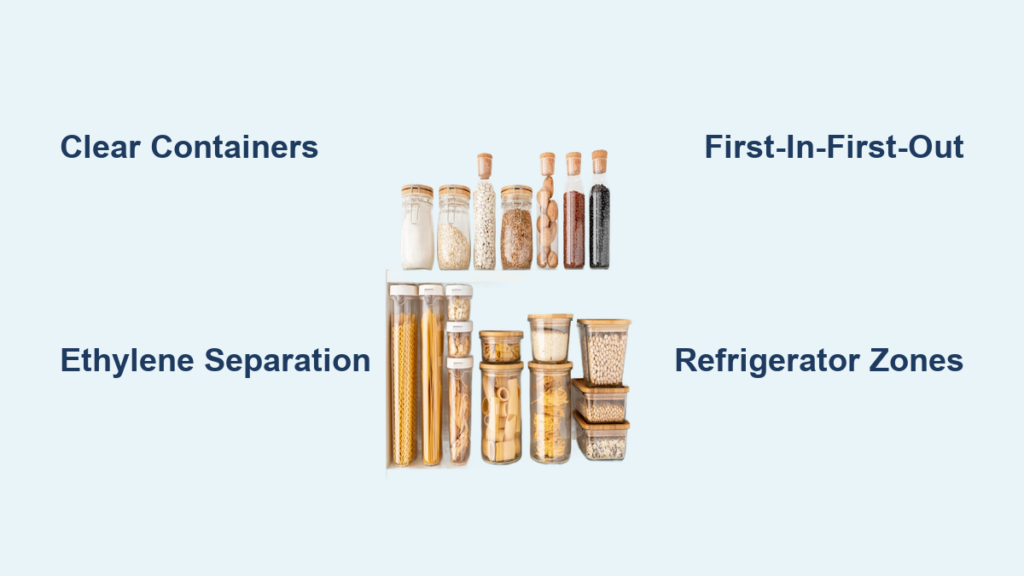
Ever open your pantry only to find expired spices, stale crackers, and forgotten canned goods? Proper food storage in your kitchen transforms your cooking experience, reduces waste, and saves you money each month. When you know exactly how to store food in kitchen environments, ingredients stay fresher longer, meal prep becomes smoother, and grocery shopping feels purposeful rather than repetitive. This guide reveals specific storage techniques that work with your actual cooking habits—not theoretical ideals—so you’ll finally stop throwing away half-used ingredients and wondering why your produce spoils before you can use it.
The frustration of wasted food affects every kitchen, regardless of size or budget. But the solution isn’t just buying less—it’s storing what you have correctly. Whether you manage a spacious walk-in pantry or a compact apartment kitchen, these practical strategies address the real challenges of daily cooking. You’ll learn exactly where to place each food category based on its specific needs, how to prevent common spoilage issues, and simple systems that maintain themselves with minimal effort. Most importantly, you’ll discover how proper food storage creates a kitchen where “what’s for dinner?” answers itself because everything is visible, accessible, and at peak freshness.
Transform Your Pantry with Dedicated Storage Zones
Creating specific homes for food categories eliminates the daily pantry hunt and prevents duplicate purchases. Instead of scattering similar items across multiple shelves, group everything by usage pattern: baking supplies together, breakfast foods in one zone, snacks in another. This organization method works because when you’re searching for flour mid-recipe, you know exactly where to look without rummaging through unrelated items.
Implement First-In-First-Out Rotation Immediately
Place new groceries behind existing stock rather than in front of it—this simple habit prevents forgotten items from expiring in the back of your pantry. When you consistently follow this principle, older items get used first, reducing waste significantly. For best results, conduct a quick inventory check every time you restock to identify items approaching expiration that should be prioritized in upcoming meals.
Why Clear Containers Are Essential for Dry Goods Storage
Transferring dry goods from original packaging to clear containers provides instant visibility into inventory levels. No more guessing whether you have enough rice for dinner or opening multiple boxes to check flour levels. Mason jars in quart, half-gallon, and gallon sizes accommodate most pantry staples while stacking efficiently on shelves. The visual cue of nearly empty containers serves as a natural shopping reminder, eliminating mid-recipe discoveries that you’re out of critical ingredients.
Optimize Container Placement for Maximum Accessibility
Lay tall containers on their sides rather than standing them upright—this configuration increases shelf capacity by 50% while maintaining full visibility of contents. For example, a shelf that holds six upright gallon containers can accommodate nine when laid horizontally. This positioning works especially well for frequently used items like flour, sugar, and rice, ensuring nothing gets lost in the back of deep cabinets where it’s likely to be forgotten and wasted.
Master Ethylene Gas Management to Extend Produce Life
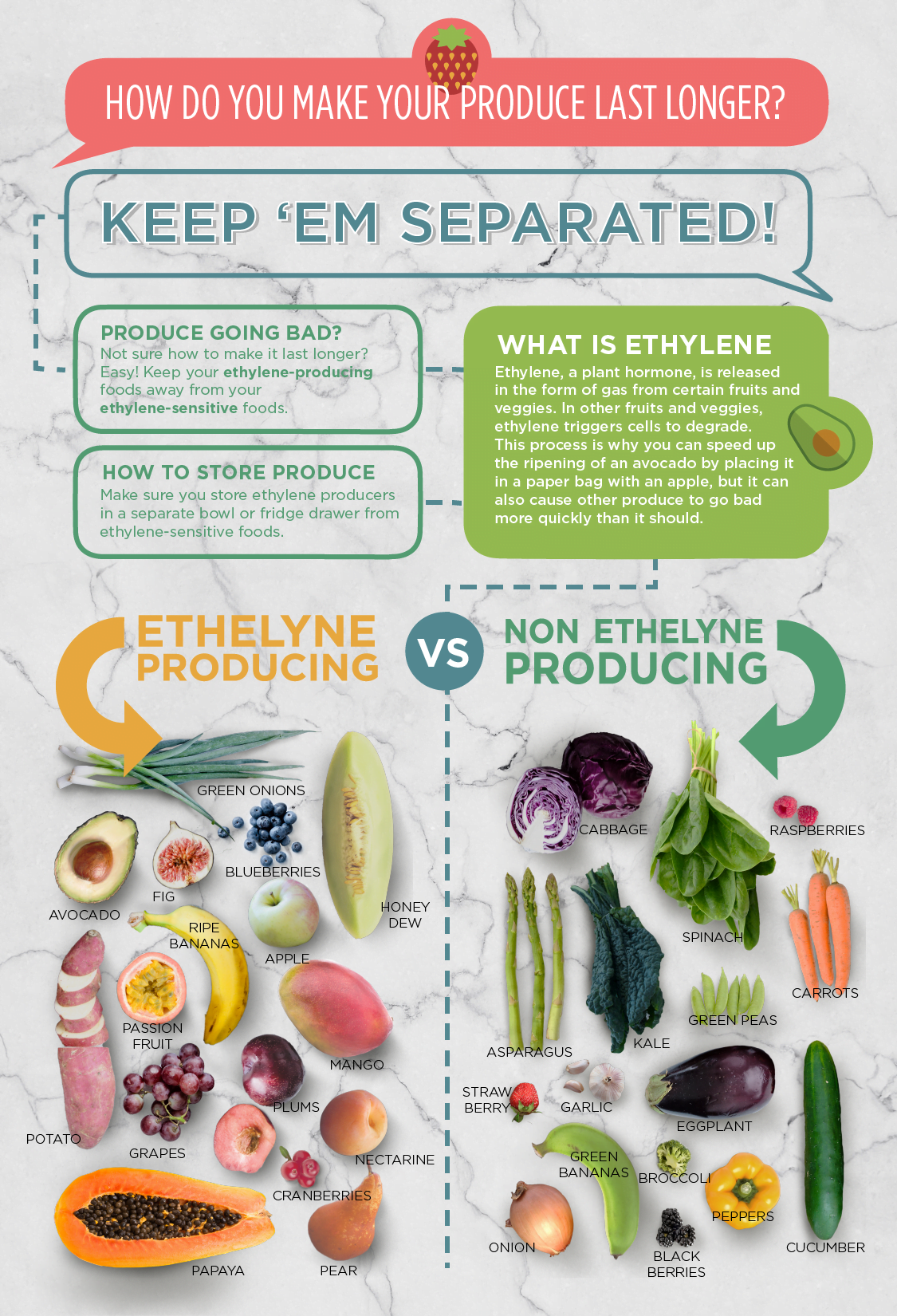
Understanding ethylene gas interactions prevents premature spoilage in your fresh produce. High-ethylene producers like bananas, avocados, and apples accelerate ripening in ethylene-sensitive items such as leafy greens, broccoli, and berries. Simply storing these categories separately in your refrigerator can double the shelf life of your most perishable vegetables.
Strategic Produce Pairings That Work
- Store potatoes with apples to prevent sprouting (the ethylene from apples inhibits potato growth)
- Keep bananas away from berries (banana ethylene causes berries to mold faster)
- Separate tomatoes from refrigerated storage (cold temperatures damage flavor and texture)
Refrigerator Organization That Maximizes Freshness
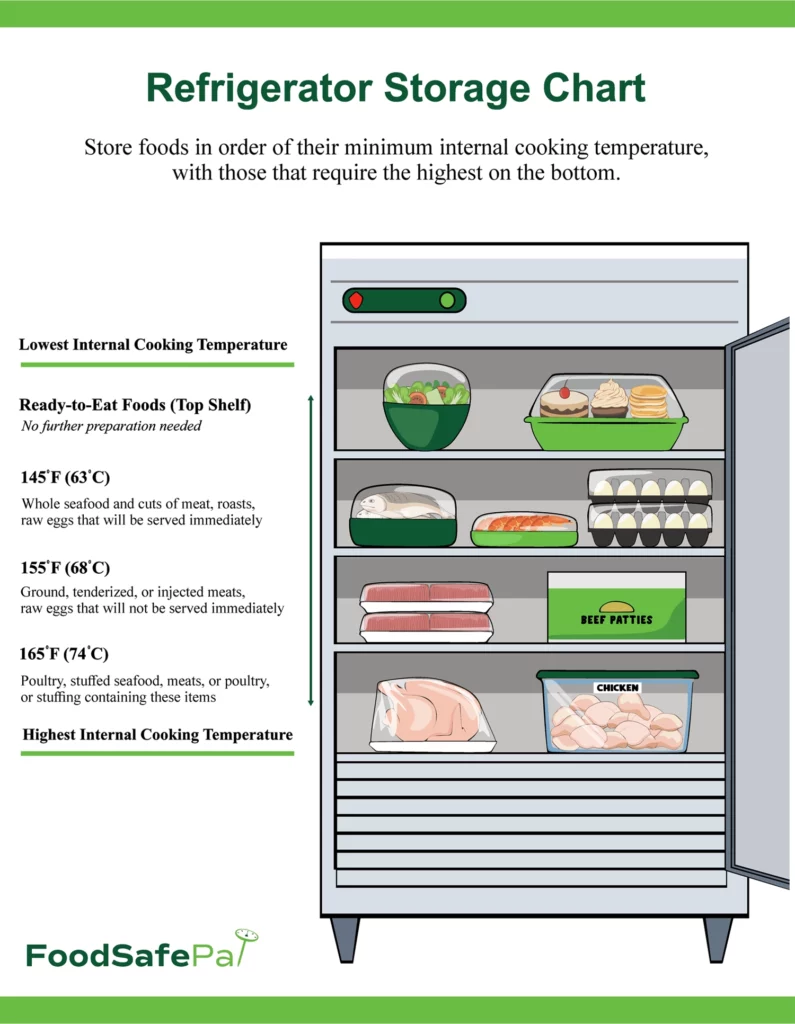
The salad drawer isn’t just for greens—line it with paper towels to absorb excess moisture from all vegetables. This simple addition prevents condensation that causes leafy greens to become soggy and promotes bacterial growth. Either place sheets directly in vegetable bags or line the entire drawer for consistent moisture control across multiple produce types.
Temperature Zone Optimization
- Door shelves: Best for condiments and beverages that tolerate temperature fluctuations
- Upper shelves: Ideal for ready-to-eat foods like leftovers and dairy products
- Lower shelves: Coldest area, perfect for raw meat and fish stored in sealed containers
- Crisper drawers: High humidity for vegetables, low humidity for fruits
Specialized Storage Techniques for Problematic Produce
Certain vegetables respond remarkably well to specific storage methods that extend freshness far beyond standard refrigeration. These targeted approaches address the unique needs of each produce type, preventing common spoilage issues that lead to wasted food and money.
Extend Berry Shelf Life with Vinegar Wash
Wash berries in a solution of one part distilled vinegar to eight parts water before storage. This kills mold spores that cause rapid deterioration while leaving no detectable vinegar taste. After washing, store berries in a single layer on a paper towel-lined container with the lid slightly ajar for proper airflow. This method extends berry freshness by up to two weeks compared to standard storage.
Preserve Asparagus Like Fresh Cut Flowers
Trim woody ends of asparagus spears and place them upright in a glass of water, covering the tips loosely with a plastic bag. This mimics floral bouquet storage, maintaining crisp texture and fresh flavor for up to two weeks—significantly longer than plastic-wrapped supermarket bundles. Store the glass in your refrigerator door for easy access during meal prep.
Two-Tier System for Bulk Dry Goods Storage
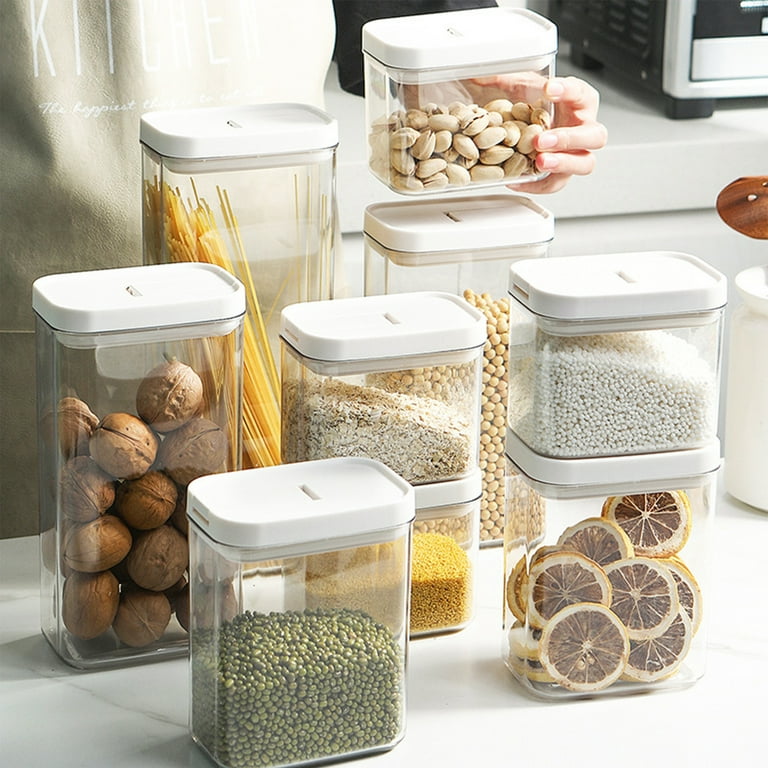
Purchasing in bulk saves money but creates organization challenges if not managed properly. Implement a two-tier storage approach: keep a small, clear container of frequently used items in your main pantry area and store bulk reserves elsewhere. This system keeps your cooking area uncluttered while ensuring you always have adequate supplies.
Practical Implementation Steps
- Assess consumption patterns for each dry good (how much do you use weekly?)
- Select appropriately sized containers (quart for spices, half-gallon for rice)
- Label containers with purchase dates for easy rotation tracking
- Store bulk reserves in cool, dark locations like basement shelves or under-bed storage
- Refill primary containers when they reach one-third capacity
Space-Saving Hacks for Small Kitchen Food Storage
Maximize every inch of available space with creative solutions that maintain accessibility without creating clutter. In compact kitchens, wasted vertical space represents a significant storage opportunity that can transform your food organization capabilities.
Utilize Often-Ignored Areas
- Refrigerator tops: Curate a selection of most-used oils, vinegars, and cooking staples
- Inside cabinet doors: Install narrow racks for spice storage or small jars
- Wall space near cooking areas: Mount magnetic strips for frequently used knives and tools
- Under-sink area: Use stackable bins for cleaning supplies to free up pantry space
Maintain Your Food Storage System Long-Term
The difference between temporary organization and lasting change comes down to sustainable habits. Systems that require constant effort inevitably fail, but these simple practices maintain organization with minimal ongoing attention.
Build Self-Maintaining Habits
- Return items immediately after use—don’t set them “somewhere for now”
- Conduct weekly visual checks of your most perishable items
- Leave labels visible for one month to establish new location habits
- Schedule monthly pantry audits to identify expiring items and adjust purchasing
Proper food storage isn’t about perfection—it’s about creating systems that work with your actual kitchen habits. When you implement these specific, actionable techniques, you’ll notice immediate improvements in food freshness, meal planning efficiency, and grocery spending. The real test comes after three weeks: if your system requires constant maintenance, adjust your approach until it sustains itself with minimal effort. A well-organized kitchen where you know exactly how to store food in kitchen spaces becomes a source of daily satisfaction rather than frustration, turning cooking from a chore into a joyful experience. Start with just one section of your pantry today, and within a month, you’ll have transformed your entire food storage approach.