Ever find yourself staring into an empty refrigerator at 6 PM, scrambling for healthy dinner options? You’re not alone—nearly 70% of Americans default to takeout when their kitchen lacks essentials. Knowing how to stock a healthy kitchen transforms this daily struggle into effortless meal prep. A well-organized kitchen with strategic staples enables you to create nutrient-dense meals in minutes, not hours. This guide reveals exactly what to keep in your pantry, refrigerator, and freezer to support your health goals without breaking the bank or overwhelming your schedule. You’ll discover how building these three zones creates a sustainable food ecosystem that works with your lifestyle, not against it.
Stock These 5 Essential Protein Sources for Quick Healthy Meals
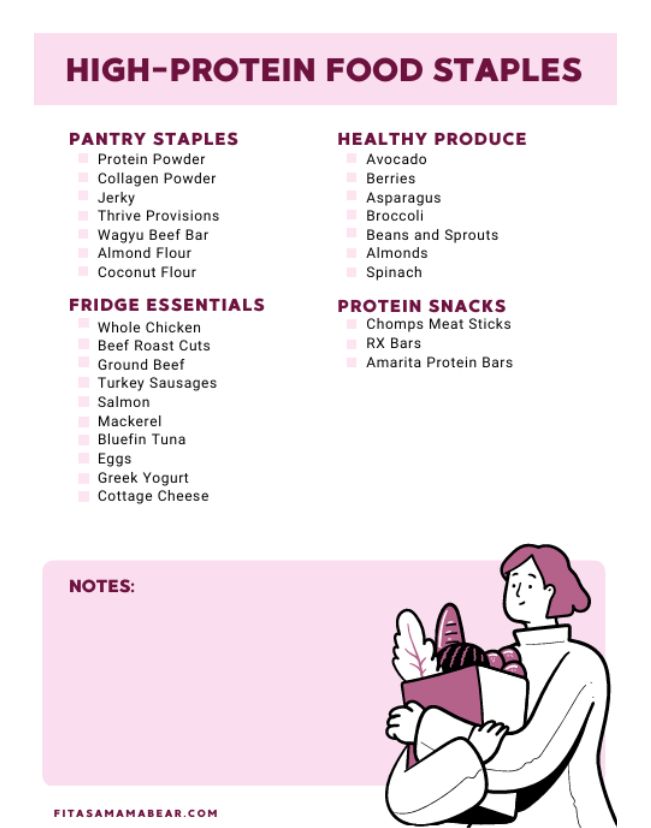
Protein powers your immune system, builds muscle, and keeps you full between meals. Don’t waste time scrambling for last-minute ingredients when these protein sources are always on hand.
Build Your Canned and Dried Legume Arsenal
Keep beans, chickpeas, and lentils in both canned and dried forms—they’re the foundation of plant-based meals that come together in minutes. Toss canned chickpeas into salads, mash black beans for burrito fillings, or puree white beans into creamy dips. Dried lentils cook quickly for soups and stews, while beans like kidney or pinto keep indefinitely in cool, dry places. Pro tip: Cook a big batch of dried beans on Sunday and freeze portions for instant meal starters during busy weeks.
Freeze These Two Protein Powerhouses
Maintain at least two frozen protein options ready to thaw: ground turkey for tacos and lean beef for stir-fries. These versatile proteins transform from freezer to table in under 30 minutes. When meal planning gets chaotic, knowing your freezer has backup protein eliminates takeout temptation. Look for vacuum-sealed portions that thaw evenly in under 20 minutes for maximum convenience.
How to Choose and Store 7 Nutrient-Dense Whole Grains
Whole grains provide sustained energy and essential nutrients missing from refined alternatives. The right grains in your pantry make healthy eating second nature.
Master Your Grain Rotation System
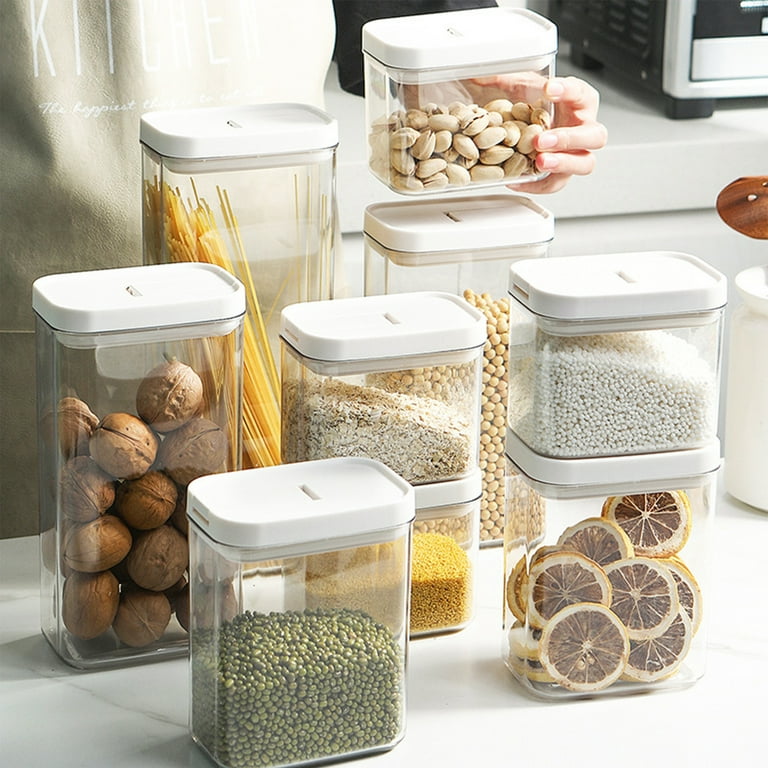
Keep brown rice, quinoa, oats, whole wheat pasta, farro, and wild rice stocked at all times. Cook large batches of brown or wild rice on weekends—they’ll stay fresh in the fridge for 5 days. Oats become breakfast heroes when paired with frozen berries and nut butter. When shopping, check labels for “100% whole grain” to ensure you’re getting the full nutritional benefits. Store grains in airtight containers away from light to maintain freshness for up to 6 months.
The Best Healthy Fats to Keep in Your Kitchen (And How to Use Them)
Healthy fats boost nutrient absorption and keep meals satisfying. Strategic fat storage prevents reaching for unhealthy alternatives when hunger strikes.
Stock These 4 Cooking Oils Strategically
Keep olive oil for dressings and low-heat cooking, plus avocado or canola oil for high-heat applications. Store oils in dark glass containers away from your stove to prevent rancidity. A simple vinaigrette of olive oil, lemon juice, and herbs transforms roasted vegetables from bland to brilliant in seconds—no added sugar required.
Maximize Nut and Seed Value
Buy raw almonds, walnuts, and pumpkin seeds in bulk, then freeze extras to prevent spoilage. A quarter-cup serving provides healthy fats that curb cravings. Keep natural peanut or almond butter (with just nuts and salt) for quick snacks on apple slices or in smoothies. Warning: Avoid roasted, salted varieties that contain unnecessary additives.
12 Long-Lasting Fresh and Frozen Produce Items for Your Healthy Kitchen
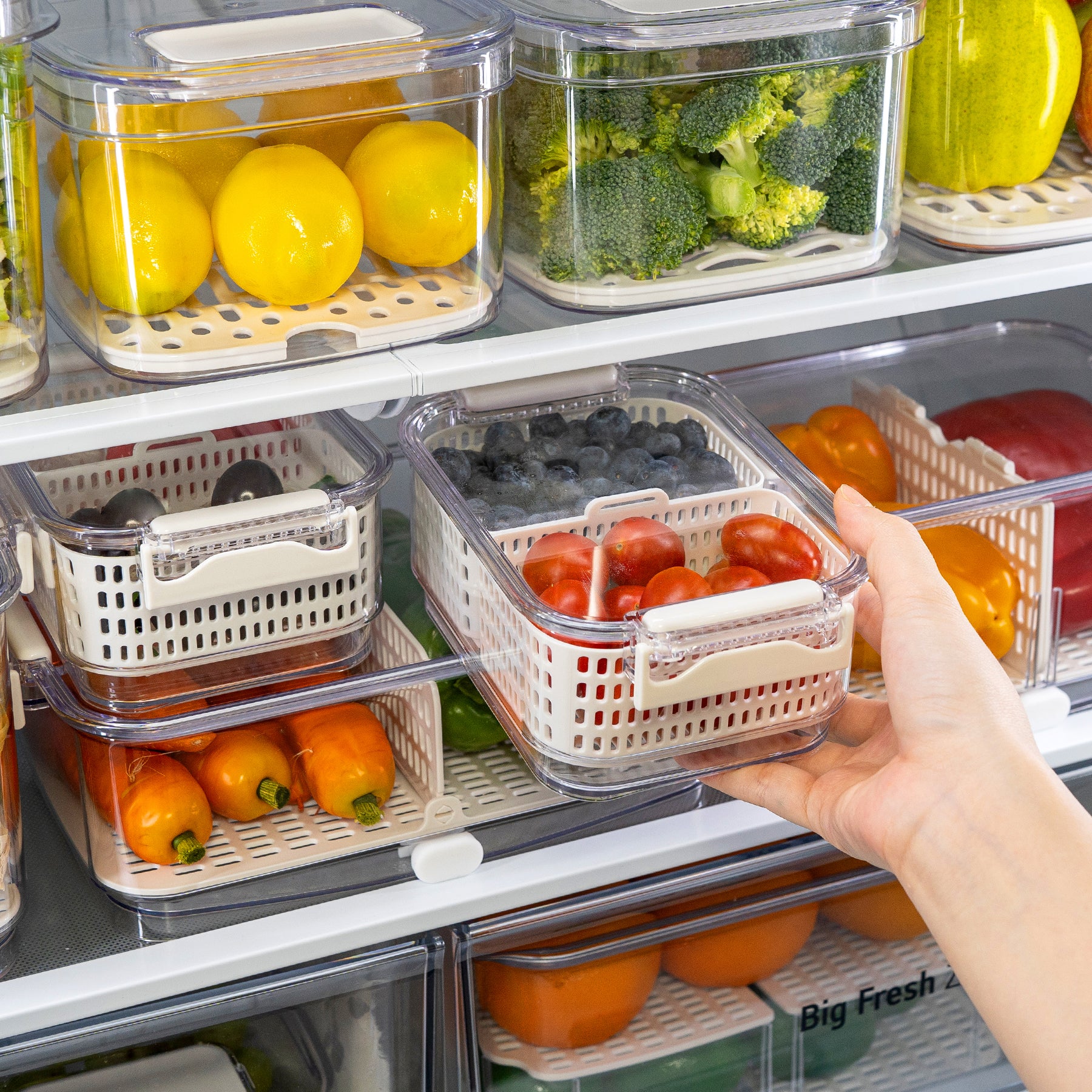
Fresh produce often spoils before use, but these strategic selections stay fresh longer while delivering maximum nutrition.
Build Your Frozen Vegetable Foundation
Keep broccoli, spinach, cauliflower, and mixed peppers frozen at all times—they retain nutrients better than “fresh” produce shipped long distances. Thaw frozen vegetables directly in soups or stir-fries for instant nutrition. When time’s tight, dump a bag of frozen veggies into canned tomatoes with spices for a quick pasta sauce.
Stock These 6 Fresh Produce Staples
Apples, oranges, carrots, onions, garlic, and sweet potatoes last weeks in proper storage. Store onions and potatoes in separate cool, dark places (never together—they spoil faster). Keep carrots in water in your fridge for crispness that lasts 3 weeks. When citrus starts to soften, juice it and freeze portions for smoothies or dressings.
Smart Canned Goods That Keep Your Healthy Kitchen Fully Stocked
The right canned items provide convenience without sacrificing nutrition—when you know what to look for.
Choose Low-Sodium Canned Tomatoes Wisely
Select no-salt-added diced or crushed tomatoes—they’re the base for quick sauces, soups, and chilis. One can plus frozen vegetables and canned beans creates a complete meal in 20 minutes. Avoid varieties with added sugar or preservatives by checking ingredient lists.
Fermented Foods That Boost Gut Health
Keep sauerkraut, kimchi, and pickled vegetables refrigerated for gut-friendly probiotics. Add a spoonful to grain bowls or scrambled eggs for tangy flavor without extra calories. These fermented foods last months in the fridge and support digestion better than probiotic supplements.
9 Essential Spices That Transform Basic Ingredients into Healthy Meals
Spices replace unhealthy salt, sugar, and fat while adding immune-boosting properties to every meal.
Create Your Core Spice Collection
Start with garlic powder, onion powder, black pepper, cumin, and smoked paprika—they work in nearly every cuisine. Store spices in airtight containers away from heat to maintain potency for up to 2 years. When a recipe calls for fresh herbs you don’t have, reach for their dried counterparts (use ⅓ the amount).
Vinegar Varieties for Instant Flavor
Keep apple cider vinegar for dressings and balsamic for drizzling. A splash of vinegar brightens soups, sauces, and roasted vegetables without added calories. Make a 5-minute vinaigrette with 3 parts oil to 1 part vinegar plus mustard for emulsification.
Top 7 Refrigerator Staples for Quick, Nutritious Meals
Your refrigerator should contain these workhorse items that turn basic ingredients into complete meals.
Greek Yogurt: The Ultimate Multi-Tasker
Plain Greek yogurt replaces sour cream in dips, adds protein to smoothies, and makes creamy salad dressings. Choose unsweetened varieties to avoid hidden sugars. When it’s time to eat, top with frozen berries and a sprinkle of nuts for instant breakfast.
Eggs: Your 5-Minute Protein Solution
Keep a dozen eggs refrigerated for omelets, frittatas, and quick protein boosts. Hard-boil a batch on Sunday for grab-and-go snacks. One large egg contains 6 grams of high-quality protein and essential nutrients for under 80 calories.
Maximize Your Freezer Space with These Healthy Kitchen Essentials
Your freezer is your secret weapon for reducing food waste and maintaining a healthy kitchen.
Freeze These 3 Often-Overlooked Items
Portion cooked grains, beans, and sauces in freezer bags flat for space efficiency. Freeze ripe bananas (peeled) for smoothies and baking. Store leftover tomato paste in ice cube trays—one cube equals two tablespoons for future recipes.
Thawing Hacks for Busy Nights
Transfer frozen proteins to the fridge the night before cooking. For last-minute meals, submerge vacuum-sealed proteins in cold water for faster thawing. Never thaw at room temperature to prevent bacterial growth.
The Weekly Shopping Strategy That Builds Your Healthy Kitchen Over Time
Avoid pantry overwhelm by adopting this sustainable stocking approach.
Master the One-New-Item Rule
Add just one new staple to your grocery list each week instead of attempting a complete kitchen overhaul. This prevents food waste and lets you discover what truly works for your family’s eating habits. Start with versatile items like canned beans or frozen vegetables before expanding to specialty grains.
Conduct Monthly Pantry Audits
Before shopping, check expiration dates and organize items by category. Move older items to the front to ensure first-in, first-out usage. Note what you consistently use versus what gathers dust—this informs future purchasing decisions.
Family-Friendly Meal Prep Hacks for Busy Weeknights
Involve your household in kitchen tasks to build healthy habits that last.
Create a “Chop Station” for Kids
Set up a safe area with kid-friendly tools for washing and chopping vegetables. Children who help prepare food are 50% more likely to eat what they’ve made. Start with snapping green beans or tearing lettuce—simple tasks build confidence.
Batch-Prep Components, Not Entire Meals
Cook grains, roast vegetables, and prepare proteins separately, then mix and match throughout the week. This prevents meal fatigue and accommodates different family preferences. Store components in clear containers so everyone can see and access healthy options.
Transform Your Relationship with Food One Shelf at a Time
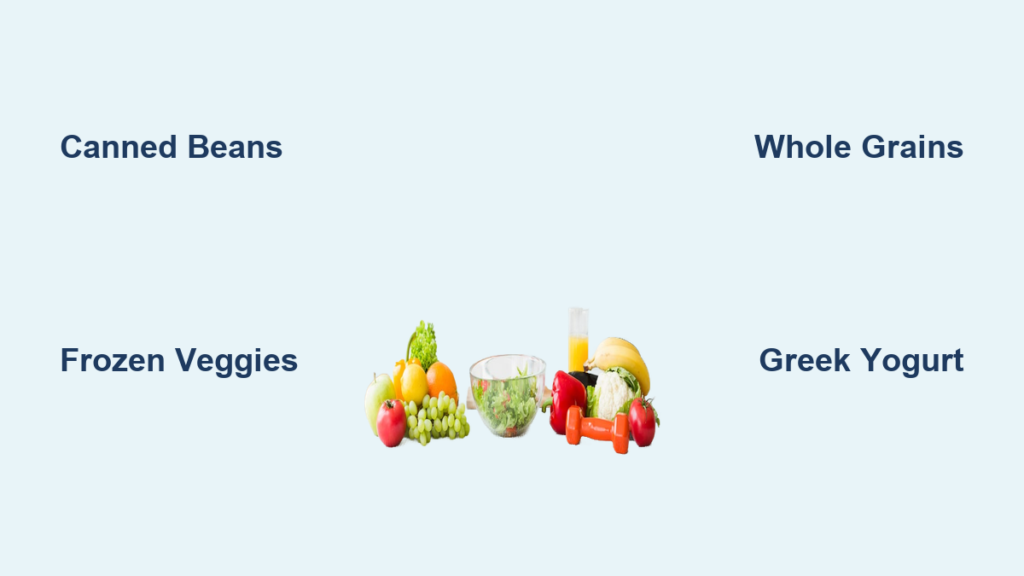
Stocking a healthy kitchen isn’t about perfection—it’s about progress. Start with three foundational items this week: canned beans, frozen vegetables, and whole grains. Within a month, you’ll notice fewer takeout orders and more energy from consistent, nutrient-dense meals. Remember that every strategically stocked shelf supports your health goals without requiring extra time or effort. When your kitchen works for you, healthy eating becomes the easy choice, not the hard one. Your journey to how to stock a healthy kitchen begins with a single grocery trip—make it count.