That lingering smell of burnt garlic or yesterday’s fish dinner shouldn’t haunt your kitchen for days. Kitchen odors stick around because food particles trap in drains, linger in appliances, and embed in porous surfaces—creating a constant reminder of your last meal. You’ve probably tried opening windows or lighting candles, only to find those solutions mask smells temporarily while leaving the root cause untouched. What you need are targeted methods that neutralize odors at the molecular level using what’s already in your pantry. This guide delivers seven science-backed techniques that eliminate kitchen smells in under 30 minutes, not just cover them up. You’ll discover exactly where stubborn odors hide, which household items actually break down odor molecules (not just perfume the air), and how to prevent smells from returning—even after cooking the strongest-smelling foods.
Baking Soda Odor Absorption That Works Overnight
Baking soda neutralizes acidic and alkaline odor molecules through ion exchange, making it ideal for fridge spills and countertop residue. Skip the box-in-fridge myth—crushed baking soda has 3x more surface area to trap smells. For active odor zones, mix ¼ cup baking soda with 2 tablespoons salt to create an abrasive paste that penetrates grout lines where smells embed.
How to Deep-Clean Smelly Cutting Boards
- Sprinkle paste liberally over board surface
- Scrub with half a lemon for 2 minutes (citric acid breaks down proteins)
- Let sit 15 minutes—any longer dries wood
- Rinse with cold water (hot water warps wood fibers)
Pro Tip: For bamboo boards, reduce sit time to 5 minutes to prevent moisture damage. Test in inconspicuous area first—some woods discolor with lemon.
Why Your Fridge Still Smells After Cleaning
Most people miss the drip pan—the #1 odor source hiding under crisper drawers. Pull out drawers, remove back panel, and locate the shallow tray collecting condensation. Dump residue, then soak the pan in equal parts vinegar and hot water for 20 minutes. Reassemble only when completely dry—dampness breeds mold.
Vinegar Solutions That Eliminate Odors in Minutes
White vinegar’s acetic acid dissolves alkaline smell compounds like fish oils and onion residue. But pouring straight vinegar down drains wastes its power—heat activates its odor-fighting properties. Simmer 1 cup vinegar with citrus peels for 10 minutes to release vapor that neutralizes airborne particles. For sink traps, combine with baking soda for a foaming reaction that scours pipe walls.
Garbage Disposal Deep Clean Protocol
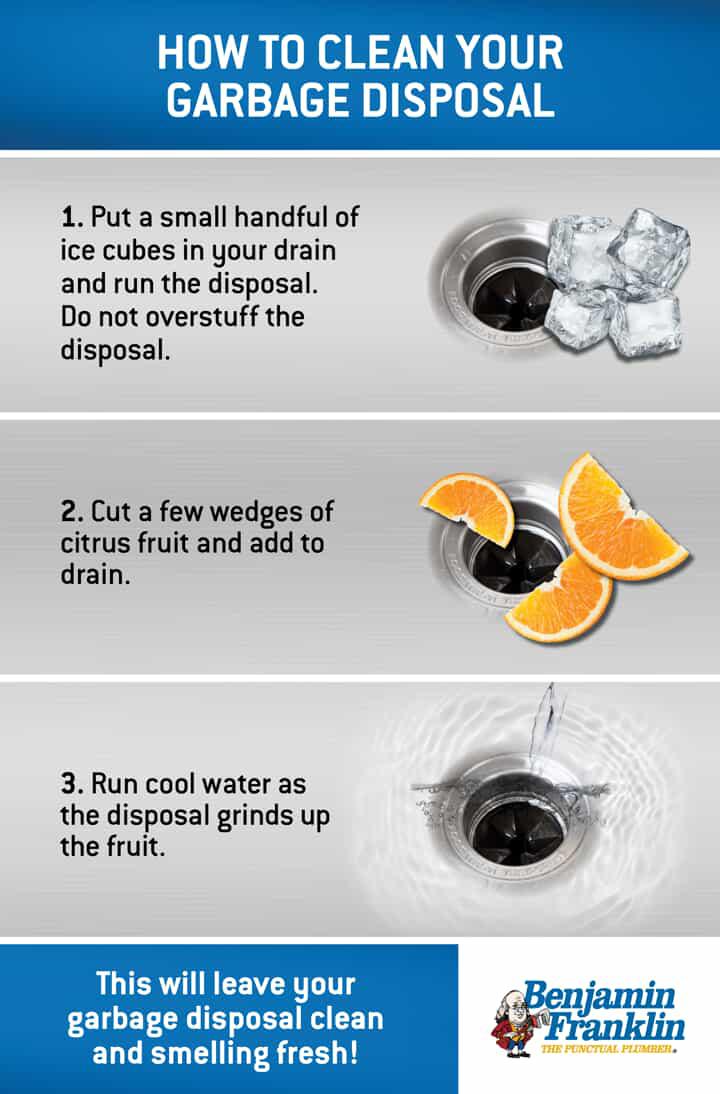
1. Freeze vinegar in ice cube trays with lemon zest
2. Drop 5 cubes into disposal while running cold water
3. Grind for 30 seconds—the ice scour debris while vinegar dissolves grease
4. Finish with ½ cup baking soda flushed with hot water
Warning: Never use bleach—it reacts with drain gunk to create toxic chloramine gas. Vinegar is safer and equally effective.
Microwave Deodorizing in 3 Steps
1. Microwave 1 cup water + ¼ cup vinegar for 5 minutes on high
2. Let steam sit inside for 10 minutes (softens splatters)
3. Wipe with microfiber cloth—no scrubbing needed
Time saved: 8 minutes vs. 25 minutes for chemical cleaners.
Targeting Hidden Odor Hotspots Professionals Find
Odors persist because 90% of sources hide in overlooked zones. Your dishwasher’s filter collects decomposing food below the bottom rack—clean it weekly with an old toothbrush. Coffee makers breed mold in reservoir crevices; run a brew cycle with equal parts vinegar and water monthly. But the biggest culprit? Your sponge.
Sponge Sterilization That Kills Odor-Causing Bacteria
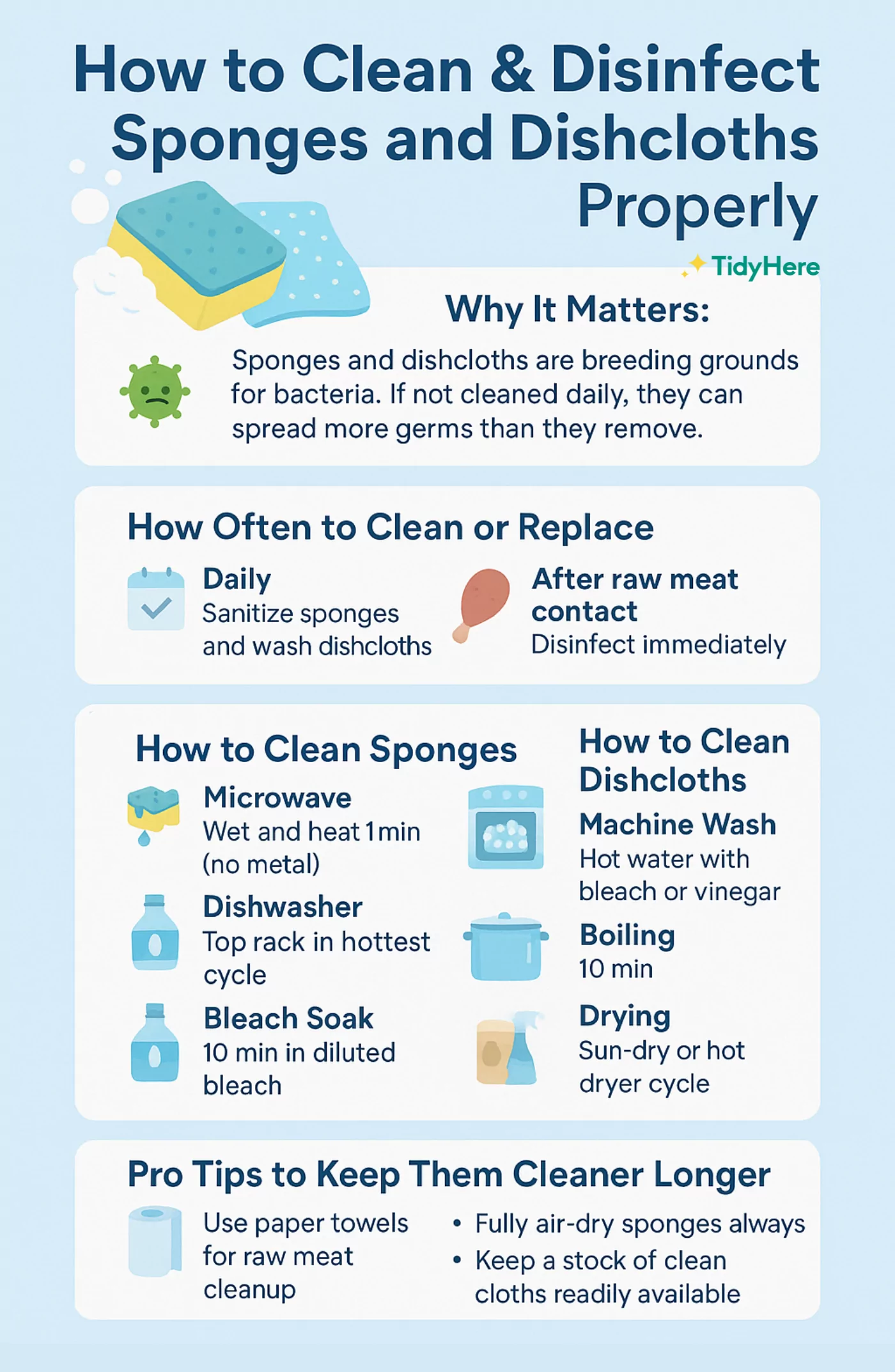
1. Microwave damp sponge for 1 minute (kills 99.9% of microbes)
2. Soak in 10% bleach solution for stubborn smells
3. Replace sponges every 3 weeks—odors return when pores clog
Critical Check: Squeeze test—if it doesn’t spring back, bacteria have colonized it. Toss immediately.
Natural Citrus Deodorizers for Instant Freshness
Citrus peels contain d-limonene, a solvent that dissolves grease-based odors. But boiling peels alone only masks smells—the key is pairing with salt to draw out moisture. Save peels from 2 oranges/lemons in freezer. When cooking strong foods, simmer peels in 2 cups water with 3 tablespoons coarse salt for 15 minutes. The salt extracts oils while steam carries deodorizing compounds through cabinets.
Stovetop Simmer Recipe for Fish Smells
- 1 cup water
- Lemon peels from 1 lemon
- 1 cinnamon stick
- 5 whole cloves
Simmer uncovered for 20 minutes post-cooking. Replaces fish molecules with volatile citrus compounds.
Activated Charcoal: The 24/7 Odor Neutralizer

Unlike baking soda, activated charcoal’s porous structure traps odor molecules permanently through adsorption. Place ½ cup in a mesh bag inside smelly cabinets—effective for 2 months before reactivation. For refrigerators, wrap charcoal in cheesecloth to prevent spills. Reactivate by baking at 300°F for 60 minutes when odors return.
Pro Tip: Position near dishwasher vents—charcoal captures escaping food particles before they settle on cabinets.
Preventing Odors Before They Start
Stop smells at the source with these pre-cooking steps:
– Fish Prep: Rinse in vinegar-water solution (1:4 ratio) before cooking
– Onion/Garlic: Freeze for 30 minutes pre-chopping—the cold slows enzyme reactions causing odors
– Frying: Add 1 tbsp salt to oil—it binds to free fatty acids before they turn rancid
Ventilation is non-negotiable: Run exhaust fan 15 minutes pre-cooking to create negative pressure that pulls odors outside, not into your home.
When to Suspect Serious Odor Sources
Persistent rotten egg smells indicate sewer gas from dried P-traps—pour ½ cup water down unused drains weekly. Musty odors signal hidden mold behind fridge coils; vacuum coils every 3 months. If smells linger after deep cleaning all appliances, check under sink plumbing for leaks—water damage under cabinets causes chronic mildew.
Urgent Action: Sewer gas exposure causes headaches and nausea. Shut off main water valve and call a plumber immediately if you smell rotten eggs near drains.
Long-Term Odor Prevention System
Create an odor defense routine that takes 5 minutes daily:
1. Morning: Place open container of baking soda near sink
2. After Cooking: Wipe stovetop with vinegar-water spray (1:1)
3. Before Bed: Run disposal with citrus ice cubes
Monthly maintenance:
– Clean dishwasher filter with vinegar soak
– Replace fridge water filter (clogged filters breed bacteria)
– Steam-clean cabinet interiors with citrus solution
Critical Mistake: Using scented candles—they coat surfaces with oily residue that traps future odors. Opt for odor-neutralizing methods instead.
Final Note: Kitchen odors vanish when you attack the molecular source, not the symptom. Baking soda and vinegar work because they chemically alter odor compounds—not through masking. For immediate relief, the vinegar simmer method eliminates 80% of smells in under 15 minutes. But true prevention requires daily habits: wiping surfaces before particles dry, maintaining drains, and using ventilation proactively. Implement just the garbage disposal ice cube trick and stovetop wipe-down, and you’ll notice fresher air within 48 hours. For stubborn cases, activated charcoal provides silent, continuous protection where other methods fail. Your kitchen should smell like your current meal—not last week’s leftovers. Start tonight with the citrus simmer technique while cleaning up dinner, and wake up to a truly fresh space tomorrow.