Grease buildup on your kitchen vent isn’t just an eyesore—it poses serious fire hazards and reduces the efficiency of your range hood. Over time, sticky grease deposits accumulate on filters, ducts, and exterior surfaces, creating stubborn layers that seem impossible to clean. According to the National Fire Protection Association, uncleaned kitchen hoods and ducts contribute to thousands of home fires annually. Whether you’re dealing with light splatter or years of neglected buildup, this guide walks you through proven methods to restore your kitchen vent to spotless condition. From quick weekly maintenance to deep cleaning techniques, you’ll learn exactly how to tackle grease at every stage and prevent future accumulation.
Why Kitchen Vent Grease Builds Up
Kitchen vents capture grease particles released during cooking, and these particles don’t disappear on their own. When you fry, sauté, or bake, microscopic oil droplets become airborne and travel toward your range hood. The vent fan pulls these particles through the filter, but some grease escapes and settles on fan blades, ductwork, and exterior surfaces. Heat accelerates this process by keeping grease in a liquid state longer, allowing it to spread further before cooling and hardening. After just six months of regular cooking, grease layers can reach a thickness that significantly reduces your vent’s effectiveness.
Temperature plays a significant role in how quickly grease accumulates. High-heat cooking methods like stir-frying or searing produce more airborne oil than boiling or steaming. Professional chefs cooking daily might need to clean their vents weekly, while home cooks might only require monthly maintenance. Additionally, cooking with oils that have low smoke points causes rapid oxidation and creates sticky residues that bond strongly to surfaces. Understanding why grease builds up helps you choose the right cleaning approach and frequency for your cooking habits.
Gather Your Cleaning Supplies
Before starting, assemble everything you need to avoid interruptions mid-cleaning. Dish soap serves as an effective degreaser for light to moderate buildup, while baking soda provides gentle abrasion for stubborn spots. White vinegar cuts through grease with its acidic properties and deodorizes as it works. You’ll also need a large bucket, microfiber cloths, a soft-bristled brush, rubber gloves, and a screwdriver to remove filter components.
For heavy-duty cleaning, consider commercial degreasers specifically designed for kitchen surfaces. These formulations contain powerful solvents that break down hardened grease faster than DIY solutions. However, always test commercial products on a small, hidden area first to ensure they won’t damage your vent’s finish. Having old towels or newspapers ready protects your stovetop and surrounding areas from drips during the cleaning process. Don’t forget a toothbrush for detailed work around corners and edges—it’s perfect for getting into tight spaces where grease collects.
Disassemble the Vent Components
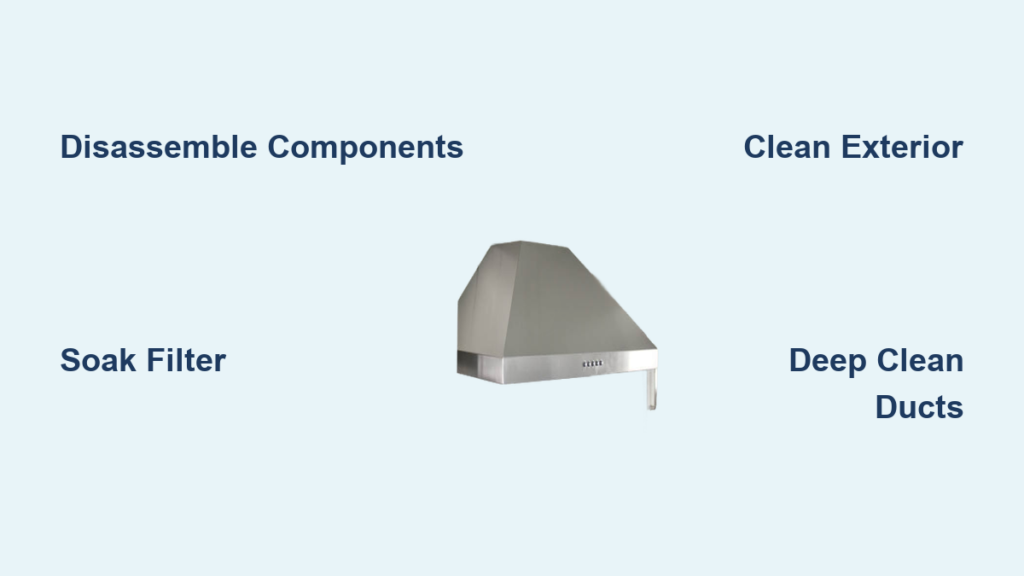
Start by turning off the range hood completely and disconnecting power if your model has a hardwired connection. Remove the filter by locating the release mechanism—most filters slide out or pop down after unlocking a latch. Take the filter outside or to a large sink where it can be cleaned thoroughly without making a mess indoors. If your filter is stuck due to heavy grease, gently work it loose with a plastic scraper before attempting to remove it completely.
Next, remove any removable parts such as grease cups, light covers, or fan blades. Consult your owner’s manual if you’re unsure how to disassemble specific components. Take photos as you disassemble each piece so you remember exactly how everything fits back together. Organizing screws and small parts in labeled containers prevents frustration during reassembly. This disassembly step is crucial because trying to clean assembled components often leaves hidden grease in hard-to-reach areas, which continues to accumulate and cause problems.
Clean the Filter Effectively

The filter is usually the greasiest component and requires the most attention. Fill your sink or bucket with hot water and add a generous amount of dish soap or degreaser. Submerge the filter completely and let it soak for fifteen to thirty minutes—this loosens hardened grease significantly. For extremely heavy buildup, add a cup of baking soda to the soak solution for extra cleaning power. Aluminum mesh filters respond particularly well to this method, while stainless steel filters may need additional vinegar treatment to prevent water spots.
After soaking, scrub the filter with a soft-bristled brush, working in the direction of the filter’s mesh pattern to avoid damaging the material. Rinse thoroughly with hot water and inspect for remaining grease spots. Repeat the soaking process for any stubborn areas. Once clean, allow the filter to dry completely before reinstalling—trapping moisture inside the vent creates mold and rust problems. If your filter is extremely damaged or has tears, replacement may be more effective than continued cleaning. Most filters last 6-12 months with regular cleaning, depending on cooking frequency.
Tackle the Vent Exterior
Wipe down the exterior surfaces with a microfiber cloth dampened with warm, soapy water. For stainless steel finishes, always wipe in the direction of the grain to avoid streaks and scratches. Apply gentle pressure initially, increasing as needed for sticky spots. A mixture of equal parts water and vinegar works well for removing fingerprints and light grease without damaging protective coatings. For glass surfaces, use a razor blade scraper at a 45-degree angle to remove stubborn deposits without scratching.
For stubborn exterior grease, apply baking soda paste directly to the affected areas. Mix baking soda with just enough water to create a spreadable consistency, then apply with a soft cloth using circular motions. Let the paste sit for five to ten minutes before wiping clean with a damp cloth. Avoid abrasive scrubbers or steel wool on stainless steel, as these create permanent scratches that trap future grease and ruin the appearance. When cleaning control panels, use a slightly damp cloth rather than soaking them to prevent electrical damage.
Access and Clean Hidden Areas

Some grease accumulates inside the ductwork and on internal components that aren’t visible during regular cleaning. If your range hood has an accessible duct, inspect it periodically by removing the exterior cover. Use a flashlight to check for grease buildup, and wipe down accessible surfaces with a degreaser-soaked cloth. For enclosed ductwork, professional cleaning may be necessary if you notice reduced airflow or persistent odors. A telltale sign of internal buildup is grease dripping from the vent during cooking.
The fan blades collect significant grease that affects performance and creates noise. Carefully wipe each blade with a cloth soaked in degreaser, paying attention to the edges where grease concentrates. For difficult-to-reach areas, wrap a cloth around a butter knife or similar tool to extend your reach safely. Reassemble all components only after ensuring each part is completely dry. Test the fan operation before finishing to confirm everything functions correctly and quietly. If you notice unusual vibrations after reassembly, double-check that all components are properly aligned.
Establish a Maintenance Schedule
Regular maintenance prevents grease from accumulating to problematic levels. Wipe down exterior surfaces weekly with a quick-dry degreaser to prevent buildup. Clean or replace filters monthly, depending on your cooking frequency and the type of filter you have. Aluminum filters typically need cleaning every 2-4 weeks, while charcoal filters require replacement every 3-6 months. Annual deep cleaning of internal components and ductwork keeps your system operating efficiently and reduces fire risks.
Monitor your vent’s performance as an indicator of when cleaning is needed. If the fan seems weaker than usual, makes unusual noises, or odors linger longer after cooking, grease buildup is likely restricting airflow. Addressing these warning signs promptly prevents more extensive and time-consuming cleaning later. Keeping a cleaning log helps you track maintenance intervals and identify patterns in your cooking habits that affect grease accumulation. Set phone reminders for regular maintenance to stay consistent with your cleaning schedule.
Prevent Future Grease Buildup
Reducing grease at its source minimizes cleaning requirements over time. Always turn on your range hood before cooking and leave it running for several minutes after finishing to capture lingering particles. Use lower heat settings when possible, as high temperatures generate more airborne grease. Cover pans and pots during cooking to contain grease and moisture within your cookware. When deep frying, use a splatter screen that fits over your largest pot to dramatically reduce grease escaping into the air.
Choosing the right cooking oils also impacts grease accumulation. Oils with high smoke points like avocado oil, peanut oil, or refined canola oil produce less airborne residue than those that break down quickly. Regularly wiping stovetop surfaces and surrounding areas prevents grease from splattering onto your vent in the first place. Installing a splatter screen over pans provides additional protection, especially when frying or sautéing. These preventive measures complement regular cleaning and keep your kitchen vent looking cleaner between deep cleaning sessions.
When to Call Professionals
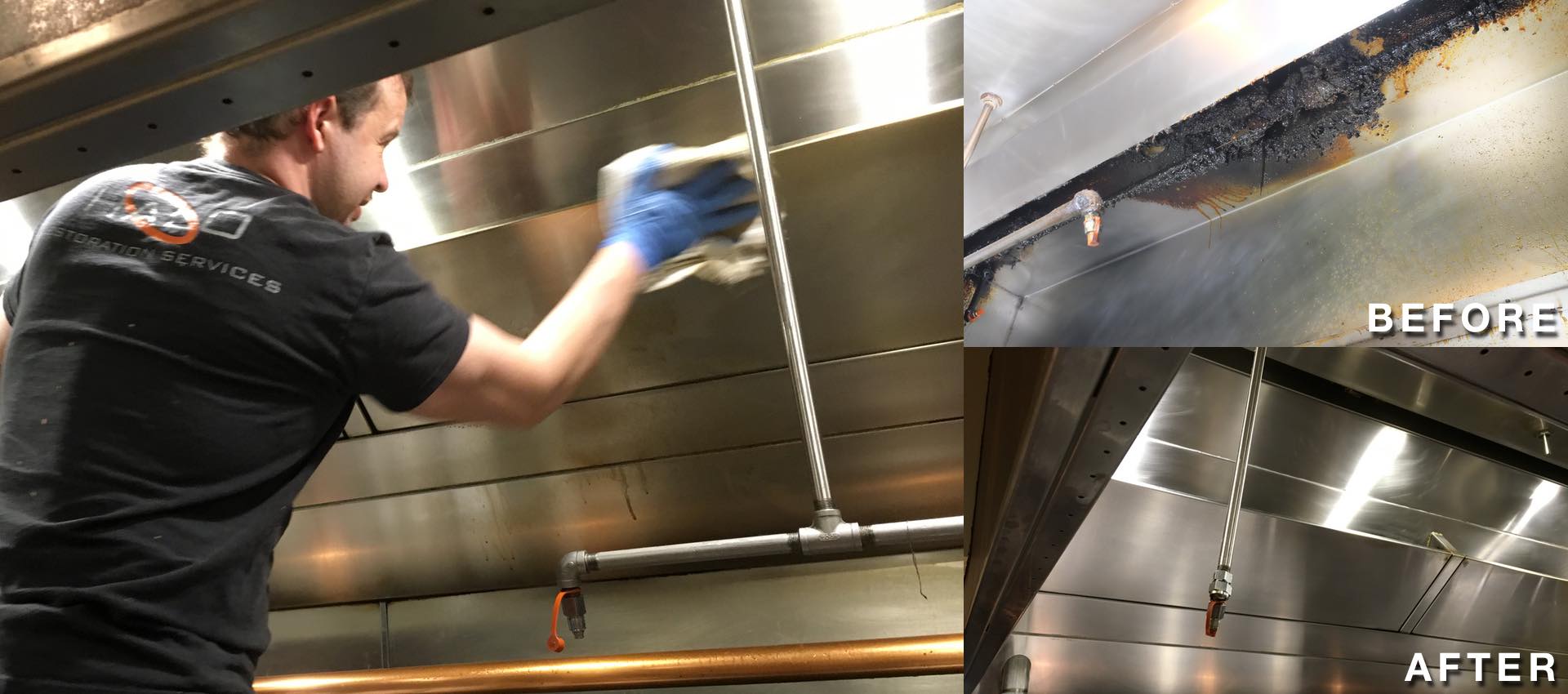
Some situations require expert intervention rather than DIY cleaning. If grease has accumulated inside enclosed ductwork running through walls or ceilings, professional equipment can access areas homeowners cannot reach. Likewise, electrical issues, unusual fan noises, or persistent malfunctions after cleaning indicate problems beyond simple maintenance. If you notice greasy residue on your ceiling near the vent, this signals serious internal buildup that needs professional attention.
Professional vent cleaning services use specialized tools and solvents that remove years of accumulated grease safely and thoroughly. They also inspect for damage, leaks, or fire hazards that might go unnoticed during routine cleaning. Consider professional cleaning annually if you cook frequently with high-fat foods, or every two to three years for lighter cooking habits. The investment protects your home from fire risks and keeps your ventilation system operating at peak efficiency. Request documentation of the cleaning for your records and potential insurance purposes.
Regular grease removal from your kitchen vent protects your home’s safety and keeps your cooking environment clean and efficient. By following these cleaning methods and establishing consistent maintenance habits, you prevent dangerous buildup and extend the life of your ventilation system. Start with a thorough deep clean using the steps outlined above, then commit to weekly and monthly maintenance that takes only minutes but delivers lasting results. Your kitchen—and your peace of mind—will thank you for the effort. Remember that consistent, small cleaning efforts prevent the need for intensive, time-consuming deep cleans later. Take action today to keep your kitchen safe, clean, and smelling fresh after every meal you prepare.