Finding hardened adhesive stuck to your kitchen counter turns a simple cleanup task into a potentially damaging ordeal. Whether it’s price tag residue from a new appliance, super glue from a rushed repair job, or construction adhesive left behind after renovations, knowing how to remove glue from kitchen counter surfaces properly prevents costly damage while restoring your countertop’s appearance. The wrong cleaning method can cause scratches, discoloration, or permanent etching that requires professional restoration. This guide delivers precise techniques tailored to your specific counter material and glue type, helping you achieve professional results without risking damage to your kitchen surfaces.
Identify Your Glue Type Before Starting
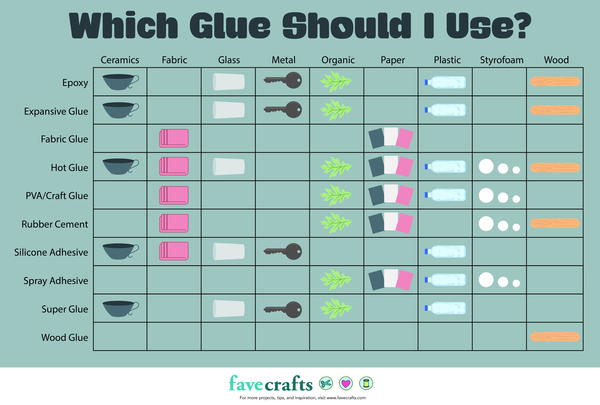
Before applying any cleaning solution, accurately identifying the adhesive type prevents wasted effort and surface damage. Different glues require completely different removal approaches, and using the wrong method can permanently bond the adhesive tighter to your counter.
Super glue (cyanoacrylate) creates an instant, rock-hard bond that appears glossy and slightly amber-tinted. This adhesive cures rapidly on contact with moisture and forms a rigid, plastic-like layer that resists most household cleaners. If your glue spot feels completely solid, has a glassy sheen, and shows fine cracks like aged plastic, you’re dealing with cured super glue that needs specialized treatment.
Construction adhesive leaves thick, rubbery deposits typically used for installing backsplashes or countertops. This heavy-duty formula remains slightly flexible even when fully cured and often appears gray, white, or tan. Press gently—if the adhesive yields slightly under pressure while maintaining its shape, construction adhesive is likely the culprit requiring mechanical removal combined with strong solvents.
Sticker glue and label adhesive creates a persistent, gummy residue that attracts dust and hair. Unlike other adhesives, this type never fully hardens and remains tacky to the touch, often leaving a cloudy film when scraped. Price tags, decorative stickers, and removable labels use this milder adhesive designed for temporary application but surprisingly difficult to remove completely.
Hot glue dries to a rigid, opaque finish that fractures rather than bends. Coming from glue guns and sticks, this adhesive often appears white, clear, or colored and shatters when pressure is applied. If your glue spot looks like hardened plastic with visible seams from the glue gun application, hot glue requires gentle heat and mechanical removal without harsh chemicals.
Match Removal Method to Your Counter Surface
Your countertop material determines which glue removal techniques will work safely. Using granite-safe methods on laminate can cause bubbling, while applying laminate-friendly solutions to natural stone might create permanent etching. Identifying your surface type takes just seconds but prevents thousands in potential damage.
Laminate and Formica Counters
Laminate surfaces feature a thin plastic layer bonded to particleboard, making them vulnerable to solvents that dissolve the underlying adhesive. Start with warm soapy water and a plastic scraper for mild adhesive residue. For stubborn sticker glue, apply cooking oil generously and let it penetrate for 15-15 minutes before scraping. Always use plastic tools at a low angle—never metal scrapers or steel wool that scratch the surface. Avoid acetone-based products entirely as they can dissolve the laminate’s protective coating.
Natural Stone Countertops
Granite and marble require special care due to their porous nature and sensitivity to acidic substances. Never use vinegar, lemon juice, or ammonia that cause permanent etching—dull spots that polishing cannot fix. Begin with warm water and mild dish soap, using a soft cloth in circular motions. For resistant adhesive, apply a thick paste of baking soda and water, cover with plastic wrap, and let it sit for 15 minutes before gently wiping. Specialized stone-safe adhesive removers work well but always test in an inconspicuous area first.
Engineered Quartz Surfaces
Quartz counters combine ground stone with resin, creating a durable but chemical-sensitive surface. Most household adhesives yield to gentle heat application—use a hair dryer on medium setting held 3-4 inches from the surface for 30-60 seconds until the glue softens. Immediately follow with a plastic scraper working at a 45-degree angle. For stubborn spots, apply rubbing alcohol sparingly with a cotton ball and wait 5-10 minutes before wiping. Avoid paint strippers and abrasive pads that dull the polished finish.
Heat-Based Removal for Most Glue Types
Controlled heat softens adhesive bonds without introducing chemicals, making this method ideal for food-preparation surfaces and households with children. The technique works on nearly all glue types except cured super glue, which requires chemical intervention.
Set your hair dryer to medium heat and hold it 2-3 inches above the adhesive spot, moving constantly in small circles for 30-60 seconds. The glue should develop a slight gloss or begin lifting at the edges when properly heated. Immediately use a plastic scraper or old credit card at a 15-30 degree angle to lift the softened adhesive—never dig straight down as this scratches surfaces. Reapply heat as needed for stubborn spots, but never let the dryer rest in one spot for more than 10 seconds to prevent heat damage.
For large adhesive areas, work in 2-inch sections, heating and scraping methodically across the surface. Keep several clean paper towels nearby to wipe adhesive from your scraper frequently—transferring adhesive creates more work. This technique works exceptionally well on sticker residue, price tag adhesive, and dried hot glue without risking surface damage.
Solvent Solutions for Stubborn Adhesive

When heat alone fails, targeted solvent application breaks down adhesive bonds. Always test solvents in an inconspicuous area first and use the mildest effective solution to protect your counter.
Cooking oil works surprisingly well on sticker glue and mild adhesive residue. Saturate the area generously and cover with plastic wrap to prevent drying. Let it penetrate for 30 minutes before wiping away with a clean cloth. The oil softens the adhesive without damaging surfaces, making it ideal for all counter types. Follow with dish soap and warm water to remove oily residue.
Rubbing alcohol (isopropyl alcohol) dissolves many adhesives without residue. Apply directly using a cotton ball, ensuring full saturation of the adhesive. Wait 2-3 minutes for penetration, then wipe in circular motions with a clean cloth. Repeat as needed for thick deposits. This method works safely on quartz, laminate, and sealed surfaces but avoid using on unsealed wood.
Acetone-based solutions tackle super glue and construction adhesive but require caution. Apply sparingly with a cotton swab, targeting only the adhesive. Acetone damages laminate finishes and etches natural stone, so use only as a last resort on appropriate surfaces like stainless steel or properly sealed counters. Work in well-ventilated areas and keep away from eyes and skin.
Mechanical Removal Without Surface Damage
Physical removal combined with softening agents delivers the best results for thick adhesive deposits. The key is using proper tools at the correct angle with appropriate pressure.
Plastic putty knives, old credit cards, and nylon scrub pads serve as safe mechanical removal tools. Hold your scraper at a 15-30 degree angle and push steadily forward rather than digging down aggressively. Let the adhesive soften first with heat or solvents, then work the edge underneath to lift the glue in sheets. For thin residual film, use a fresh plastic scrub pad with warm soapy water in small circular motions.
Never use metal tools on any surface you want to keep looking new—even stainless steel develops microscopic scratches from metal implements that accumulate over time. If the adhesive resists gentle scraping, return to softening methods rather than increasing pressure.
Emergency Response for Super Glue Spills
Super glue bonds instantly and creates the toughest removal challenge, but immediate action dramatically improves results. If discovered while still wet, saturate the area with warm soapy water immediately and gently work the glue free with a soft cloth—never scrape wet super glue as this spreads it larger.
For cured super glue, apply acetone or specialized super glue remover directly to the spot and cover with plastic wrap to prevent evaporation. Reapply every 10-15 minutes for up to an hour. Test softening by pressing gently with a plastic edge—once the glue yields slightly, carefully work it loose in small pieces. Thick deposits may require multiple applications over several hours.
Prevent Future Adhesive Problems
Stopping glue issues before they start protects your counters and saves cleanup time. When applying adhesives near counters, protect surfaces with newspaper or cardboard. Remove labels from jars before storing them, as temperature changes cause adhesive to react over time. Designate a small tray as a “sticky note area” to keep temporary papers off counter surfaces.
For renters, photograph any adhesive issues immediately upon moving in and document them with the landlord. Store craft supplies in containers with secure lids to prevent spills. Establish daily wiping habits to catch adhesive residue before it cures completely—prevention takes seconds while removal can take hours.
Quick Reference: Surface-Specific Removal Guide
| Countertop Type | Best Removal Method | Products to Avoid |
|---|---|---|
| Laminate/Formica | Heat + plastic scraper | Acetone, steel wool |
| Granite/Marble | Oil soak + gentle scraping | Vinegar, abrasive cleaners |
| Quartz | Rubbing alcohol, heat application | Harsh solvents, paint stripper |
| Wood (sealed) | Oil treatment, hair dryer | Water soaking, sanding |
| Stainless Steel | Acetone, commercial removers | Abrasive pads, chlorine bleach |
After successful glue removal, clean the entire counter with mild dish soap and warm water to eliminate any cleaning residue. For natural stone, follow with a stone-specific cleaner that reinforces the seal. Regular maintenance prevents future adhesive emergencies—wipe counters daily and address spills immediately. When proper technique meets consistent care, your kitchen counters will stay beautiful and glue-free with minimal effort. For particularly challenging situations beyond DIY methods, professional restoration services can save counters that would otherwise require complete replacement.