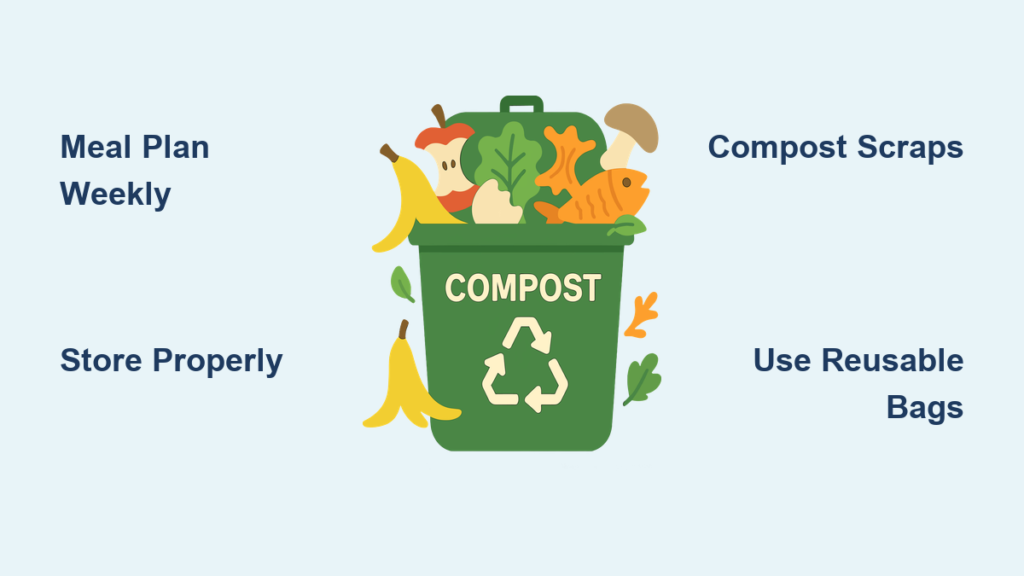
Kitchen waste silently piles up in every home, with the average household tossing out nearly $1,500 worth of perfectly good food each year. This isn’t just money down the drain—it’s water, energy, and resources squandered while contributing to methane emissions in landfills. Learning how to reduce kitchen waste transforms your relationship with food, cuts grocery bills significantly, and helps combat climate change right from your home. This guide delivers actionable strategies you can implement immediately to slash your kitchen waste by 50% or more while enjoying better meals and saving money each week.
The environmental impact of kitchen waste extends far beyond your trash can. When food decomposes without oxygen in landfills, it produces methane—a greenhouse gas 25 times more potent than carbon dioxide at trapping heat. Every wilted vegetable and forgotten leftovers represent gallons of water, fossil fuels, and labor wasted in production. By mastering these waste-reduction techniques, you’ll join millions of households turning the tide on food waste while building sustainable habits that benefit your wallet and the planet. Let’s dive into practical solutions that deliver real results.
Stop Overbuying with These Meal Planning Hacks
Smart meal planning stands as the single most effective way to reduce kitchen waste because it addresses the root cause: purchasing more food than you can actually consume. Without a clear plan, impulse buys and bulk deals often end up spoiling before you use them, costing you money and resources. Implementing a simple weekly planning routine prevents this common pitfall while streamlining your cooking process.
Why Weekly Meal Planning Cuts Food Waste by 40%
Start by taking inventory of what’s already in your pantry, refrigerator, and freezer before creating your meal plan. Check expiration dates and build meals around items that need immediate use—this simple habit prevents food from languishing until it spoils. Create a realistic schedule that accounts for busy days when cooking from scratch isn’t feasible; these are perfect opportunities to use leftovers or plan simpler meals. When you know exactly what you’ll cook each day, you purchase only what you need, eliminating unnecessary grocery spending.
The “Use First” System That Prevents Forgotten Produce
Designate a clear container in your refrigerator specifically for items that need immediate use and place it front and center. Whenever you bring home new groceries, move older items to this “use first” zone. This visual reminder ensures nothing gets buried and forgotten until it’s too late. For households with multiple cooks, add a small whiteboard to your fridge listing what needs using soon—this coordination prevents duplicate purchases and wasted ingredients.
Store Food Properly to Double Its Shelf Life
:max_bytes(150000):strip_icc()/produce-storage-chart3_1-cc50970a102d4e4b886d249914da8b06.png)
Improper storage causes premature spoilage that sends perfectly good food to the trash. Understanding specific storage requirements for different produce items dramatically extends freshness while preventing the frustration of finding wilted vegetables days after purchase. These science-backed methods help your food stay fresh significantly longer.
The Ethylene Gas Secret: Which Fruits Cause Others to Spoil
Certain fruits like bananas, apples, and tomatoes release ethylene gas as they ripen, which accelerates spoilage in ethylene-sensitive items like leafy greens, berries, and avocados. Store ethylene producers separately from sensitive items—keep bananas in a fruit bowl away from your vegetable drawer, and store apples in a cool pantry rather than the refrigerator crisper. This simple separation prevents premature ripening and extends the life of your produce by days or even weeks.
Best Storage Methods for Common Produce Items
Leafy greens stay crisp longer when stored with a paper towel to absorb excess moisture inside a loosely closed container. Root vegetables like potatoes, onions, and garlic prefer cool, dark spaces with good airflow—never store them in plastic bags that trap moisture. Tomatoes actually lose flavor and texture when refrigerated; keep them at room temperature until fully ripe. Invest in glass containers with airtight seals for prepared foods—they keep contents fresh while allowing you to see what needs using.
Transform Scraps into Delicious Meals

Kitchen scraps that automatically head for the trash possess tremendous potential for creating flavorful meals and ingredients. Developing a mindset that sees peels, stems, and cores as resources rather than waste transforms your cooking while dramatically reducing what you throw away. These simple techniques turn “waste” into gourmet components.
Carrot Top Pesto: A Zero-Waste Recipe That Actually Tastes Good
Instead of discarding carrot greens, blend them with garlic, nuts, olive oil, and Parmesan for a vibrant pesto that rivals traditional basil versions. Celery leaves add brightness to soups, salads, and compound butters, while broccoli stems match florets in crunch and nutrition when sliced thinly for slaws. Keep a freezer container specifically for vegetable scraps—onion skins, carrot tops, and herb stems create rich stocks that surpass store-bought versions in flavor and depth.
Stale Bread Solutions: From Croutons to Bread Pudding
Revive stale bread by pulsing it in a food processor for fresh breadcrumbs, or cube and toast it for crunchy salad toppings. Slightly soft fruit transforms into smoothies, quick breads, or natural sweeteners for yogurt. Overripe bananas become perfect for banana bread, while meat bones and trimmings create rich stocks for soups and sauces. Embracing root-to-stem cooking utilizes entire plants—from beet greens to radish tops—maximizing nutrition while minimizing waste.
Apartment-Friendly Composting Without Odors
Composting provides an immediate solution for organic waste while creating valuable soil for plants, even if you live in a small apartment. Modern indoor systems make composting feasible without outdoor space, odor problems, or pest concerns. Setting up a simple composting system dramatically reduces your garbage volume while producing useful output.
Vermicomposting 101: Worm Bins for Small Spaces
Worm bins use red wiggler worms to efficiently break down food scraps in a compact container that fits under your sink or on a countertop. These systems handle fruit and vegetable scraps, coffee grounds, and paper products with minimal odor when managed properly. Start with a small bin, add bedding material like shredded newspaper, introduce your worms, and begin adding kitchen scraps gradually. Harvest nutrient-rich worm castings in 2-3 months to feed houseplants.
What NOT to Compost (Common Mistakes)
Avoid adding meat, dairy, oily foods, or pet waste to traditional compost systems, as these attract pests and create odors. Diseased plants may spread pathogens through finished compost, while glossy or coated papers contain inks that contaminate the final product. Stick to fruit and vegetable scraps, coffee grounds, eggshells, and yard waste for successful composting. If you must compost meat or dairy, use a Bokashi system designed for these materials.
Ditch Single-Use Plastics with These Swaps
Eliminating single-use products addresses a significant portion of kitchen waste while often saving money over time. The average kitchen generates substantial plastic waste from packaging, wraps, and disposable items that can be replaced with reusable alternatives. These simple switches require minimal investment but deliver ongoing waste reduction.
Reusable Produce Bags vs. Plastic: Which Saves More?
Bring reusable mesh produce bags to the grocery store to eliminate plastic bag waste from loose fruits and vegetables. Keep a stash in your car or by the door so you never forget them. These lightweight bags weigh virtually nothing, so you pay only for the produce—not unnecessary plastic packaging. Over a year, this simple habit prevents hundreds of single-use plastic bags from entering landfills.
DIY Beeswax Wraps: Step-by-Step Guide
Replace plastic wrap with reusable beeswax wraps that create natural seals on containers. Simply cut cotton fabric to size, brush with melted beeswax, pine resin, and jojoba oil mixture, then bake at low heat to set. These wraps mold to container shapes with the warmth of your hands and last up to a year with proper care. Store them in a cool place and wash gently with cold water when needed—no more single-use plastic wrap cluttering your kitchen.
Track Your Waste to Slash It by Half
Monitoring your waste generation provides motivation and reveals opportunities for improvement that might otherwise go unnoticed. Without tracking, it’s difficult to know whether your efforts are working or where to focus next. Simple measurement methods deliver surprising insights that drive real change.
The 7-Day Waste Audit That Reveals Hidden Problems
For one week, sort your trash before disposal and take note of what you’re throwing away. Photograph your garbage can before taking it out—this visual record creates accountability and shows progress over time. You’ll likely discover patterns like excessive packaging from certain products or recurring food items that consistently go to waste. Use these insights to target your reduction efforts where they’ll have the biggest impact.
Set Realistic Goals That Stick
Start with one specific, measurable goal like “reduce vegetable waste by 30% this month” or “compost 90% of organic scraps.” Track your progress weekly and celebrate small victories. If you’re currently throwing away two bags of trash weekly, aim for one and a half bags before targeting a single bag. These incremental improvements build confidence and sustainable habits that last long-term.
Final Note: By implementing just three of these strategies consistently, most households can reduce kitchen waste by 50% within a month. Start with meal planning to prevent overbuying, set up a simple composting system for scraps, and replace one single-use item with a reusable alternative. Track your progress and build on your successes—every small step toward reducing kitchen waste delivers environmental benefits while improving your household efficiency. The money you save from wasted food alone will quickly cover any initial investments in reusable containers or composting systems, making this both an eco-friendly and economically smart decision.