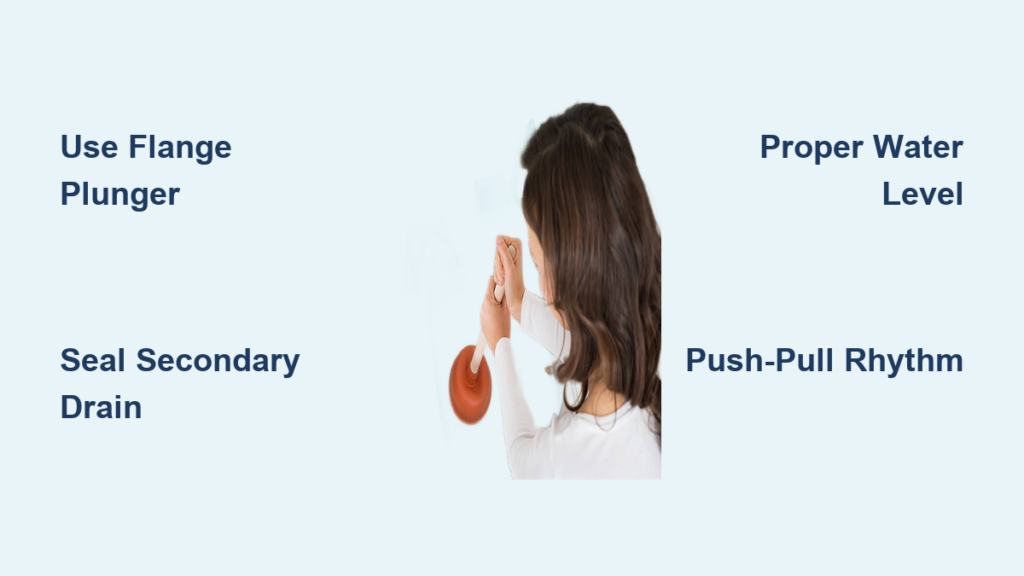
Standing water in your kitchen sink is more than just an inconvenience—it’s a productivity killer. When your dishes pile up and dirty water won’t drain, knowing how to plunge a kitchen sink properly becomes an essential household skill. Most clogs can be resolved in under 15 minutes with the right technique and tools, saving you the $150+ cost of an emergency plumber visit. The secret isn’t brute force—it’s understanding how to create effective suction and pressure to dislodge stubborn blockages without damaging your plumbing.
This guide delivers the precise plunging methods that actually work, based on professional plumbing techniques adapted for DIY success. You’ll learn why standard cup plungers often fail on kitchen sinks, how to create maximum suction with proper sealing techniques, and when to move beyond plunging to more effective solutions. Whether you’re dealing with a slow drain or a complete blockage from last night’s pasta dinner, these actionable steps will restore your sink’s functionality quickly.
Stop Wasting Effort With the Wrong Plunger Type
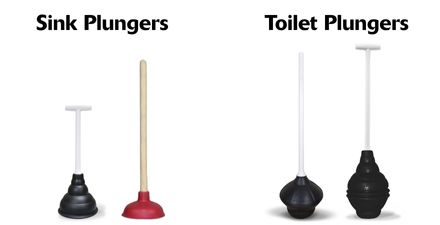
Using the wrong plunger wastes your energy and makes clogs worse by pushing debris deeper into pipes. Most households own the classic red cup plunger, but this design works poorly on kitchen sinks due to their unique drain configuration.
Flange plungers outperform cup plungers for kitchen sinks because of their specialized design. The extra rubber flap (the “flange”) folds into the cup to create a tighter seal around the curved sink drain opening. Without this seal, 70% of your plunging force escapes, rendering your efforts ineffective. When shopping for a kitchen sink plunger, look for one with a 4-6 inch cup diameter and medium-thick rubber that flexes without collapsing. Avoid cheap models with paper-thin rubber—these tear after just a few uses.
Test your plunger’s effectiveness before a clog happens. Place it over your dry sink drain and push down firmly. If it stays suctioned without sliding, it will work when you need it most. Store your sink plunger separately from toilet plungers—using the same tool risks cross-contamination and creates an unnecessary hygiene hazard.
Kitchen Sink Plunging Preparation That Makes the Difference
:max_bytes(150000):strip_icc()/how-to-unclog-a-kitchen-sink-2718799_sketch_FINAL-6d86f43bcb464f8ca5b61f240c2d8bf9.png)
Skipping proper preparation turns a 5-minute fix into a frustrating hour-long battle. Professional plumbers spend more time preparing than plunging because it dramatically increases success rates.
Achieve the perfect water level by removing excess standing water until you have 2-3 inches remaining in the basin. This shallow pool creates the hydraulic seal needed for effective plunging while preventing messy splashes. If your sink is completely dry, add warm water to reach this level—hot water helps dissolve grease-based clogs.
Seal all escape routes for maximum pressure. In double sinks, stuff a wet cloth tightly into the unused basin’s drain. For garbage disposal sinks, cover the disposal opening with duct tape. These openings act as pressure release valves—if unsealed, your plunging force dissipates instead of targeting the clog. Pro plumbers recommend using petroleum jelly around the plunger rim to create an airtight seal, but this isn’t essential with a quality flange plunger.
Clear visible debris first by removing the sink strainer and picking out trapped food particles. A clogged strainer creates false hope that the main drain is clear when the blockage is actually just below the surface. This simple step resolves minor slowdowns without any plunging at all.
Perfect Your Plunging Technique in 4 Critical Steps
Most people plunge incorrectly, wondering why their sink remains clogged despite vigorous effort. Proper technique generates the alternating pressure waves needed to break up and move blockages.
Position for maximum power by standing directly over the sink with feet shoulder-width apart. Place the plunger vertically over the drain, pressing down firmly to compress the cup completely. You should feel strong resistance—if the cup collapses easily, your seal is inadequate.
Execute the push-pull rhythm correctly with these specific motions:
1. Push down slowly to expel air from the cup
2. Pull up sharply with force to create strong suction
3. Maintain a steady 1-second-per-cycle rhythm
4. Complete 15-20 full cycles without breaking the seal
Listen for the telltale sign of success—a sudden “glug” sound followed by rapid draining. This indicates the clog has broken free and is moving through the pipes. If water begins draining during your plunging sequence, stop immediately to avoid creating a vacuum that could pull water from nearby P-traps.
Boost effectiveness with dish soap by adding 1-2 tablespoons to the standing water before plunging. The soap acts as a lubricant, helping dislodged debris slide through pipes more easily. For grease clogs, use hot (not boiling) water to help melt the blockage as you work.
Fix Double Sink Clogs Without Calling a Plumber

Double sinks present unique challenges because the two basins share plumbing, allowing plunging pressure to escape through the unclogged side. This explains why many homeowners fail when attempting to plunge double sinks.
Seal the secondary basin completely using a wet rag pressed firmly into the drain opening. The rag must be saturated with water to conform tightly to the drain shape—dry rags won’t create an adequate seal. For stubborn clogs, place a heavy pot upside-down over the rag to maintain constant pressure during plunging.
Alternate plunging between both basins when the clog persists after initial attempts. Plunge the primary sink for 10 cycles, then switch to the secondary sink for another 10 cycles. This back-and-forth action works the clog loose from multiple angles, similar to how dentists wiggle stubborn teeth during extraction.
Target the shared pipe section by plunging each sink with extra force after running hot water for 30 seconds. The heated pipes expand slightly, creating more space around the clog for your plunging action to be effective. Many double sink clogs occur precisely where the two drain lines connect—this strategic approach targets that vulnerable point.
When to Move Beyond Plunging to More Effective Solutions
Recognizing when plunging won’t work prevents wasted effort and potential plumbing damage. If your sink remains clogged after 3-4 proper plunging sessions, it’s time to escalate your approach.
Try a manual drain snake before chemical cleaners. These $10 tools reach 15-25 feet into pipes—far beyond a plunger’s 6-12 inch range. Insert the snake’s tip into the drain, crank the handle to feed it deeper, and rotate when you feel resistance to break up or hook the clog. Pull out slowly to remove debris, then flush with hot water. This method clears 80% of clogs that resist plunging.
Clear the P-trap yourself for immediate results. Place a bucket under the U-shaped pipe beneath your sink, unscrew the slip nuts at both ends, and remove the trap. Dump the contents (wear gloves) and scrub the interior with a bottle brush. Reassemble and test—this simple step resolves many “clogs” that are actually just debris trapped in the accessible P-trap.
Abandon chemical drain cleaners entirely—they rarely work on complete blockages (since they can’t reach the clog) and corrode pipes with repeated use. The dangerous fumes and risk of splashing make them poor choices when mechanical solutions exist.
Essential Prevention Habits That Stop Clogs Before They Start
The most effective plunging technique is the one you never need to use. Implementing these simple habits prevents 90% of kitchen sink clogs.
Install and use a sink strainer religiously. Even with a garbage disposal, a fine-mesh strainer catches rice grains, pasta fragments, and coffee grounds that eventually cause blockages. Empty it into the trash after every use—don’t rinse trapped debris down the drain.
Dispose of grease properly by pouring it into an empty can (like a coffee can) and throwing it in the trash when solidified. Never pour cooking oil, bacon grease, or melted butter down the drain—even small amounts accumulate over time to create stubborn blockages.
Perform weekly hot water flushes by running the hottest water your pipes can handle for 2 full minutes after evening dishwashing. This clears away grease before it solidifies and food particles before they accumulate.
Schedule monthly deep cleanings using 1/2 cup baking soda followed by 1/2 cup vinegar. Cover the drain and wait 30 minutes before flushing with boiling water. This natural combination breaks down organic buildup without damaging pipes.
Mastering how to plunge a kitchen sink properly transforms a stressful household emergency into a quick, satisfying DIY victory. The key isn’t brute force—it’s using the right flange plunger, creating perfect seals, and applying the precise push-pull rhythm that generates effective pressure waves. For double sinks, remember to seal the secondary basin completely before plunging. When plunging fails after multiple proper attempts, move to a drain snake or P-trap cleaning before considering professional help. Most importantly, adopt the simple prevention habits that stop clogs before they start—proper grease disposal and consistent strainer use eliminate the majority of kitchen sink blockages. With these techniques in your toolkit, you’ll handle 95% of sink clogs confidently and keep your kitchen functioning smoothly.