
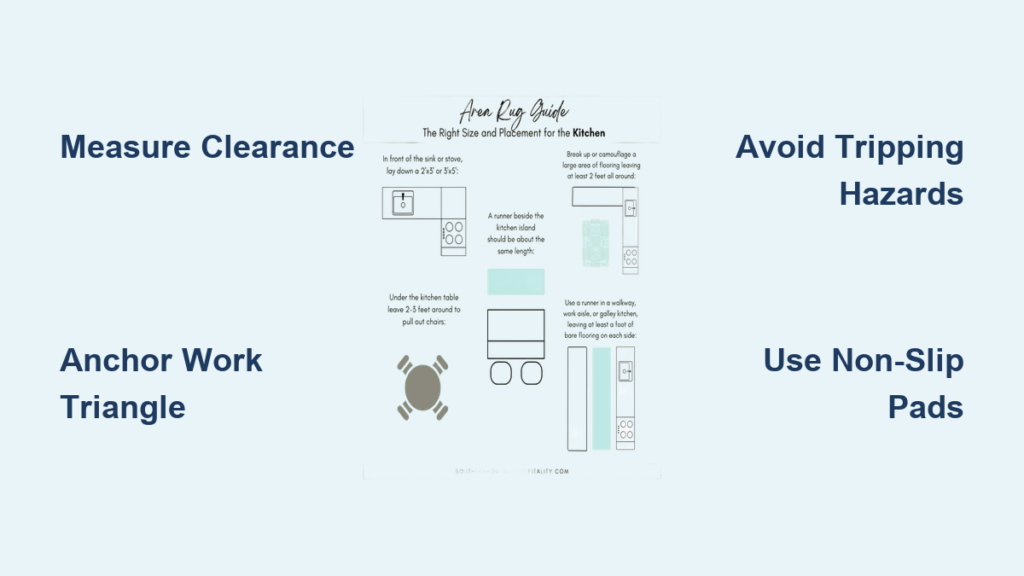
Your kitchen floor takes a beating from constant foot traffic, dropped utensils, and inevitable spills, yet many homeowners overlook how strategic rug placement can transform this hard-working space into something both functional and beautiful. When you learn how to place rugs in kitchen environments correctly, you gain cushioning for your feet during meal prep, protection for your flooring, and an opportunity to infuse personality into one of your home’s most utilitarian rooms. The wrong rug placement creates dangerous tripping hazards, interferes with cabinet doors, and makes your kitchen feel cluttered rather than cohesive. This guide reveals exactly where to position rugs in your kitchen to maximize safety, functionality, and style—without creating the common pitfalls that send most homeowners rushing to pull up their floor coverings within weeks.
Before you buy a single rug, measure your kitchen’s traffic patterns and appliance clearances to avoid the most common placement mistake: blocking cabinet doors and appliances. Kitchens present unique spatial challenges that living rooms and bedrooms don’t face—refrigerator doors need clearance to open fully, dishwasher compartments require space for loading, and cabinet doors swing outward into the room. Grab your tape measure and map out these critical zones: mark 24-36 inches in front of your refrigerator (especially bottom-freezer models), 18 inches in front of your dishwasher, and 24-36 inches in front of any outward-swinging cabinet doors. Use painter’s tape to outline these zones on your floor—this visual guide prevents the frustration of purchasing a rug that blocks your kitchen’s functionality. For standard kitchen layouts, keep these measurements handy: 3×5 feet works for small prep zones, 5×8 feet fits most breakfast nooks, and 2×8 feet serves as the ideal runner size for galley kitchens.
Anchor Your Kitchen Work Triangle with Strategic Rug Placement
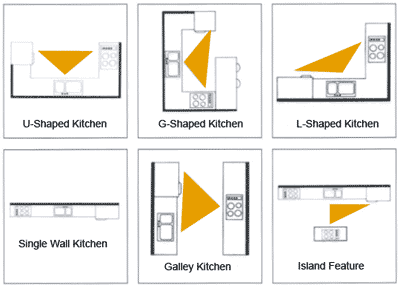
The kitchen work triangle—connecting your sink, stove, and refrigerator—demands rugs that provide cushioning without compromising safety during food preparation. Position a 4×6 or 5×8 foot rug centered in this zone, ensuring it extends at least 24 inches beyond your stove and sink fronts to give you ample standing room. Avoid placing rugs directly against appliance fronts; maintain 12-18 inches of clearance between your stove and rug edge to prevent heat exposure and allow space for retrieving dropped items safely. If your kitchen features an island as a primary prep surface, treat it as its own zone with a rug sized to fit the island’s footprint plus 6-12 inches of border space on all sides—this creates a defined workspace that doesn’t interfere with chair movement or traffic flow.
What to Do When Cabinets Block Rug Placement
When outward-swinging cabinet doors intersect with your ideal rug placement, prioritize functionality over aesthetics. Never trim rugs to fit around cabinet legs or door swings—this creates uneven edges that become tripping hazards. Instead, position rugs to sit completely behind the cabinet’s swing radius, ensuring doors open fully without contacting the rug edge. For base cabinets with doors that swing outward, measure the full arc of the door swing (typically 90-180 degrees) and place your rug at least 6 inches beyond this arc. If space constraints prevent proper clearance, consider using smaller 2×3 foot accent rugs only in areas where cabinet doors don’t swing—such as beside the sink rather than directly in front of it.
Optimize Rug Positioning Near Sinks and Dishwashers
Rugs placed near water sources require special positioning considerations to prevent moisture-related hazards. Position sink-area rugs to the side rather than directly in front of the sink basin, creating a dry standing zone that minimizes water exposure while still providing comfort. For dishwashers, maintain at least 18 inches of clearance in front of the appliance to prevent rug interference during loading and unloading—thick rugs can prevent dishwasher doors from seating properly, triggering safety sensors that stop operation. Choose low-profile rugs (under 1/2 inch thick) for these moisture-prone zones to avoid creating obstacles that impede appliance function.
Prevent Tripping Hazards with Proper Rug Sizing and Positioning
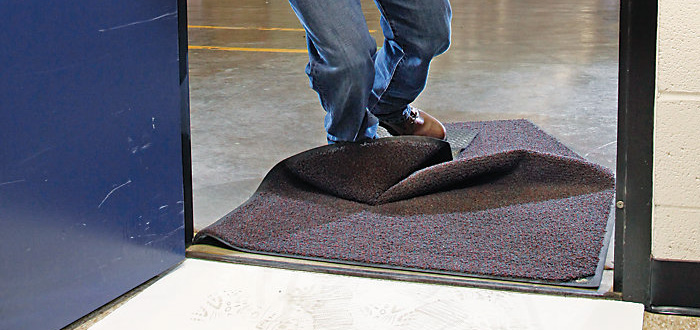
Most kitchen rug accidents occur because homeowners place rugs that are too large for the space or fail to secure them properly against high-traffic movement. Select rug sizes based on your kitchen’s actual usable space rather than aesthetic appeal alone—rugs that extend into walkways create dangerous tripping points where people transition between kitchen zones. In galley kitchens with two parallel countertops, use a single runner rug (2×8 feet) centered in the walkway rather than multiple small rugs that create uneven footing. For open-concept kitchens, ensure large area rugs maintain at least 12-18 inches of visible flooring between the rug edge and any walls or fixed elements—this framing technique prevents the rug from feeling like an obstacle in the room.
Choose the Right Rug Thickness for Your Kitchen Layout
Rug thickness directly impacts safety and functionality in kitchen environments. High-traffic walkways demand flat-weave or low-pile rugs (under 1/2 inch thick) that lie flush with your flooring and won’t catch on cabinet doors or appliance edges. Thicker plush rugs (over 1 inch) work only in low-traffic zones like breakfast nooks where foot traffic is minimal and chair movement won’t create tripping hazards. Test potential rug thickness by placing sample pieces in your kitchen and walking over them while opening nearby cabinet doors—you’ll immediately feel if the thickness creates an obstacle in your workflow.
Secure Every Kitchen Rug with Professional-Grade Non-Slip Solutions
No kitchen rug belongs on your floor without proper anchoring—period. Rubber-backed rugs alone aren’t sufficient for kitchen safety; always use additional non-slip rug pads cut precisely to your rug’s dimensions. Choose pads with a felt top layer and rubber bottom for optimal grip without damaging your flooring. For high-moisture zones near sinks, select marine-grade non-slip pads designed to maintain grip when wet. Inspect your rug anchoring weekly by placing one foot on the rug and gently tugging the edge—if the rug moves more than 1/4 inch, reinforce the anchoring immediately. This simple maintenance prevents the most common kitchen rug accidents before they happen.
Create Visual Harmony with Zone-Specific Rug Placement
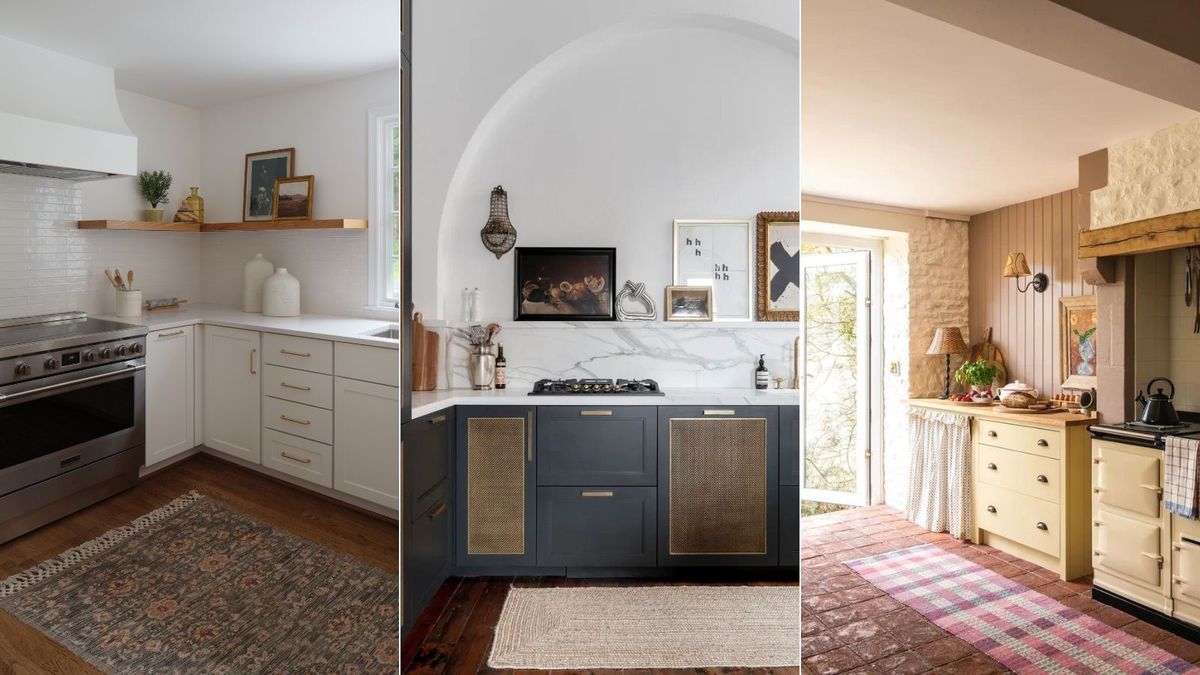
Strategic rug placement defines functional areas within your kitchen while enhancing the overall design aesthetic. Position rugs to create intentional zones that serve specific purposes: a 3×5 foot rug under your breakfast table anchors the dining area, a 2×8 foot runner defines the primary walkway in galley kitchens, and a 4×6 foot rug in front of your sink creates a dedicated prep zone. Avoid the common mistake of placing multiple small rugs that fragment your kitchen into disconnected islands—instead, use consistent styling across zones with rugs from the same color family or pattern style. Leave intentional gaps of at least 12 inches between separate rugs to allow your flooring to contribute to the design rather than appearing as accidental spacing.
Coordinate Rug Colors with Existing Kitchen Elements
Draw colors from your backsplash, cabinet hardware, or countertop accents to create visual continuity through your rug choices. Neutral kitchens benefit from rugs that introduce subtle color variation—warm beige tones, soft grays, or muted greens—while colorful kitchens might call for rugs in complementary shades that reinforce your existing palette. Position patterned rugs so their dominant colors align with nearby kitchen elements; for example, place a rug with blue accents near stainless steel appliances to create visual harmony between cool tones. Never position rugs in colors that clash with your kitchen’s dominant scheme—this creates visual discord that makes the space feel chaotic rather than intentional.
Test and Refine Your Rug Placement Before Finalizing
Never commit to permanent rug placement without a two-week trial period. Position your rugs temporarily using painter’s tape to mark their outlines, then live with this configuration during your normal cooking and cleaning routines. Pay special attention to how rugs interact with your daily movements: do cabinet doors catch on edges? Do you instinctively step around the rug rather than onto it? Does the placement create awkward transitions between zones? After your trial period, adjust positioning based on real-world use rather than theoretical planning. This testing phase reveals placement issues that measurements alone can’t anticipate, ensuring your final rug configuration supports rather than hinders your kitchen workflow.
Maintain Your Kitchen Rugs Based on Placement Location
Rugs positioned in high-exposure zones require maintenance routines tailored to their specific location. Cooking zone rugs need weekly vacuuming and immediate spot treatment for grease splatters—position these rugs where you can easily lift and shake them outdoors. Sink-area rugs demand moisture management: alternate between two rugs to allow each to dry completely between uses, preventing mold and mildew growth. Dining zone rugs accumulate crumbs that require regular vacuuming; position them where chairs can be pulled back fully without catching on edges. Establish a cleaning schedule based on each rug’s placement—cooking zone rugs need deep cleaning monthly, while dining area rugs can go 2-3 months between thorough cleanings.
When you master how to place rugs in kitchen environments correctly, you transform your hard-working space into something both functional and beautiful. The right rug placement provides comfort underfoot during meal prep, protects your flooring from wear, and adds personality to an otherwise utilitarian room—all without creating tripping hazards or interfering with daily functions. Remember to prioritize safety through proper anchoring and clearance measurements, select appropriate sizes for each zone, and maintain your rugs according to their specific placement. By following these strategic placement guidelines, your kitchen rugs will enhance rather than hinder your daily routine, proving that thoughtful floor covering can be both practical and stylish in even the busiest room of your home.