Your dated Formica countertops have seen better days, but replacing them could cost thousands. Learning how to paint Formica kitchen countertops gives you a budget-friendly alternative that delivers stunning results without the demolition, dust, and expense of full replacement. This sleek, non-porous surface actually accepts paint exceptionally well when properly prepared, allowing you to transform that 1980s speckled beige into a modern matte black or crisp white in just a weekend. Whether you’re prepping your home for sale, updating a rental property, or simply want a fresh kitchen look, mastering this process unlocks dramatic transformation for less than $50.
Most homeowners don’t realize that Formica Corporation itself officially endorses painting as a legitimate method for refreshing worn laminate surfaces. The key difference between a paint job that lasts years versus one that peels within months lies entirely in your preparation technique and product selection. Skip the critical sanding step or use the wrong primer, and you’ll be scraping off failed paint before summer. But follow these proven methods, and you’ll enjoy beautiful, functional countertops that withstand daily kitchen use.
Why Painting Beats Replacement for Budget-Conscious Homeowners
Choosing to paint Formica countertops instead of replacing them makes financial sense for most homeowners, with dramatic cost differences that can’t be ignored. Complete countertop replacement typically costs between $1,500 and $4,000 depending on your kitchen size, while quality painting materials run just $30-$50 for paints, primers, and sealers. Even professional refinishing services cost only $300-$600—significantly less than new countertops.
The time savings prove equally compelling. A competent DIYer can complete the entire painting process over a single weekend, with just one additional week for proper curing before regular use. Full countertop replacement, by contrast, often requires weeks of planning, demolition, and installation. For homeowners planning to move within 1-2 years, painted countertops provide exactly the aesthetic improvement needed to boost sale value without committing to permanent renovation decisions.
Before starting, conduct a thorough assessment of your countertop condition. Press firmly along edges, near the backsplash, and around the sink—any movement indicates bonding failure that paint cannot fix. Since laminate can’t be re-laminated, severely damaged sections require replacement rather than cosmetic enhancement. Solid, well-bonded Formica with minor scratches or discoloration makes the perfect candidate for this transformation.
Epoxy Paint: The Only Choice That Guarantees Long-Lasting Results
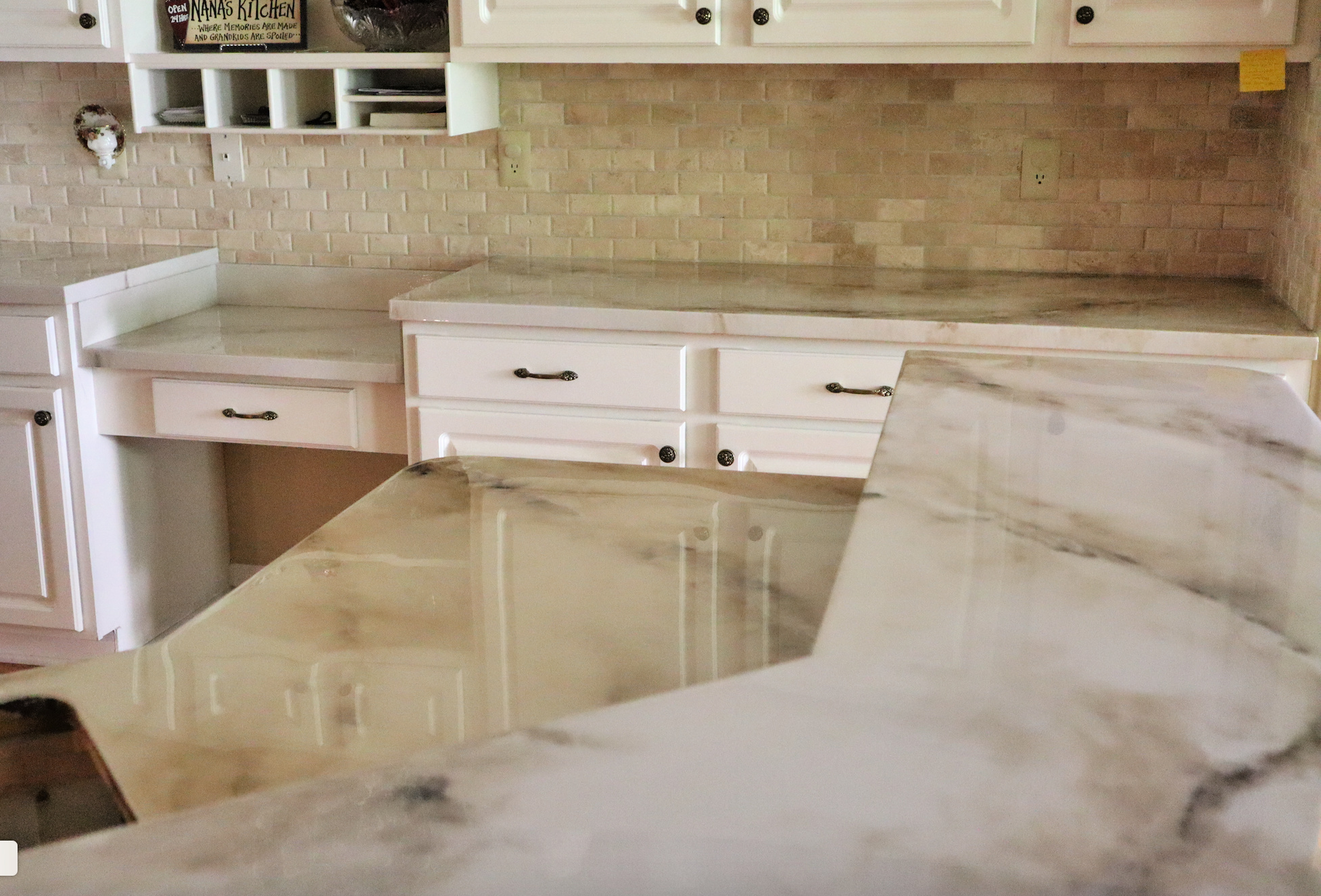
When learning how to paint Formica kitchen countertops, selecting the right paint type determines whether your project lasts years or months. Epoxy-based paint stands as the undisputed champion for this application, creating a hard, durable surface that chemically bonds to properly prepared laminate. Unlike standard paints that merely sit on top of the slick surface, epoxy penetrates microscopic pores created during sanding for permanent adhesion.
Avoid these common paint mistakes:
– Using standard latex wall paint without proper bonding primer
– Choosing lacquer paints that chip easily under kitchen use
– Skipping the sealer coat (this is non-negotiable for kitchen surfaces)
Polyurethane paint serves as a capable alternative when epoxy isn’t available, offering good durability with slightly easier application. Specialty products like Rustoleum Countertop Refinishing Kit simplify the process with their all-in-one formula, though they limit your color options. Whatever you choose, verify the product’s expiration date—epoxy paints that have exceeded shelf life often fail to cure properly, leaving sticky surfaces that ruin your project.
Essential Tools That Make the Difference Between Success and Failure

Gathering the right supplies before starting prevents frustrating mid-project trips to the hardware store and ensures professional-quality results. Beyond paint and primer, these specific tools directly impact your final outcome:
Critical preparation tools:
– Orbital sander with 220-240 grit sandpaper (hand sanding creates uneven results)
– Acetone or rubbing alcohol for deep cleaning
– Microfiber cloths (paper towels leave fibers behind)
– Shop vacuum with brush attachment
– Tack cloth for final dust removal
Application essentials:
– High-density foam roller (standard rollers leave texture)
– Small angled brush for edges and fixtures
– Paintable silicone caulk for sink seams
– Painter’s tape for protecting backsplashes
Skip the orbital sander at your peril—this single tool creates the uniform surface profile that ensures paint adhesion across your entire countertop. Investing $30 in a basic orbital sander pays dividends in durability that far outweighs the cost of replacement paint jobs from failed attempts.
Deep Cleaning and Sanding: The Make-or-Break Preparation Phase
Thorough preparation determines 90% of your project’s success when painting Formica kitchen countertops. Rushing this phase virtually guarantees premature failure, while patient execution creates surfaces that hold paint for years.
Eliminate Invisible Contaminants with Proper Deep Cleaning
Begin with a light cleaning using dish soap and a microfiber cloth, then switch to acetone or rubbing alcohol for deep cleaning. Work in circular motions across the entire surface, using a nylon brush for stubborn greasy areas near cooking zones. This step removes the invisible layer of cooking oils and residues that prevent proper adhesion. Rinse with clean water and allow to dry completely—any residual cleaner will cause fish-eyeing in your finished paint job.
Create the Perfect Surface Profile with Proper Sanding
Using your orbital sander with 220-grit paper, lightly scuff the entire surface with even pressure. Let the sander’s weight do the work—pressing too hard creates uneven spots. The goal isn’t to remove material but to create microscopic scratches that give paint something to grip. Pay special attention to edges and areas around fixtures where the sander may be awkward to maneuver.
Remove Every Trace of Dust Before Priming
After sanding, vacuum thoroughly with a shop vacuum and brush attachment, then follow with tack cloth. Wipe gently without pressing hard—tack cloth contains beeswax that can gum your surface if applied too aggressively. Any remaining dust particles will create bumps in your finished paint job that ruin the smooth appearance.
Primer Application: The Secret Weapon for Lasting Adhesion
Primer creates the chemical bridge between your laminate and paint that determines long-term durability. Zinsser Bulls Eye 1-2-3 Bonding Primer outperforms standard primers on smooth surfaces, with specialized agents that grip non-porous substrates.
Apply primer with your foam roller in long, even strokes, using a small brush for edges and corners. Maintain a wet edge by always painting into the area you just finished to avoid lap marks. Allow full drying time as specified by the manufacturer—typically 2-4 hours—before applying paint. Cutting corners here by applying paint too soon creates soft, vulnerable finishes that peel under minimal use.
Painting Techniques That Deliver Professional Results
When applying paint to your Formica countertops, use multiple thin coats rather than fewer thick ones. Thick coats dry unevenly, show brush marks, and are prone to peeling. Apply paint with your foam roller in small 3-4 square foot sections, maintaining a wet edge throughout.
Allow each coat to dry completely—typically 4-6 hours—before applying the next. Most projects require 2-3 paint coats for optimal coverage and durability. Pay special attention to areas around sinks and fixtures, using your small brush for precise application. Remove fixtures if possible; otherwise, protect them thoroughly with painter’s tape.
Sealing for Maximum Protection Against Kitchen Wear and Tear
A proper topcoat sealer protects your paint job from water damage, scratches, and daily kitchen wear. Apply at least three thin coats of food-safe polyurethane sealer, allowing complete drying between coats. Pay special attention to sink areas where water exposure creates the greatest risk—these zones benefit from an extra sealer coat.
Critical curing timeline:
– 24 hours: Light use only (no water exposure)
– 72 hours: Normal dry use (no heavy objects)
– 7 days: Light cleaning with damp cloth
– 14 days: Full kitchen use with proper maintenance
Avoid These Costly Painting Mistakes That Ruin Results
Most failed countertop painting projects stem from three preventable errors. First, skipping proper sanding creates surfaces that repel paint regardless of product quality. Second, using non-paintable silicone around sinks causes immediate peeling in those critical areas. Third, rushing the curing process by placing items on fresh paint leaves permanent impressions that compromise both appearance and durability.
For best results when learning how to paint Formica kitchen countertops, invest proper time in preparation, use epoxy-based products designed for non-porous surfaces, and respect the full curing timeline. The extra days of patience pay off in years of beautiful, functional countertops that transform your kitchen’s appearance without breaking the bank.
Painted Formica countertops, when properly executed, typically last 2-3 years with good care before requiring touch-up. Well-maintained surfaces in lower-traffic areas may extend to five years. By following these proven methods, you’ll enjoy a dramatically updated kitchen that feels fresh and modern—all without the cost and disruption of full replacement.