Nothing ruins a camping trip faster than a disorganized cooking area where utensils roll into the dirt and ingredients blow away in the wind. Learning how to make a camp kitchen transforms your outdoor cooking experience from chaotic to controlled, whether you’re a weekend warrior or a full-time overlander. A well-designed camp kitchen keeps your food safe from wildlife, prevents cross-contamination, and makes meal prep efficient even in challenging conditions. This guide shows you exactly how to make a camp kitchen that fits your specific needs, budget, and camping style—without breaking the bank on commercial solutions that often lack customization.
Plan Your Custom Camp Kitchen Design Before Building
Before cutting any materials, sketch a design that matches your actual camping needs rather than building something generic that won’t serve you well. Consider whether you’re a solo backpacker needing ultralight gear, a family camper with vehicle access, or an overlander with space constraints in your rig. Measure your existing stove, cookware, and food containers to ensure your kitchen accommodates everything without wasted space. Determine the ideal height—standing height (36-40 inches) works best for most vehicle-based campers, while lower setups (24-30 inches) suit ground-tent campers using portable stoves. Sketch multiple configurations with storage compartments precisely sized for your gear, remembering that every inch of space matters when packing for the trail.
Choose the Right Materials for Weather Resistance and Durability

Your material selection directly impacts your camp kitchen’s longevity, weight, and performance in different conditions. Exterior-grade plywood (1/2″ to 3/4″ thickness) offers the best balance of strength, workability, and cost for most DIY camp kitchens—marine plywood costs more but withstands moisture far better. Aluminum sheeting (1/8″ thickness) makes excellent windscreens and lightweight shelves but requires special tools for cutting and drilling. For the work surface where food prep happens, consider HDPE plastic (1/4″ thickness) which resists stains, won’t harbor bacteria, and requires no sealing—though it costs more than plywood. Avoid particle board or MDF at all costs; these materials swell and disintegrate when exposed to even minimal moisture.
Gather Essential Tools and Hardware for Assembly
You don’t need a full workshop to build a functional camp kitchen—most required tools are common household items. Start with these essentials:
- Circular saw or hand saw with fine-tooth blade for clean cuts
- Drill/driver with assorted drill bits and screwdriver bits
- Measuring tape, carpenter’s square, and pencil for precise layout
- Sandpaper (80-220 grit) or orbital sander for smoothing edges
- Clamps to hold pieces during assembly
For hardware, focus on weather-resistant options:
– Stainless steel or coated exterior screws (1-1/4″ and 2″ lengths)
– Piano hinges for folding components that won’t rust
– Rubber feet or non-slip pads for stability on uneven surfaces
– Bungee cords or cam straps for secure transport
Build a Sturdy Frame That Won’t Wobble During Cooking
Your camp kitchen’s stability depends entirely on a properly constructed frame—wobbly surfaces make cooking dangerous and frustrating. Start by cutting four vertical supports from 1″x2″ exterior lumber to your desired height (typically 36″ for standing height). Cut two top rails and two bottom rails to your planned width (usually 24-30″). Assemble the frame using the “pocket hole” method for maximum strength: drill angled holes in the rails, then secure them to the vertical posts with 2″ exterior screws. Before final assembly, dry-fit all pieces and check for square by measuring diagonally corner-to-corner—both measurements must be identical. Add cross-bracing between the bottom rails if you’ll be placing heavy items like coolers on your kitchen.
Create a Functional Work Surface That Handles Real-World Use
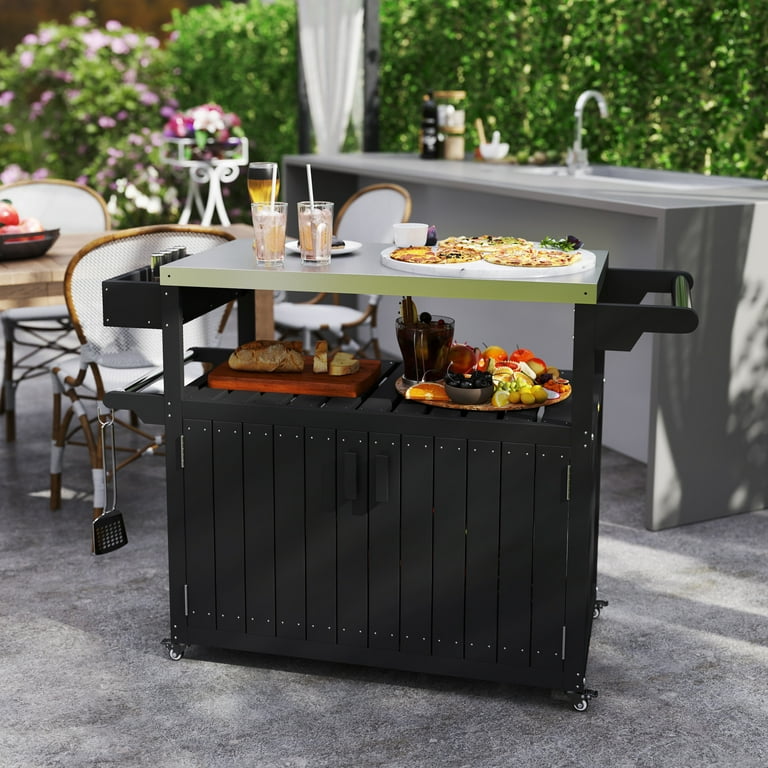
Your work surface must withstand heat, moisture, and constant use while providing enough space for meal prep. Cut your plywood or HDPE sheet to size with a 1-2″ overhang on all sides to catch spills and prevent items from sliding off. For plywood surfaces, apply three coats of food-safe mineral oil or marine spar urethane, allowing 24 hours drying time between coats—this creates a water-resistant barrier while maintaining a natural look. If using HDPE, simply sand any rough edges with 220-grit paper. Add a 1-2″ tall backsplash along the rear edge by attaching a narrow strip of material with waterproof glue and screws—this prevents water runoff from soaking into storage compartments below. Position your stove cutout (if applicable) toward the front edge for better wind protection and easier access.
Install Smart Storage Solutions That Prevent Gear Loss

Effective storage separates functional camp kitchens from simple tables. Create dedicated compartments sized precisely for your gear rather than using generic bins that waste space. Build simple slide-out trays from 1/4″ plywood and drawer slides for spices and small utensils—these stay put during travel but pull out smoothly when cooking. Attach heavy-duty mesh pockets to the sides or interior for dish towels, sponges, and biodegradable soap that need to dry between uses. Install screw eyes along the front edge to hang frequently used utensils within easy reach. For trash management, mount a collapsible bucket with a lid to the side—this keeps food scraps contained and away from wildlife. Pro tip: Label each storage compartment with waterproof labels so you can find items quickly, even in low light.
Apply Proper Finishing and Sealing for Long-Term Protection
Skipping proper finishing guarantees your camp kitchen will deteriorate rapidly from moisture exposure. For wooden components, apply a complete seal to all surfaces—including edges and end grain where moisture penetrates most easily. Use a roller for large surfaces and a small brush for corners and edges, working with the wood grain. Allow each coat to dry completely (follow manufacturer’s instructions) before applying the next—most sealants require 24-48 hours between coats. Pay special attention to joints and screw holes where water can seep into the wood. For added protection in rainy climates, apply a bead of clear silicone caulk along all seams and joints before the final coat. After sealing, attach all hardware and give the entire structure a final light sanding with 220-grit paper to remove any raised wood fibers.
Maintain Your Camp Kitchen for Years of Trouble-Free Use
Your camp kitchen’s lifespan depends on proper care between trips. After each use, clean all surfaces thoroughly with mild soap and water—never leave food residue that attracts insects or rodents. Remove all gear and allow the structure to air dry completely before storage, as trapped moisture causes mold and warping. Inspect all hardware monthly for signs of corrosion or loosening, especially if you camp near saltwater. Reapply sealant whenever water stops beading on wood surfaces—typically once per season with regular use. Store your camp kitchen disassembled in a dry, climate-controlled space when not in use; prolonged exposure to temperature extremes and humidity fluctuations damages even well-sealed wood. Before your next trip, perform a quick “shake test” to ensure all components remain tight and stable—loose joints compromise safety during cooking.
Final Thoughts: Your Custom Camp Kitchen Awaits
Learning how to make a camp kitchen puts you in control of creating an outdoor cooking station perfectly matched to your needs, rather than compromising with commercial options that rarely fit anyone’s specific requirements. Start simple with basic materials and expand your design as you discover what works best for your camping style—your first version doesn’t need to be perfect. The true value of a DIY camp kitchen reveals itself when you’re cooking comfortably in challenging conditions, with everything you need organized and within reach. As you build and refine your camp kitchen, you’re not just creating a functional tool—you’re investing in more enjoyable, stress-free outdoor experiences that will create memories for years to come. With proper construction and care, your homemade camp kitchen will serve you reliably trip after trip, paying back your initial effort many times over in camping enjoyment.