Your kitchen sink handles more daily abuse than nearly any other household fixture, enduring everything from food scraps and grease to harsh cleaning chemicals. Without proper maintenance, even the most beautiful sink can quickly develop stubborn water spots, limescale buildup, and unsightly stains that make your entire kitchen look neglected. Learning how to maintain kitchen sink properly isn’t just about appearances—it’s crucial for preventing bacterial growth, ensuring proper drainage, and protecting your investment. This guide delivers practical, actionable techniques you can implement immediately to keep your sink looking pristine while extending its functional lifespan for years to come.
Most homeowners only address sink problems when they become impossible to ignore, but the real secret lies in consistent, simple daily habits that take mere moments yet deliver dramatic long-term results. Whether you have stainless steel, composite granite, or ceramic, implementing these maintenance strategies transforms sink care from a dreaded chore into an effortless routine that preserves both functionality and aesthetics. By following these proven methods, you’ll avoid the common pitfalls that lead to premature sink deterioration and costly replacements.
Daily Cleaning Habits That Prevent Major Problems
The foundation of effective kitchen sink maintenance starts with what you do after every single use. Immediately rinsing your sink with warm water removes food particles and grease residues that harden over time, creating stubborn buildup that requires intensive cleaning later. This simple step takes less than 30 seconds but prevents hours of difficult scrubbing down the road. Pay special attention to the faucet and handles where water droplets collect and evaporate, leaving mineral deposits that create unsightly spots.
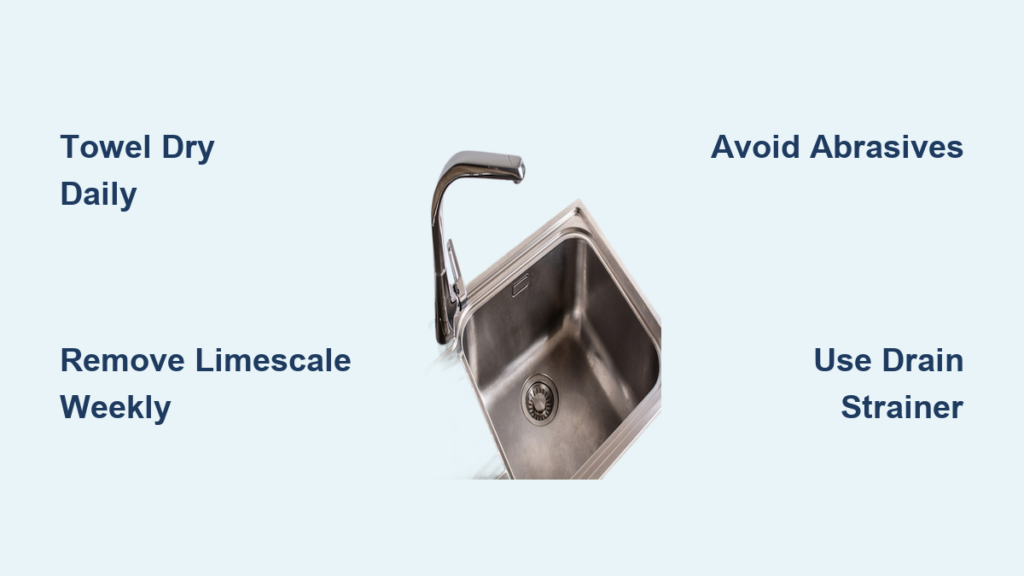
Towel drying after each use represents the single most impactful maintenance habit you can adopt. Using a soft, clean cloth to wipe all surfaces dry prevents mineral deposits from establishing themselves on your sink. This practice also creates an environment inhospitable to bacterial growth since moisture promotes microorganism multiplication that leads to unpleasant odors. Many homeowners skip this step, yet it delivers better results than any weekly deep cleaning ritual. Make towel drying part of your kitchen cleanup routine, and you’ll notice your sink stays cleaner between intensive cleaning sessions.
Why Water Spots Form and How to Stop Them Immediately
Water spots develop when mineral-rich water evaporates on surfaces, leaving behind calcium and magnesium deposits that gradually accumulate into visible stains. These deposits create the cloudy, dull appearance that makes sinks look neglected even when technically clean. The solution isn’t just removing existing spots but preventing them from forming in the first place.
For immediate prevention, always dry your sink thoroughly after use with a microfiber cloth that captures moisture effectively without scratching surfaces. In hard water areas, consider installing a water softener to reduce mineral content in your supply, making daily maintenance significantly easier. Weekly applications of limescale removers specifically designed for kitchen sinks prevent mineral deposits from building up to problematic levels. These treatments work best when applied consistently rather than waiting for visible buildup to develop.
Remove Limescale Before It Causes Permanent Damage

Most stubborn stains on kitchen sinks actually begin as discoloration that adheres to existing limescale deposits rather than directly to the sink surface. This critical understanding reveals that effective stain prevention requires addressing the underlying mineral buildup, not just treating surface discoloration. When limescale accumulates, it creates a rough, porous surface that traps food particles, dyes, and other materials that cause visible staining.
Weekly Limescale Treatment Protocol
Implement a dedicated weekly treatment schedule using specialized cleaning formulations designed for kitchen surfaces. Apply these treatments according to product instructions, allowing adequate contact time for the active ingredients to dissolve mineral deposits before rinsing thoroughly. Consistent weekly treatment maintains your sink’s original luster and prevents gradual dulling from unchecked limescale buildup.
Critical mistake to avoid: Never use vinegar or lemon juice for extended periods on certain sink materials, as the acidity can damage finishes over time. Instead, opt for pH-balanced limescale removers specifically formulated for kitchen sinks. For stubborn deposits, create a paste of baking soda and water, apply it to affected areas, let it sit for 15 minutes, then gently scrub with a soft cloth before rinsing.
Protect Your Sink from Everyday Damage

Protecting your sink from damage requires awareness of activities that can scratch, chip, or degrade surfaces over time. Never drop sharp objects directly into the basin, as impact can crack even durable materials, creating areas where bacteria can accumulate. Your sink should never serve as a cutting board—knife blades leave permanent scratches that create textured surfaces resistant to cleaning. Similarly, avoid conducting painting projects over your sink, as paint splatters damage finishes and removal chemicals can corrode sink materials.
Material-Specific Protection Strategies
Modern sink materials offer varying levels of durability, but all benefit from proper protection:
- Stainless steel: Use a protective grid at the bottom to prevent scratches from pots and pans
- Composite granite: Avoid abrasive pads that can dull the surface over time
- Ceramic: Prevent thermal shock by avoiding sudden temperature changes
For all sink types, place a rubber mat or protective grid at the basin bottom to catch food particles and prevent direct contact between hard items and the sink surface. These simple additions significantly reduce scratch accumulation over time while making cleaning easier.
Clean According to Your Sink Material
Stainless Steel Sink Maintenance Routine
Stainless steel requires specific cleaning approaches to preserve its characteristic shine. Clean regularly with mild soap solutions followed by thorough rinsing and drying to maintain appearance. Avoid abrasive cleaners and scrubbing tools that leave microscopic scratches, dulling the finish over time and creating surfaces where deposits accumulate more readily.
For stubborn spots, work in the direction of the grain (usually visible on close inspection) using a soft cloth. A paste of baking soda and water often lifts deposits without damaging the finish. Periodic polishing with specialized stainless steel cleaners restores the reflective surface while adding a protective layer that repels water and reduces spotting.
Composite and Granite Sink Care

Composite sinks engineered from granite particles and polymers respond best to gentle, non-abrasive cleaners that won’t degrade the polymer binding. Avoid harsh chemicals, bleach, and ammonia-based cleaners, which can affect color stability over time. For limescale removal, use formulations specifically designed for composite materials.
The inherent durability of these materials means they resist many forms of damage affecting other sink types. When properly maintained, composite and granite sinks maintain their factory-fresh appearance with minimal effort, making them ideal for busy households.
Ceramic Sink Cleaning Protocol
Ceramic sinks demand careful cleaning to protect the glazed surface. Harsh abrasive cleaners and rough scrubbing tools can scratch or dull the protective glaze, creating areas where stains penetrate permanently. Clean regularly with mild, non-abrasive formulations to maintain the glossy surface.
Address any staining immediately, as early intervention prevents issues from becoming established. For stubborn stains, a paste of baking soda and water applied gently often lifts deposits without damaging the glaze. Avoid exposing ceramic sinks to extreme temperature changes that can cause cracking.
Weekly Maintenance Schedule for Long-Term Results
Integrating daily, weekly, and periodic practices creates a comprehensive maintenance routine that requires minimal time but delivers maximum results. Daily towel drying prevents water spots and bacterial growth with minimal time investment. Weekly limescale treatment removes mineral deposits before they cause staining. Monthly inspections identify developing issues before they become serious problems.
This tiered approach distributes maintenance workload rather than concentrating it into intensive cleaning sessions that many homeowners skip. The daily tasks take seconds, weekly treatments require just minutes, and monthly inspections integrate naturally with other household routines. By making sink care consistent rather than occasional, you maintain better results with less total effort while significantly extending your sink’s lifespan.
Extend Your Sink’s Lifespan with Proactive Care
The ultimate goal of proper kitchen sink maintenance extends beyond daily appearance to protecting your investment long-term. Sinks represent a significant kitchen expense, and replacing them involves not just the fixture cost but also demolition, installation, and potential cabinet modifications. Most sinks fail prematurely due to neglected maintenance rather than manufacturing defects.
Three additional habits maximize sink longevity:
– Run hot water through drains regularly to prevent grease accumulation
– Use drain strainers to catch food particles before they enter plumbing
– Address small issues like loose fixtures or minor scratches immediately
By dedicating just minutes each day to basic maintenance and incorporating weekly tasks into your routine, you protect your kitchen sink investment while maintaining a hygienic, attractive kitchen environment. The modest time investment delivers substantial returns in extended sink lifespan, reduced repair needs, and sustained visual appeal that enhances your entire kitchen. Start implementing these practices today and enjoy a pristine, functional sink for years to come.