Countertops rarely arrive as single continuous slabs, especially in L-shaped or U-shaped kitchens where multiple sections must connect flawlessly. When your new kitchen countertops develop visible seams, water damage, or separation within months, the join method is usually to blame. Knowing how to join kitchen countertops properly separates DIY successes from expensive disasters—whether you’re installing budget laminate or premium granite. Most homeowners underestimate how critical these connections are until they face swollen edges, cracked seams, or worse: hidden mold growth beneath failing joints.
The right joining technique creates invisible seams that withstand daily kitchen abuse while protecting your investment. This guide reveals the exact methods professionals use for every countertop material, from the router jig setup for mitered corners to the color-matched epoxy formulas that make stone seams disappear. You’ll learn which joints work for DIYers versus when to call specialists, plus the five critical mistakes that ruin even expensive installations. By the end, you’ll understand exactly how to create joints that look seamless and last decades.
Why Countertop Joints Fail (and How to Prevent It)
Countertop joints fail primarily due to moisture infiltration, inadequate support, or ignoring material movement—problems that often surface within the first year but originate during installation.
Water Damage at Countertop Seams
Water follows the path of least resistance, and poorly sealed joints provide direct entry to cabinetry beneath. Laminate countertops swell at seams when moisture penetrates particleboard cores, while wood countertops develop cracks from trapped moisture. Stone countertops suffer less structural damage but develop visible discoloration along failed epoxy seams. Prevent this by applying waterproof construction adhesive in a continuous bead along both joining surfaces and sealing all visible edges with food-safe silicone.
Structural Support Mistakes
Base cabinets that aren’t properly secured to each other or the wall create movement that stresses joints over time. Overhangs beyond 200mm without support brackets cause sagging that pulls seams apart. The solution? Secure all cabinet base units together with cross-bracing before countertop installation and install support corbels every 36 inches for extended overhangs. Test stability by pressing down on countertop edges—any flex indicates inadequate support.
Mason’s Miter Joint: Creating Seamless L-Shaped Corners
The Mason’s Miter Joint is the professional standard for laminate countertops at L-shaped corners, creating a continuous edge that appears as one molded piece.
Executing Perfect 45-Degree Corner Cuts
This technique requires a router jig that guides precise 45-degree cuts on both pieces. Position the jig square to the countertop edge, then make slow, steady passes with a flush-trim bit. Verify angle accuracy with a precision square before joining—any deviation creates visible gaps. Apply waterproof adhesive to both mitered edges, then clamp pieces together using corner-specific clamps that maintain even pressure across the entire seam.
Why This Method Outperforms Simple Butt Joints
Mitered corners eliminate the vulnerable end-grain exposure of butt joints, reducing moisture penetration points. The continuous edge profile also prevents dirt accumulation in seam gaps. While requiring more skill and time than butt joints, mitered corners deliver premium aesthetics that justify the effort in visible kitchen areas.
Butt Joint Basics: Your Simplest Countertop Connection Method
Butt joints—where two straight edges meet—are the most accessible method for DIYers but require precision to avoid common pitfalls.
Achieving Flush Alignment on First Attempt
Misaligned edges create lippage (height differences) that catch utensils and look amateurish. Before applying adhesive, dry-fit pieces on cabinets and place a straightedge across the seam. Shim any gaps with cardboard scraps until both surfaces sit perfectly flush. Mark alignment points with pencil, then apply adhesive and reposition carefully. Use bar clamps across the seam to maintain alignment during curing.
Mechanical Reinforcement Secrets
Adhesive alone won’t prevent joint separation under stress. Drill counterbore holes through the countertop’s top surface near the seam, then install flipbolts that draw pieces together when tightened. Cover bolt heads with color-matched plugs for invisible reinforcement. For wood countertops, add biscuits along the seam for extra alignment stability during glue-up.
Bolt and Biscuit System: The Strongest Join for Heavy Countertops
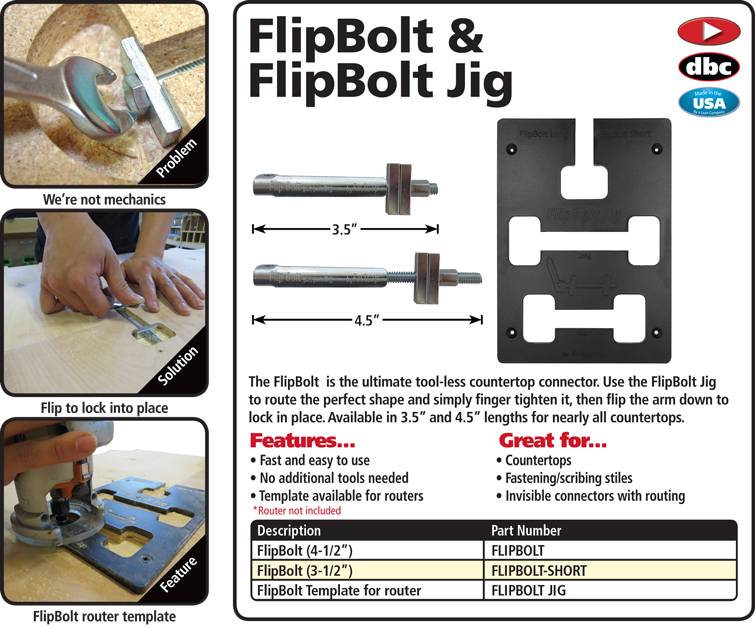
This professional method combines mechanical strength with perfect alignment—essential for heavy materials like quartz, granite, and solid wood.
Biscuit Alignment Process
Cut matching slots in both joining edges using a biscuit joiner set to the correct depth. Apply glue to slots and biscuits, then insert biscuits and slide pieces together. The biscuits act as alignment pins that prevent shifting during clamping. For long runs, space biscuits every 12 inches along the seam for consistent alignment.
Flipbolt Installation Technique
Drill precise 22mm holes through the countertop near the seam using a template guide. Insert flipbolt sleeves, then tighten the bolts with a hex key to draw pieces together. The hidden clamping action creates superior pressure compared to external clamps. After curing, fill bolt holes with color-matched epoxy for invisible reinforcement.
Wood Countertop Joining: Accommodating Natural Movement
Wood expands across the grain with humidity changes—ignoring this causes cracks, separation, or buckling within months.
Flexible Sealing Solutions
Standard wood glue restricts natural movement, causing stress fractures. Instead, use epoxy or resorcinol glue that accommodates expansion. Leave a slight gap (1/16 inch) at seams in dry winter months, filling with flexible polyurethane sealant. This compresses during humid summers without cracking.
Preventing Painted Surface Telegraphing
The Bondo technique solves visible seams on painted wood countertops: Grind a 1/4-inch trough along the seam using a Rotex sander, then fill with Bondo slightly above the surface. After curing, sand flush with a long block sander that spans the entire seam width. This creates a smooth transition that won’t telegraph through paint layers.
Five Critical Mistakes That Ruin Countertop Joints
Avoid these common errors that transform premium materials into expensive failures.
Rushing Edge Preparation
Joining surfaces must be perfectly square and clean—any deviation creates visible seams. Machine edges to the correct profile with a fine-tooth blade, then clean thoroughly with isopropyl alcohol before adhesive application. Test squareness with a precision carpenter’s square; even 1-degree errors create noticeable gaps.
Ignoring Material Acclimation
Stone and wood countertops must acclimate to installation environment for 48-72 hours before joining. Installing granite that’s been stored in cold conditions causes thermal contraction gaps as it warms. Wood countertops installed without acclimation develop cracks during seasonal humidity changes. Store materials flat in the installation room with proper ventilation before templating.
Strategic Joint Placement: Making Seams Disappear Visually
Smart positioning minimizes visual impact of necessary seams.
Hidden Location Opportunities
Place joints behind sink bases where faucet hardware partially obscures them, under cooktop cutouts where appliances cover seams, or near backsplash tiles that help camouflage transitions. Avoid centering seams in open counter runs where they become focal points. For L-shaped kitchens, position the corner joint slightly off-center toward the less visible side.
Sight Line Considerations
View your layout from typical standing positions—seams become less noticeable when they run parallel to your line of sight rather than perpendicular. Test placements by taping temporary seam markers on cabinets before final installation. Remember that joints appear more prominent when illuminated by direct overhead lighting.
Step-by-Step Countertop Joining Process: From Template to Finish
Follow this professional sequence for flawless results.
Precision Templating Techniques
Create templates from 1/4-inch template plastic using cabinet faces as references. Mark all cutout positions with precise measurements from wall corners—not from adjacent cabinets which may be misaligned. Transfer sink and cooktop cutouts to templates with full-scale drawings, including faucet hole positions. Verify all measurements twice before cutting countertop material.
Final Sealing Protocol
After adhesive cures, remove squeeze-out with appropriate solvents before it hardens. For stone countertops, polish the seam to match the surrounding finish using progressively finer abrasives. Apply a final bead of food-safe silicone along all visible seams, tooling it smooth with a damp finger. Wipe excess immediately with a lint-free cloth to prevent hazing.
When to Call a Professional for Countertop Installation
Certain situations demand professional expertise to protect your investment.
Material Complexity Thresholds
Natural stone installations require specialized tools most DIYers lack: diamond-tipped saw blades, epoxy mixing systems, and polishing equipment. Solid surface countertops need chemical bonding expertise—improper color matching creates permanent visible seams. If your material costs exceed $2,000, professional installation typically costs less than potential repair expenses from mistakes.
Layout Warning Signs
Multiple joints in complex configurations (U-shaped layouts, islands with peninsulas) increase error probability exponentially. Mitered corners on stone countertops require precision beyond most DIY capabilities. When joints must align perfectly with backsplash tiles or under-mount sinks, professional templating ensures seamless integration that DIY methods rarely achieve.
Properly joined countertops deliver decades of trouble-free service while poorly executed seams create ongoing headaches. By applying these professional techniques—matching methods to your specific material, avoiding critical mistakes, and knowing when to call specialists—you’ll achieve the seamless, durable kitchen surface you deserve. The extra time invested in perfect joints pays dividends every time you prepare meals on a flawless, worry-free surface.