
Installing a cast iron kitchen sink transforms your kitchen with unmatched durability and classic elegance. These heavy-duty sinks withstand decades of daily use while maintaining their beautiful enamel finish. While the installation process demands careful planning and physical effort due to the sink’s substantial weight (often exceeding 100 pounds), completing this project yourself saves hundreds of dollars compared to professional installation. This guide provides precise, step-by-step instructions to ensure your cast iron sink installation succeeds on the first try, avoiding common pitfalls that lead to leaks, damage, or improper drainage.
Before you begin, recognize that cast iron sinks require special handling considerations that lighter materials don’t. The enamel coating can chip if mishandled, and the sink’s weight demands robust cabinet reinforcement. Unlike stainless steel sinks that flex slightly, cast iron requires perfectly level, continuous support across its entire perimeter. With proper preparation and attention to detail, you’ll create an installation that functions flawlessly and looks professionally done.
Gather Essential Tools and Materials Before Starting
Avoid mid-project hardware store runs by assembling all necessary tools and materials before removing your old sink. Having everything ready prevents rushed decisions that compromise your installation quality.
Critical Tools You Must Have:
You’ll need an adjustable wrench set (8-12 inch range) for plumbing connections, both Phillips and flathead screwdrivers for mounting hardware, a utility knife with extra blades for cutting caulk, a 24-inch level to verify proper drainage slope, a tape measure with clear markings, and heavy-duty work gloves to protect your hands from sharp cabinet edges. For countertops requiring modification, include a jigsaw with metal-cutting blades and a drill with appropriate bits. Safety glasses are non-negotiable—flying debris during disassembly can cause serious eye injuries.
Materials Checklist for Success:
Beyond your new cast iron sink (which should include mounting hardware and drain assembly), gather 100% silicone sealant rated for kitchen use, plumber’s putty for drain connections, Teflon tape for threaded fittings, and wood shims for leveling. Purchase new flexible supply lines if yours show wear—braided stainless steel lines with 3/8-inch compression fittings work best. For drop-in sinks, have mounting clips ready; undermount installations require epoxy adhesive specifically formulated for cast iron sinks. Don’t forget expanding foam insulation for sealing gaps between sink and cabinet.
Prepare Your Workspace for Cast Iron Sink Installation
Proper preparation prevents 80% of installation problems, especially with heavy cast iron sinks where mistakes become costly quickly.
Shut Off Water Supply Correctly:
Locate shutoff valves beneath your existing sink and turn them clockwise until fully closed. Test by turning on the faucet—water should stop flowing within seconds. If valves leak or won’t close completely, shut off the main house supply before proceeding. Place a bucket under the P-trap to catch residual water, then loosen slip nuts to drain remaining water from the lines. Wrap old towels around connections to minimize spills during disconnection.
Disconnect Plumbing Safely:
Start with the drain assembly—place your bucket directly beneath the P-trap and loosen slip nuts counterclockwise using your adjustable wrench. Support the trap as you remove it to prevent pipe stress. Next, disconnect water supply lines from both shutoff valves and faucet connections. Use two wrenches when disconnecting: one to hold the valve stationary, the other to turn the supply line connection. Label hot and cold lines with colored tape to avoid mixing them up during reinstallation.
Remove the Old Sink Without Damage:
For drop-in sinks, locate mounting clips around the rim (typically 4-6) and remove them with a screwdriver. Carefully cut through the caulk seal between sink and countertop using your utility knife, keeping the blade angled away from the countertop surface. Lift straight up—never twist or rock the sink, which could damage cabinetry. For undermount sinks, support the sink from below while removing mounting hardware, then carefully lower it out. Enlist a helper for this step—cast iron sinks become extremely unwieldy when partially detached.
Clean and Inspect the Cabinet Thoroughly:
Scrape all old caulk and adhesive residue from the mounting surface using a plastic putty knife to avoid gouging wood. Inspect cabinet walls and floor for water damage, rot, or insect activity that requires repair before installation. Measure your cabinet opening against the new sink’s dimensions—cast iron sinks often require precise measurements with minimal clearance. Verify that your existing drain pipe aligns with the new sink’s position to avoid complex plumbing modifications.
Support and Position Your Cast Iron Sink Properly

Cast iron sinks demand exceptional support—improper installation causes cabinets to sag and creates stress points that lead to cracks.
Reinforce Cabinet Structure First:
Install 2×4 support rails across the cabinet interior at the height where the sink rim will rest. Position these rails so they contact the entire sink perimeter, not just corners. For double-bowl sinks, add cross-bracing beneath the divider to prevent flexing. Secure rails with 3-inch deck screws driven into cabinet side walls, checking with your level to ensure perfect alignment. The support system must bear the sink’s full weight without deflection.
Dry Fit Before Final Placement:
Position the sink in the opening without sealant to verify fit and level. Check across multiple axes with your level—the sink must sit perfectly horizontal for proper drainage. Identify any high spots where the sink rocks and mark them for shimming. Remove the sink and place wood shims at marked locations, testing repeatedly until the sink sits completely stable with no movement. This step prevents frustrating adjustments after sealant application.
Position the Sink Safely:
Enlist a strong helper—two people should handle the sink throughout installation. Position yourselves on opposite sides of the cabinet, lifting with your legs, not your back. Lower the sink straight down into position without sliding it across the countertop, which could chip the enamel. If using cardboard padding for protection, remove it immediately after placement to avoid trapping moisture. Verify the sink remains perfectly positioned before proceeding to mounting.
Secure the Sink and Create Watertight Seals
This critical phase determines whether your installation prevents water damage or causes costly cabinet rot over time.
Mount Drop-In Sinks Correctly:
Attach mounting clips to the sink underside following the manufacturer’s pattern. Tighten clips gradually in a star pattern—like lug nuts on a wheel—to distribute pressure evenly. Stop when clips are snug but not straining; overtightening cracks enamel. For added security, apply a bead of silicone sealant between the sink rim and countertop before final clip tightening, smoothing it with a wet finger for a professional finish.
Install Undermount Sinks Securely:
Clean the countertop mounting surface thoroughly with rubbing alcohol before applying epoxy adhesive. Apply manufacturer-recommended epoxy in a continuous 1/4-inch bead around the mounting area. Carefully position the sink, then secure with mounting brackets screwed into cabinet framing. Apply additional silicone sealant beneath the rim for waterproofing. Support the sink with temporary braces until the epoxy cures completely—typically 24 hours.
Seal All Critical Junctions:
Apply silicone sealant around the entire sink perimeter where it meets the countertop. For undermount sinks, also seal the transition between bowl and mounting flange. Use a caulk smoothing tool to create a uniform bead that won’t collect debris. Allow sealant to cure for at least 12 hours before connecting plumbing—rushing this step causes seal failures.
Connect Drain and Plumbing Components Without Leaks
Proper plumbing connections prevent the slow leaks that cause catastrophic cabinet damage over time.
Install the Drain Assembly Perfectly:
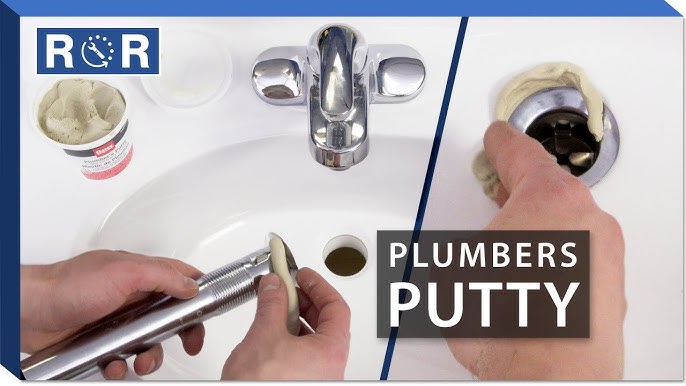
Roll plumber’s putty into a 1/4-inch rope and place it around the strainer basket flange. Insert the basket through the drain hole and press firmly to seat it. From beneath, install the rubber gasket, friction ring, and mounting nut, tightening by hand first, then with pliers for a quarter-turn more. Overtightening cracks cast iron—stop when the basket is secure but still rotates slightly.
Reconnect the P-Trap System:
Assemble the P-trap with the curved section pointing toward the drainpipe. Hand-tighten all slip nuts first, then use pliers for a quarter-turn more. Ensure the trap maintains a slight downward slope toward the drain—water must flow downhill continuously. Test fit before final tightening to verify proper alignment without stress on connections.
Attach Water Supply Lines Securely:
Connect supply lines to both faucet inlets and shutoff valves, ensuring straight alignment before tightening. Use two wrenches—one to hold the valve body stationary, the other to tighten the connection—to prevent valve damage. Open shutoff valves slowly while checking for leaks at every connection point.
Test for Leaks and Verify Proper Functionality
Thorough testing before final cleanup catches problems while they’re easy to fix.
Conduct Comprehensive Leak Testing:
Run water at full force for 5 minutes while inspecting every connection with a flashlight. Dry all joints with a towel, then recheck after waiting 10 minutes—slow leaks often appear only after initial pressure stabilizes. Check under the sink, inside cabinet walls, and around the drainpipe penetration.
Verify Drain Performance:
Fill both sink bowls completely, then release the stoppers simultaneously. Water should drain rapidly without gurgling or backing up. Run continuous water flow while checking connections—vibration reveals weaknesses that static pressure misses. Test garbage disposal connections if applicable.
Confirm Structural Integrity:
Press down firmly on multiple points of the sink rim, checking for movement or flexing. A properly installed cast iron sink remains completely rigid under pressure. Address any movement immediately before proceeding.
Maintain Your Cast Iron Sink for Decades of Service
Proper care preserves your sink’s beauty and extends its lifespan well beyond 30 years.
Daily Cleaning Best Practices:
Wipe the sink dry after each use to prevent mineral deposits. Clean with mild dish soap and a soft sponge—avoid abrasive cleaners that dull the enamel. For stubborn stains, use baking soda paste applied gently with a microfiber cloth. Never leave standing water overnight, which can cause discoloration.
Prevent Enamel Damage:
Always use a cutting board—never cut food directly in the sink. Avoid dropping heavy pots or metal utensils, which can chip the enamel. Address any chips immediately with touch-up enamel to prevent rust from spreading beneath the surface.
Annual Maintenance Checks:
Inspect mounting hardware twice yearly for loosening due to vibration. Re-caulk the perimeter if you notice gaps or mildew growth. Check supply lines for bulges or corrosion, replacing them every 5 years as preventive maintenance.
Installing a cast iron kitchen sink requires careful planning and physical effort, but the result—decades of reliable service with timeless beauty—makes the work worthwhile. By following these precise steps and paying attention to the critical details that professionals know, you’ll achieve an installation that functions perfectly and looks professionally done. Your kitchen’s new centerpiece will serve you well for generations when installed correctly.