Your kitchen shouldn’t feel like a battlefield of clutter. When countertops disappear under appliances, cabinets overflow with rarely used gadgets, and every drawer requires excavation just to find a spoon, cooking becomes a chore rather than a joy. The good news? Creating a minimalist kitchen doesn’t mean sacrificing functionality for aesthetics—it means designing a space that serves you efficiently. By implementing strategic decluttering methods and intentional organization systems, you can transform your chaotic cooking area into a calm, functional sanctuary where everything has purpose and place. This guide reveals the exact steps thousands have used to achieve kitchen simplicity without compromising their cooking needs.
Identify Your Kitchen Clutter Hotspots
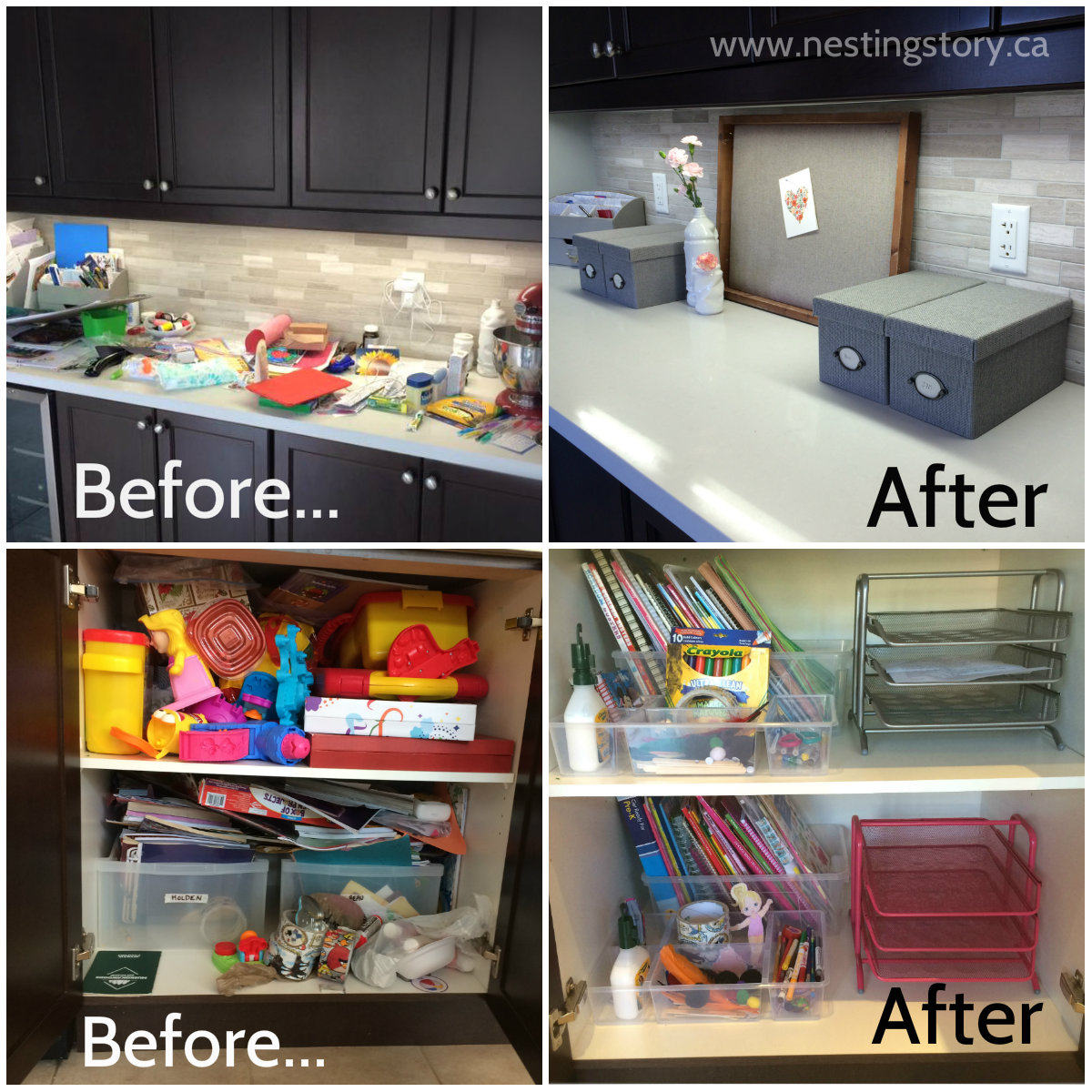
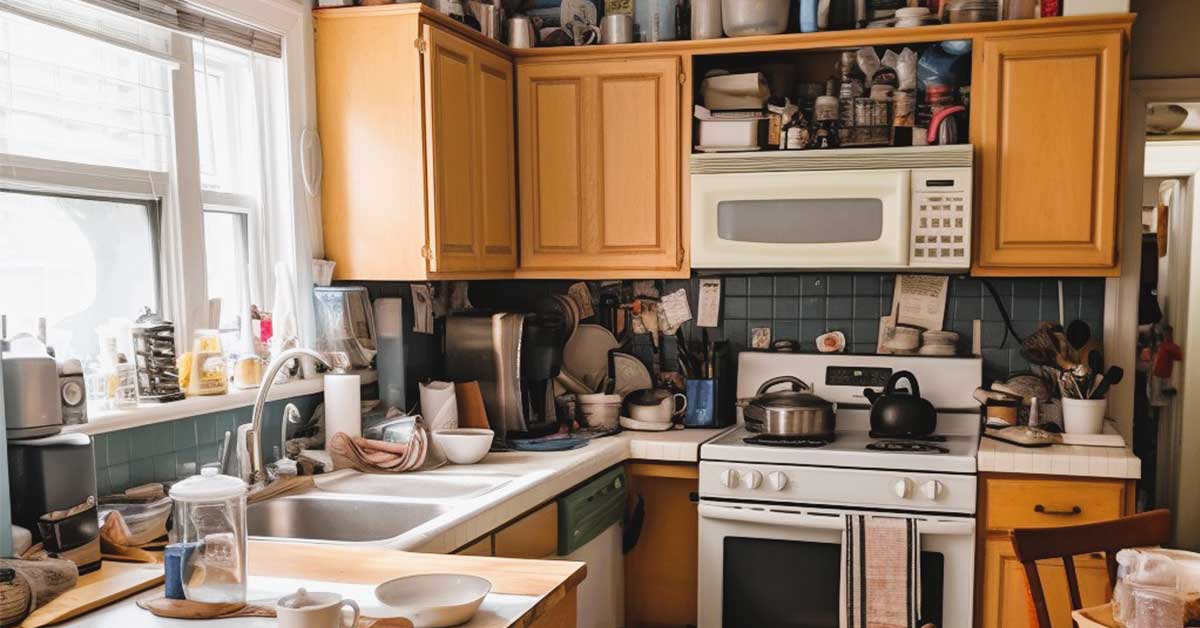
Before grabbing donation boxes, pinpoint exactly where clutter accumulates in your unique space. Most kitchens develop predictable problem areas that trap unused items. Start with countertop appliances—coffee makers, toasters, blenders, and specialty gadgets that rarely get used but dominate valuable workspace. Next, inspect your “junk drawer” phenomenon, where mismatched utensils, takeout menus, and random hardware gather like kitchen tumbleweeds.
Cabinets beneath the sink often become dumping grounds for cleaning supplies that have multiplied beyond necessity. Check your pantry for expired items and duplicate condiments that appeared during grocery runs when you couldn’t see what you already owned. Finally, examine your upper cabinets for the “wedding registry graveyard”—those beautiful but unused serving platters and specialty dishes that only come out once a year, if that.
Why Your Countertops Disappear Under Clutter
Countertops vanish because we treat kitchen surfaces like storage rather than workspace. That slow cooker you use twice a year shouldn’t occupy prime real estate when you’re chopping vegetables daily. The solution? Implement a strict “one-month rule”: if an appliance hasn’t been used in 30 days, store it elsewhere. Only keep daily essentials visible—your coffee maker if you’re a daily brewer, perhaps a knife block if you cook often. Everything else belongs in cabinets, ready to be retrieved when needed, not taking up space year-round.
How Pantry Items Multiply Without Notice
Pantry clutter develops through “out of sight, out of mind” purchasing. Without clear visibility of existing stock, you’ll inevitably buy duplicate items. The fix requires two simple changes: transfer bulk items to uniform, transparent containers and arrange them front-to-back like a grocery store shelf. This system lets you see exactly what you have at a glance, preventing unnecessary purchases. Designate one shelf specifically for “new” items and another for “use first” items, rotating stock regularly to avoid expiration surprises.
Remove Non-Essential Kitchen Items Without Regret
Decluttering requires making tough decisions about what stays and goes, but a clear framework eliminates second-guessing. Begin by removing everything from one small area—a single drawer or cabinet—and sorting items into three piles: essential, occasional use, and non-essential. Essential items get used weekly; occasional items serve specific seasonal needs (like holiday baking tools); non-essentials haven’t been touched in months despite ample opportunity.
Apply the “kitchen triangle test” to each item: does this help me move efficiently between my refrigerator, sink, and stove? If not, it’s likely creating friction rather than facilitating cooking. That decorative mug collection might bring joy, but if it forces your everyday dishes into hard-to-reach cabinets, it’s working against your kitchen’s functionality. Be ruthless with single-purpose gadgets—those avocado slicers, egg separators, and specialized peelers rarely earn their keep.
What to Keep When You Cook Daily
Your essential kitchen toolkit should support your actual cooking habits, not aspirational ones. Most home cooks need just five core items: one versatile chef’s knife, a cutting board, a mixing bowl, a skillet, and a saucepan. Add only what your specific cooking routine demands—a baking sheet if you roast vegetables regularly, a blender if you make daily smoothies. If you haven’t used an item in six months despite having opportunities to do so, it’s not essential. The goal isn’t deprivation but precision—curating tools that make cooking easier, not harder.
When to Keep Sentimental Kitchen Items
Sentimental items require special consideration in a minimalist kitchen. That chipped mug from your grandmother or the wooden spoon from your first apartment holds emotional value, but shouldn’t compromise functionality. Limit sentimental displays to one small, intentional spot—a single shelf or corner of your counter. If an item can’t serve dual purpose (both sentimental and functional), photograph it before letting go. This preserves the memory without sacrificing workspace. Remember: your kitchen’s primary purpose is food preparation; sentimentality should enhance, not hinder, that function.
Organize Remaining Items for Maximum Efficiency
After removing non-essentials, organize what remains using the “prime real estate” principle: frequently used items deserve the most accessible locations. Store everyday dishes within easy reach of your dishwasher, cooking oils near your stove, and coffee supplies next to your coffee maker. Group similar items together—baking supplies in one cabinet, breakfast items in another—so you always know exactly where to find what you need.
Implement vertical storage solutions to maximize cabinet space. Install shelf risers to create additional levels in upper cabinets. Use stackable containers for dry goods, nesting bowls, and measuring cups. Add under-cabinet hooks for mugs or frequently used tools. Drawer dividers keep utensils separated and visible rather than jumbled at the bottom of a drawer. The goal is to see everything at a glance without digging or moving items around.
Create Dedicated Zones for Specific Activities
Designate specific areas for distinct kitchen functions to streamline workflow. Create a coffee station with your mug, beans, and grinder in one spot. Establish a baking zone with measuring tools, mixing bowls, and baking sheets stored together. Position cutting boards and knives near your primary prep area. This “activity-based” organization reduces movement between tasks and prevents items from scattering throughout the kitchen. When everything needed for a specific activity lives in one place, cleanup becomes faster and counters stay clear.
Optimize Cabinet and Drawer Layouts
Rearrange cabinet contents based on usage frequency, not random placement. Store heavy pots and pans in lower cabinets where they’re easier to access and safer to handle. Keep glasses and everyday dishes at eye level for convenience. Reserve higher shelves for occasional-use items like serving platters or specialty appliances. In drawers, position frequently used utensils at the front with less common tools behind them. This simple reorganization creates immediate efficiency gains without requiring new storage solutions.
Maintain Your Minimalist Kitchen Long-Term

Preserving your minimalist kitchen requires establishing simple maintenance habits that prevent clutter from creeping back. Implement a “one-in, one-out” rule: whenever you bring a new kitchen item home, remove an existing one. This prevents gradual accumulation that undermines your efforts. Clean as you cook—wash or load items into the dishwasher immediately after use rather than letting them pile up. Wipe counters after each meal preparation session to maintain clear surfaces.
Schedule monthly “kitchen check-ins” where you assess what’s working and what isn’t. Check expiration dates in your pantry and refrigerator. Review items that have migrated onto counters. This brief maintenance ritual catches potential problems before they become overwhelming. Most importantly, be honest with yourself about what you actually use—don’t keep items “just in case” when reality shows you never reach for them.
Prevent Clutter from Returning During Grocery Shopping
Grocery shopping poses the biggest threat to kitchen minimalism when new items overwhelm existing systems. Before heading to the store, inventory what you already have using your transparent pantry containers. Create a shopping list organized by kitchen zones (fridge items, pantry staples, baking supplies) to prevent impulse buys. When unpacking groceries, immediately transfer items to their designated homes rather than leaving bags on the counter. This discipline preserves your hard work and prevents the slow creep of countertop clutter.
Handle Gifts and Kitchen Swag Without Compromising Your Space
Well-meaning gifts and promotional kitchen items can undermine your minimalist efforts. When offered a new kitchen item, consider whether it serves a genuine need before accepting. If you receive something you don’t need, politely redirect the giver: “I appreciate your thoughtfulness, but I’m focusing on keeping my kitchen streamlined. Could we perhaps donate this to a shelter instead?” For items you do accept, immediately evaluate whether they replace something you already own. This respectful approach maintains relationships while protecting your intentional space.
Enjoy the Benefits of Your Simplified Kitchen
The true reward of a minimalist kitchen reveals itself in daily life. Notice how meal preparation becomes faster when you’re not digging through clutter to find what you need. Observe how cleanup takes minutes rather than hours when everything has a designated place. Savor the mental clarity that comes from entering a space free of visual noise and chaos. Cooking transforms from a chore into a mindful practice when your environment supports rather than hinders the process.
Your minimalist kitchen becomes more than just a pretty space—it evolves into a functional tool that enhances your daily life. The time and energy saved from not managing excess translates to more moments savoring meals with loved ones rather than wrestling with disorganization. This intentional approach to kitchen design demonstrates that less truly can be more when every item serves a purpose and supports your lifestyle.
Final Note: A minimalist kitchen isn’t about achieving some perfect, sterile aesthetic—it’s about creating a space that works seamlessly for your life. By focusing on what you actually use rather than what you think you should have, you’ll discover that simplicity brings both beauty and functionality to your most important room. Start small with one drawer or cabinet today, and experience how less clutter creates more joy in your cooking journey.