

That unmistakable sour milk odor can transform your kitchen from a welcoming space into an unpleasant environment in seconds. Whether you discovered a forgotten carton behind the fridge, dealt with a spilled cup that went unnoticed for days, or are battling mystery smells that won’t quit, sour milk odors rank among the most persistent kitchen problems homeowners face. The tangy, rotten scent seems to seep into every surface, fabric, and crevice it touches, creating frustration and discomfort.
The good news is that eliminating sour milk smell is entirely achievable with the right approach. Unlike some odors that simply mask with air fresheners, sour milk requires proper cleaning and deodorizing to fully remove. This guide provides immediate action steps, targeted cleaning methods for different surfaces, and proven prevention strategies. You’ll discover exactly why these odors linger, which cleaning methods actually work, and how to prevent future incidents from ruining your kitchen atmosphere.
Why Sour Milk Smells Refuse to Disappear
Sour milk creates stubborn odors because of its chemical composition. When milk spoils, bacteria feed on the proteins, fats, and lactose, breaking them down through fermentation. This process releases volatile organic compounds (VOCs) that create that distinctive unpleasant smell. These VOC molecules are particularly problematic because they penetrate porous materials like wood, grout, fabric, and some plastics.
Once inside these materials, the odor molecules slowly release back into the air over time. This explains why a smell might seem gone after cleaning only to return hours or days later. Simply spraying air freshener won’t solve the problem—it merely masks the odor temporarily without addressing the source. The longer milk sits undiscovered, the deeper it penetrates surfaces and the stronger the odor becomes. A spill cleaned within hours might only affect the surface, while milk that’s been sitting for days could have soaked into floorboards or cabinet interiors.
Immediate Response to Sour Milk Spills
When you discover sour milk, acting quickly prevents the odor from spreading and becoming harder to remove. Your first minutes after discovery are crucial for minimizing damage.
Start by locating the exact source of the smell. Check behind and under appliances, inside the refrigerator (particularly the dairy compartment), under the sink, and in trash receptacles. Sometimes the source isn’t obvious—a small leak from a milk container stored in a cabinet or a forgotten container tucked in a corner. Identifying the precise source determines your cleaning approach and ensures you don’t miss hidden problem areas.
Remove any solid material immediately. If you find spoiled milk in a container, seal it in a plastic bag and dispose of it outside your home rather than in an indoor trash bin. For liquid spills, blot up as much as possible with paper towels or old cloths—never rub, as this pushes the milk deeper into surfaces. For dried-on milk, gently scrape away what you can with a plastic scraper before applying cleaning solutions.
Ventilate the area thoroughly by opening windows and turning on exhaust fans. Fresh air circulation helps remove floating odor molecules and prevents them from settling into other surfaces. If weather permits, leave windows open for several hours while you clean.
Effective Cleaning Methods for Different Surfaces
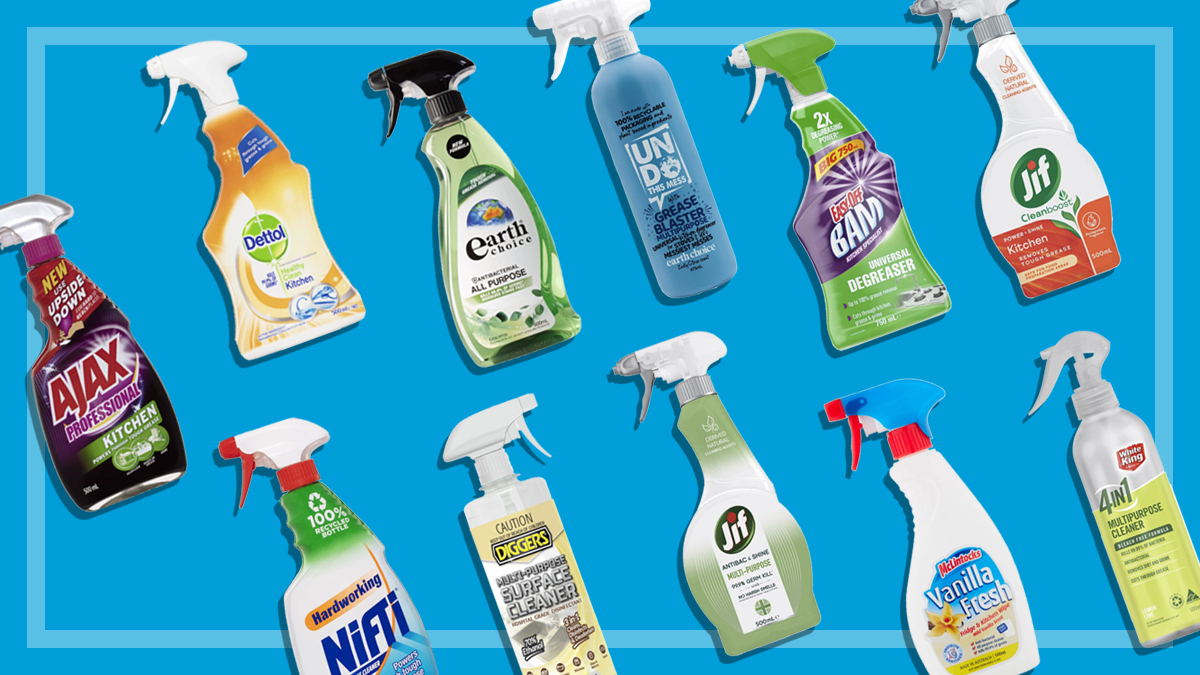
Hard surfaces require specific approaches based on their material properties. Countertops, tile floors, and appliance exteriors each respond to different cleaning techniques.
For sealed surfaces like laminate countertops, stainless steel appliances, and glazed tile, begin with dish soap and warm water. Mix a few drops of dish soap in a bowl of warm water and thoroughly wipe the affected area, paying special attention to seams, edges, and textured areas where milk could hide. Rinse with clean water and dry completely. If the odor persists, create a paste of baking soda and water and apply it to the surface. Let it sit for 15 to 20 minutes, then scrub with a soft brush and rinse.
Grout and unsealed porous surfaces need more aggressive treatment. Hydrogen peroxide works exceptionally well for these areas. Apply full-strength hydrogen peroxide directly to grout lines and let it bubble for several minutes—this indicates it’s breaking down organic matter. Scrub with an old toothbrush and rinse with water. For stubborn cases, make a paste of baking soda and hydrogen peroxide, apply to the grout, let it sit for 30 minutes, then scrub and rinse.
Wood surfaces require careful handling since harsh chemicals can damage finishes. Start with a mild solution of white vinegar and water (one part vinegar to two parts water). Wipe the area gently, going with the grain on finished wood. For unfinished wood or persistent odors, apply a thin layer of baking soda directly to the surface, let it sit overnight, then vacuum or brush away the powder. Multiple applications may be necessary for deep penetration.
Remove Sour Milk Odors from Kitchen Textiles
:max_bytes(150000):strip_icc()/how-to-sanitize-and-disinfect-a-washer-and-dryer-w03.-76b90d7c41b0487a8c2f65ca6d438a81.jpg)
Kitchen textiles like towels, dish cloths, oven mitts, and even curtains readily absorb odors and require specific treatment.
Machine-washable items should be washed on the hottest setting the fabric allows, adding one cup of white vinegar to the wash cycle. The vinegar neutralizes odors without leaving a lingering smell—it completely evaporates during washing and drying. For heavily soiled items, add a half-cup of baking soda to the wash cycle along with your regular detergent. Avoid using fabric softener, as it can trap odors in fibers rather than releasing them.
Items that can’t be machine washed need hand treatment. Soak dish towels, small rugs, or washable curtains in a solution of one gallon warm water, one cup white vinegar, and two tablespoons baking soda. Let them soak for at least an hour, then wash as usual. For stubborn odor retention, extend the soak time to several hours or overnight.
Kitchen sponges and dish scrubbers often harbor milk residue and bacteria. These items should be replaced rather than cleaned, as their porous structure makes complete deodorization nearly impossible. If you want to attempt cleaning, soak sponges in full-strength vinegar for several hours, then microwave them for one minute (ensure they’re wet) or run them through the dishwasher on a sanitize cycle.
Find and Eliminate Hidden Sour Milk Sources
Persistent odors often indicate hidden reservoirs that continue releasing odor molecules even after visible surfaces are cleaned.
Check behind and under your refrigerator, paying attention to the drip pan and condenser coils—milk that leaked underneath can go unnoticed for weeks. Clean the refrigerator interior with a solution of two tablespoons baking soda dissolved in one quart warm water, wiping all surfaces including shelves, walls, and the ceiling. Don’t forget the seals around doors, where milk can seep into grooves.
Under-sink cabinets frequently harbor leaks from refrigerator water lines or condensation from pipes. Pull everything out and inspect the cabinet floor and walls. Clean any residue with the baking soda solution and consider placing a small bowl of activated charcoal or open box of baking soda in the cabinet to absorb lingering odors.
Floor drains can accumulate organic matter including milk that was washed into them. Pour one cup of white vinegar down the drain, let it sit for 15 minutes, then flush with boiling water. For monthly maintenance, a mixture of baking soda followed by vinegar helps keep drains fresh and odor-free.
Cabinet interiors, particularly those near the refrigerator, may have absorbed spills that occurred before you noticed them. Empty affected cabinets completely and wipe all interior surfaces with the baking soda solution. For persistent odors, place bowls of activated charcoal or coffee grounds inside closed cabinets for 24 to 48 hours to draw out lingering smells.
Natural Remedies That Actually Eliminate Sour Milk Odors

Certain natural solutions effectively neutralize sour milk odors without harsh chemicals.
Baking soda remains one of the most effective odor eliminators. Its alkaline nature neutralizes the acidic compounds in sour milk, while its porous structure absorbs odor molecules. Place open boxes in areas where odors linger, or create a thick paste with water and apply to surfaces before wiping away. For carpets or upholstery, sprinkle generously, let sit for at least 30 minutes, then vacuum thoroughly.
White vinegar’s acidity breaks down odor-causing compounds effectively. Use it full-strength for tough jobs or diluted for regular cleaning. The vinegar smell is strong initially but dissipates completely within a few hours, leaving no residue. For ongoing odor control, simmer a pot of water with several tablespoons of vinegar on the stove—the steam distributes the deodorizing properties throughout the room.
Activated charcoal excels at adsorbing odor molecules due to its extremely porous surface area. Place charcoal bags near problem areas or sprinkle granules on surfaces, then vacuum after 24 to 48 hours. The charcoal can be “recharged” by placing it in direct sunlight for several hours, making it reusable.
Prevent Future Sour Milk Smell Problems
Once you’ve eliminated the current odor, implement preventive measures to avoid repeat incidents.
Check expiration dates weekly and remove any items that are past their prime. Monthly, empty the refrigerator and wipe all surfaces with a baking soda solution. Pay special attention to the dairy compartment, where spills can go unnoticed. Keep a small bowl of baking soda inside the refrigerator to absorb odors proactively.
Store milk in the coldest part of the refrigerator (usually the back of the middle shelf) rather than in the door, where temperature fluctuations occur more frequently. Keep containers sealed tightly and store them on a plate or in a container to catch any potential leaks.
Keep cleaning supplies readily accessible so you can address spills the moment they happen. Train household members to report spills immediately. A few minutes of immediate cleanup saves hours of deodorizing later.
Take out trash daily when dairy products are in the bin, and use trash cans with tight-sealing lids. Empty the refrigerator’s produce drawer and any lower drawers weekly, checking for forgotten items.
Restore Your Fresh-Smelling Kitchen
Eliminating sour milk smell requires patience and thoroughness, but it is absolutely achievable. Start with accessible cleaning methods like baking soda, vinegar, and dish soap before moving to specialized products. Most situations resolve within a few days of concentrated cleaning, though severe cases may take longer.
Once the odor is gone, implement the preventive measures discussed. Regular refrigerator maintenance, immediate spill response, and proper milk storage dramatically reduce your chances of facing this problem again. Your kitchen should be a space that welcomes meal preparation and family gatherings, not one that drives you away due to unpleasant odors. With these techniques, you can restore your kitchen to the fresh, welcoming space it should be.