That sharp, acrid scent of burnt food can transform your kitchen from a welcoming space into an unpleasant environment in minutes. Whether you’ve had a minor stovetop mishap or a major oven disaster, the lingering smell seems to embed itself everywhere—on surfaces, in fabrics, and even in the air you breathe. The good news is that you don’t have to endure this smell for days or weeks. With targeted techniques and the right approach, you can eliminate burnt odors completely and restore your kitchen’s fresh atmosphere within hours. This guide reveals proven methods that actually work, from immediate emergency responses to deep cleaning solutions and preventive strategies that keep your kitchen smelling clean and inviting.
Immediate Actions to Neutralize Burnt Odors

When smoke fills your kitchen, your first five minutes determine whether the smell becomes a temporary nuisance or a lingering problem. Acting quickly prevents odor molecules from bonding with surfaces and fabrics where they become exponentially harder to remove.
Ventilate Your Kitchen Immediately
Open every window and door to create cross-ventilation that pushes contaminated air outside and brings fresh air in. Turn your range hood to maximum speed—even if it’s recirculating air—and position portable fans to direct smoke toward open windows. Keep ventilation running for at least 30 minutes after the visible smoke clears, as microscopic odor particles remain airborne much longer than visible smoke. During winter months when opening windows isn’t practical, run your HVAC system with fresh air intake engaged and replace your furnace filter immediately afterward to prevent circulating odor particles throughout your home.
Remove the Source and Assess Damage
Carefully remove the smoking item from heat using oven mitts, taking it outside if possible to prevent further smoke production. While the immediate danger passes, determine what burned and how severely—this assessment guides your cleaning approach. A slightly scorched pot requires surface cleaning, while completely charred food releases volatile organic compounds that penetrate deeper into materials. Check if smoke has reached upper cabinets or ceiling areas, as these spots often require specialized treatment. Never attempt to clean hot surfaces—allow appliances to cool completely before beginning any cleaning to avoid burns or spreading residue.
Natural Odor Elimination Methods
Natural solutions effectively neutralize burnt smells without introducing harsh chemicals into your cooking environment. These household items work by breaking down odor molecules rather than simply masking them with stronger scents.
Baking Soda: The Ultimate Odor Absorber
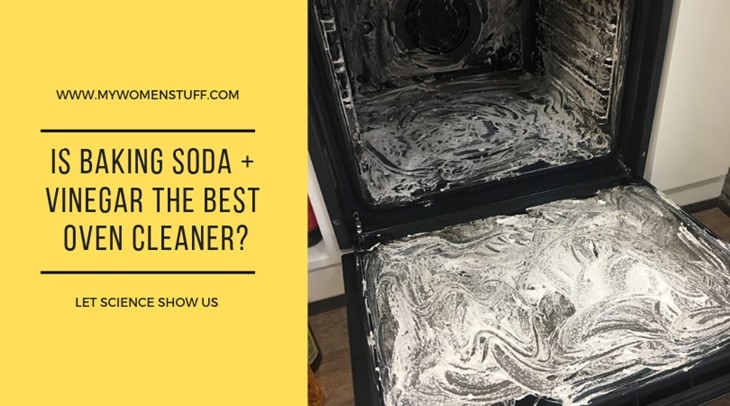
Place open containers of baking soda on countertops, inside cabinets, and near the odor source, using one container per 50 square feet of kitchen space. For severe smells, create a thick paste with baking soda and water, apply it to affected surfaces like stovetop grates or oven interiors, and let it sit for 2-3 hours before scrubbing. Sprinkle baking soda directly on kitchen rugs and dish mats, working it into fibers with a brush, then vacuum thoroughly after 12 hours. For persistent odors, combine baking soda with hydrogen peroxide to create a more powerful cleaning paste that lifts stubborn residue while neutralizing smells.
White Vinegar: The Powerful Neutralizer
Fill small bowls with undiluted white vinegar and place them strategically around your kitchen, particularly near the refrigerator, sink, and cooking areas. Replace the vinegar every 12 hours until the smell disappears completely. For surface cleaning, mix equal parts vinegar and water in a spray bottle and wipe down countertops, cabinet fronts, and appliance surfaces. The vinegar smell will dissipate as it dries, taking burnt odors with it. For oven cleaning, place a heatproof bowl filled with vinegar on the bottom rack and run the oven at 250°F for 30 minutes—the steam will loosen baked-on residue while neutralizing odors.
Coffee Grounds: The Pleasant Masking Agent
Spread dry used coffee grounds on baking sheets or in shallow bowls and place them throughout your kitchen, focusing on enclosed spaces like cabinets and the refrigerator. The porous structure of coffee grounds absorbs odor molecules while releasing a comforting aroma that many find preferable to vinegar’s sharpness. Replace the grounds every 24 hours until the burnt smell disappears. For a stronger effect, lightly toast the used grounds in a dry skillet to reactivate their odor-absorbing properties before placing them around your kitchen.
Deep Cleaning Affected Appliances and Surfaces
Surface cleaning won’t eliminate deeply embedded burnt smells—you need targeted approaches that address the odor at its source within your kitchen equipment.
Cleaning a Burnt Pot or Pan
For aluminum or stainless steel cookware, fill the pot with water, add ¼ cup baking soda and 2 tablespoons salt, then bring to a boil and simmer for 15-20 minutes. The bubbling action lifts burnt residue while the baking soda neutralizes odors. For cast iron pans that have absorbed burnt smells, coat the interior with coarse salt and a tablespoon of oil, then scrub vigorously with a paper towel or brush—the salt acts as an abrasive while the oil helps lift odor molecules. Never soak cast iron, as this can cause rusting. For non-stick pans with burnt residue, avoid abrasive cleaners that could damage the coating—instead, use a baking soda paste applied gently with a soft sponge.
Addressing Oven and Stovetop Residue
Remove oven racks and soak them in hot, soapy water with ½ cup of ammonia for stubborn residue. For the oven interior, apply a thick layer of baking soda paste (3 parts baking soda to 1 part water), let it sit overnight, then spray with vinegar to create a foaming reaction that lifts baked-on grease. Wipe clean with a damp cloth, avoiding heating elements. For gas stovetops, remove burner caps and grates, soak them in hot, soapy water with vinegar for 30 minutes, then scrub with a toothbrush to reach crevices where smoke residue accumulates. Clean the drip pans thoroughly or replace them if heavily stained—they often harbor the most concentrated odors.
Dealing with Lingering Smoke in Fabrics and Soft Surfaces
Burnt odors cling tenaciously to fabrics through a process called adsorption, where odor molecules bond with fabric fibers. Effective treatment requires both chemical neutralization and physical removal of these compounds.
Washing Machine-Reliable Fabrics
Wash dish towels, oven mitts, and other kitchen linens in the hottest water safe for the fabric, adding 1 cup of white vinegar to the rinse cycle and ½ cup of baking soda to the wash cycle. For persistent smells, add ¼ cup of hydrogen peroxide to the bleach dispenser (for white fabrics only). Hang items outside to dry in direct sunlight if possible—UV rays help break down remaining odor molecules. For items that retain smells after washing, repeat the process with a commercial enzyme-based laundry additive designed for tough odors.
Treating Non-Washable Fabrics and Upholstery
Sprinkle baking soda generously on kitchen chair cushions, curtains, and other non-washable items, working it into the fabric with a soft brush. Let it sit for 24 hours, then vacuum thoroughly using an upholstery attachment. For stubborn odors, create a solution of 1 part vodka to 3 parts water with a few drops of lemon essential oil, lightly mist the fabric (test in inconspicuous area first), and allow to air dry. The alcohol neutralizes odors without leaving residue, while the essential oil provides a pleasant scent. For valuable or delicate fabrics, consider professional cleaning services that specialize in smoke odor removal.
Commercial Products and Specialized Solutions
When natural remedies fall short, targeted commercial products can provide the extra power needed for severe burnt smell situations.
Enzyme-Based Odor Eliminators
Apply enzyme cleaners directly to affected surfaces, allowing them to dwell for the full recommended time (usually 10-15 minutes) before wiping. For porous surfaces like wooden cabinets, apply the product multiple times, allowing each application to dry before the next. Enzyme cleaners work best at room temperature—avoid using them on cold surfaces as this slows their effectiveness. Look for products containing specific enzymes like amylase and protease that target food-based odors.
HEPA Air Purifiers with Activated Carbon
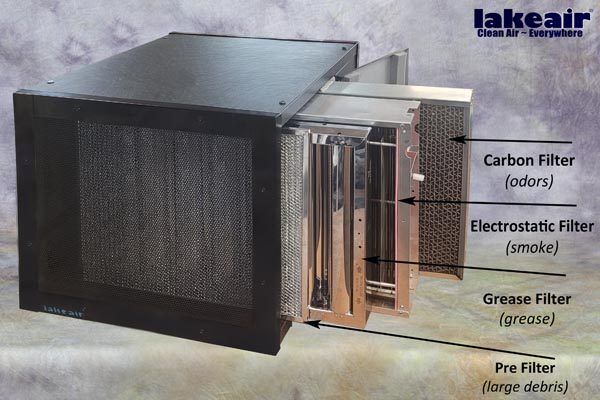
Run an air purifier with a true HEPA filter and substantial activated carbon component continuously for 48-72 hours after a burning incident. Position the unit near the odor source but away from walls to ensure proper airflow. Replace carbon filters immediately after severe smoke incidents, as they become saturated quickly. For best results, run the purifier on high during treatment periods, then switch to lower settings for maintenance once the primary odor has been eliminated.
Preventive Measures and Long-Term Solutions
The most effective odor control comes from preventing burning incidents before they happen through smart kitchen habits and equipment maintenance.
Kitchen Habits to Prevent Burning Incidents
Set multiple timers when cooking—one for when you should check the food and another for when it’s likely to burn if unattended. Keep a spray bottle of water nearby when cooking with oil to quickly extinguish minor flare-ups before they create smoke. Use back burners when possible to keep cooking vessels farther from flammable items like curtains or paper towels. Invest in cookware with even heat distribution to prevent hot spots that cause burning, and never leave oil heating unattended as it can reach smoke point in minutes.
Regular Deep Cleaning Schedule
Clean your range hood filter monthly by soaking it in hot, soapy water with vinegar—grease buildup reduces ventilation efficiency by up to 50%. Wipe down cabinet interiors quarterly with a vinegar solution to prevent odor accumulation. Every six months, pull out your refrigerator and stove to clean behind them, where crumbs and spills create secondary odor sources when disturbed. Clean your oven thoroughly every 2-3 months, not just when you notice residue buildup, to prevent cumulative odor problems.
Investing in Proper Ventilation
Ensure your range hood exhausts to the outside rather than recirculating air—recirculating hoods merely filter some particles while allowing odors to remain in your kitchen. Clean ductwork annually to prevent grease buildup that restricts airflow. Install a secondary ventilation fan near the ceiling, as smoke rises and accumulates in upper areas first. Consider upgrading to a hood with higher CFM (cubic feet per minute) rating if you frequently cook with high heat methods like stir-frying or searing.
By implementing these targeted strategies, you can eliminate even the most stubborn burnt kitchen smells within hours rather than days. The key is addressing the problem from multiple angles—immediate ventilation, chemical neutralization, deep surface cleaning, and fabric treatment—while establishing preventive habits that keep your kitchen smelling fresh and inviting. With these methods in your repertoire, you’ll never have to tolerate that unpleasant burnt odor again.