Installing a gas stove transforms your cooking experience, offering precise temperature control and instant heat that electric stoves simply cannot match. Whether you’re replacing an old appliance or outfitting a new kitchen, proper installation ensures safe operation and optimal performance. Many homeowners underestimate the complexity involved, assuming they can simply slide the new range into place and turn on the gas. However, fitting a gas stove correctly requires careful planning, adherence to safety protocols, and attention to detail that protects both your home and your family. This comprehensive guide walks you through every step of the process, from initial measurements to final safety verification, empowering you to complete this project with confidence.
Before you begin, understand that gas stove installation involves two critical systems: the gas supply line and the electrical connection for ignition and accessories. Mistakes in either area can lead to dangerous gas leaks or fire hazards. If you lack experience with gas connections, hiring a licensed professional is strongly recommended. That said, many confident DIYers successfully install gas stoves themselves by following proper procedures and exercising appropriate caution throughout the process.
Verify Gas Line Compatibility Before Purchase
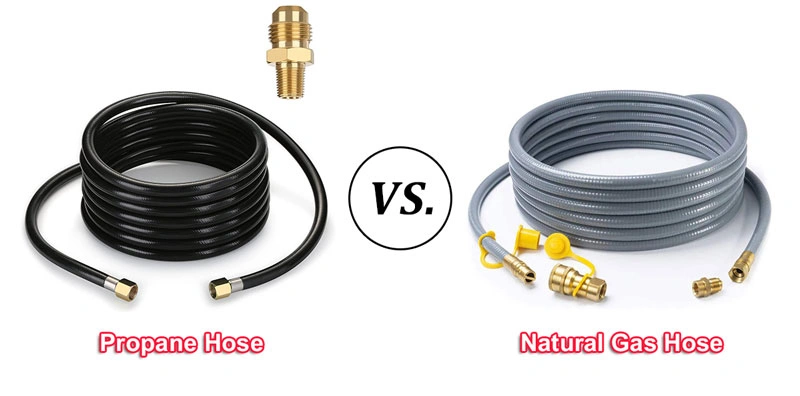
Your first priority before purchasing or installing a gas stove is confirming that your home’s gas infrastructure can support the new appliance. Gas stoves typically require either a natural gas connection or a propane setup, and using the wrong fuel type creates serious safety hazards. Check your existing gas line fitting to determine whether you have the correct connection type for your intended stove—most modern homes use natural gas, while rural properties often use propane. Natural gas connections typically have smaller fittings than propane, so attempting to connect incompatible systems could lead to dangerous leaks.
Examine the gas shutoff valve located behind or beside your current stove position. This valve must be in good working condition and easily accessible for emergency shutdowns. If the valve shows signs of corrosion, stiffness, or damage, replace it before proceeding with stove installation. The shutoff should be within arm’s reach of the stove’s final position, allowing you to quickly turn off gas flow if necessary. Test the valve by closing and opening it several times to ensure smooth operation, as stuck valves create dangerous situations during emergencies. Critical warning: If you smell gas at any point during this verification, leave the area immediately and call your gas provider from outside your home.
Consider the gas line’s flow capacity, especially if you’re installing a high-BTU stove or have other gas appliances operating from the same line. Your gas supply must deliver adequate pressure to support all connected devices simultaneously. If you’ve recently added other gas appliances or experience inconsistent flame quality on existing devices, consult your gas utility provider to assess whether your supply meets the demands of your new installation. Most standard residential gas lines can handle typical kitchen appliances, but commercial-grade stoves may require special considerations.
Measure Your Space Carefully to Prevent Costly Returns
Accurate measurements prevent costly mistakes and frustrating returns. Measure the width of your existing stove space, accounting for adjacent cabinets and countertops. Standard gas stoves come in widths of 20, 24, 30, 36, and 48 inches, with 30-inch ranges being most common in residential kitchens. Record the exact width, height, and depth dimensions, then compare these measurements against your chosen stove’s specifications before purchasing. Remember that stove depth must accommodate both the appliance body and any attached gas connectors or backing elements—many homeowners forget to account for the extra inch or two required for the gas connector.
Check the clearance requirements specified by your stove’s manufacturer. Gas stoves require specific distances from combustible materials, including cabinets above and beside the unit. Most manufacturers recommend at least 30 inches of clearance between the stove top and any overhead cabinets, though some high-output models require more. Side clearance varies by brand and model, with some requiring as little as 6 inches while others need 15 or more. These specifications exist for fire prevention and must be respected for safe operation. Pro tip: Create a cardboard template of your stove’s dimensions to test fit before purchasing.
Assess the floor surface where your stove will sit. Gas stoves must rest on a level, stable surface that can support their weight, typically 100 to 200 pounds. Check for uneven flooring, worn laminate, or damaged tiles that might compromise stability. If your floor is uneven, plan to shim the stove during installation to achieve proper leveling. Measure the height of your countertops to ensure your stove’s cooking surface aligns at a comfortable working height, typically 36 inches from the floor for standard residential kitchens. This measurement affects your posture while cooking and should not be overlooked.
Gather Essential Tools Before Starting Installation

Preparing your tools before beginning installation saves time and prevents interruptions mid-project. You’ll need an adjustable wrench or pair of 9/16-inch wrenches for gas line connections, as most residential gas fittings use this size. A pipe wrench provides additional leverage for stubborn connections, though an adjustable wrench typically suffices for most installations. Keep channel-lock pliers handy for gripping and turning when wrench access becomes limited—these prove invaluable in tight spaces behind the stove.
Leak detection supplies are non-negotiable for safe gas stove installation. Purchase a dedicated gas leak detection solution from your hardware store, or use mild dish soap diluted with water as an alternative. Never use flammable substances like petroleum-based products for leak testing. Have paper towels and clean rags available to wipe connections dry after applying detection solution, allowing you to clearly observe any bubble formation that indicates escaping gas. Critical safety note: Keep a fire extinguisher rated for Class B and Class C fires within arm’s reach throughout the installation process.
Additional tools include a screwdriver set for removing shipping brackets and accessing electrical connections, a level for ensuring proper stove positioning, and a flashlight for inspecting dark spaces behind and beneath the appliance. If your installation requires extending the gas line, you’ll need pipe thread sealant tape (Teflon tape) rated for gas applications, along with appropriate pipe fittings. Consider having a digital camera or smartphone to document connection points before disassembly—this visual reference proves helpful during reassembly.
Connect Gas Supply Safely Without Professional Help
Apply gas-rated Teflon tape to the threads of all male fittings before connecting them. Wrap the tape clockwise around the threads two to three times, pressing it firmly into the grooves as you work. This tape creates a seal that prevents gas escapes at connection points. Ensure your tape is specifically rated for gas applications, as standard plumbing tape may degrade when exposed to natural gas or propane compounds over time. The tape should cover all threads without overlapping excessively at the end.
Attach the flexible gas connector to both the stove’s gas inlet and your home’s gas supply line. Hand-tighten each connection first, then use wrenches to secure them firmly without over-tightening. Gas fittings typically require about one-quarter to one-half turn beyond hand-tight to achieve proper seal, but excessive force can damage fittings and create leaks. Hold the connector steady with one wrench while turning the fitting with the other to prevent twisting the flexible stainless steel braiding. Important: Never use pipe dope or liquid sealants on gas connections—they can degrade and cause leaks over time.
Never connect a gas stove using damaged, corroded, or inappropriate fittings. If your existing gas line uses outdated materials or shows signs of deterioration, hire a licensed gas fitter to update your infrastructure before proceeding. Similarly, if your stove requires a different connection type than your existing line provides, obtain the correct adapter from a reputable supplier rather than improvising solutions that compromise safety. Flexible stainless steel connectors should never be kinked or bent sharply during installation—they must maintain a gentle curve.
Test for Leaks Properly Before Using Your Stove
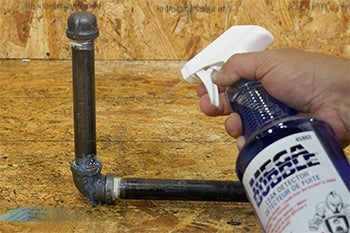
Apply leak detection solution generously to all gas connection points, including the connector ends, fitting junctions, and the stove’s gas inlet. Watch carefully for bubble formation, which indicates escaping gas. Start at the wall connection and work methodically toward the stove, ensuring you examine every joint and fitting. Small, slow-forming bubbles may indicate minor seepage, while rapid bubbling signals a significant leak requiring immediate attention. Critical safety check: Perform this test with the gas turned on but the stove unlit—never test for leaks with an open flame nearby.
Never use an open flame to test for gas leaks. Household lighters, matches, or torches can ignite escaping gas, causing explosions or fires. Even small leaks that seem insignificant can accumulate to dangerous concentrations. If you detect any bubbles, immediately turn off the gas supply at the main valve, disconnect the affected fitting, apply new Teflon tape, and reconnect. Retest the connection thoroughly before proceeding. Allow at least five minutes between retests to observe bubble formation accurately.
Conduct multiple leak tests throughout the installation process rather than a single final check. Test connections immediately after making them, again after positioning the stove, and finally after completing all other installation steps. Gas connections can loosen during appliance positioning or develop leaks after initial tightening settles. Document your test results and repeat verification if you notice any unusual odors or suspect gas presence at any point. If you smell gas but don’t see bubbles, evacuate and call your gas provider immediately.
Position and Level the Stove for Optimal Performance
Slide the gas stove into its final position carefully, avoiding contact with walls or cabinets that could damage surfaces or disrupt connections. Enlist a helper for this step if the stove is bulky or heavy, as awkward handling increases the risk of connector damage or personal injury. Position the stove with approximately one to two inches of clearance from the wall to allow for proper ventilation and prevent heat damage to surrounding materials. This gap also provides space for the gas connector to maintain its gentle curve without strain.
Check levelness across the stove’s width and depth using a standard bubble level. Gas stoves must operate level to ensure proper burner function and even cooking results. If your floor surface is uneven, adjust the leveling feet located at the stove’s corners. Most gas stoves feature threaded feet that screw in or out for height adjustment. Turn feet clockwise to raise and counterclockwise to lower each corner until the stove sits perfectly level in all directions. Pro tip: Place the level on the oven door when closed to check front-to-back levelness.
Verify that the stove sits flush against any back splash guard or backsplash surface. Proper alignment prevents gaps that can collect debris and create cleaning difficulties. Check that doors and drawers on the stove open freely without catching on adjacent cabinets or countertops. Test all burners and oven functions after positioning to confirm that movement during sliding didn’t disrupt any internal components or connections. If you notice any operational issues, pull the stove out slightly for further adjustment before finalizing the installation.
Perform Final Safety Checks Before First Use
Conduct a comprehensive safety inspection before using your newly installed gas stove for cooking. Verify all gas connections one final time using detection solution, paying particular attention to areas that may have shifted during positioning. Confirm the gas shutoff valve operates smoothly and is clearly labeled so household members can locate it quickly during emergencies. Test all burners individually, starting with the lowest flame setting and progressing through high heat.
Observe flame characteristics for proper combustion—healthy gas flames appear blue with well-defined inner cones. Yellow or orange flames indicate incomplete burning requiring adjustment or service. Listen for proper ignition sounds and verify that flames remain stable when airflow in the kitchen changes, such as when exhaust fans operate or windows open. Critical check: Ensure your carbon monoxide detector is functioning properly and positioned correctly near the kitchen area—gas appliances produce carbon monoxide during normal operation, and detectors provide life-saving early warnings.
Review your kitchen’s ventilation situation, ensuring range hoods or exhaust fans function properly to remove combustion byproducts. Install or verify carbon monoxide detectors in your kitchen and adjacent living spaces, as these early warning devices protect against potentially deadly gas accumulation. Test smoke detectors and ensure family members understand emergency procedures for gas emergencies, including evacuation steps and utility contact information. Never skip these final safety checks—your household’s wellbeing depends on them.