You’ve stared at your cramped kitchen space wondering how to fit a table in a small kitchen without sacrificing every inch of precious floor space. Many homeowners face this exact dilemma—needing a functional dining area for family meals, homework, and entertaining, yet feeling constrained by limited square footage. The frustration of blocked traffic flow, awkward chair placement, and constant bumping into furniture can make mealtime feel more like an obstacle course than a relaxing experience. But here’s the good news: with strategic planning and the right furniture choices, you can create a comfortable dining space that enhances rather than compromises your kitchen’s functionality.
Before you rush to buy the first compact table you see, take a step back to assess your specific situation. Many people make the critical mistake of selecting furniture based solely on size without considering traffic patterns, daily routines, and actual usage needs. The process of fitting a table in a small kitchen successfully begins with understanding your space’s unique constraints and opportunities. By following a systematic approach that considers measurements, table types, placement strategies, and seating options, you can transform your cramped kitchen into a functional dining area that feels intentional and welcoming rather than cramped and makeshift.
Measure Your Kitchen Space First
Accurate measurements are non-negotiable when figuring out how to fit a table in a small kitchen. Grab your tape measure and document not just the dimensions of your potential dining zone, but also critical clearance areas around it. Record the distance to refrigerator doors, stove handles, and doorway swings—these often-overlooked measurements prevent the common frustration of purchasing a table that blocks essential kitchen functions. Pay special attention to traffic flow patterns; spend a few days observing how people naturally move between the refrigerator, sink, and stove to identify high-traffic zones that must remain unobstructed.
Calculate Minimum Clearance Requirements
For comfortable dining in a small kitchen, you need at least 36 inches of clearance around your table to allow chairs to be pulled out and people to move freely. This means a 36-inch round table actually requires a 72-inch by 72-inch space to function properly. Measure from your proposed table location to overhead cabinets or lighting fixtures—people need adequate headroom while seated, and low-hanging elements can make even technically adequate spaces feel claustrophobic. Critical mistake to avoid: selecting a table based solely on its footprint without accounting for the additional space needed for chair movement and traffic flow.
Identify Dead Zones for Strategic Placement
Look for underutilized areas in your kitchen layout that could accommodate a table without disrupting workflow. Corners where two walls meet, spaces between appliances and walls, and areas near windows often provide ideal “dead zones” perfect for table placement. Use painter’s tape to outline potential table locations on your floor—this visual representation helps you assess spatial relationships more accurately than measurements alone. Consider creating a simple floor plan sketch with all your measurements; this tool proves invaluable when comparing furniture options and visualizing different placement scenarios.
Choose Space-Saving Table Designs
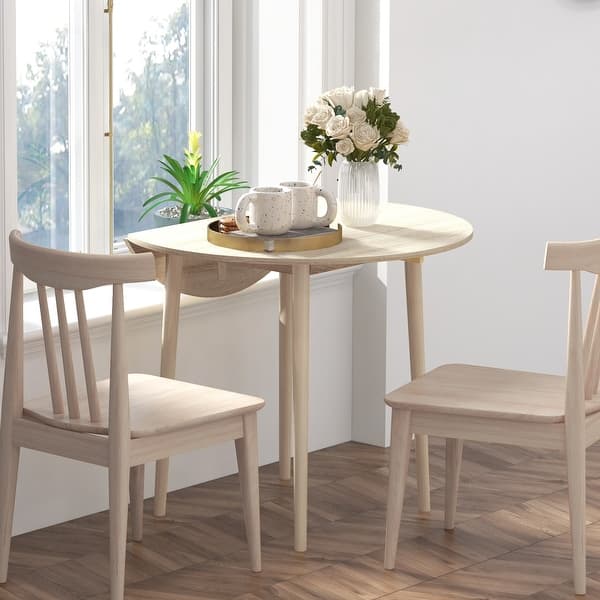
The right table design makes all the difference when trying to fit a table in a small kitchen. Standard rectangular tables with bulky legs simply won’t work in compact spaces, but numerous specialized designs solve this exact problem. Understanding your options helps you select furniture that maximizes both function and space efficiency.
Drop-Leaf Tables: Your Most Flexible Option
Drop-leaf tables offer incredible versatility for small kitchens, functioning as narrow consoles (15-18 inches deep) when leaves are down and expanding to full dining surfaces when needed. Wall-mounted versions fold completely flat against the wall, essentially disappearing when not in use. Look for models with sturdy brackets and smooth operation—cheap mechanisms can become frustrating with daily use. Pro tip: Position wall-mounted drop-leaf tables near electrical outlets to double as workspaces with laptops or tablets.
Round and Oval Tables for Better Traffic Flow
Round tables eliminate corner obstacles that impede movement in tight spaces. A 36-inch round table comfortably seats four people while requiring less floor space than a comparable rectangular table. Pedestal-base designs provide even more advantage by removing corner legs, creating additional legroom and chair placement flexibility. Oval tables work particularly well in galley kitchens, fitting neatly against one wall while maintaining clear traffic lanes on the opposite side.
Smart Placement Strategies
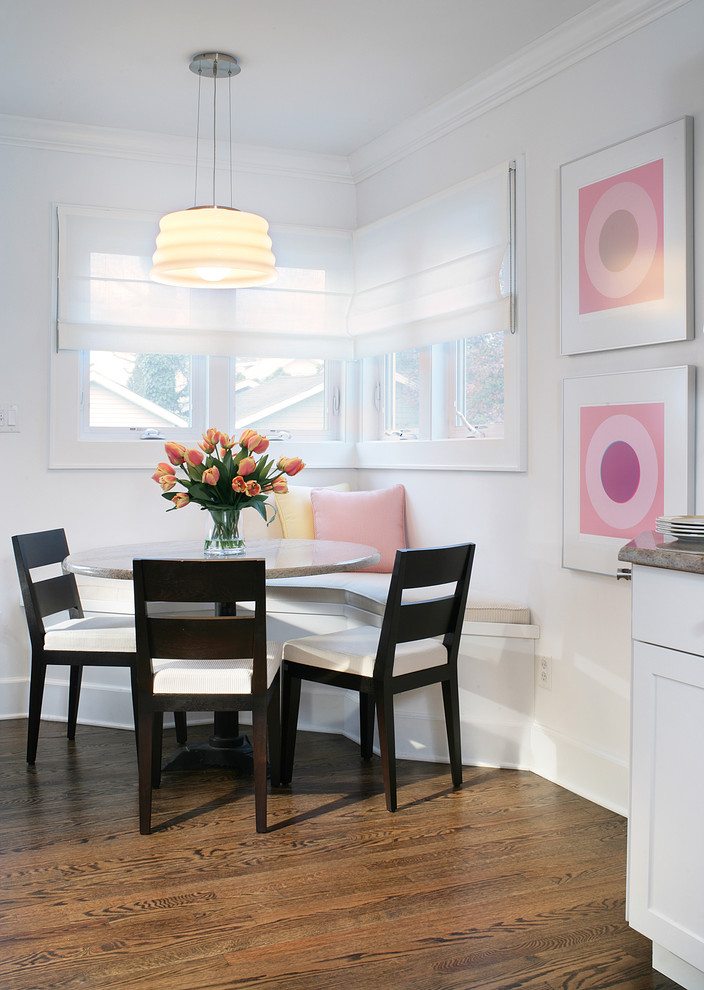
Even the perfect table won’t work if placed incorrectly in your small kitchen. Strategic positioning creates a functional dining zone that complements rather than conflicts with your kitchen’s workflow.
Corner Placement for Space Efficiency
Positioning your table in a kitchen corner takes advantage of otherwise unused space while creating a defined dining area separate from food preparation zones. Round tables fit particularly well in 90-degree angles, though custom-fitted square tables can also work. This placement typically allows the table to sit closer to walls than center placement would permit, maximizing available floor space for movement. In L-shaped kitchens, consider placing the table in the angle where the two work zones meet, creating a natural transition between cooking and dining areas.
Alcove and Window Nook Opportunities
If your kitchen features an alcove, bay window, or recessed area, these architectural elements provide ready-made dining nooks perfect for small spaces. Measure these areas carefully and select a table that fits snugly within the space—custom options may be worth the investment for unusual dimensions. Window placement provides natural light during meals, making the space feel larger and more inviting. Warning: Avoid placing tables directly in front of sinks or stoves, as this creates dangerous traffic conflicts during meal preparation.
Optimize Your Seating Options
Your chair selection impacts space efficiency as much as your table choice when fitting a table in a small kitchen. Standard dining chairs with backs require significant clearance space that often exceeds what’s available in compact kitchens.
Space-Saving Seating Solutions
- Stackable chairs: Store in a closet when not in use, eliminating permanent seating footprint
- Wall-mounted folding chairs: Hang on hooks when not needed, taking minimal wall space
- Bench seating: Eliminates back clearance requirements, allowing tables to sit closer to walls
- Bar stools without backs: Tuck completely under counter-height tables, disappearing from the floor space
Consider bench seating along one wall with complementary stackable chairs for additional guests. This combination maximizes seating capacity while minimizing the space required for chair movement. For families with children, fixed bench seating prevents tip-overs and provides more stable seating than individual chairs.
Create Visual Space and Flow
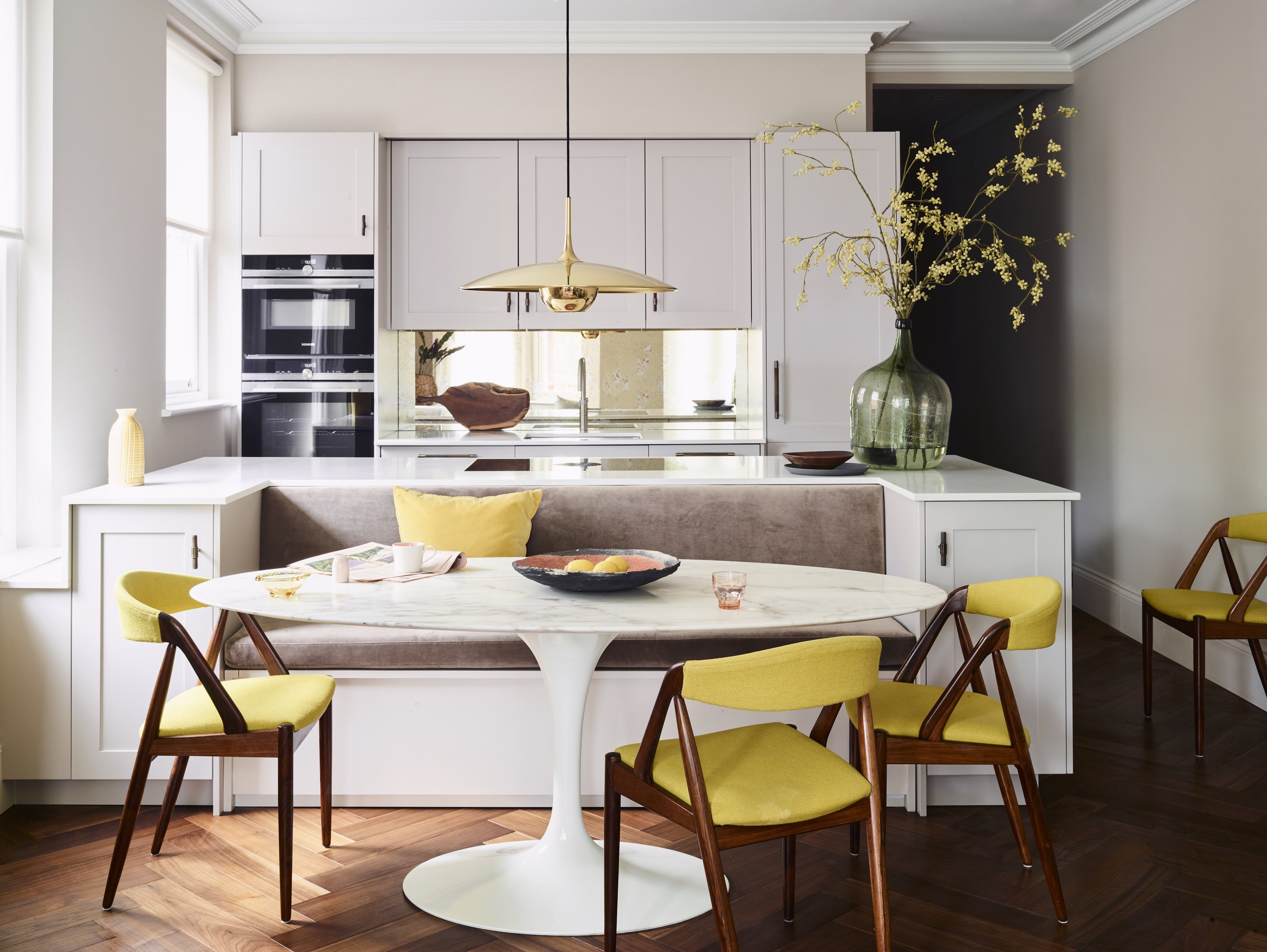
Visual perception significantly impacts how spacious your small kitchen dining area feels. Even when measurements technically work, a poorly designed space can feel cramped and unwelcoming.
Light Colors and Transparent Materials
Choose light-colored tables that reflect rather than absorb light—whites, creams, and light wood tones make spaces feel larger than dark finishes. Glass or acrylic table tops create visual transparency, allowing the eye to travel through the furniture to the floor beneath. Pair these with chairs featuring visible legs to further enhance the sense of space. Pro tip: Use a single area rug under the table to visually define the dining zone without physical barriers that would reduce actual floor space.
Strategic Lighting and Mirrors
Install a small pendant light directly above your table to draw the eye and establish the dining area as a distinct functional zone. Position a mirror opposite a window to reflect natural light across your dining surface, making the entire area feel brighter and more spacious. Dimmable lighting allows you to adjust ambiance for different occasions—from bright functional lighting during meal prep to intimate ambient lighting for evening meals.
Budget-Friendly Shopping Tips
Fitting a table in a small kitchen doesn’t require breaking the bank if you know where to focus your investment. Quality space-saving furniture spans a wide price range, from basic folding options under $150 to custom banquette seating exceeding $2,000.
Smart Shopping Strategies
- Measure your space thoroughly before shopping—bring dimensions with you to stores
- Test floor models to assess stability and chair clearance
- Create paper templates of potential table sizes to visualize in your actual space
- Consider refinished vintage pieces from thrift stores for solid wood quality at lower prices
- Prioritize durability for high-use surfaces—replace cheap tables every 2-3 years costs more long-term
Focus your budget on the table itself rather than chairs—you can often find space-saving seating solutions at lower cost through secondhand markets or innovative storage solutions.
Special Solutions for Tiny Kitchens
Studio apartments, galley kitchens, and extremely compact layouts require creative approaches beyond standard space-saving furniture.
Multi-Functional Furniture for Maximum Efficiency
In studio apartments, consider a console table that functions as a desk during the day and expands to a dining table for evening meals. For rental properties, use freestanding furniture that doesn’t require wall modifications—Command strips can secure folding chairs without damaging walls. Families with young children should prioritize tables with rounded corners and durable, easy-to-clean surfaces that withstand frequent use and inevitable spills.
Maintain Your Small Kitchen Table
Once you’ve successfully fit a table in a small kitchen, proper maintenance ensures it remains functional for years. Small space furniture often serves multiple purposes—dining surface, homework station, prep area—requiring durable surfaces and regular care.
Wipe surfaces immediately after meals to prevent staining, especially from acidic foods. Use coasters and hot pads to protect against heat rings and moisture damage. Check and tighten hardware periodically as table joints loosen with regular use. Address wobbly legs with furniture coasters or shims—uneven floors rather than defective furniture often cause this common issue in small kitchens.
Fitting a table in a small kitchen successfully transforms what many consider a design challenge into an opportunity for creative home design. By measuring carefully, selecting appropriate furniture, placing strategically, and optimizing seating, you can create a dining area that enhances rather than compromises your kitchen’s functionality. The visual strategies outlined here help ensure your small kitchen dining space feels intentional, spacious, and welcoming—proving that with thoughtful planning, even the most compact kitchen can accommodate a comfortable dining experience for family and friends.