
Finding the perfect refrigerator for a cramped kitchen can feel like trying to solve a three-dimensional puzzle with pieces that never quite align. If you’ve ever stood in your tiny kitchen wondering how to make a refrigerator work without sacrificing every inch of precious counter space, you’re not alone. Nearly 40 million American households live in spaces under 1,000 square feet where kitchen real estate comes at a premium. The good news? With strategic planning and the right appliance choices, you can absolutely fit a functional refrigerator that meets your needs without turning your kitchen into an obstacle course. This guide walks you through proven techniques to maximize your cold storage while keeping your small kitchen feeling open, accessible, and surprisingly spacious.
Select Your Ideal Small-Space Refrigerator Type

Choosing the wrong refrigerator style is the most common mistake in small kitchen planning, often leading to wasted space, poor traffic flow, and constant frustration. Your first decision should focus on models engineered specifically for compact environments rather than trying to squeeze a standard unit into impossible dimensions.
Compact refrigerators under 24 inches wide deliver maximum flexibility for severely constrained spaces. These units range from 1.7 to 3.5 cubic feet—perfect for individuals or couples who shop frequently. Measure your available footprint before shopping, as some “compact” models still require 24 inches of width. Look for units with reversible doors and minimal handle projection, which can save crucial clearance inches. Place these units on sturdy countertops, in existing cabinet niches, or under counters where ventilation permits. Many renters successfully tuck compact refrigerators into pantry closets or even bedroom corners with proper power access.
Counter-depth refrigerators create seamless integration with your existing cabinetry by extending just 24-25 inches from the wall. Unlike standard refrigerators that protrude 6-8 inches into your kitchen, counter-depth models maintain a streamlined profile that dramatically improves traffic flow. French door configurations work particularly well in small kitchens as they eliminate the swing radius issues of traditional single-door designs. While counter-depth units typically cost 15-20% more than standard models, the space savings and improved aesthetics often justify the investment for permanent residences.
Slim-line refrigerators solve the problem of narrow galley kitchens where width is severely limited but depth is available. These specialized units measure 18-22 inches wide while maintaining standard depth, allowing them to fit in spaces where conventional refrigerators won’t. The trade-off comes in shelf width—you’ll need to adjust how you store wider items like pizza boxes or sheet pans. Some slim-line models feature counter-height designs that maximize vertical space while minimizing horizontal intrusion, perfect for placement beneath prep stations or in awkward alcoves.
Measure Twice, Buy Once: Precision Space Assessment
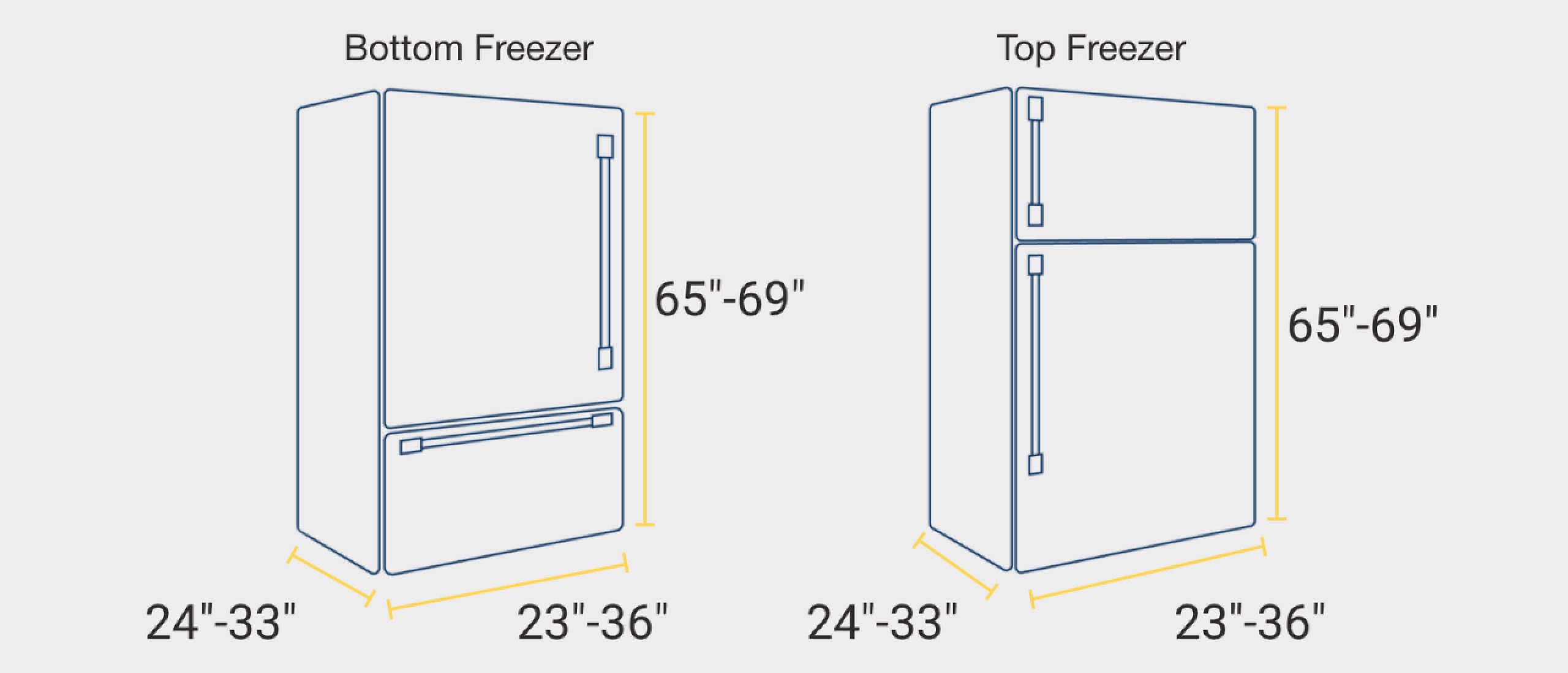
Skipping proper measurements is the fastest way to end up with a refrigerator that fits nowhere in your small kitchen. Many homeowners discover too late that their new appliance won’t navigate doorways, clear overhead cabinets, or allow doors to open fully within their compact space.
Begin by measuring your appliance delivery path from street to final location. Record the narrowest point at every doorway, hallway turn, and stairwell—not just width but diagonal clearance. A refrigerator that measures 30 inches wide might require 35 inches of diagonal clearance to navigate corners. Note any permanent obstacles like radiators or built-in furniture that could block movement. If your entry path includes tight turns, ask delivery personnel about removing refrigerator doors temporarily—a common practice for narrow corridors.
Next, map your intended installation zone with surgical precision. Measure at multiple points: floor level (accounting for potential sloping), counter height, and overhead clearance. Floors in older buildings often slope significantly, causing refrigerators to wobble even when width measurements seem adequate. Record the smallest dimension at each point—your actual maximum space is determined by the tightest constraint. For alcove installations, add at least half an inch of clearance on each side and top for proper ventilation and door operation.
Don’t overlook door swing clearance requirements, which frequently sabotage small kitchen refrigerator placements. Standard refrigerator doors require 90-120 degrees of swing to open fully, creating traffic hazards in narrow spaces. French door models solve this issue by swinging outward rather than into the room, while side-by-side configurations eliminate swing problems entirely. Measure your existing cabinet doors to understand their swing patterns, then visualize how a new refrigerator door would interact with adjacent fixtures during normal use.
Optimize Placement for Maximum Kitchen Flow
Your refrigerator’s position dramatically impacts how functional and spacious your kitchen feels. Strategic placement transforms dead zones into valuable storage while maintaining smooth traffic patterns through your compact workspace.
Corner placement utilizes often-wasted space in L-shaped or galley kitchens. Positioning your refrigerator in an inside corner creates a natural workflow triangle between cooking, cleaning, and storage zones. For this to work effectively, ensure at least 15 inches of clearance in front of the refrigerator to allow full door access. Consider models with adjustable shelving if corner placement limits your ability to access certain areas of the interior. Many compact refrigerators feature pull-out drawers specifically designed for corner installations, maximizing usable space despite the awkward angle.
Secondary wall positioning dramatically improves traffic flow in narrow kitchens. Instead of placing your refrigerator against the main kitchen wall opposite prep areas, move it to a side wall perpendicular to your primary work zone. This approach works particularly well with counter-depth models that maintain a slim profile when viewed from the main kitchen area. Secondary wall placement often aligns with natural alcoves or recesses in small kitchen layouts, creating a built-in appearance without custom cabinetry costs.
Vertical stacking configurations double your cold storage capacity without expanding your footprint. Pair a compact refrigerator with a matching height freezer unit stacked beneath it to create a full-height solution that uses minimal floor space. This configuration works exceptionally well in pantry closets or utility rooms adjacent to your kitchen. Alternatively, place a beverage refrigerator beneath your main unit for dedicated drink storage, keeping your primary refrigerator less cluttered and more organized.
Transform Interior Storage with Smart Organization

A well-organized compact refrigerator often outperforms a disorganized full-size unit, especially when space is limited. Strategic interior organization multiplies your usable capacity while keeping frequently accessed items within easy reach.
Install stackable modular containers to create vertical zones within each shelf. These containers allow you to store taller items in back and shorter items in front without everything tumbling forward when you open the door. Look for containers with matching lids that stack securely, enabling you to batch similar items together. Clear containers let you see contents instantly, reducing door-open time by up to 40% according to energy efficiency studies—saving both electricity and keeping your food colder.
Maximize door storage with tiered organizers designed specifically for compact refrigerators. Standard door shelving wastes vertical space with single-level storage, while tiered systems create multiple levels for bottles, jars, and condiment packets. Hook-mounted organizers hold bags of shredded cheese or produce without interfering with door closure. Magnetic bins attach to stainless steel refrigerator sides, adding storage capacity without consuming shelf space—perfect for items you access multiple times daily.
Group items by usage frequency to minimize door-open time and improve accessibility. Store everyday essentials like milk, butter, and frequently used condiments on middle shelves where they’re easiest to reach. Reserve upper shelves for occasional items and lower shelves for heavier containers that need stable placement. Designate one shelf specifically for meal-prep ingredients if you cook frequently, keeping everything for your next meal grouped together for efficient access.
Budget-Friendly Space-Saving Solutions
Fitting a refrigerator in a small kitchen doesn’t require expensive custom cabinetry or luxury appliances—several cost-effective approaches deliver excellent results without draining your wallet.
Purchase certified refurbished compact refrigerators for 30-50% off retail prices. Major appliance retailers often sell refurbished units with full warranties, providing significant savings while reducing electronic waste. Check local housing listings for departing tenants upgrading to larger spaces—they frequently sell compact refrigerators at deep discounts. Inspect used units carefully for rust, damage, and cooling performance before purchasing, but don’t dismiss minor cosmetic flaws that won’t affect functionality.
Combine a compact refrigerator with a small chest freezer for better organization and energy efficiency. Chest freezers typically consume 15-20% less energy than upright freezers of equivalent capacity and can fit in closets, under desks, or in other locations where refrigerators wouldn’t work. This configuration separates your frozen and fresh storage while keeping both easily accessible. Many small-kitchen dwellers find they need less total capacity when items are properly organized across two specialized units.
Repurpose existing furniture to disguise and integrate your refrigerator. A large bookshelf or cabinet placed around a compact refrigerator creates a built-in appearance without construction costs. Some creative homeowners have converted vintage cabinets into refrigerator enclosures, adding modern refrigeration components inside period-appropriate exteriors. While this approach requires some technical skill, it can produce stunning results that enhance your kitchen’s character while solving space constraints.
Final Verification Before Installation
Before committing to your refrigerator purchase, complete these critical verification steps to avoid costly mistakes and installation frustrations.
Confirm all measurements against your chosen model’s exact specifications, including handle projection, feet dimensions, and ventilation requirements. Many online listings provide only body dimensions while omitting crucial details like handle extension or required clearance space. Contact the manufacturer directly if specifications seem incomplete—most customer service departments can provide detailed CAD drawings upon request.
Test your proposed placement with painter’s tape before delivery. Mark the refrigerator’s footprint on your kitchen floor and live with this layout for 2-3 days, performing your normal kitchen routines. Open and close all cabinet doors, drawers, and appliances to identify any traffic flow problems or accessibility issues you might have missed during planning. This simple step prevents the common scenario where a refrigerator fits on paper but creates constant congestion in real-world use.
Verify electrical requirements match your available outlets. Compact refrigerators often come with shorter power cords (3-4 feet) compared to standard models, limiting placement options. Ensure your electrical outlet is within reach without extension cords, which create tripping hazards and violate electrical safety codes. If necessary, consult an electrician about installing a new outlet in your ideal location before finalizing your refrigerator placement.
With these strategic approaches, fitting a refrigerator in your small kitchen becomes not just possible but surprisingly functional. The key lies in selecting purpose-built appliances, measuring with precision, optimizing placement for workflow, and organizing intelligently within your chosen unit. By implementing even a few of these techniques, you’ll transform your compact kitchen from cramped and frustrating to open, efficient, and surprisingly spacious—proving that great things really do come in small packages.