That awkward corner between your refrigerator and pantry. The blank wall staring back at you across the room. The expanse of floor space that seems to serve no purpose. Empty kitchen space frustrates homeowners who want every square inch working hard for their household. The kitchen is the heart of most homes, yet so many of us waste valuable real estate with dead zones that collect dust rather than serving our daily needs. You don’t need a full remodel to transform these neglected areas—just smart strategies tailored to your specific layout. This guide reveals exactly how to fill empty kitchen space with functional storage, comfortable seating, and visual interest that elevates your entire cooking experience while keeping traffic flow intact.
Add a Kitchen Island for Maximum Storage Impact
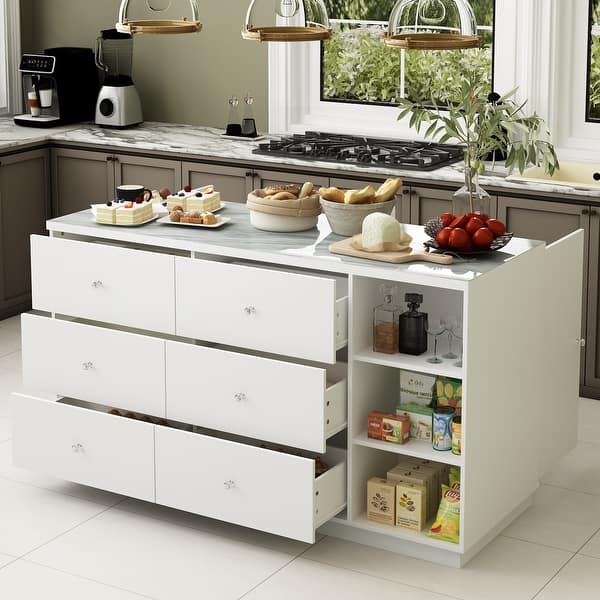
Kitchen islands solve the problem of empty kitchen space in wider layouts by creating natural zones while delivering essential storage. Before selecting an island, measure carefully—maintain at least 42 inches of clearance around all sides for comfortable movement and cabinet access. An appropriately sized island transforms awkward expanses into functional work areas while maintaining visual balance in your kitchen.
Consider your household’s specific storage needs when designing your island. Families might prioritize lower cabinets with child-safe latches, while serious cooks prefer additional prep space with built-in knife blocks and utensil drawers. Islands with seating work particularly well in open-concept homes, creating natural transitions between cooking and living areas without requiring major structural changes.
Create a Breakfast Nook Zone That Serves Dual Purposes
That empty space between your kitchen island and dining area represents prime real estate for a breakfast nook. Install a built-in bench under a picture window with two armchairs facing the bench to create an intimate gathering spot that maintains sightlines while adding functional seating. This configuration works especially well when you have a view worth maximizing—turning what was once dead space into an intentional living area.
Banquette seating around breakfast tables creates cozy, intimate spots while maintaining comfort in tighter spaces. Position bookcases beneath breakfast bar counters to provide bonus storage for cookbooks and linens while adding visual interest that breaks up blank wall space. The key is ensuring your nook doesn’t interfere with kitchen traffic patterns while providing comfortable seating for morning coffee and family meals.
Install Strategic Wall Shelving That Works Hard

Shelving transforms empty kitchen space by maximizing vertical real estate without consuming valuable floor area. Start with a single floating shelf above your coffee maker to store mugs and keep countertops clear. For particularly awkward corners, slim bookcases (just 10-12 inches deep) offer excellent storage for spices, cookbooks, and kitchen tools that would otherwise clutter drawers.
When styling shelves, focus on both function and aesthetics. Store frequently used items within easy reach while displaying attractive cookware to add personality. Use matching baskets on lower shelves to corral items like baking supplies or cleaning products—this approach keeps everything organized while maintaining a cohesive look. Properly installed shelves should sit at eye level for easy access but not interfere with cabinet door swing.
Transform Cabinet Side Spaces Into Functional Zones
The sides of refrigerators represent commonly wasted spots that you can easily transform when figuring out how to fill empty kitchen space. Install a multi-tiered spice rack on the side of your fridge to keep ingredients visible and accessible—this simple addition encourages more adventurous cooking while breaking up the solid slab of color.
For blank spaces next to ranges or on cabinet ends, add decorative hooks for dish towels and oven mitts in accent colors that add visual interest. Where gaps exist between cabinets and appliances, use filler panels painted to match your cabinetry for a seamless, finished appearance. These small changes take less than an hour to implement but make every surface feel intentional and polished.
Build a Dedicated Coffee Station in Unused Counter Space
:strip_icc()/BHG-hideaway-coffee-station-CUReZby1K9c8oHakyFJvn3-b7f1ea273a434aea8dd641c93c5017d6.jpg)
Coffee makers deserve more than temporary counter space—they need a dedicated station that keeps wires and supplies organized. Transform that empty corner beside your sink into a coffee zone with a pull-out drawer for filters and a small cabinet for mugs. This solution typically takes just 2-3 hours to install but elevates your morning routine significantly.
For tea lovers, create a similar station with open shelving to display your collection of teapots and cups. Position this station near your water source but away from main cooking zones to avoid steam interference. The key is keeping everything within arm’s reach while maintaining clean lines—nothing ruins the look of a thoughtfully designed kitchen like appliances left out after use.
Optimize Awkward Corner Storage with Smart Solutions
Corner cabinets represent some of the most challenging empty kitchen space to utilize effectively. Install a lazy Susan to access items stored in corners without removing everything to reach what’s at the back. This simple organizational tool transforms wasted space into functional storage in under an hour with basic tools.
For narrow gaps between appliances and cabinets, carve vertical slots just 2 inches wide to store cutting boards and baking sheets upright. This solution frees up substantial cabinet space while keeping these flat items immediately accessible. Deep cabinet shelves become useful when converted to pull-out drawers—ideal for storing pots, pans, and serving dishes that would otherwise get buried at the back.
Create Functional Drop Zones Near Entry Points
Small empty spaces near kitchen doors work perfectly for creating drop zones that reduce household clutter. Install a narrow cabinet with electrical outlets for charging devices and apothecary drawers sized for keys and small essentials. This solution typically takes a weekend to implement but pays dividends in daily organization.
Position hooks for bags and shelves for mail at eye level for easy access. The key is providing enough varied storage options to accommodate the diverse items that accumulate in kitchen entryways—this approach transforms dead space into functional organization that reduces daily stress. Consider adding a small bench for putting on shoes if space allows, creating a true mudroom extension within your kitchen.
Add Home Office Integration Without Sacrificing Kitchen Function
Empty kitchen walls provide excellent opportunities for home office integration that serves multiple purposes. Slot a small desk into that unused wall space between your pantry and refrigerator to create a meal planning station that’s convenient but out of the main cooking zone.
Choose a desk in coordinating colors that complements your kitchen aesthetic while providing dedicated space for household management. This solution typically requires just a single day to implement but creates valuable workspace without requiring a separate room. Keep it functional with a small drawer for pens and notes, plus wall-mounted storage for cookbooks and recipe files.
Small Space Solutions for Immediate Impact
For renters or those unable to make permanent changes, numerous solutions exist that require no structural modifications. Command hooks and removable mounting hardware allow for basket installations and hanging storage without damaging surfaces. Free-standing furniture like rolling carts provide flexible storage that can be repositioned as needs change.
Colorful accessories transform sterile spaces with minimal investment—tea towels, dishware, and decorative containers add personality while softening contemporary kitchen lines. Before purchasing any solution, measure carefully to ensure new additions enhance rather than impede functionality. Proper placement around heat sources requires attention to safety, maintaining at least 6 inches of clearance between storage and cooking surfaces.
Transforming empty kitchen space starts with viewing every awkward corner and blank wall as an opportunity rather than an obstacle. Whether you add a kitchen island for storage, install strategic shelving, or create a cozy breakfast nook, each solution contributes to a more functional and beautiful kitchen. Begin by assessing your specific empty spaces, consider how your household uses the kitchen daily, and select solutions that address your particular needs. With thoughtful planning, even the most challenging empty spaces can become valuable additions to the heart of your home—no major renovation required. Start with one small change today, and watch how it transforms not just your kitchen’s appearance, but your entire daily routine.