Ever felt frustrated trying to cook efficiently in a long, narrow kitchen that feels more like a hallway than a functional workspace? You’re not alone—rectangular kitchens present unique design challenges that impact 65% of homeowners during renovations. The good news is that with thoughtful planning, your rectangular kitchen can transform from a cramped corridor into an efficient, beautiful hub for cooking and gathering. This guide reveals exactly how to design a rectangular kitchen that maximizes every inch of space while creating natural workflow zones and visual appeal. Whether you’re working with a compact galley-style rectangle or a spacious open-concept layout, these proven strategies will help you create a kitchen that functions beautifully within your specific footprint.
Before diving into cabinet colors or appliance brands, you need to understand the specific characteristics of your rectangular space and how different layout configurations can address its inherent challenges. The goal isn’t to fight against your kitchen’s shape but to work with it to create natural workflow zones, efficient storage solutions, and visual interest throughout the length of the room. With the right approach, a rectangular kitchen can become one of the most functional and aesthetically pleasing layouts in any home.
Measure Your Space Accurately Before Designing
Document Every Dimension That Affects Layout
Your rectangular kitchen’s success starts with precise measurements—don’t estimate or skip this critical step. Grab a tape measure and record the exact length and width of your space, ceiling height, window placements with their dimensions, door swings and clearance requirements, plus locations of existing plumbing connections, electrical outlets, and ventilation ducts. These measurements form the blueprint for every design decision you’ll make, and errors here can lead to costly installation problems later.
Pay special attention to any irregularities in your rectangular space that might affect cabinet placement. Note soffits, pillars, uneven floors, or obstructions—these details will prove invaluable when arranging workstations. Create a scale drawing on graph paper or use a digital design tool to manipulate your floor plan visually before committing to specific configurations. Digital platforms like Spoak offer centimeter-precise measurement capabilities, allowing you to test different layouts without physical changes.
Identify Fixed Elements That Limit Design Options
Every rectangular kitchen exists within architectural constraints that determine what’s possible. Examine your space for fixed elements that cannot be moved without significant expense: load-bearing walls that restrict opening the kitchen to adjacent rooms, plumbing stacks that fix sink locations, and electrical panels that determine where major appliances can be positioned. These constraints often dictate whether a single-wall, two-wall, or L-shaped configuration makes the most sense.
Consider how your rectangular kitchen connects to the rest of your home. The placement of exterior doors, stairwells, or other circulation paths will influence where you locate primary workstations to minimize traffic flow conflicts during meal preparation. A kitchen that opens directly into a dining area might benefit from an L-shaped configuration that creates a natural transition, while a kitchen accessed primarily from a hallway might work better with a single-wall layout that maximizes floor space for movement.
Select the Optimal Layout Configuration
:max_bytes(150000):strip_icc()/make-galley-kitchen-work-for-you-1822121-hero-b93556e2d5ed4ee786d7c587df8352a8.jpg)
Single-Wall Layouts for Narrow Rectangular Kitchens
When your rectangular space measures less than 12 feet wide, a single-wall layout often proves most practical. This configuration concentrates all primary workstations along one continuous wall, preserving maximum floor space for other activities while creating a clean, streamlined appearance. For optimal functionality, position the refrigerator at one end, progress through preparation areas and the cooking surface, and conclude with the cleanup zone near the opposite end.
Critical considerations for single-wall rectangular kitchens:
– Ensure at least 4 feet of counter space between major appliances
– Install wall-mounted cabinets above primary work surfaces to maintain floor space
– Incorporate task lighting to eliminate shadows from upper cabinets
– Position the sink near a window if possible for natural light and views
This layout works exceptionally well in open-concept homes where the kitchen shares floor area with living or dining zones, allowing the rectangular space to flow naturally into adjacent areas without visual barriers.
Two-Wall Galley Layouts for Wider Rectangular Spaces
If your rectangular kitchen provides at least 36 to 48 inches of width between opposite walls, a two-wall galley configuration creates highly efficient work triangle formation. This approach maximizes both counter surface and storage capacity within your rectangular footprint by arranging workstations along opposite sides of the room. The key to success lies in managing the central corridor as your primary circulation path.
Strategic placement of the refrigerator and primary cleanup zone at the ends of the layout—not in high-traffic central positions—minimizes workflow interruptions when multiple household members use the kitchen simultaneously. Ensure these critical clearances:
– Maintain minimum 36-inch passage width between counters
– Allow 48 inches for two people working simultaneously
– Verify appliance doors can open fully without interference
– Consider shallow-depth cabinets on the corridor side to maximize passage
The galley layout creates a natural workflow where you move between stations without excessive backtracking, making it ideal for rectangular spaces with sufficient width.
L-Shaped Layouts for Balanced Functionality
L-shaped configurations utilize two adjacent walls within your rectangular space, creating a natural corner workstation while leaving the remaining floor area open for dining or traffic circulation. This approach works particularly well in rectangular kitchens where the room width allows for adequate counter depth on both walls without creating an excessively narrow central area.
The L-shape creates an inherently efficient work triangle between the sink (typically positioned in the corner for plumbing efficiency), the primary cooking surface, and the refrigerator. Address these corner challenges:
– Install specialized pull-out organizers or lazy susan mechanisms
– Avoid placing heavy items in hard-to-reach corner depths
– Position the refrigerator on the longer wall for better accessibility
– Leave at least 4 feet of counter space between major workstations
This configuration provides the visual openness of a single-wall layout while maintaining the efficient workflow of a two-wall design—making it the most popular choice for rectangular kitchens with adequate width.
Optimize Storage and Workflow
Create Functional Zones Within Your Rectangular Space
Effective rectangular kitchen design organizes storage and workstations into distinct functional zones that support your specific cooking patterns. Group items used together in close proximity: baking supplies near your mixer, everyday dishes near the dishwasher, and cooking oils near the primary cooking surface. This zone-based approach reduces steps during meal preparation and makes your kitchen feel intuitive.
Beyond primary cooking zones, consider creating dedicated areas for other activities:
– A homework station near an outlet for children
– A coffee bar with its own small refrigerator
– A bar area with glass storage for entertaining
– A charging station for electronic devices
These specialized zones transform your rectangular kitchen from purely utilitarian to the functional heart of your home, accommodating multiple activities without workflow conflicts.
Maximize Vertical Storage Capacity
Rectangular kitchens often face storage challenges due to their linear geometry. Make the most of vertical space by extending cabinets to the ceiling rather than leaving a gap above upper cabinets that collects dust. High ceilings offer opportunities for decorative glass-front cabinets displaying cherished dishware, while standard ceilings can accommodate additional shelf storage.
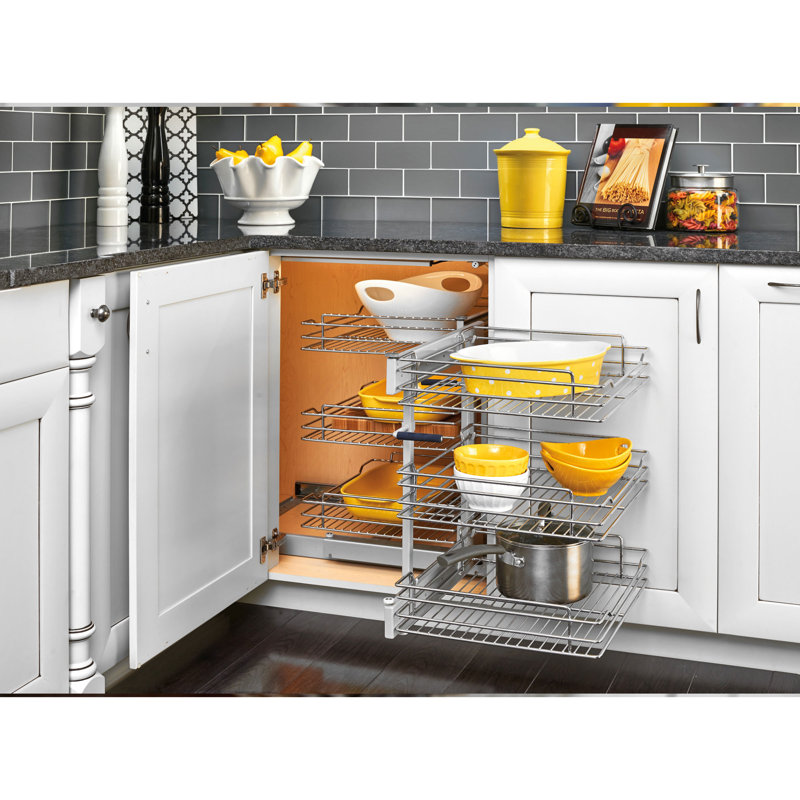
Incorporate these specialized storage solutions:
– Pull-out pantry systems for narrow gaps between appliances
– Vertical dividers for baking sheets and cutting boards
– Under-cabinet mounting systems for frequently used utensils
– Corner cabinet organizers that eliminate dead storage space
These investments pay daily dividends in kitchen functionality and reduce visual clutter that can make rectangular spaces feel narrower than they are.
Enhance Visual Appeal in Long Spaces
Break Up the Linear Visual Flow
The elongated geometry of rectangular kitchens can make spaces feel tunnel-like without thoughtful visual design. Counteract this by creating visual breaks and points of interest along the length of the room. Vary cabinet door styles or finishes between different wall sections: introduce glass-front cabinets on one wall, mix solid doors with open shelving on another, or incorporate a contrasting island that breaks up the linear visual flow.
Lighting design plays a crucial role in enhancing rectangular kitchen aesthetics. Install task lighting above primary work surfaces, add pendant fixtures above any island or breakfast bar, and incorporate under-cabinet lighting to illuminate backsplash surfaces. Use these lighting strategies:
– Install dimmer switches for adjustable intensity
– Position fixtures to eliminate shadows on work surfaces
– Create visual anchors at regular intervals down the length
– Use warm white bulbs (2700K-3000K) for inviting ambiance
Choose Strategic Color and Material Combinations
:strip_icc()/blakelytwotoned-1da840ec2d6b4d09b662bbb5c2d26a68.jpeg)
Color choices dramatically affect how your rectangular kitchen feels. Lighter colors expand visual space, making narrow kitchens feel more open, while darker tones add warmth to large rectangular spaces. Consider a two-tone approach using lighter finishes on upper cabinets (which influence perceived space more significantly) and slightly darker tones on base cabinets.
Backsplash treatments offer opportunities to introduce pattern without overwhelming the space. Horizontal patterns accentuate the room’s length, while vertical tile arrangements draw the eye upward. Select materials that enhance your rectangular layout:
– Use reflective surfaces like glass or polished stone to bounce light
– Incorporate wood elements for warmth in long, narrow spaces
– Choose consistent flooring throughout to enhance flow
– Avoid busy patterns that can make the space feel chaotic
Finalize Your Rectangular Kitchen Design Plan
Develop Comprehensive Documentation
Before purchasing materials or beginning demolition, develop detailed plans documenting every aspect of your rectangular kitchen design. Create accurate floor plans showing cabinet and appliance placements, electrical outlet locations, lighting fixture positions, and any required construction modifications. Elevations of each wall help visualize final appearances and identify potential conflicts before they become expensive problems.
These detailed plans serve multiple purposes: they communicate your vision clearly to contractors, ensure accurate bids, provide documentation for permits, and serve as reference during installation. Your documentation should include:
– To-scale floor plans with all fixed elements
– Wall elevations showing cabinet configurations
– Lighting plan with fixture specifications
– Material samples and finish selections
– Appliance specifications with dimensions
Plan for Realistic Implementation
Many rectangular kitchen renovations proceed in phases due to budget constraints or the need to maintain functionality during construction. Develop a phased implementation plan prioritizing changes delivering the greatest functional improvement while establishing a coherent design direction for future phases.
Consider which elements can be implemented independently versus those requiring simultaneous completion. Cabinet installation typically precedes backsplash work, which must precede countertop installation. Understanding these dependencies helps sequence work efficiently, minimize disruptions, and avoid situations where incomplete phases leave your kitchen nonfunctional.
Designing a rectangular kitchen successfully requires embracing your space’s unique geometry rather than fighting against it. By choosing the appropriate layout configuration for your specific dimensions, maximizing storage and workflow efficiency, and applying visual design principles that enhance rather than fight the room’s natural elongation, you’ll create a kitchen that serves your household needs beautifully. Take time to plan thoroughly using precise measurements and detailed documentation, work with qualified professionals for complex installations, and remember that thoughtful design choices made now will reward you with years of comfortable, functional kitchen use in your rectangular space.