That unpleasant smell wafting from your kitchen sink can ruin your entire cooking experience. Whether it’s a sour, rotten, or musty odor, kitchen sink smells typically indicate buildup in your drain or garbage disposal. The good news is you don’t need expensive chemicals or professional help to solve this common household problem. Most odor issues can be resolved with items already in your pantry and about 15 minutes of your time. In this guide, you’ll discover proven methods to eliminate sink odors completely, understand why they keep returning, and learn simple daily habits to prevent future stink problems.
Kitchen sink odors usually stem from organic matter trapped in your pipes or disposal unit. Food particles, grease, and soap scum create the perfect breeding ground for odor-causing bacteria. Many people mistakenly think pouring bleach down the drain solves the problem, but this often just masks smells temporarily while potentially damaging your pipes. The most effective solutions target the root cause—breaking down the gunk feeding bacteria—rather than simply covering up smells. By the end of this guide, you’ll have multiple reliable techniques to restore freshness to your kitchen sink, regardless of how severe the odor has become.
Why Your Kitchen Sink Smells Worse After Using the Garbage Disposal
Identifying the Source of Your Drain Odor Problem
Before treating sink odors, pinpoint exactly where the smell originates. Place your nose near different parts of your sink setup while running water to identify the specific problem area. If the odor comes primarily from the garbage disposal, you’re dealing with food debris trapped in the impeller plate or drain pipe. For double sinks without disposals, check if only one side smells—this typically indicates a clogged P-trap. Persistent odors that linger after cleaning suggest biofilm buildup further down the pipe system. Pay attention to when the smell occurs: constant odors point to standing water issues, while smells only during/after use indicate food debris problems.
Common Culprits Behind Persistent Kitchen Sink Odors
Most kitchen sink smells stem from four main causes. Food particles trapped in disposal blades create rotting organic matter that feeds odor-causing bacteria. Grease and oil buildup along pipe walls provides perfect conditions for bacterial growth. Infrequently used sinks develop stagnant water in the P-trap, allowing sewer gases to enter your kitchen. Finally, mold and mildew growth in drain components creates musty smells that intensify over time. Each cause requires a slightly different treatment approach, which is why many people fail when they use a one-size-fits-all solution. Understanding which factor affects your sink helps you select the most effective deodorizing method.
Baking Soda and Vinegar Drain Treatment That Actually Works
Perfecting the Baking Soda and Vinegar Ratio for Maximum Effect
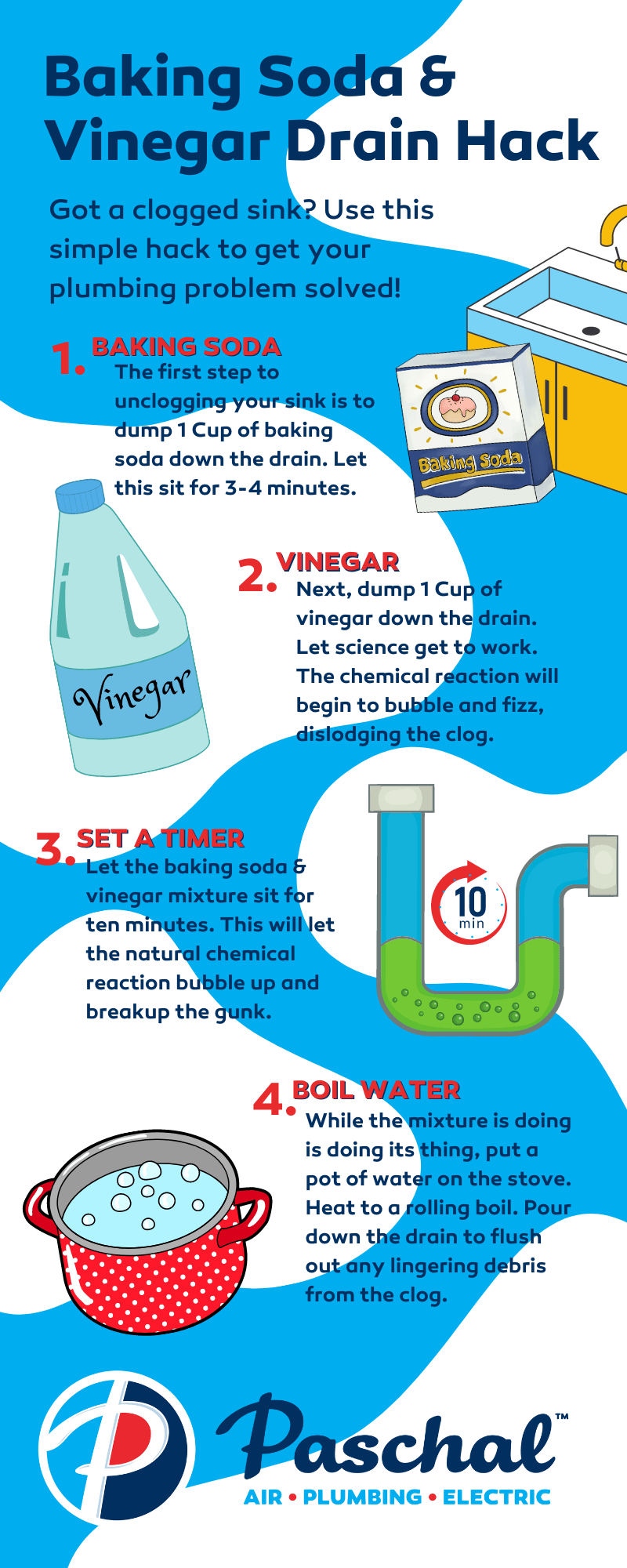
The classic baking soda and vinegar method works when executed correctly, but most people use the wrong proportions and timing. For standard kitchen sinks, start with ½ cup of baking soda poured directly into the drain. Follow immediately with 1 cup of white vinegar—this creates the necessary foaming action that dislodges debris. Crucially, cover the drain with a plug or damp cloth to contain the reaction within your pipes for 15-20 minutes. This extended contact time allows the solution to break down gunk rather than just fizzing down the drain. After the waiting period, flush with boiling water to wash away loosened debris. For severe odors, repeat the process twice weekly until the smell disappears completely.
Timing Your Treatment for Long-Lasting Results
When performing the baking soda and vinegar treatment, schedule it before bedtime for optimal results. The extended dwell time while you sleep allows the solution to work on stubborn buildup without interference from water usage. Avoid running any water for at least 30 minutes after flushing with boiling water to prevent redepositing loosened debris. For garbage disposals, run cold water while grinding ice cubes after treatment to clear any remaining particles from the blades. This simple timing adjustment transforms a temporary fix into a long-term solution that keeps odors away for weeks instead of days.
Citrus-Powered Deep Cleaning for Garbage Disposal Odors
Creating Professional-Grade Citrus Cleaning Cubes
Restaurant kitchens use citrus to neutralize strong cooking odors, and you can replicate this technique at home. Freeze citrus peels (lemon, lime, or orange) in ice cube trays with vinegar for powerful odor-eliminating cubes. When frozen, run 3-4 cubes through your disposal with cold water for 30 seconds. The abrasive ice scrubs buildup from blades while citrus oils and vinegar break down grease and kill bacteria. Never use whole citrus fruits as they can damage disposal mechanisms. For immediate odor neutralization during cooking, keep a small bowl of fresh citrus peels near your workstation to absorb airborne smells before they settle in your sink.
Targeting Hidden Disposal Components That Harbor Odors
Most people only clean the visible disposal opening, missing critical odor sources. Remove and clean the splash guard (the rubber flange at the top) weekly by soaking it in warm vinegar water. Use an old toothbrush dipped in baking soda paste to scrub the impeller plate and sidewalls while the disposal is off. Pay special attention to the rubber gasket where the disposal meets the sink—this often-neglected area traps moisture and food particles. Reassemble components only when completely dry to prevent mold growth. This comprehensive approach eliminates 95% of disposal odors at their source rather than just treating surface smells.
Preventing Future Sink Odors With Daily Maintenance Habits
The 10-Second Daily Routine That Stops Odors Before They Start
Preventing sink odors requires just seconds of daily attention. After your last dishwashing session each evening, pour ¼ cup of baking soda down the drain followed by ½ cup of vinegar. Let it foam for 5 minutes, then flush with hot water. This nightly treatment prevents organic buildup without harsh chemicals. Additionally, always run cold water for 15 seconds after using the disposal to ensure all particles clear the pipes. For double sinks, alternate usage to prevent stagnation in unused drains. These micro-habits take less time than brushing your teeth but keep your sink smelling fresh for months.
Strategic Water Usage Patterns to Maintain Fresh Drains
How you use water significantly impacts odor prevention. Always use cold water with disposals as hot water can melt fats that later solidify further down pipes. After disposing of starchy foods (pasta, rice) or fibrous materials (celery, asparagus), run extra water to ensure complete clearance. For rarely used guest bathroom sinks, pour a pitcher of water down the drain weekly to maintain the P-trap seal. Install aerators that create stronger water flow to help push debris through pipes more effectively. These simple water management techniques prevent the conditions that lead to most sink odor problems.
When to Call a Professional for Persistent Drain Smells
Recognizing Signs of Serious Plumbing Issues Beyond DIY Fixes
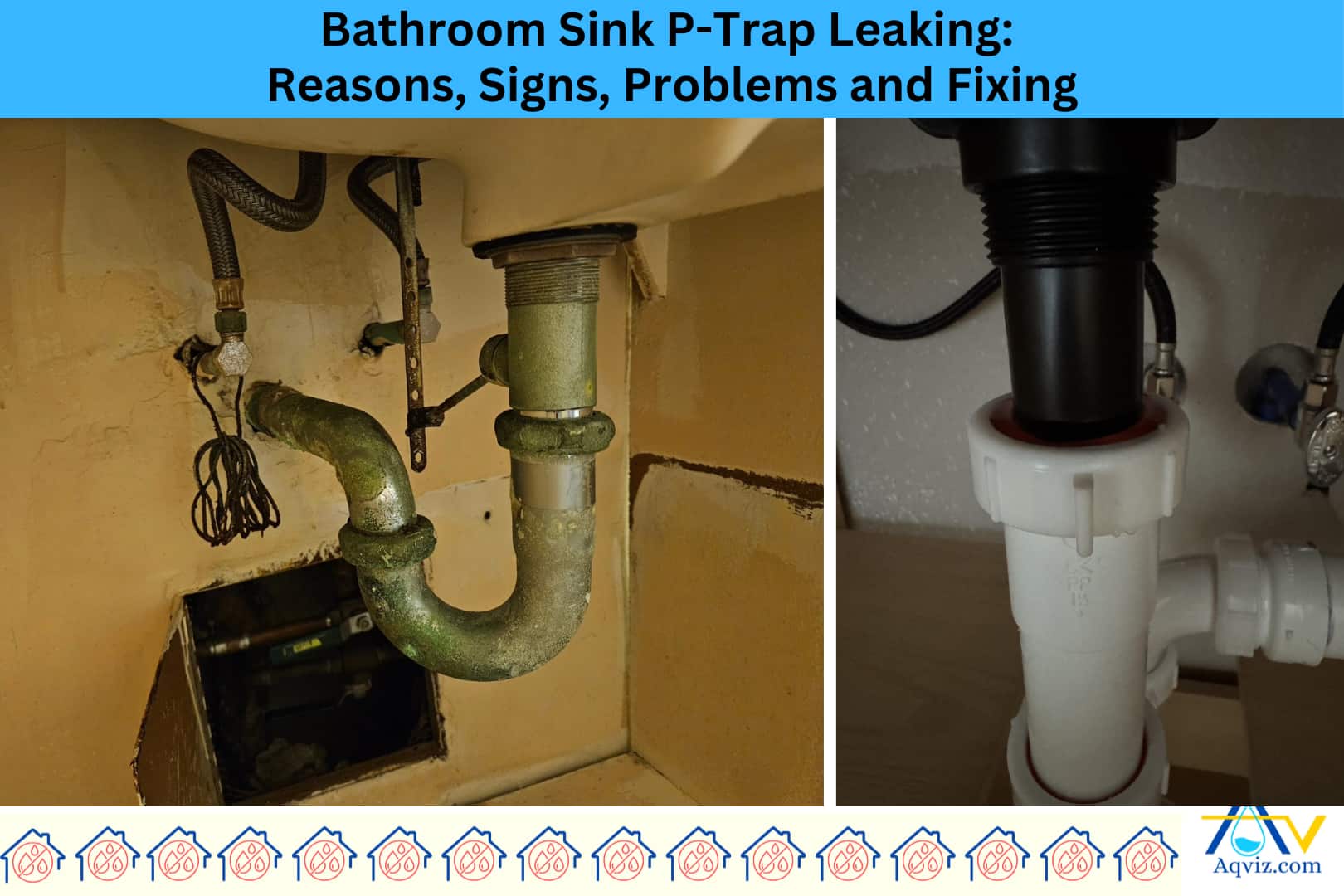
Some sink odors indicate problems requiring professional attention. If multiple treatments fail and smells persist, you may have a broken P-trap seal or venting issue. Sewer gas odors (rotten egg smell) that don’t improve with cleaning suggest a more serious plumbing defect. Gurgling sounds accompanying odors often indicate partial blockages deeper in the system. Discoloration around pipe connections or visible mold growth signals potential water damage needing professional assessment. Don’t waste time on repeated DIY attempts when these warning signs appear—schedule a plumber immediately to prevent health hazards and costly damage.
Cost-Effective Professional Solutions Worth the Investment
For recurring odor problems, certain professional services provide long-term value. Hydro-jetting uses high-pressure water to completely clear pipe buildup better than any chemical treatment. Camera inspections identify hidden problem areas without destructive searching. Enzyme treatments applied by professionals target the biofilm causing persistent odors. While these services cost $100-$300, they often eliminate problems permanently compared to endless DIY attempts. Ask about maintenance packages that include quarterly cleanings at discounted rates—this proactive approach prevents most odor issues before they start and extends your plumbing system’s lifespan.
Final Note
Kitchen sink odors don’t have to be a constant battle in your home. By implementing the targeted cleaning methods and preventative habits outlined in this guide, you can enjoy a consistently fresh-smelling kitchen sink with minimal effort. Remember that the most effective approach combines immediate odor elimination with consistent maintenance—treat the problem today while establishing habits that prevent tomorrow’s stink. Keep your baking soda and vinegar handy for quick treatments, incorporate the nightly 10-second routine, and pay special attention to your garbage disposal components. Within days, you’ll notice a dramatic improvement, and with ongoing care, your sink will stay odor-free for good. For particularly stubborn cases, don’t hesitate to call a professional—sometimes the smartest DIY move is knowing when to bring in the experts.