
Your kitchen window isn’t just a source of natural light—it’s the visual heartbeat of your cooking space that often gets neglected in home design projects. When you learn how to decorate kitchen window areas thoughtfully, you unlock one of the highest-impact transformations per square foot in your entire home. Imagine sipping morning coffee beside a thriving herb garden while sunlight filters through perfectly styled curtains, or creating a cozy nook where friends naturally gather during dinner parties. The right window treatments balance privacy needs with aesthetic appeal, turning a purely functional spot into your kitchen’s most inviting feature. In this guide, you’ll discover actionable strategies to decorate your kitchen window based on your specific layout, lighting conditions, and lifestyle—whether you’re working with a tiny apartment window or a spacious farmhouse sink view.
Select Window Treatments Matching Your Kitchen Style
Choosing the perfect window treatment starts by analyzing your kitchen’s existing design language and practical needs. Modern kitchens thrive with minimalist roller shades or clean-lined café curtains that maintain sightlines while filtering harsh sunlight, whereas traditional or farmhouse spaces shine with ruffled valances and vintage tea towels hung on decorative rods. Consider whether your window should serve as a bold focal point—ideal for kitchens with simple cabinetry—or a subtle complement in already busy spaces. Always prioritize function: if your window overlooks a busy street, opt for treatments that provide privacy during evening cooking sessions without sacrificing daytime brightness. Measure your window frame precisely before purchasing, as ill-fitting treatments instantly look amateurish regardless of style.
Install Café Curtains for Instant Charm
Café curtains transform kitchen windows by covering only the lower third to half of the glass, shielding street-level views while allowing abundant top-light to brighten countertops. This style works especially well above sinks where you need privacy during dishwashing but want to maintain an open feel. For authentic kitchen charm, select lightweight cotton or linen fabrics in cheerful patterns like gingham checks, delicate florals, or vertical stripes that coordinate with your dishware. Mount the curtain rod at the exact midpoint of your window frame for traditional placement, ensuring the fabric just grazes your countertops when closed. Pro tip: Hem the bottom edge with contrasting piping to prevent fraying and add visual polish—this small detail elevates budget fabrics instantly.
Choose Roman Shades for Customizable Sophistication

Roman shades deliver tailored elegance that bridges contemporary and classic kitchen designs through their clean folded pleats when raised and smooth coverage when lowered. Unlike bulky blinds, they maintain sightlines to your backyard when partially raised while providing complete privacy for evening cooking. Select durable, washable fabrics like Sunbrella for high-traffic kitchens where spills happen, or natural woven materials like bamboo for organic texture in rustic spaces. For windows above sinks or hard-to-reach areas, invest in cordless or motorized operation—you’ll appreciate the convenience when adjusting light during meal prep. Remember to measure both window recess depth and outside frame width to determine whether inside or outside mounting creates the most streamlined look.
Build Floating Shelves for Functional Greenery
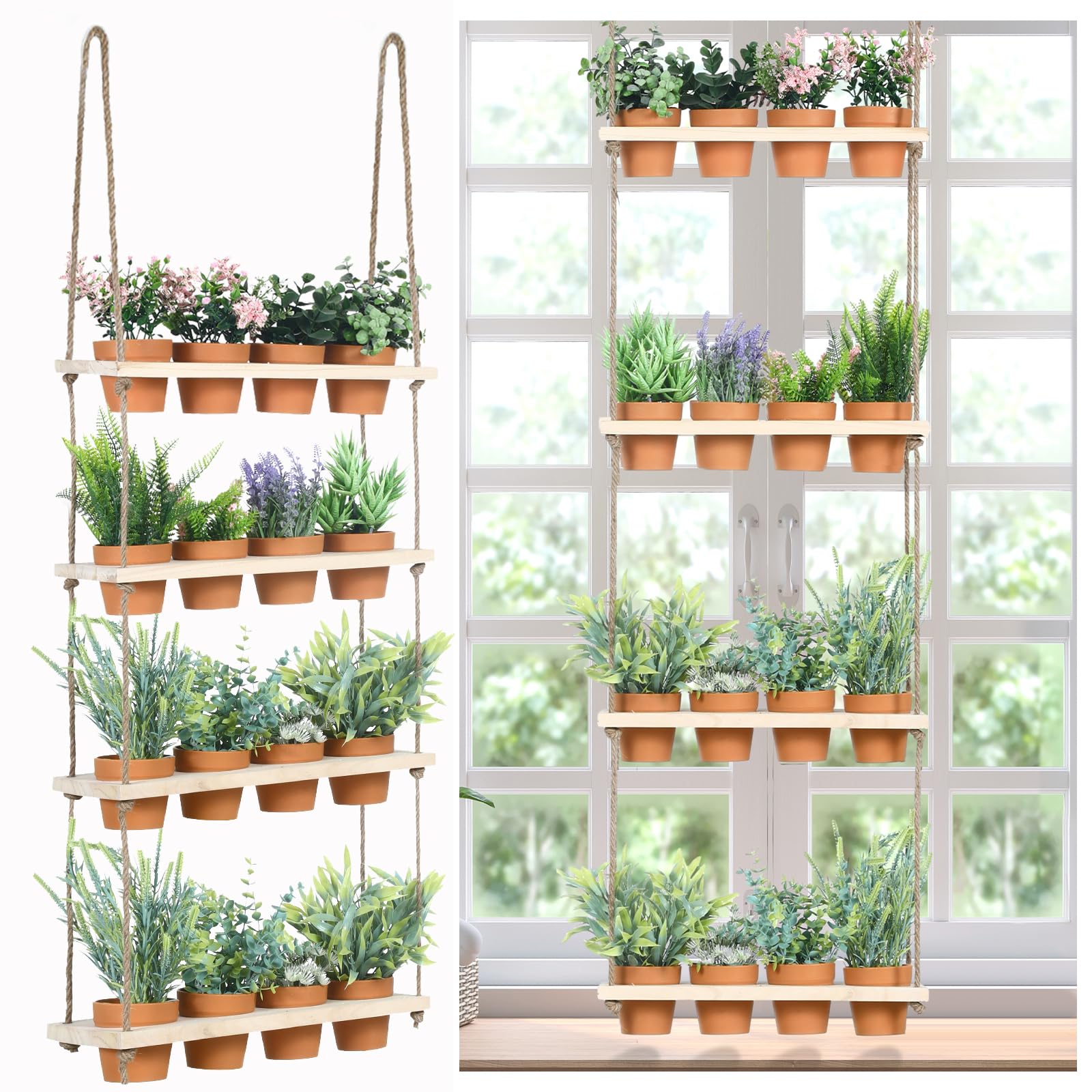
Transform your kitchen window into a living display by installing shallow floating shelves across the frame—this solution adds storage without blocking precious light. Anchor shelves securely into wall studs using appropriate hardware for your wall type (drywall anchors won’t support heavy planters), spacing them 6-8 inches apart for visual rhythm. Use these shelves to display matching ceramic herb pots, trailing pothos plants in macramé hangers, or decorative glass bottles filled with dried flowers. Crucially, keep shelf depth under 6 inches to prevent shadows on your countertops during morning prep hours. This approach turns passive window space into an active ingredient station where fresh basil or mint sits within arm’s reach while cooking.
Grow Living Decor with Kitchen-Friendly Plants
Strategic greenery instantly breathes life into kitchen windows by leveraging natural light for both beauty and utility. Position plants according to their light needs: tall, upright varieties like snake plants work best in corners, compact succulents fit neatly on narrow sills, and trailing plants like spider plants create visual movement when suspended near the ceiling. Group odd numbers of plants (3 or 5) for professional styling, varying heights and textures to avoid a cluttered look. Always use pots with drainage holes paired with saucers to protect wooden sills from water damage—this practical step prevents warping while maintaining aesthetics.
Create a Culinary Herb Garden Within Reach
A kitchen window herb garden delivers double-duty decoration by providing fresh flavors for cooking while adding vibrant greenery. Basil, thyme, and rosemary thrive in south-facing windows receiving 4+ hours of direct sunlight daily—place them in matching terracotta pots or a unified planter box for cohesion. Water herbs only when the top inch of soil feels dry to prevent root rot, and rotate pots weekly for even growth toward the light. For renters or small spaces, use a single-tiered hanging planter that attaches to the window frame with tension rods—this rental-friendly solution keeps herbs accessible without permanent installation. Pro tip: Pinch back growing tips regularly to encourage bushier plants that yield more cooking ingredients.
Choose Low-Effort Plants for Busy Cooks
When your schedule leaves little time for plant care, select resilient varieties that tolerate kitchen conditions like steam, temperature shifts, and irregular watering. ZZ plants and snake plants survive weeks without water and thrive in low-light north-facing windows, while succulents like echeveria handle sunny spots with monthly watering. Avoid moisture-loving ferns near dishwashers or stoves where dry air causes browning. For true zero-maintenance impact, display dried lavender bundles or preserved eucalyptus in vintage bottles—they add texture and fragrance without watering needs. Remember: even “low-maintenance” plants need occasional dusting of leaves to maximize light absorption.
Add Functional Accessories Without Permanent Changes
Maximize your kitchen window’s utility with rental-friendly accessories that solve common pain points without damaging surfaces. Magnetic hooks adhere to stainless steel windowsills for hanging towels, suction-cup organizers hold utensils on glass panes, and tension rod systems support lightweight curtains without drilling. Focus on accessories that directly support kitchen activities happening at the window: if you brew morning coffee there, add a small shelf for mugs; if kids do homework nearby, install under-shelf LED task lighting. Always test accessory weight limits—overloading suction cups causes sudden drops that damage countertops.
Mount Sill Organizers Matching Your Hardware
Install slim under-shelf baskets or adhesive hooks along your window frame to hold frequently used items within sight but off countertops. Choose organizers in finishes that echo your faucet and cabinet hardware—matte black for industrial kitchens, brushed brass for vintage spaces—to create intentional cohesion. Use these to store rolled dish towels, oven mitts, or small gardening tools for your window plants. For extra flair, line baskets with fabric matching your curtains or use decorative ceramic hooks shaped like herbs. Crucially, leave at least 30% of your sill visible to prevent visual clutter and maintain the window’s airy feel.
Extend Ambiance with Strategic Lighting
Counter fading daylight by installing LED strip lights under upper cabinets that angle toward your window area, creating the illusion of extended sunset hours. Choose warm-white (2700K-3000K) bulbs that mimic candlelight for evening dining, avoiding harsh cool tones that make food look unappetizing. For maximum flexibility, select smart bulbs controllable via voice commands—you can dim lights while stirring a sauce without leaving the stove. Position strips 2-3 inches back from the cabinet edge to prevent direct glare while illuminating your window decor. This lighting strategy makes your decorated window a focal point even after dark, turning functional space into atmospheric dining area.
Layer Textures for Professional-Grade Appeal
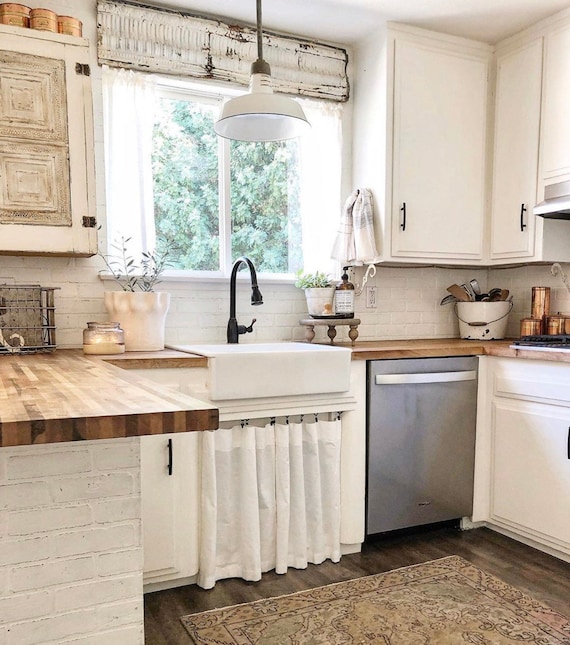
Elevate your kitchen window decor by combining 3-4 complementary textures that add depth without overwhelming the space. Pair a woven jute roller shade with sheer linen café curtains, then add ceramic planters and a copper watering can on shelves for metallic contrast. Limit your color palette to two dominant hues (like sage green and cream) plus one accent color (terracotta) to maintain cohesion. Always repeat textures elsewhere in the kitchen—a linen tea towel on the oven handle echoes curtain fabric, while wooden plant markers match your cutting board. This layered approach creates visual richness that makes your how to decorate kitchen window efforts look curated rather than haphazard.
Harmonize with Existing Kitchen Elements
Create seamless integration by pulling colors and materials directly from your kitchen’s current design. If your backsplash features subway tiles with gray grout, choose curtain fabrics with subtle gray undertones. Match curtain rod finishes to your faucet—matte black for modern kitchens, polished nickel for traditional. Echo the shape language in your decor: curved valance edges soften angular cabinetry, while geometric planters complement contemporary spaces. This coordination makes window treatments feel like an organic extension of your kitchen rather than an isolated project. Pro tip: Photograph your kitchen and use a color picker app to identify exact shades for perfect matching.
Rotate Decorations Seasonally for Fresh Appeal
Keep your kitchen feeling current by swapping window elements with the seasons using just 2-3 quick changes. In spring, hang lightweight floral café curtains and add tulip bulbs in glass vases; for summer, replace with gauzy white panels and potted basil. Fall calls for woven shades and miniature pumpkins on shelves, while winter shines with velvet ribbons and pine-scented evergreens. The key is changing only anchor pieces—keep your base treatment (like neutral Roman shades) constant and swap smaller accessories. This approach delivers year-round visual interest without requiring full redecorating, making your how to decorate kitchen window strategy sustainable long-term.
Transforming your kitchen window through thoughtful decoration creates one of the most rewarding home upgrades you’ll ever tackle. By implementing these practical strategies—selecting style-appropriate treatments, incorporating living greenery, adding functional accessories, and layering textures—you’ll craft a window space that’s both beautiful and deeply useful. Start with just one change this weekend: hang a simple café curtain panel or plant three basil cuttings in recycled jars. Notice how this small shift makes your kitchen feel more intentional and inviting. As you build confidence, layer additional elements that reflect your personality and cooking habits. Remember, the most successful kitchen window decor solutions solve real problems while sparking daily joy—whether it’s grabbing fresh rosemary for dinner or watching morning light dance through your carefully curated space. Your perfect window transformation begins with that first small step today.