Open kitchen shelves transform ordinary storage into striking design features that showcase your personality while keeping essentials within reach. The frustration of cluttered, mismatched shelves that look hastily thrown together plagues many homeowners who want their kitchen to feel both functional and beautiful. You’ve likely stared at your bare shelves wondering how to arrange dishes, cookbooks, and decor without creating visual chaos. This guide reveals professional styling techniques that balance everyday practicality with magazine-worthy aesthetics, turning your kitchen shelves into intentional displays that elevate your entire cooking space.
The secret to stunning kitchen shelves lies in understanding that every item serves either a practical or aesthetic purpose—ideally both. Forget the outdated notion that open shelving must mean sacrificing organization for style. Modern shelf styling embraces the reality that your favorite mug, beautiful olive oil bottle, and striking cookbook can all contribute to a cohesive display while remaining easily accessible. By the end of this guide, you’ll know exactly how to arrange your kitchen shelves to create visual harmony that withstands daily use and reflects your unique taste.
Plan Your Kitchen Shelf Design Strategy
Before placing a single item on your shelves, analyze how you actually use your kitchen space. Identify which shelves sit near your cooking zone versus prep areas, as these require different approaches. Your stovetop-adjacent shelves need quick access to oils, spices, and utensils, while display shelves above the sink or near seating areas can prioritize aesthetics. This strategic planning prevents the common pitfall of beautiful shelves that disrupt your cooking workflow.
Measure each shelf’s exact dimensions—depth, height, and width—and note any architectural constraints like outlets or lighting fixtures. Shallow shelves (under 8 inches deep) work best for flat items like plates displayed vertically or framed art, while deeper shelves accommodate stacked bowls and decorative objects. Consider installing adjustable shelving if possible, allowing you to modify heights as your storage needs evolve throughout the seasons or as your family grows.
Develop a visual roadmap by gathering inspiration images that resonate with your lifestyle. A busy family kitchen needs different styling than a chef’s minimalist workspace. Print or digitally save photos of shelves that appeal to you, then identify recurring elements—do they feature symmetrical arrangements, specific color palettes, or consistent material mixes? This targeted research prevents impulse purchases that clash with your overall vision and ensures your shelves feel intentionally designed rather than randomly assembled.
Create a Cohesive Color Palette That Works
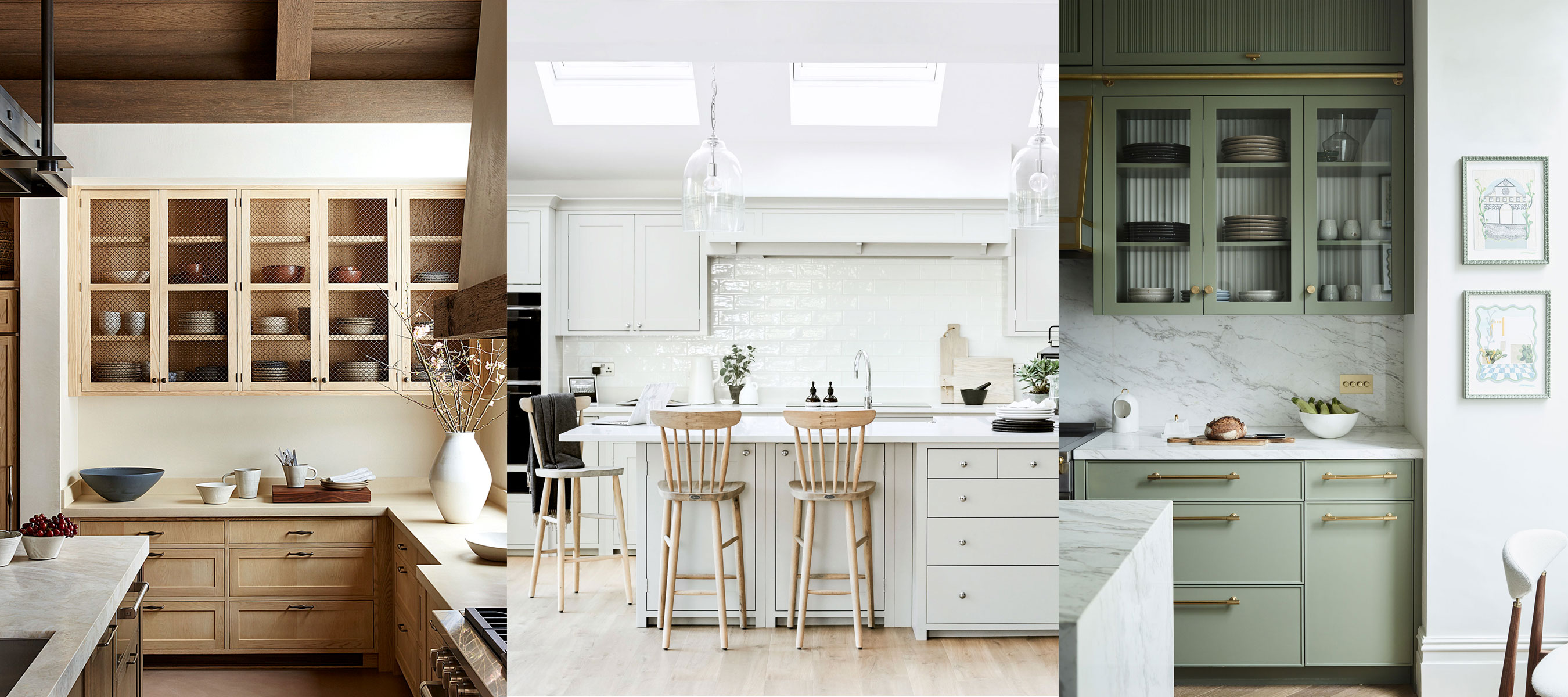
Professional shelf styling relies on a limited color scheme that creates visual harmony across diverse objects. Select two to four colors that complement your kitchen’s existing palette and repeat them through different textures and finishes. A sophisticated blue scheme might include navy ceramics, cobalt glassware, and sky-blue dish towels—all working together without matching exactly. This repetition creates rhythm that guides the eye smoothly across your shelves.
Neutral foundations provide flexibility for changing seasons and evolving tastes without major overhauls. Creamy whites, warm taupes, soft grays, and natural wood tones create breathing room in busy kitchens and allow architectural details to shine. If your kitchen features bold elements like a colorful backsplash or statement island, let neutral shelves provide balance rather than competing for attention. These versatile bases make updating your decor as simple as swapping out a few accent pieces seasonally.
Strategic pops of color add personality without overwhelming your space when used intentionally. Choose one vibrant accent color—perhaps terracotta, sage green, or mustard yellow—and repeat it through three to five key pieces: a ceramic vase, matching dish towels, and a small art print. This creates visual connections that feel deliberate rather than random. The most successful colorful displays maintain an 80/20 ratio—80% neutral base with 20% intentional color accents that draw the eye to focal points.
Select the Right Mix of Practical and Decorative Items
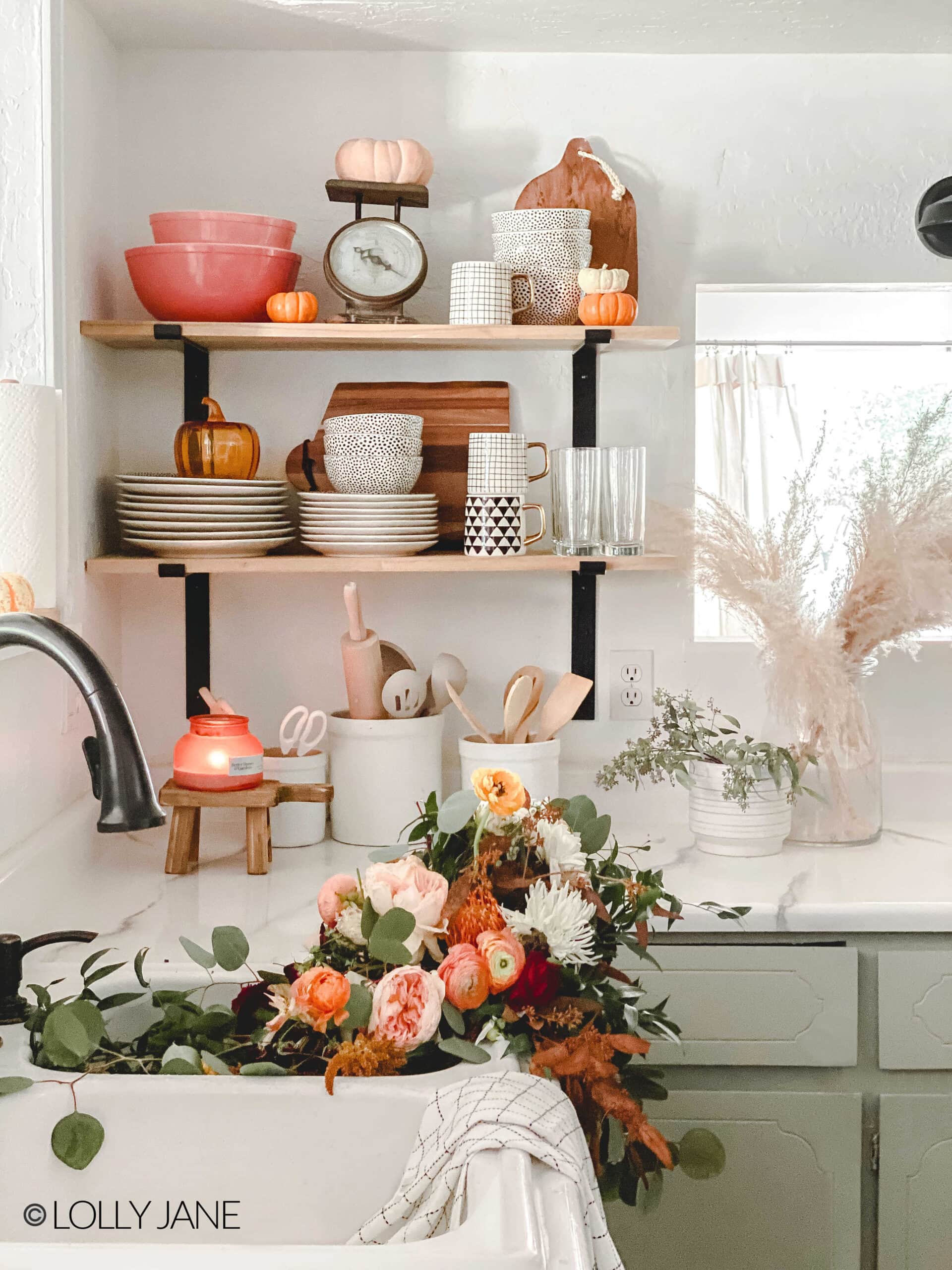
The most compelling kitchen shelves blend everyday essentials with purely decorative elements to create authentic, lived-in displays. Choose attractive versions of items you use daily—white stoneware bowls, wooden cutting boards with clean lines, or glass canisters for dry goods—that double as decor when displayed openly. This approach ensures your shelves remain functional while looking curated, eliminating the need to hide practical items behind cabinet doors.
Decorative accessories add personality and visual interest when selected thoughtfully. Small potted herbs in matching containers, art books with beautiful spines facing outward, or sculptural ceramic pieces create conversation starters without sacrificing functionality. Vary heights dramatically within each shelf section—a tall vase next to a stack of cookbooks topped with a small framed print creates dynamic movement that feels organic rather than staged. This layering technique transforms flat surfaces into three-dimensional displays that reward closer inspection.
Material diversity adds richness and depth to your shelf styling. Combine smooth ceramics with textured woven baskets, polished glass with raw wood, and metallic accents with matte finishes to create visual interest. Even within a minimalist aesthetic, subtle material variations prevent your shelves from feeling sterile. A modern kitchen might pair glossy white ceramics with brushed brass utensil holders and light oak cutting boards, while a farmhouse style could mix stoneware with galvanized metal and seagrass storage bins.
Master Professional Arrangement Techniques
Implement the rule of threes by grouping items in odd numbers with varying heights for natural-looking arrangements. Three stacked plates of different sizes, a cookbook propped against a small vase, and a trailing plant create visual interest that feels intentional. Avoid lining up items at identical heights—staggering positions creates movement that guides the eye across your shelves rather than creating static, predictable patterns.
Create visual flow by establishing diagonal sight lines that connect different shelf levels. Position a tall item on the bottom shelf that leads the eye upward to a medium-sized piece on the middle shelf, culminating in a small accent at the top. This directional movement prevents your shelves from feeling like disconnected horizontal bands and creates a unified display. Use risers made from books, crates, or decorative boxes to create these intentional height variations on deeper shelves.
Strategic negative space is as important as the items you display. Leave 30-40% of each shelf intentionally empty to prevent visual overload and let key pieces stand out. On longer shelves, create “breathing zones” by grouping items in clusters with clear space between them rather than filling every inch. This professional technique makes your shelves feel curated rather than crowded, with empty areas that highlight your best pieces rather than looking unfinished.
Balance Daily Functionality with Aesthetic Appeal
Designate your most accessible shelves for frequently used items, but choose attractive versions that contribute to your overall aesthetic. Store cooking oils in matching glass bottles, display your favorite mugs on hooks rather than hiding them in cabinets, and arrange spices in uniform containers. This approach ensures your daily essentials enhance rather than detract from your shelf styling, eliminating the need to sacrifice practicality for beauty.
Corral less attractive but necessary items in coordinating containers that maintain visual harmony. Woven baskets, ceramic crocks, or wooden boxes neatly contain plastic wrap, aluminum foil, and cleaning supplies while contributing to your material mix. Label containers in a consistent style using removable labels or elegant calligraphy for a polished look that also makes items easier to find during busy cooking sessions.
Maximize vertical space by stacking items thoughtfully and using shelf depth strategically. Display plates vertically in plate racks to save space and create visual interest, stack bowls with varying rim heights to prevent monotony, and position taller items toward the back with shorter pieces in front. This three-dimensional approach increases storage capacity while creating professional-looking displays that draw the eye through the entire shelf depth rather than appearing flat.
Refresh Shelves with Living Elements

Incorporate small potted herbs like rosemary, thyme, or mint that serve dual purposes—providing fresh ingredients while adding organic beauty. Place them where they’ll receive adequate light, and choose attractive containers that match your decor style. Terracotta pots complement rustic kitchens, while sleek ceramic vessels suit modern spaces. The subtle movement of living plants adds vitality that static decor cannot replicate, making your shelves feel alive and welcoming.
Low-maintenance plants like succulents, snake plants, or ZZ plants bring natural texture to shelves without demanding constant attention. Position them at varying heights to create visual interest—on the shelf itself, atop cookbooks, or hanging from small wall-mounted planters above shelves. Even high-quality artificial plants provide visual benefits when real ones won’t thrive in your kitchen’s lighting conditions, offering consistent beauty without the maintenance.
Seasonal floral arrangements instantly elevate shelf displays with color and fragrance. A simple bud vase with a single stem or small bouquet in a ceramic pitcher becomes an instant focal point. Rotate flowers with the seasons—bright tulips in spring, sunflowers in summer, deep reds in autumn, and evergreen sprigs in winter—to keep your shelves feeling fresh and connected to the natural world outside your kitchen window.
Styled kitchen shelves transform functional storage into personal expression that enhances your daily cooking experience. By implementing these professional techniques for planning, color coordination, arrangement, and maintenance, you’ll create displays that balance beauty with practicality. Start with one shelf section to test your approach, then expand your styling throughout the kitchen as you gain confidence. Your beautifully curated shelves will become a source of daily joy and pride, turning ordinary kitchen moments into experiences enhanced by thoughtful design.