
Your kitchen counters serve as the visual heartbeat of your home, yet too many homeowners treat them as dumping grounds rather than design opportunities. When you learn how to decorate kitchen counters properly, you transform these valuable surfaces from cluttered drop zones into intentional spaces that blend beauty with functionality. Professional designers consistently emphasize that countertops should feel “curated, not crowded,” with only items that are both beautiful and essential earning permanent placement. Whether you’re preparing to sell your home or simply want to enjoy your daily kitchen experience more, mastering how to decorate kitchen counters creates disproportionate visual impact throughout your entire living space. Modern countertops have evolved from purely utilitarian surfaces to statement pieces featuring materials like rich soapstone and gorgeous marble, making thoughtful styling more important than ever.
The magic of knowing how to decorate kitchen counters lies in understanding that these surfaces must serve dual purposes—they need to look beautiful while simultaneously functioning as your primary workspace. When you implement the right strategies for how to decorate kitchen counters, you’ll discover that even minor adjustments create significant improvements in both aesthetics and daily kitchen functionality. This guide reveals the exact methods professional designers use to transform chaotic counter spaces into intentional displays that enhance your home’s value and your quality of life.
Clear Counters Completely Before Starting
Begin your counter styling journey by removing absolutely everything from your surfaces and giving them a thorough wipe-down. This clean-slate approach forces you to evaluate each item critically based on actual usage frequency rather than habit or convenience. As you stand before your empty counters, you’ll likely discover that many items you’ve kept for years rarely get used, freeing you to make intentional decisions about what truly deserves space.
This complete clearing also reveals neglected areas behind appliances and along backsplash edges that typically get missed during regular cleaning. Once surfaces are clean and visible, you can assess your space objectively without the distraction of accumulated clutter. Many homeowners experience a psychological shift when seeing their bare counters—what once felt like limited space now appears abundant, motivating them to maintain this improved state rather than allowing clutter to return.
Limit to Daily Essentials Only
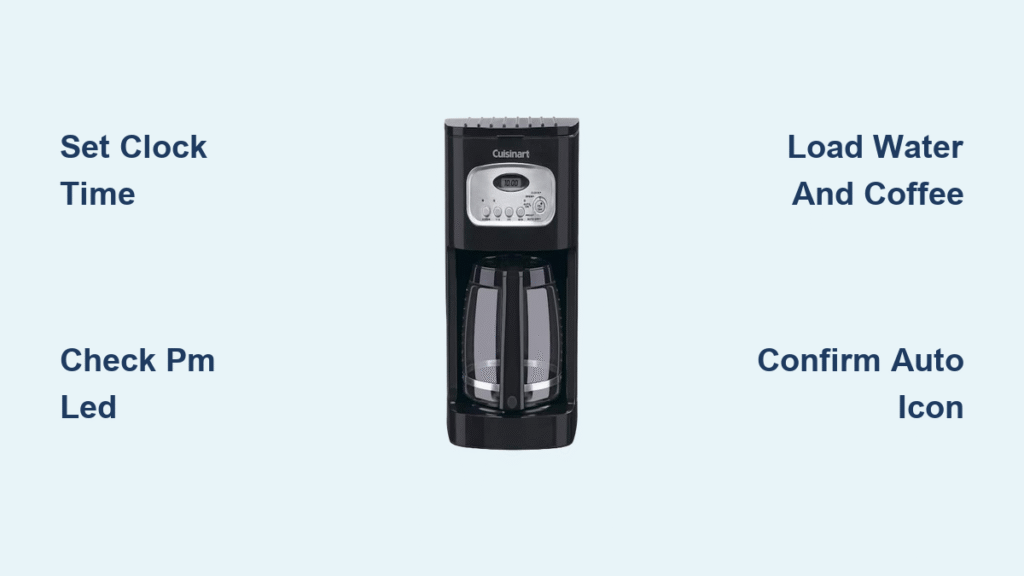
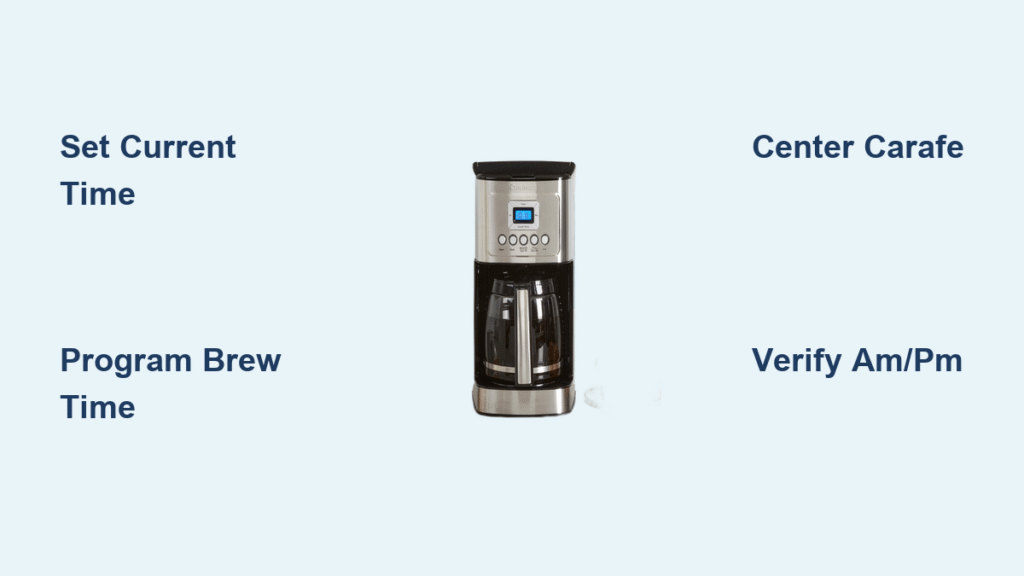
Be ruthlessly selective about which items earn permanent counter placement—most households need only three to four daily essentials: your coffee maker, a utensil container, a cutting board, and possibly a toaster. Every appliance you keep on counters should be used multiple times weekly, not just occasionally. That stand mixer you use once a month? It belongs in a cabinet. The blender for weekend smoothies? Find it a pantry home.
When evaluating items, ask yourself: “Do I use this enough to justify its visual footprint?” Kitchen designer Sarah Richardson recommends applying the “two-week test”—if you haven’t used it in the past fourteen days, it probably doesn’t need counter space. Consider these essential items:
- Coffee maker (for daily coffee drinkers)
- Attractive utensil holder
- Cutting board (leveled against backsplash)
- Toaster/toaster oven (if used daily)
Investing in beautiful versions of these essentials transforms purely functional objects into genuine decorative elements. A sleek espresso machine, wooden utensil holder, or walnut cutting board all serve practical purposes while enhancing your kitchen’s aesthetic.
Create Decorative Vignettes with Purpose
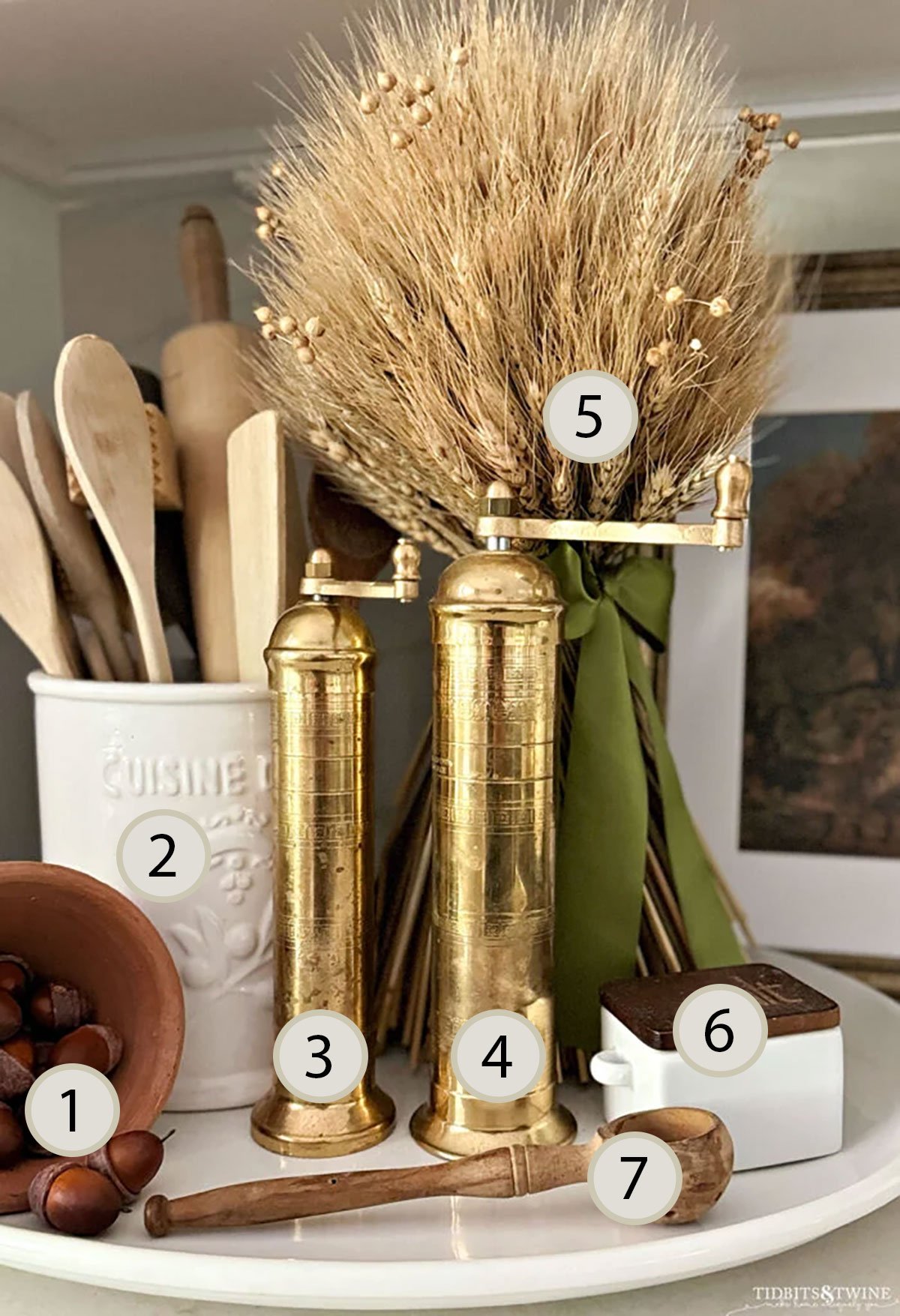
Scattered items create visual chaos, while grouped arrangements feel intentional and curated. Build your counter displays using the “rule of three” principle—odd-numbered groupings naturally create visual rhythm and balance. Effective vignettes typically include:
- Something tall (candle or plant)
- Something grounded (bowl or tray)
- Something sculptural (decorative object)
Use trays, baskets, or large cutting boards as bases for these collections, making cleaning effortless—you simply lift the entire grouping to wipe underneath. Position these vignettes in corners or toward counter centers to break up large expanses while preserving usable workspace near the backsplash. For coffee stations, group your coffee maker with an attractive sugar container and coffee pod tray in a cohesive color scheme. Cooking stations benefit from collections of oils, salt and pepper mills, and a small herb pot—all unified by material or color.
Add Height with Vertical Elements

Flat counters combined with backsplashes create visually static horizontal lines that professional designers break with strategic vertical elements. These additions consume minimal surface area while creating significant visual interest. Propped cutting boards offer particularly versatile styling options—they add texture and dimension while serving practical purposes like covering unused outlets.
Look for these vertical opportunities:
– Leaning beautiful cutting boards against backsplashes
– Tiered tray stands for displaying small items
– Platters or serving pieces positioned at angles
– Small framed art leaned against walls
The goal is creating visual depth that draws the eye upward and around the space rather than letting it slide across flat surfaces. Even simple additions like tall bottles or vessels with substantial height make dramatic differences in how styled your counters appear.
Incorporate Plants and Natural Elements

Greenery softens the often-utilitarian appearance of kitchen counters, bringing organic texture and life to your space. Fresh herbs like basil, rosemary, and mint serve dual purposes—they look beautiful while providing cooking ingredients. Those with limited natural light might opt for high-quality faux greenery that requires no maintenance but still adds visual interest.
Seasonal produce offers accessible, practical decoration that changes with the calendar:
– Summer: Bowls of lemons, peaches, or plums
– Fall: Apples, pomegranates, or artichokes
– Winter: Pomegranates or seasonal citrus
These edible decorations add color and texture while remaining genuinely useful—unlike purely decorative objects that exist only to look attractive. Even a single succulent in an attractive pot transforms sterile counters into welcoming spaces.
Avoid Common Styling Mistakes
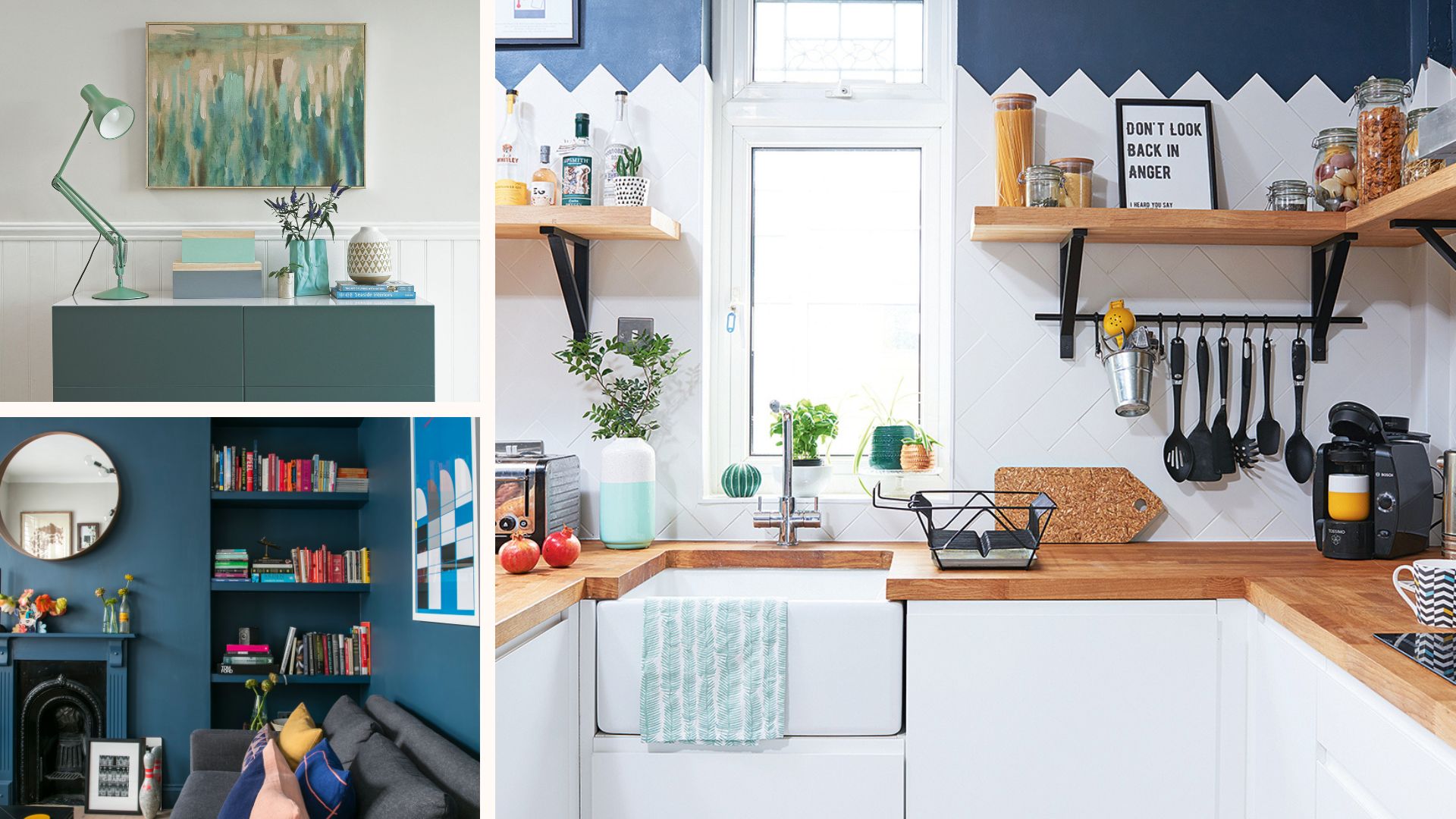
The most prevalent counter styling mistake involves overcrowding—too many items competing for attention regardless of individual beauty. Even attractive objects become visual noise when crowded together. When in doubt about whether an item should stay, remove it and see how the space feels—you’ll often discover the counter looks better with one less object.
Ignoring how objects interact with your specific countertop material undermines your efforts. A white marble bowl on a white marble counter essentially disappears, while matte black or warm wood creates necessary contrast. Professional designers recommend selecting objects deliberately to complement and contrast with existing surfaces.
Most importantly, never sacrifice functionality for aesthetics. Beautiful counters that can’t actually be used for cooking defeat their fundamental purpose. Maintain clear workspace areas, ensure frequently-used items remain accessible, and preserve room for food preparation alongside visual appeal.
Maintain Your Styled Counter Display
Preserving beautiful counters requires simple systems that prevent gradual re-clutter. Groupings on trays simplify cleaning dramatically—you lift the entire arrangement, wipe underneath, and replace it without disrupting your carefully arranged display. This practical consideration should inform your initial styling choices—select trays and boards that accommodate your items while remaining easy to remove.
Schedule these maintenance habits:
– Daily: Return stray items to their designated homes
– Weekly: Wipe under all groupings
– Seasonally: Reassess what’s working and adjust displays
The transformation from cluttered to curated counters often surprises homeowners with how significantly it affects their entire kitchen’s appearance. What seems like minor attention to counter styling creates impressions of thoughtfulness and care that elevate perceptions of your entire living space.
Final Principles for Beautiful Counters
Mastering how to decorate kitchen counters ultimately comes down to understanding they should feel both beautiful and genuinely functional. The most successful approaches keep only items that serve essential daily purposes while making those necessary items as attractive as possible. Add decorative elements that contribute more than just visual interest, and maintain sufficient open space for counters to fulfill their fundamental roles.
Whether you’re following professional designer principles or developing your own approach through experimentation, the goal remains consistent: counters that look beautiful without ever feeling cluttered or impractical. Thoughtful counter styling creates spaces that serve real daily needs while bringing ongoing visual pleasure, making kitchen tasks more enjoyable and creating that pulled-together appearance that makes homes feel cared for and intentional. When you truly understand how to decorate kitchen counters, you’ll discover this relatively modest effort yields disproportionate rewards throughout your entire living space.