Your glass kitchen cabinets stare back at you every morning—filled with mismatched dishes, dusty knickknacks, or worse, empty shelves screaming for attention. You’re not alone. Over 68% of homeowners admit their glass cabinets feel like awkward display cases rather than functional storage. But here’s the secret: decorating glass kitchen cabinets isn’t about filling every inch. It’s about curating intentional vignettes that turn ordinary storage into conversation starters. Skip the cluttered disaster most attempt, and discover how to style these transparent showpieces so they complement your kitchen’s flow instead of fighting it. In the next 12 minutes, you’ll master lighting tricks, arrangement formulas, and seasonal swaps that make your cabinets look professionally designed—even on a DIY budget.
Choosing Your Signature Style Before Adding a Single Item
Forget random decor placement. Glass cabinets demand a deliberate aesthetic to avoid visual chaos. Start by matching your cabinet styling to your kitchen’s dominant design language. A farmhouse kitchen needs open shelving with woven baskets and stoneware, while modern spaces thrive with monochrome dish stacks and geometric glassware. Pull out three items already in your cabinets right now—your everyday mug, a serving platter, and a glass. Do they share color tones, textures, or era? If not, you’ve found your first problem: style fragmentation. Group similar items by era (mid-century ceramics), material (all glass or all wood), or color family (warm earth tones). Test your cohesion by taking a photo—if your eyes dart around the frame without resting, simplify further. Pro designers use the “one dominant, two accents” rule: one primary color (like cream dishes), one supporting texture (woven coasters), and one metallic accent (brass candle holders).
What to Do When Your Kitchen Has Mixed Design Elements
Many homes blend styles accidentally—transitional kitchens with farmhouse islands or modern cabinets in traditional spaces. Solve this by anchoring your glass cabinet decor to your kitchen’s strongest existing feature. If your countertops are busy marble, choose solid-color dishes in cool grays. If you have bold navy cabinets, display only white porcelain and clear glass to let the cabinetry shine. Never compete with your kitchen’s hero elements. Instead, create visual breathing room: leave 30% of shelf space intentionally empty in mixed-style kitchens to prevent sensory overload.
Strategic Lighting That Makes Your Displays Shine
Dull lighting turns carefully curated cabinets into shadowy afterthoughts. LED puck lights installed under upper shelves cost under $20 and transform how your decor reads. Position them 2 inches from the shelf front to cast downward illumination that highlights dish rims and glassware stems—not harsh overhead glare. For deep cabinets, add a single vertical strip light along the back panel to eliminate blind spots. Warm white (2700K-3000K) bulbs mimic natural daylight best for food-safe displays, while cool white (4000K+) works for decorative-only zones. Test your lighting at 8 PM when ambient kitchen light is lowest—your cabinets should glow like a boutique display, not a refrigerator interior.
Avoiding the Most Common Lighting Mistake
Homeowners often install too many lights or place them incorrectly, creating hotspots that wash out textures. Never center lights directly above shelf edges where they’ll create harsh shadows on displayed items. Instead, angle them slightly toward the cabinet’s back wall. For multi-shelf units, light only the top and bottom shelves—middle shelves get illumination from above and below. If your cabinets lack wiring, battery-operated LED tape lights with remote dimmers (like Philips Hue) offer plug-and-play solutions that last 6+ months per charge.
The 3-Step Arrangement Formula for Effortless Elegance
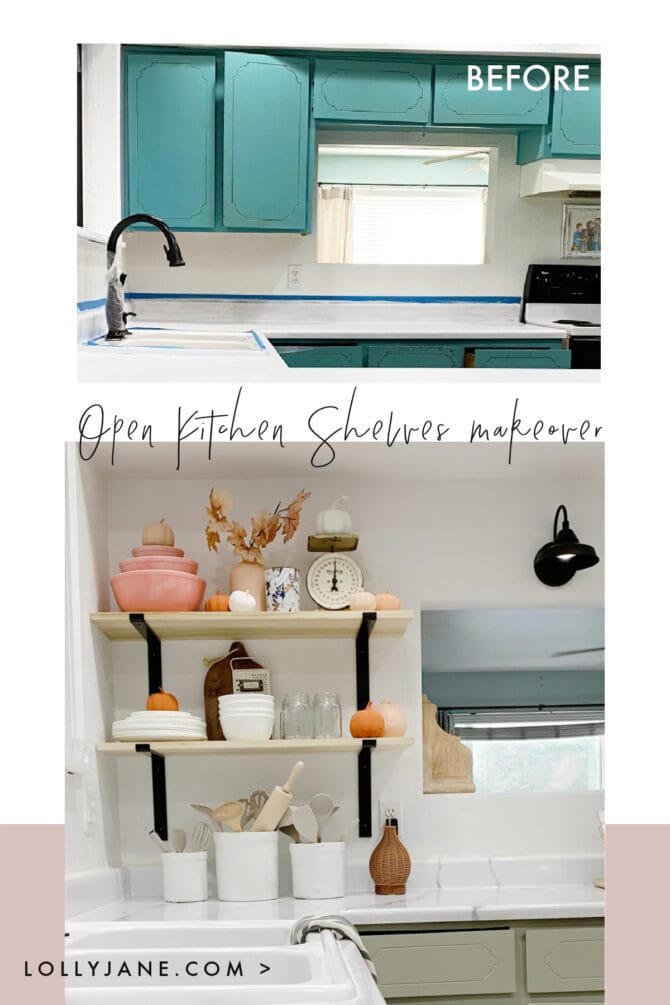
Cluttered cabinets happen when we treat shelves like storage bins instead of galleries. Follow this pro sequence every time you restock:
- Anchor with vertical elements: Place tall items (candlesticks, vases, or stacked books) at both ends of the shelf to create bookends. Keep them under 10 inches high to avoid blocking sightlines.
- Layer in depth: Position your largest dishware (soup bowls, platters) at the back. Slide smaller items (mugs, espresso cups) forward in descending height order. Leave 1.5 inches between groupings.
- Add intentional negative space: Clear a 6-inch zone in the center for visual rest. Fill it with one textured item like a linen napkin roll or small potted succulent.
This creates rhythm without rigidity. For narrow cabinets, skip the center negative space and use symmetrical groupings instead—mirror items on both sides of an imaginary center line.
Fixing the “Too Many Dishes” Problem in 5 Minutes
Overstocked shelves feel stressful, not stylish. Grab a laundry basket and remove everything from one cabinet. As you reload, ask: “Does this spark joy and get used weekly?” Donate duplicates and special-occasion pieces. Keep only your 5 favorite mugs and 3 go-to plates per shelf. Arrange dishes vertically using plate stands (available for $5 at IKEA) to showcase patterns without eating shelf space. If you lack counter storage for removed items, repurpose a lower cabinet with drawer dividers—your glass cabinets deserve to be display-worthy, not overflow zones.
Seasonal Swaps That Feel Fresh, Not Forced

Most seasonal decor fails because it clashes with your existing palette. Instead of swapping all items, refresh with three subtle touches:
- Spring: Tuck eucalyptus stems behind glassware and swap cloth liners for pale pink linen
- Summer: Display sea glass collections in clear jars with citronella tea lights
- Fall: Line shelves with burlap runners and add miniature pumpkins beside coffee mugs
- Winter: Use silver mercury glass ornaments as bookends for white dish stacks
Spend under 10 minutes per season—never more than 20% of your cabinet contents should change. If your base palette is neutral (whites, grays, woods), seasonal pops work effortlessly. For bold base colors (like sage green dishes), stick to texture swaps: woven coasters for summer, faux fur pads for winter.
Budget Hacks for Instant Cabinet Upgrades Under $15
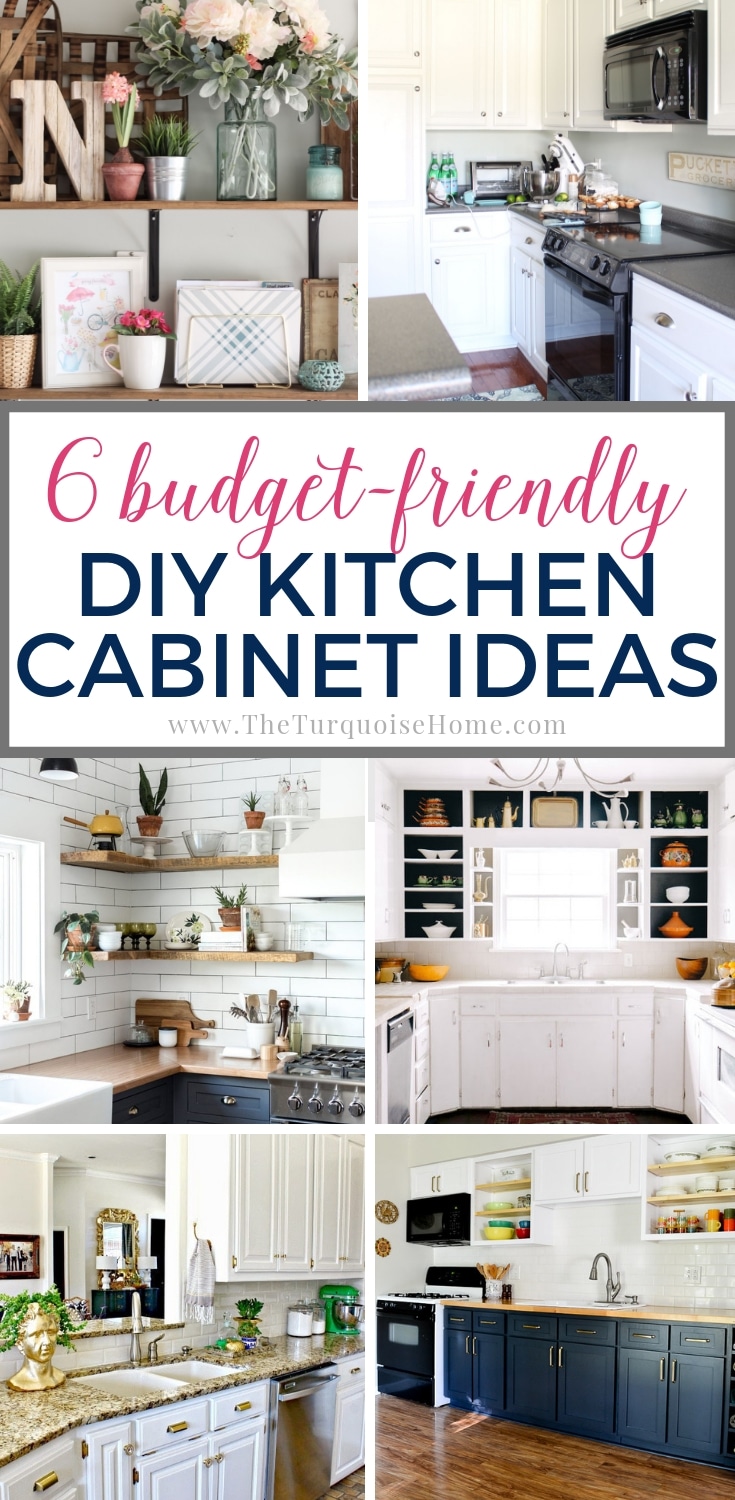
You don’t need designer pieces to elevate glass cabinets. Transform them tonight with dollar-store finds:
- Peel-and-stick wallpaper: Apply to cabinet backs for $3/sheet (try removable grasscloth patterns)
- Fabric liners: Cut thrifted scarves or tea towels to size with fabric glue ($1 fix)
- DIY plate stands: Stack two identical saucers with strong glue for custom risers
- Edible displays: Fill glass jars with lentils or coffee beans as textured filler
Avoid cheap plastic organizers—opt for woven seagrass bins (Target, $4) that hide utilitarian items while adding warmth. For rental-friendly changes, use removable adhesive hooks inside cabinets to hang delicate teacups by their handles.
Critical Maintenance Habits for Always-Photogenic Cabinets
Glass cabinets reveal every fingerprint and dust speck within hours. Skip weekly deep cleans with these habits:
- Wipe shelves with microfiber cloth before reloading after dishwashing
- Store items dry—never damp dishes that cause water spots on glass fronts
- Dust display items during morning coffee prep (takes 60 seconds)
- Use anti-static spray on glass fronts monthly to repel dust
Place a small tray inside each cabinet holding a silica gel packet (reused from shoeboxes) to absorb humidity and prevent glassware fogging. Never use vinegar solutions on antique glassware—they can etch delicate surfaces over time.
Why Your “Empty Space” Is Actually Your Secret Weapon
Homeowners panic at bare shelf sections, cramming in mismatched items. But negative space is strategic: it directs the eye to your best pieces. In a 36-inch wide cabinet, leave 8-12 inches completely clear per shelf. This creates breathing room that makes your curated items feel valuable, not random. If emptiness stresses you, drape one folded linen napkin in the zone or position a single trailing pothos vine. Remember—glass cabinets aren’t storage units. They’re intentional displays where less consistently feels more luxurious.
Final Note: Transforming glass kitchen cabinets from cluttered liabilities to stunning focal points takes under 2 hours with these targeted strategies. Focus on cohesive color stories, strategic lighting, and disciplined editing—not filling every inch. Implement just the lighting and arrangement steps this weekend to see immediate impact, then rotate seasonal touches quarterly. For ongoing inspiration, bookmark Pinterest boards dedicated to “minimalist glass cabinet styling” and save photos that align with your kitchen’s true style (not aspirational aesthetics). Your cabinets will stop competing with your kitchen and start complementing it—one intentional vignette at a time.