Your apartment kitchen likely feels cramped, generic, and constrained by rental limitations—but it doesn’t have to stay that way. Unlike permanent homes, rental kitchens require creative solutions that deliver maximum visual impact without violating lease agreements or requiring permanent changes. The good news? With strategic planning, even the smallest apartment kitchen can transform from a purely functional space into a stylish, inviting area that reflects your personality while supporting your daily cooking needs. This guide reveals practical, lease-friendly techniques that work whether you’re dealing with a 100-square-foot galley kitchen or an open-concept cooking area in a studio apartment.
Most renters make the critical mistake of treating their kitchen as purely utilitarian space, neglecting its potential as a design anchor for your entire living area. Your kitchen serves multiple roles beyond food preparation—it’s your morning coffee station, occasional workspace, and social hub where friends naturally gather. By implementing these targeted decoration strategies, you’ll create a space that feels uniquely yours while maintaining full functionality and preserving your security deposit.
Measure Your Kitchen Dimensions Before Buying Decor
Before purchasing a single decorative item, take precise measurements of your apartment kitchen’s layout. Document wall lengths, ceiling height, cabinet dimensions, and the exact space between countertops and appliances. Note the location of electrical outlets, windows, and doors, as these elements dictate where you can place lighting, appliances, and furniture. This foundational step prevents costly mistakes like buying a rug that’s too large or hanging shelves that interfere with cabinet operation.
Understanding your kitchen’s specific configuration determines which decoration strategies will work best for your space. Galley kitchens with parallel countertops benefit from vertical storage solutions that draw the eye upward, while open-concept layouts require coordinated color schemes that flow into adjacent living areas. Studio apartment cooking zones often need clever zoning techniques to distinguish the kitchen area without physical barriers.
Create Functional Zones Within Limited Space
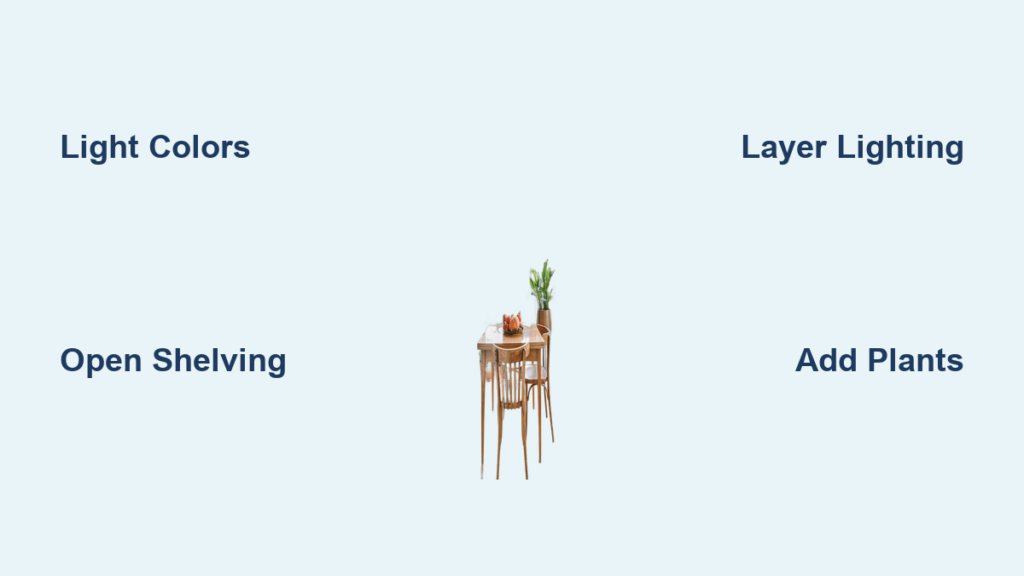
Establish distinct activity areas for food prep, cooking, cleaning, and dining—even in tiny kitchens—using strategic placement of rugs, lighting, and furniture. Position a small bistro table in front of windows to define a dining zone, or place a narrow console table against a wall to create a coffee station. Use area rugs to visually separate cooking and eating areas without physical barriers that would make the space feel smaller.
Maximize vertical space with wall-mounted storage that doubles as decoration. Install floating shelves to display attractive dishware while keeping countertops clear for food preparation. Hang pots and pans from a ceiling-mounted rack above the stove area to define the cooking zone while adding visual interest. These solutions create psychological boundaries between functional areas without sacrificing precious floor space.
Choose Light Colors to Expand Your Kitchen Visually
Light color palettes dramatically increase the perceived size of small apartment kitchens by reflecting available light throughout the space. Opt for soft whites, pale grays, or warm beiges on walls and large surfaces to create an airy, expansive feel. These neutral bases provide flexibility to incorporate seasonal color accents through textiles and accessories that you can easily change without violating rental agreements.
Strategic use of color psychology enhances both functionality and mood in your cooking space. While warm tones like reds and oranges stimulate appetite, use them sparingly as accents rather than dominant colors in small spaces. Blues create calm but may suppress appetite when overused. Green connects with freshness and works beautifully with kitchen plants and natural materials.
Apply Color Through Temporary Treatments
Transform your kitchen’s appearance without permanent changes using removable wallpaper on accent walls or inside cabinet interiors. Choose patterns that guide the eye horizontally to make narrow spaces feel wider, or vertically to create the illusion of higher ceilings. Peel-and-stick tiles provide instant backsplash upgrades in subway, hexagon, or geometric patterns that you can remove at lease end.
Enhance your color scheme with textiles that you can easily swap out. Select dish towels, oven mitts, and table runners in coordinating colors that complement your base palette. Rotate these items seasonally—light pastels for spring, vibrant citrus tones for summer—to keep your kitchen feeling fresh without major investment.
Upgrade Cabinet Hardware for Maximum Visual Impact

Replacing dated cabinet hardware delivers one of the highest returns on investment for apartment kitchen decoration. In just 20 minutes with a screwdriver, you can transform builder-grade cabinets with new knobs and pulls in finishes like brushed brass, matte black, or antique copper. This simple change creates immediate visual cohesion and elevates the entire kitchen’s aesthetic without violating rental agreements.
Focus first on lower cabinets where hardware receives the most wear and visibility. Match new hardware to other metal elements in your kitchen—faucet finish, lighting fixtures, or appliance handles—for a professionally designed look. For cohesive results, select one hardware style and finish throughout rather than mixing multiple types.
Install Removable Cabinet Enhancements
For renters who can’t paint cabinets, apply removable contact paper with wood grain or textured patterns to cabinet fronts. Choose moisture-resistant options designed specifically for kitchen use that withstand humidity and cleaning. Alternatively, add decorative trim to cabinet edges using double-sided adhesive strips for architectural interest without permanent installation.
Inside cabinets, use removable liners in coordinating patterns to create surprise visual interest when doors open. These small touches contribute to a custom-designed feel while remaining completely reversible at move-out time.
Layer Lighting for Function and Ambiance
Effective kitchen lighting combines three essential layers working together: ambient (overall illumination), task (focused work area lighting), and accent (decorative highlights). In apartment kitchens, prioritize plug-in and battery-operated solutions that avoid permanent electrical changes. Install adhesive-backed LED strips under cabinets for task lighting that eliminates shadows during food preparation.
Strategic lighting placement directs attention to your kitchen’s best features while making the space feel larger. Position pendant lights over islands or peninsulas to create focal points, and use wall sconces to bounce light off surfaces rather than creating harsh overhead glare. For renters, plug-in pendants offer dramatic style impact without hardwiring requirements.
Select Fixtures That Match Your Style
Choose lighting fixtures that reinforce your overall kitchen aesthetic direction. Industrial-style metal pendants complement contemporary spaces, while glass globes enhance Scandinavian-inspired kitchens. Match fixture finishes to your cabinet hardware for visual cohesion—brushed nickel, matte black, or brass finishes create unified looks that appear professionally designed.
Battery-powered under-cabinet lighting provides significant functional improvement with zero installation requirements. These systems typically include remote controls or motion sensors for convenient operation while delivering the ambient glow that makes small kitchens feel more sophisticated and inviting after dark.
Create Open Shelving Instead of Closed Cabinets

Removing upper cabinet doors or replacing them with floating shelves instantly opens up small kitchen spaces by reducing visual weight. This transformation makes even the tiniest apartment kitchen feel larger and more inviting while providing display opportunities for your most attractive dishware and cookbooks. For renters, use damage-free mounting solutions like heavy-duty adhesive strips or tension rods that won’t damage walls.
Arrange items on open shelves with intentional spacing to avoid cluttered appearance. Group similar items together—stack plates vertically, line up glasses by height, or create color gradients with ceramic bowls. Incorporate decorative elements like small potted herbs, cookbooks standing vertically, or vintage kitchen tools to add personality without sacrificing functionality.
Organize with Decorative Storage Containers
Replace mismatched plastic containers with uniform canisters in glass, ceramic, or coordinated materials that look attractive on open shelves. Choose airtight containers for flour, sugar, coffee, and dry goods that contribute to organized visual presentation while keeping contents fresh. Label containers consistently using the same font or style for professional-looking results.
Natural fiber baskets in seagrass or rattan corral miscellaneous items while adding organic texture. Place these on shelves to hold items like tea towels, oven mitts, or produce that don’t require airtight storage. The combination of transparent, opaque, and woven containers creates visual interest while maintaining organized appearance.
Add Plants That Thrive in Kitchen Environments
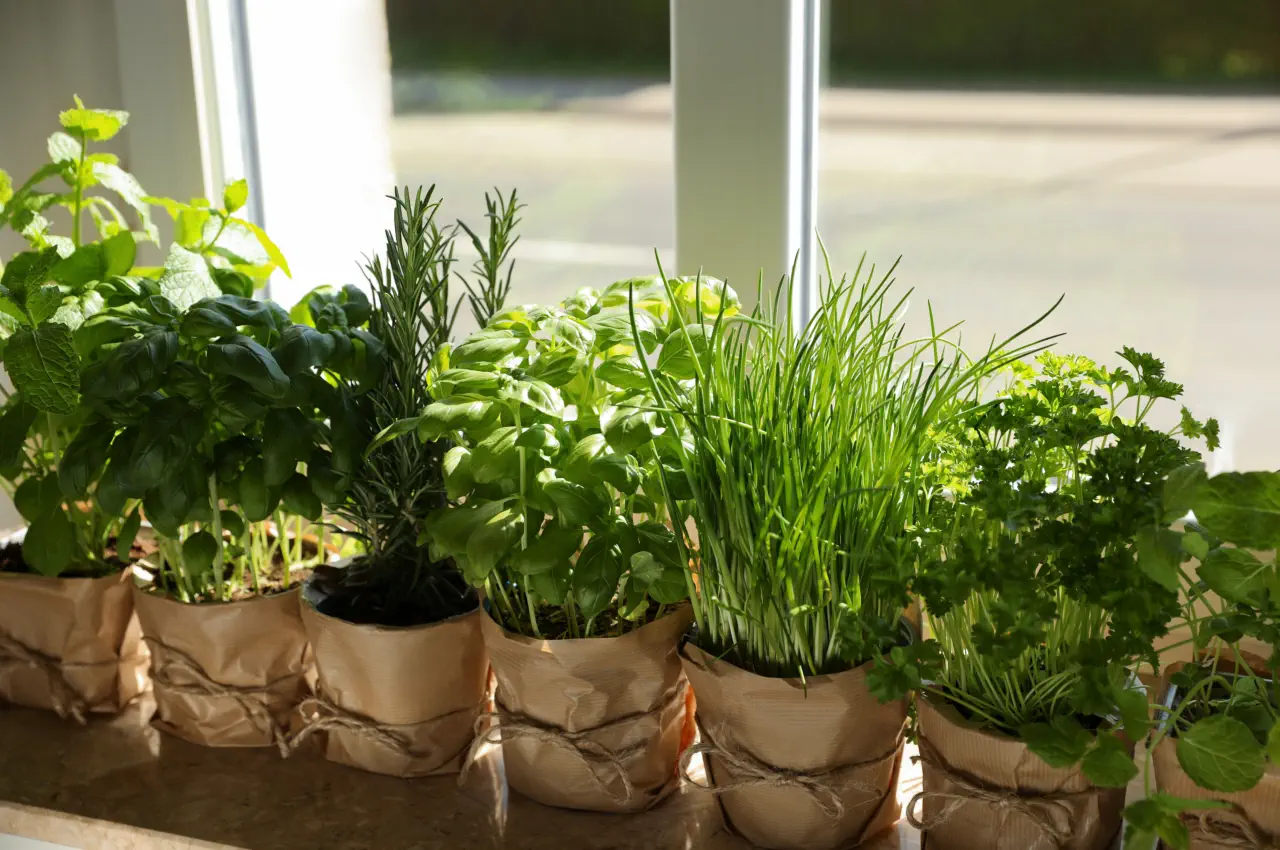
Kitchen windowsills provide ideal growing conditions for culinary herbs that double as decorative elements. Basil, mint, thyme, and rosemary thrive in kitchen environments with regular watering and available sunlight, offering both visual appeal and fresh ingredients for cooking. These living elements bring organic warmth to otherwise sterile rental kitchens while connecting you to nature.
Consider your kitchen’s specific light conditions when selecting plants. South-facing windows support sun-loving herbs and succulents, while north-facing kitchens require shade-tolerant options like pothos or ZZ plants. Air plants (tillandsia) need no soil and minimal water, making them perfect for display in glass terrariums or mounted on decorative driftwood.
Incorporate Natural Materials Throughout
Introduce organic warmth through wooden cutting boards, stone mortar and pestles, and ceramic serving pieces that balance kitchen’s hard surfaces. These natural elements add texture and visual interest while serving practical functions. Select pieces with interesting grain patterns or unique shapes that become conversation starters during gatherings.
Woven baskets, bamboo utensil holders, and copper cookware introduce varied textures that prevent your kitchen from feeling flat or one-dimensional. Arrange these items thoughtfully on open shelves or countertops to create layered visual interest that evolves as you move through the space.
Final Thoughts: Create a Kitchen That Works for Your Life
Your apartment kitchen should reflect both your personal style and practical needs—not just serve as a functional afterthought. By implementing these lease-friendly decoration strategies, you’ll create a space that feels uniquely yours while maintaining full functionality and protecting your security deposit. Start with one or two high-impact changes like hardware replacement or lighting upgrades, then gradually layer in additional elements as your budget and inspiration allow.
Remember that the most successful apartment kitchens balance beauty with function, personal expression with practical realities, and current trends with timeless elements. Focus on temporary solutions that make you happy now without worrying about long-term permanence—after all, the constraints of rental living often spark the most creative design solutions. With thoughtful planning, even the most basic apartment kitchen can become a space you genuinely love to cook, gather, and live in.