Your small kitchen doesn’t have to feel like a constant compromise between style and practicality. Whether you’re working with a 100-square-foot galley kitchen in an urban apartment or a cozy country cottage cooking space, the right design approach can make your limited square footage feel expansive and perfectly tailored to your needs. When learning how to decorate a small kitchen, the magic happens when every inch serves multiple purposes while maintaining visual harmony. This guide cuts through the noise to deliver actionable strategies that transform cramped quarters into your favorite room—where cooking feels effortless and the space reflects your personal style without overwhelming your senses.
The frustration of bumping into appliances while trying to chop vegetables or constantly moving items to access what you need shouldn’t define your kitchen experience. Smart small kitchen design solves these daily annoyances through intentional planning that prioritizes your actual cooking habits over generic layout rules. By implementing these proven techniques, you’ll create a space that doesn’t just look larger—it functions smarter for your specific lifestyle. Let’s explore how to decorate a small kitchen that works as beautifully as it looks.
Vertical Storage Solutions That Maximize Every Inch of Wall Space
:strip_icc()/lazy-susan-kitchen-storage-shelf-organization-7tmR96wLqG39hxlAGOUip3-e7c9d4aafebe464db8356d1d6209f664.jpg)
Transform your kitchen walls into valuable storage real estate with strategic vertical organization systems. Install floor-to-ceiling shelving units that utilize previously wasted upper space while keeping countertops clear for food preparation. Floating shelves above your stove or counter create accessible storage for oils, spices, and frequently used cookware without blocking sight lines. This open storage approach enhances the perception of space compared to closed cabinets, though maintaining consistent organization is essential for keeping the area looking intentional rather than cluttered.
Magnetic storage options unlock hidden storage potential on walls and cabinet undersides. Mount magnetic knife strips to free up precious counter space while keeping essential tools within arm’s reach. Metal spice containers, magnetic utensil holders, and specialized hooks for hanging pots and pans turn blank wall surfaces into functional zones. Under-cabinet mounting systems further expand your storage capacity by creating infrastructure beneath upper cabinets where items remain visible yet unobtrusive—perfect for small kitchens where every square inch counts.
Don’t let corner cabinets become dead space in your small kitchen design. Install lazy susan turntables, swing-out shelving systems, or diagonal cabinet drawers to transform these awkward zones into accessible storage powerhouses. Pull-out pantry systems fit seamlessly into narrow gaps between appliances, converting wasted space into vertical storage for dry goods. For ultimate space efficiency, consider ceiling-mounted pot hooks that keep bulky cookware off counters while adding visual interest to your compact kitchen.
Strategic Color Palettes That Visually Expand Your Kitchen Footprint
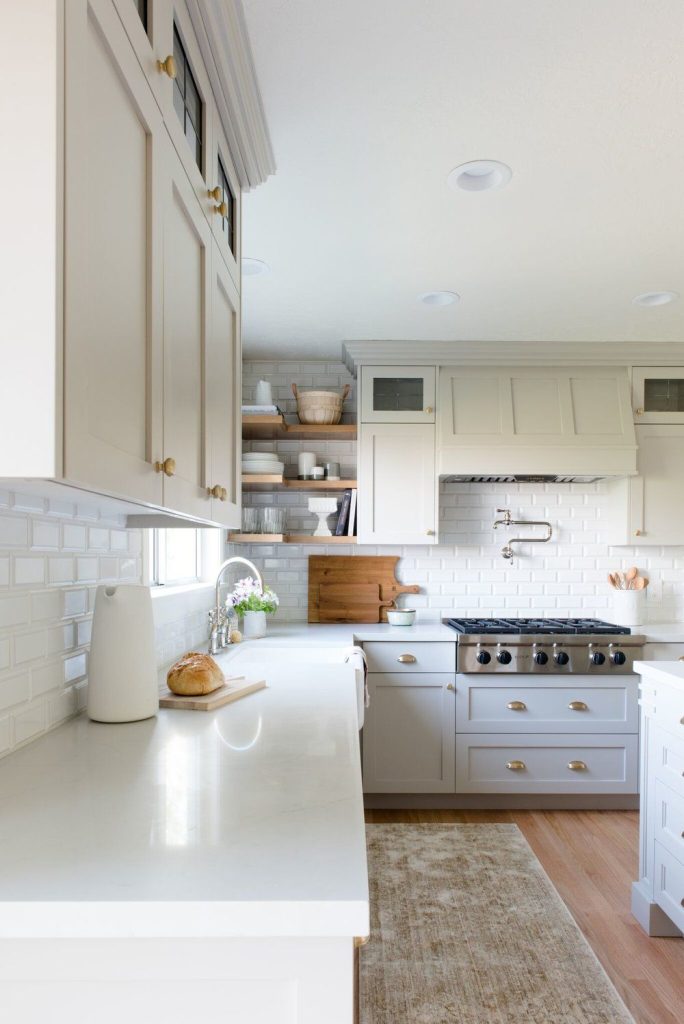
Choose light and neutral color schemes to immediately open up your small kitchen space. Whites, creams, soft grays, and pale blues reflect natural and artificial light throughout the area, creating an instant sense of spaciousness. These shades blur boundaries between walls, cabinets, and countertops, making the room feel larger than its actual dimensions. Painting upper cabinets a lighter shade than lowers creates visual height, drawing the eye upward and making ceilings appear higher—particularly effective in kitchens with limited vertical space.
Introduce personality through strategic accent colors that prevent your small kitchen from feeling sterile without overwhelming the space. A single bold hue applied to a focal wall, backsplash, or kitchen island adds character while maintaining visual flow. Two-tone cabinet designs—where upper and lower cabinets differ in shade—add depth while keeping the overall aesthetic cohesive. The key is selecting accent colors that complement your neutral base rather than compete with it, creating visual interest through thoughtful restraint.
Amplify your color strategy with reflective surfaces that multiply light throughout your small kitchen. High-gloss cabinet finishes bounce illumination around the space, while glass cabinet doors create visual depth by revealing contents without blocking sight lines. Strategically placed mirrors on backsplashes or adjacent walls nearly double the apparent size of your kitchen. Stainless steel appliances and chrome hardware contribute additional reflectivity, working with light wall colors to create a bright, airy atmosphere that belies your kitchen’s actual square footage.
Multi-Layered Lighting That Creates Depth Without Overwhelming
Combine ambient, task, and accent lighting to transform your small kitchen from a cramped box into an inviting, functional space. Recessed ceiling lights provide overall illumination without protruding into the visual space, making ceilings appear higher and rooms larger—especially beneficial in kitchens with low ceilings where pendant lights might overwhelm the vertical dimension.
Install under-cabinet LED strips to serve dual purposes: providing focused task lighting for food preparation while creating a floating light effect that visually separates cabinets from walls. This subtle illumination highlights backsplash details and adds visual interest to otherwise dark cabinet corners. Puck lights inside glass-front cabinets showcase dishware while contributing additional ambient glow throughout your kitchen. The key is balancing sufficient illumination for practical tasks with softer ambient lighting that creates atmosphere.
Maximize natural light through thoughtful window treatment decisions. Choose sheer curtains or eliminate treatments altogether to allow maximum daylight penetration. Place mirrors opposite windows to reflect and amplify natural light throughout the space. Consider skylights if feasible—they introduce overhead illumination that traditional windows cannot provide, significantly brightening interior kitchens. Statement pendant lights over islands serve as sculptural elements that draw the eye upward, adding visual interest while providing concentrated task lighting.
Multi-Functional Furniture That Adapts to Your Changing Needs
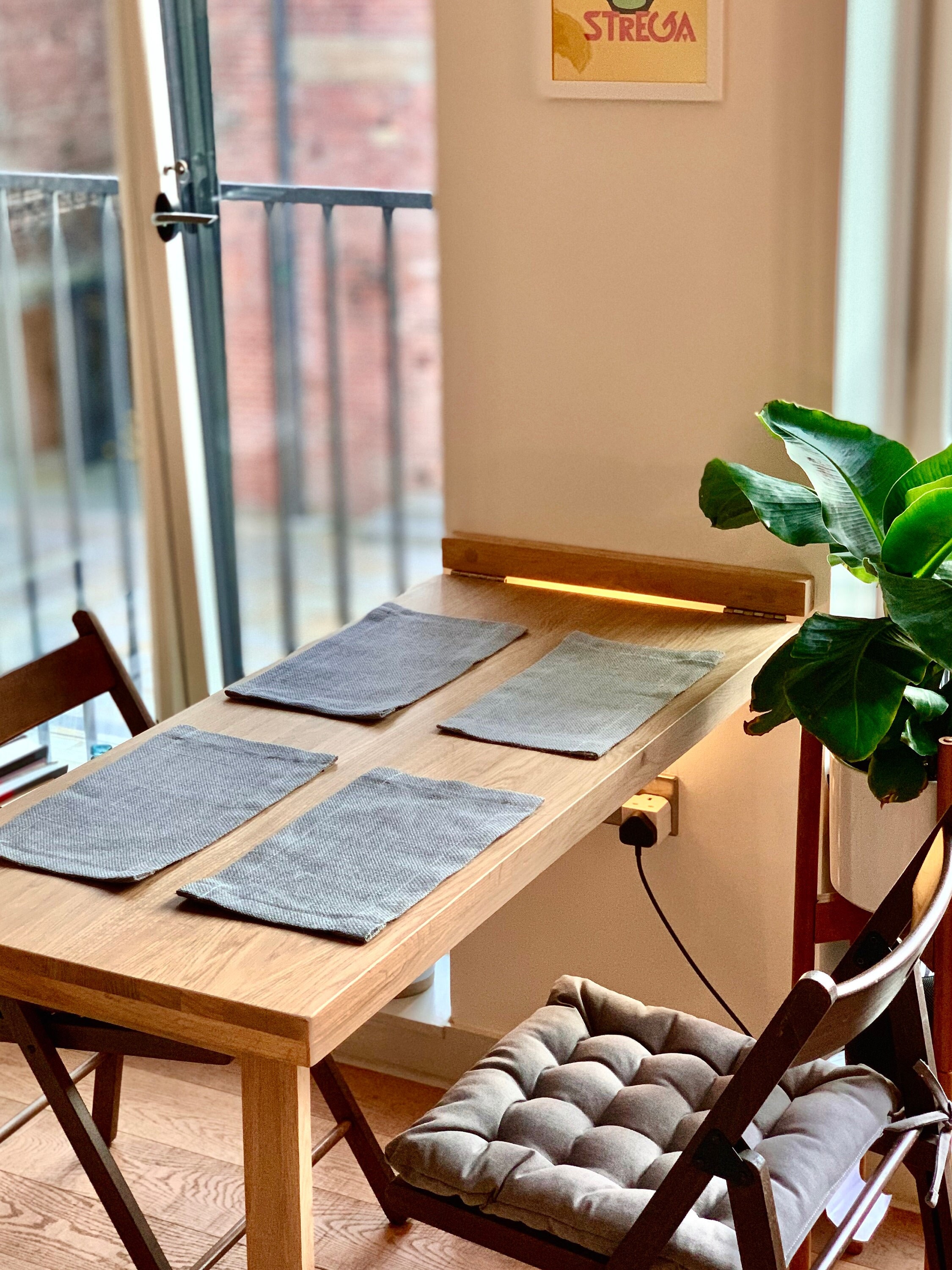
Select furniture that serves multiple purposes to maximize your small kitchen’s functionality. Install wall-mounted drop-leaf tables that function as compact workspaces when needed but fold away when not in use, providing dining or prep space without permanently consuming floor area. Bar-height counter extensions attached to existing counters create additional prep surfaces that tuck away when company arrives. Bench seating with built-in storage compartments replaces traditional chairs while providing hidden space for cookbooks, linens, or rarely-used appliances.
Choose appliances specifically designed for compact living spaces. Apartment-sized refrigerators and slim-profile dishwashers offer full functionality in reduced footprints. Over-the-range microwaves eliminate counter-top appliance clutter while freeing up valuable prep surface area. Compact induction cooktops and wall ovens in apartment-sized configurations allow complete cooking capability without the bulk of standard ranges.
Incorporate flexible furniture solutions that adapt to your kitchen’s changing needs throughout the day. Use stackable chairs stored in closets when not needed, nesting tables that separate for occasional use and tuck together for storage, and fold-down wall-mounted desks. Island carts on locking casters provide temporary workspace that can be rolled away when not needed for prep work or dining, allowing your small kitchen to seamlessly transform between cooking, dining, and entertaining modes.
Visual Continuity Techniques That Eliminate Space Fragmentation
Create visual flow between your kitchen and adjacent rooms by using continuous flooring materials throughout. Extending the same hardwood, laminate, or tile flooring into adjoining spaces eliminates visual breaks that segment the floor plane, making the entire area feel larger. Take this principle further by extending cabinetry to the ceiling rather than leaving gaps above upper cabinets—this draws the eye upward, maximizes storage, and creates clean vertical lines that elongate the space visually.
Enhance spatial perception with glass-front cabinets and open shelving that allow sight lines to pass through storage elements rather than stopping at solid surfaces. This transparency maintains visual connection between different zones of your kitchen, preventing the compartmentalized feeling that closed storage creates. When combined with consistent organization and coordinated container systems, open storage becomes a design feature rather than a clutter concern.
Establish visual harmony through unified hardware themes and consistent material selections. Choose a single finish for all cabinet pulls, faucets, light fixtures, and appliance accents to create a cohesive design language throughout your kitchen. Match countertop materials to backsplash colors or select complementary tones to create continuity between surfaces. These coordinated choices prevent visual fragmentation, instead creating a unified aesthetic that feels deliberately designed rather than pieced together from mismatched components.
Thoughtful Decor That Adds Personality Without Clutter
Incorporate plants and greenery strategically to add life and color without consuming valuable surface area. Install hanging herb gardens from ceiling hooks or under-cabinet rails to bring fresh greenery into your cooking zone while freeing counter space. Utilize windowsill planters, vertical garden panels, and small potted plants on upper shelves to incorporate nature’s color without interfering with workspace—these living elements soften hard kitchen surfaces while improving air quality.
Create visual impact with statement backsplashes that establish your kitchen’s personality without consuming additional square footage. Bold tile patterns, colorful mosaic accents, or textured stone surfaces become focal points that draw the eye. Glass tile mosaics reflect light beautifully while adding dimension to walls. Textured subway tiles in unexpected colors transform ordinary walls into design features—select treatments that complement rather than compete with other elements in your space.
Add warmth through textural elements and carefully curated accessories. Use woven baskets for storage, hang linen towels from hooks, and display ceramic utensil holders and wooden cutting boards on countertops to add personality. A single piece of artwork or decorative mirror placed strategically becomes a focal point without overwhelming the space. Incorporate textural variety—smooth metals, rough ceramics, soft textiles, natural woods—to create visual interest through both appearance and touch, all while maintaining the kitchen’s overall aesthetic coherence.
Final Thoughts: Creating a Small Kitchen That Truly Works for You
Learning how to decorate a small kitchen successfully requires embracing creativity over conformity and prioritizing function without sacrificing style. The most effective small kitchen designs result from understanding your specific needs and habits, then selecting solutions that address your unique challenges. What works for a cooking enthusiast differs from what serves a coffee lover, and both differ from solutions ideal for families with young children.
Take time to observe how you use your space, identify pain points in your current setup, and prioritize improvements that address your specific situation. This personalized approach, combined with the principles outlined above, will lead to a small kitchen that not only looks beautiful but genuinely enhances your daily life. With thoughtful planning and strategic choices, your small kitchen can become the most beloved room in your home—not despite its size, but because of how perfectly it fits your life.