Your kitchen peninsula sits at the heart of daily family life—where breakfast is served, homework gets done, and weekend entertaining unfolds. Learning how to decorate a kitchen peninsula properly transforms this critical space from a mere functional extension into a stunning focal point that elevates your entire kitchen design. Unlike a freestanding island, your peninsula connects directly to your main cabinetry, creating unique opportunities and challenges for styling. This guide reveals exactly how to balance functionality with visual appeal while avoiding common decorating pitfalls that turn what should be your kitchen’s star feature into a cluttered afterthought.
Most homeowners struggle with peninsula styling because they treat it like additional counter space rather than a strategic design element. The truth is, your peninsula serves as both workspace and visual bridge between kitchen and living areas, especially in open-concept homes. Getting this decoration right means considering traffic flow, lighting needs, seating arrangements, and how your peninsula connects to surrounding spaces. Whether you’re designing a new kitchen or refreshing your current layout, these actionable steps will help you create a peninsula that works beautifully for daily life while making a serious style statement.
Selecting Perfect Bar Stools for Your Kitchen Peninsula
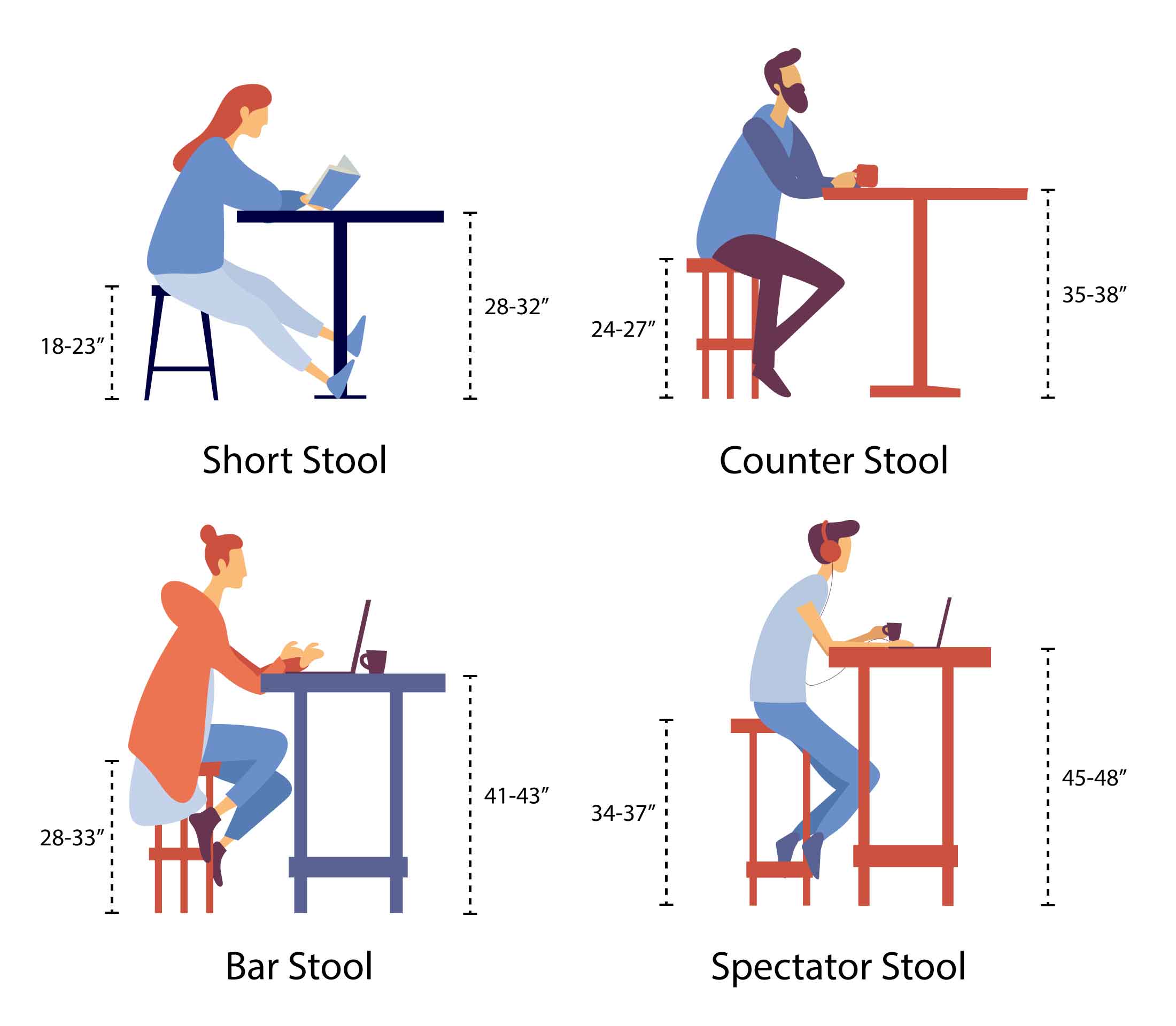
Bar stools represent your peninsula’s most visible and frequently used decorative element, directly impacting both comfort and aesthetics. Before purchasing anything, measure your specific peninsula height—standard counter height (36 inches) requires stools 24-26 inches tall, while bar height (42 inches) needs stools around 30 inches. Many homeowners make the costly mistake of buying generic stools without considering this critical measurement, resulting in uncomfortable seating that either leaves your feet dangling or forces you to hunch over your food.
Style selection should complement your kitchen’s overall aesthetic while adding personality:
- Contemporary kitchens benefit from sleek metal stools in matte black, brushed brass, or polished nickel
- Traditional spaces shine with upholstered wooden stools featuring turned legs and rich finishes
- Farmhouse designs welcome rustic wooden options or vintage-inspired metal stools
- Eclectic homes can mix styles while maintaining cohesion through shared color palettes or materials
Upholstery choices significantly impact both appearance and practicality. Performance fabrics in darker colors or subtle patterns handle kitchen realities far better than light-colored delicate materials. Consider whether you want your stools to blend seamlessly or serve as accent pieces introducing contrasting colors. For comfortable daily use, allow 24-30 inches of width per person—reducing to 22 inches only for occasional seating. Leaving the ends of your peninsula open creates visual breathing room that prevents the arrangement from feeling cramped.
Installing Functional and Stylish Peninsula Lighting
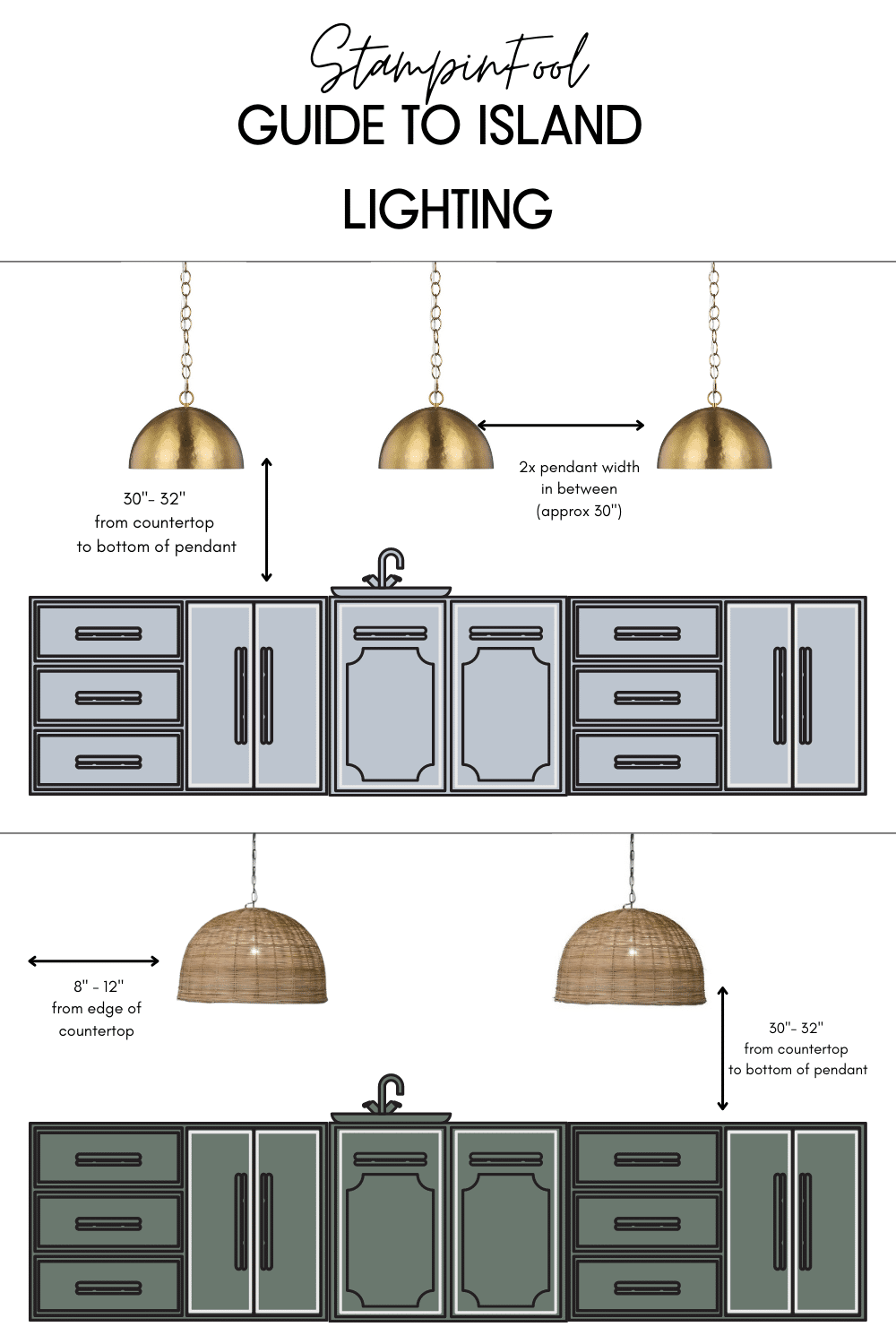
Pendant lights above your kitchen peninsula serve dual purposes—providing essential task lighting while making a significant decorative statement. Position pendants 30-36 inches above the counter surface for optimal functionality: low enough to illuminate food preparation effectively yet high enough to maintain sight lines across your kitchen. This precise measurement prevents the all-too-common frustration of lights that either obstruct conversation or fail to properly illuminate your workspace.
Scale proportions between your pendants and peninsula create visual harmony or dissonance. A single large pendant makes a bold statement over narrow peninsulas, while multiple smaller pendants work beautifully over wider surfaces. Follow this practical guideline: the combined width of your pendant fixtures should equal approximately one-third to one-half the length of your peninsula. Style options span dramatically—from industrial metal cages to delicate glass globes—allowing you to either harmonize with existing kitchen lighting or introduce an exciting contrasting element.
Pro Tip: Install dimmable fixtures to transform your peninsula from bright workspace to intimate dining area with a simple adjustment. Smart lighting systems that allow pre-programmed scenes simplify these transitions throughout your daily routine.
Creating a Balanced Countertop Display on Your Peninsula
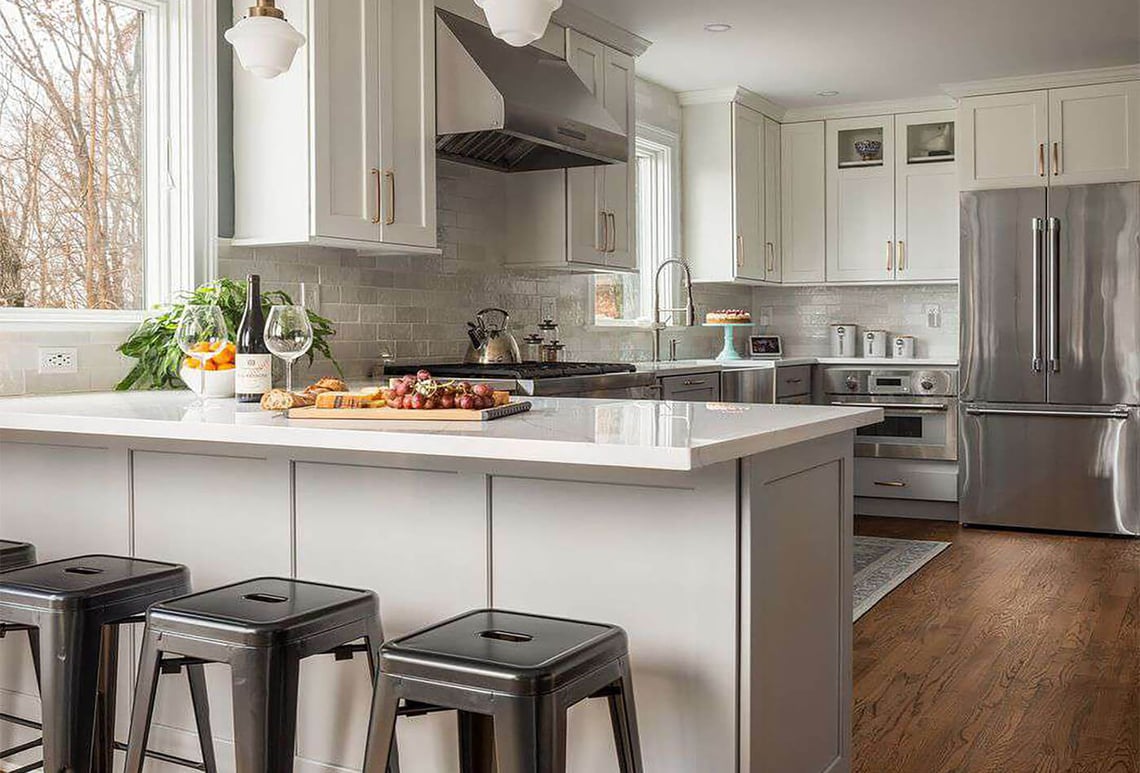
The items you display on your kitchen peninsula should reflect how your household actually uses the space, balancing practicality with aesthetic appeal. Start by identifying which tools you reach for daily—salt and pepper mills, olive oil dispensers, cooking utensils—and select attractive versions that eliminate the need to hide practical tools in drawers. Beautiful versions of frequently used items make daily tasks more pleasant while maintaining an organized appearance.
Cutting boards deserve special attention as they serve dual purposes when not in use:
- Wooden boards in attractive grains add warmth to contemporary spaces
- Marble or stone boards introduce luxury and function as trivets
- Consider a cutting board stand that displays your board as art
- Stack boards of varying sizes for visual interest
Beyond functional items, strategic decorative elements personalize your peninsula:
- Fresh flowers or greenery in simple bud vases add life
- Fruit bowls in glass, ceramic, or metal provide healthy snacks while adding color
- Stacked cookbooks create visual weight and suggest culinary expertise
- Decorative trays corral everyday items while adding design interest
Coordinating Colors and Textures for Peninsula Décor
Your kitchen peninsula offers the perfect opportunity to introduce accent colors that might feel overwhelming if applied throughout your entire kitchen. Analyze your existing kitchen palette—the cabinet finish, countertop material, and backsplash tile—then select peninsula décor elements that either complement these established colors or thoughtfully contrast them. A neutral kitchen allows for bold peninsula accents in saturated colors, while an already colorful kitchen benefits from more restrained, tonal additions.
Material coordination extends beyond color to include texture and finish considerations. If your kitchen features sleek, modern surfaces, add warmth through wooden cutting boards, woven baskets, or linen textiles. Traditional kitchens with rich wood cabinetry might benefit from metallic accents in brass or copper. Consider seasonal updates by swapping out textiles—dish towels, trivets, and seat cushions—to reflect changing color palettes:
- Spring and summer invite fresh greens and airy whites
- Fall embraces warm tones and rich textures
- Winter welcomes cozy elements and metallic accents
Using Your Peninsula to Define Open-Concept Living Areas
In open-concept homes, your kitchen peninsula often serves as the primary visual divider between the kitchen and adjacent living areas. Decorating choices can reinforce this separation while maintaining the openness that makes open-concept living so attractive. Contrasting countertop materials between your peninsula and main kitchen counters creates a natural transition zone—consider butcher block or a different stone if your main counters feature granite.
Lighting plays a crucial role in defining separate zones within open spaces:
- Pendants above the peninsula provide focused kitchen illumination
- Floor lamps in adjacent living areas create separate ambient zones
- Different lighting temperatures signal functional transitions
While defining zones matters, open-concept living requires maintaining visual flow between spaces. Avoid treating the peninsula as a completely separate entity; instead, design it as a transitional element that bridges kitchen and living areas. Repeat colors, materials, or design elements from your living room in your peninsula décor to create visual threads that connect the spaces. The height of your bar stools should relate proportionally to nearby seating—dining chairs or sofa arms—to create visual harmony rather than jarring contrasts.
Avoiding 7 Costly Peninsula Decorating Mistakes
The most frequent error when learning how to decorate a kitchen peninsula is overcrowding the countertop surface. Too many elements create visual chaos and reduce functionality. Edit ruthlessly—every item should earn its place through either daily utility or significant decorative contribution. A useful guideline: if you haven’t used an item in the past month, store it elsewhere.
Ignoring maintenance requirements quickly transforms beautiful décor into burdens. Consider how each piece will be cleaned before adding it to your display. Favor durable materials that withstand kitchen realities—heat, moisture, and food splatter. Ceramic, glass, stainless steel, and high-quality wood pieces generally age well with minimal care.
Scale and proportion deserve careful attention:
- Oversized centerpieces overwhelm narrow peninsulas
- Tiny decorative items get lost on wide surfaces
- Stools that tower above the counter disrupt visual harmony
- Group items with variation in size—tall, medium, and short pieces
Implementing 2023’s Top Kitchen Peninsula Design Trends
Contemporary kitchen design increasingly emphasizes organic, natural elements that counterbalance technology and sleek surfaces. Wooden cutting boards, bowl collections, and decorative trays add warmth and tactile interest to peninsula surfaces. Live edge slabs, reclaimed wood pieces, and handcrafted ceramics connect your kitchen to natural materials and artisanal traditions. Indoor plants—potted herbs, succulents, or larger floor-standing plants—have become staples, adding life without requiring significant maintenance.
The once-strict rule of sticking to a single metal finish has given way to thoughtful mixing:
- Brass fixtures alongside chrome hardware
- Copper accents warming cool stainless steel palettes
- Combination of wood, stone, glass, and textiles
Modern peninsulas increasingly incorporate technology seamlessly:
- Built-in charging stations and wireless charging surfaces
- Pop-up outlets maintaining clean visual surfaces
- Smart home integration for lighting and music control
Maintaining Your Beautifully Decorated Peninsula
Daily upkeep routines keep both functional and decorative elements looking their best. Wipe the counter surface daily to remove crumbs and spills before they accumulate. Rotate or dust decorative items regularly to prevent buildup, and address spills on upholstered elements immediately to prevent staining. Monthly deep cleaning should include removing all items for thorough surface cleaning and addressing any wear before it becomes significant.
Seasonal updates keep your peninsula feeling current without major renovation. Swap textiles to reflect seasonal color palettes—fresh greens for spring, warm tones for fall. Holiday decorating often centers on the kitchen, and your peninsula provides natural display space for seasonal items. Even subtle touches—a bowl of pomegranates for autumn or fresh tulips for spring—acknowledge seasonal transitions beautifully.
Mastering how to decorate a kitchen peninsula requires balancing multiple considerations—functionality, aesthetics, traffic flow, and connection to surrounding spaces. Start with the fundamentals—proper stool selection, effective lighting, and functional accessories—then layer in personal touches through decorative elements and seasonal updates. With thoughtful planning and attention to scale, proportion, and maintenance, your kitchen peninsula can become the stunning focal point your kitchen deserves. The key is approaching your peninsula as both a workspace and a design element, creating an environment that enhances daily life while maintaining visual appeal across all its various functions throughout the day and year.