That awkward corner in your kitchen—the one with the sad chair and bare walls—isn’t just wasted space. It’s your secret weapon for creating a cozy dining spot, productive workspace, or peaceful reading retreat. Kitchen nooks often get overlooked during home design, yet these compact areas offer incredible potential for both function and style. Whether you’re working with a cramped apartment kitchen or a spacious suburban home, learning how to decorate a kitchen nook properly transforms dead space into your favorite spot in the house. This guide reveals specific, actionable approaches to styling your kitchen nook that consider your actual space constraints, budget, and lifestyle needs—no generic Pinterest fluff.
Most homeowners make the critical mistake of treating their kitchen nook as an afterthought, resulting in mismatched furniture, poor lighting, and wasted potential. But with the right planning, your kitchen nook can become the heart of your home where meals happen, work gets done, and memories are made. By the end of this guide, you’ll know exactly how to measure, furnish, light, and accessorize your kitchen nook for maximum enjoyment and functionality.
Maximize Small Kitchen Nook Layouts with Smart Furniture Choices
:max_bytes(150000):strip_icc()/small-space-kitchen-nook-2461301-lulie3932_0-1-009000af30d6476080d394feaecb6d22.jpg)
Choosing the right furniture makes or breaks your kitchen nook’s functionality and flow. Oversized pieces overwhelm small spaces while undersized furniture looks lost and impractical.
How to Select Space-Saving Seating for Your Kitchen Nook
Bench seating with under-seat storage solves two problems at once—providing seating while hiding clutter. For permanent installations, build a custom bench to fit your exact dimensions with 18-20 inches of depth for comfortable seating. Pair with two armless chairs at the ends to define the space without blocking traffic flow. If your kitchen nook measures less than 6 feet wide, skip chairs entirely and use a single continuous bench with a central table that tucks neatly underneath.
When selecting chairs, prioritize stackable or nesting designs that you can tuck away when not in use. Look for chairs with exposed legs that create visual space underneath. For rental properties, choose lightweight acrylic or metal chairs that won’t damage floors and can be easily moved.
What Table Size Works Best for Different Kitchen Nook Dimensions
Your table size directly impacts how usable your kitchen nook feels. Follow these measurements for comfortable seating:
– Allow 24 inches per person for comfortable elbow room
– Maintain at least 32 inches of clearance between table edge and walls
– Choose round tables for tight corners (reduces bumping into sharp edges)
– Select rectangular tables for linear nooks to maximize seating
For nooks under 5 feet wide, consider a wall-mounted drop-leaf table that folds away when not in use. In larger nooks (7+ feet), create defined zones by using a narrow console table behind seating for display space while keeping the main table for dining.
Create Ambiance with Layered Kitchen Nook Lighting Solutions
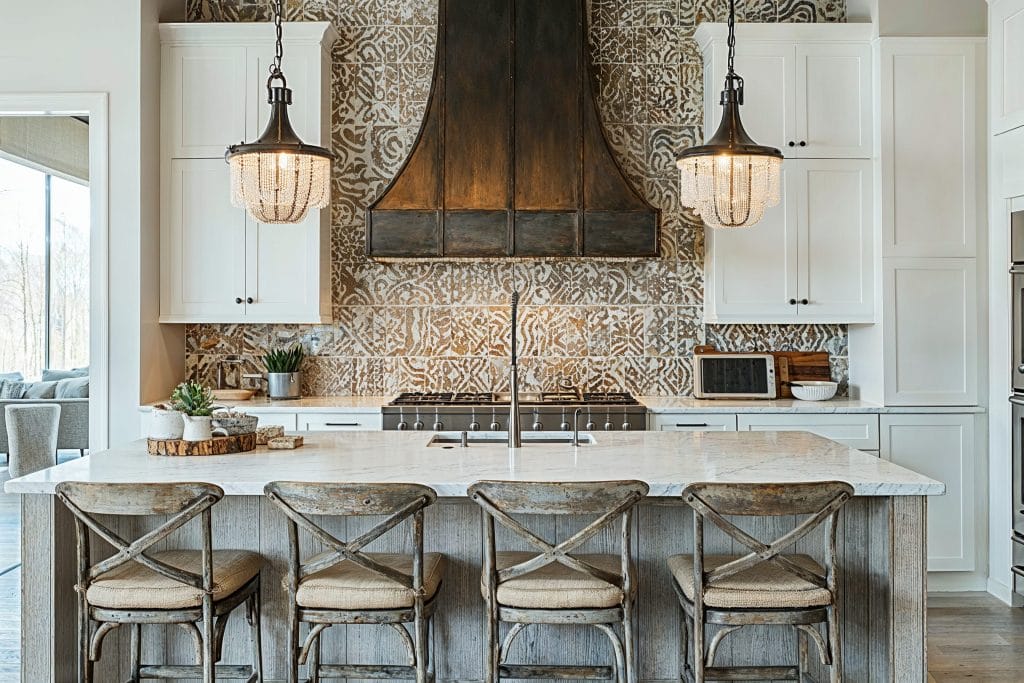
Poor lighting turns your kitchen nook into a dark cave where you squint at recipes or struggle to read. Layered lighting solves this common problem with multiple light sources at different heights.
How to Install Task Lighting Without Hardwiring
You don’t need complex electrical work to add functional lighting. Clip-on task lamps attach directly to shelves or cabinets above your kitchen nook table, directing light exactly where you need it for reading or meal prep. Battery-operated puck lights installed under wall cabinets provide soft ambient lighting without visible wiring.
For a more permanent solution, plug-in wall sconces that connect to nearby outlets eliminate the need for hardwiring while providing beautiful wall lighting. String lights with Edison bulbs create instant ambiance but should be used as accent lighting rather than your primary light source.
What Bulb Temperatures Work Best for Kitchen Nook Activities
The color temperature of your bulbs dramatically affects how your kitchen nook feels. Use 2700K-3000K bulbs (warm white) for dining and relaxation areas to create a cozy atmosphere. Install 3500K-4000K bulbs (cool white) over workspaces where you need better visibility for tasks like homework or food preparation.
Install dimmer switches on all lighting circuits to adjust brightness for different activities. This simple addition lets you transform your kitchen nook from a bright morning workspace to a softly lit evening dining area with just a touch.
Style Your Kitchen Nook Walls with Purposeful Decor
Bare walls in your kitchen nook make the space feel unfinished and cold. Strategic wall treatments add personality while serving practical functions.
How to Create a Focal Point with Minimal Wall Space
In small kitchen nooks, every inch counts. Create visual interest with a single striking piece of art rather than multiple small pieces that look cluttered. Position artwork at eye level when seated (approximately 57-60 inches from the floor) for proper viewing perspective.
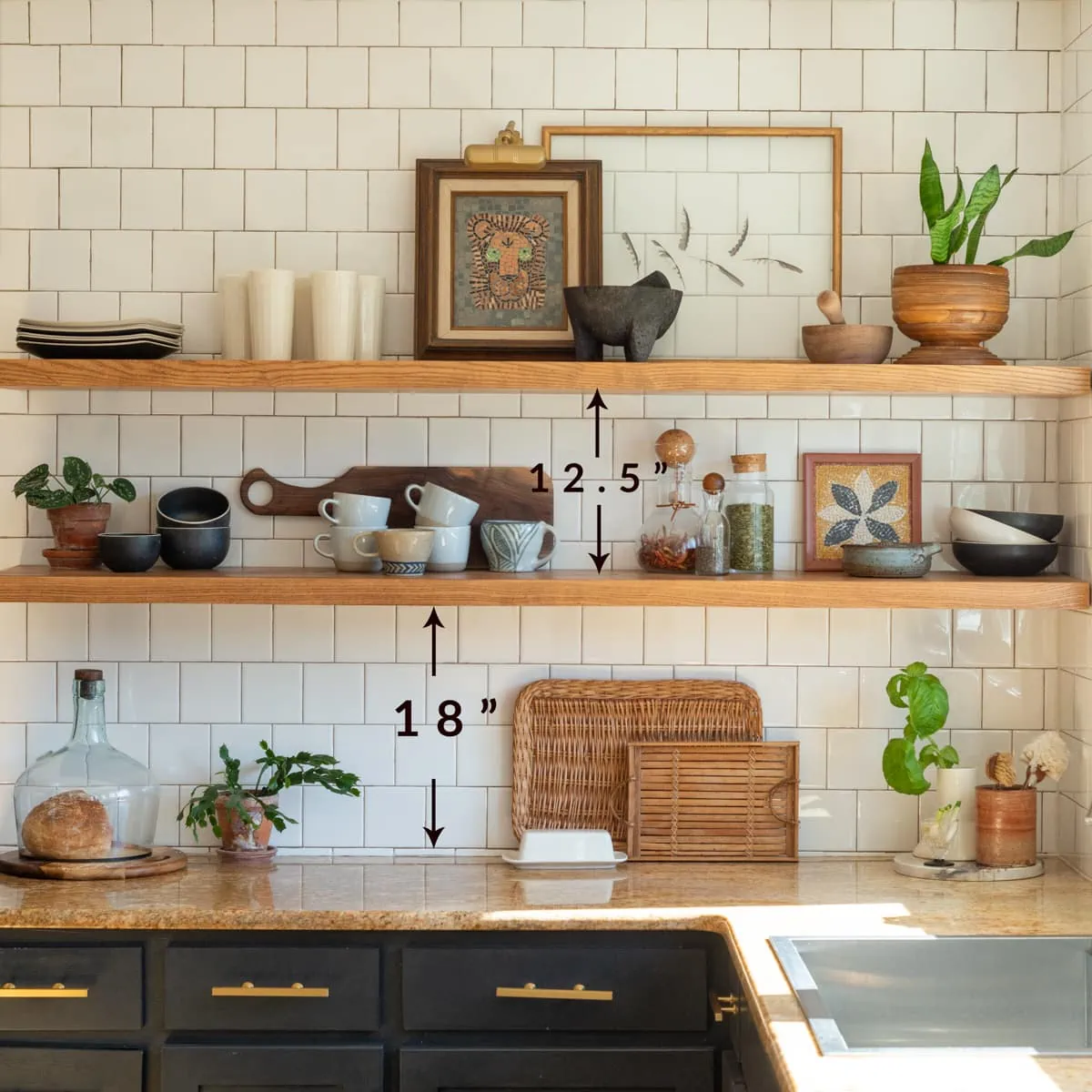
Install floating shelves at varying heights to display a curated collection of items without overwhelming the space. Start with three shelves in a vertical arrangement, leaving more space between the bottom two shelves to accommodate taller items like cookbooks or plants.
What Storage Solutions Double as Kitchen Nook Decor
Transform necessary storage into attractive decor elements. Woven baskets on open shelves hold napkins and placemats while adding texture. A vintage ladder mounted horizontally creates instant hanging storage for towels and displays cookware as art.
Install a wall-mounted wine rack that doubles as sculptural element. Choose racks with an interesting design that becomes part of your decor rather than just storage. For non-drinkers, use wine racks to display cookbooks upright or hold kitchen utensils.
Optimize Your Kitchen Nook Floor Plan for Real-Life Functionality
Most kitchen nook layouts fail because they don’t account for how people actually move through the space. Proper traffic flow separates a functional nook from a frustrating obstacle course.
How to Position Furniture Without Blocking Kitchen Traffic
Measure your main traffic paths before placing any furniture. Maintain at least 36 inches of clearance for primary walkways and 42 inches where two people might pass. Position your kitchen nook seating so people can enter and exit without disrupting others seated at the table.
If your kitchen nook sits along a main route to another room, angle the seating 15-30 degrees away from the traffic path. This subtle adjustment creates a psychological barrier that prevents people from accidentally walking through your dining space.
What to Do When Your Kitchen Nook Has Awkward Architectural Features
Work with—not against—your space’s existing architecture. Build seating around support columns rather than trying to hide them. Use awkwardly shaped corners for specialized storage like a custom wine rack or spice display.
For nooks with low ceilings or sloped walls, install mirrors on the high walls to create the illusion of height. Choose furniture with lower profiles to prevent the space from feeling cramped. In tight spots, eliminate chair backs entirely and use counter-height seating with footrests.
Maintain Your Decorated Kitchen Nook with Simple Daily Habits
Even the most beautifully decorated kitchen nook becomes unusable when clutter takes over. Implement these maintenance strategies to keep your space functional and inviting.
How to Prevent Your Kitchen Nook from Becoming a Clutter Zone
Designate specific zones for specific activities and stick to them. Your kitchen nook table should serve one primary purpose—dining, working, or relaxing—not all three simultaneously. Store work materials in nearby cabinets or on a rolling cart that tucks away when not in use.
Implement a “10-minute reset” rule: before starting any new activity in your kitchen nook, spend 10 minutes clearing the previous activity’s items. This prevents the gradual accumulation of clutter that turns functional spaces into dumping grounds.
What Quick Cleaning Routine Keeps Your Kitchen Nook Fresh
Wipe down all surfaces immediately after meals rather than letting crumbs and spills accumulate. Keep a small caddy under your kitchen nook bench with cleaning supplies specific to your space—microfiber cloths, appropriate cleaner for your table surface, and a small brush for crumbs.
Vacuum or sweep the floor daily to prevent tracked-in dirt from building up in your kitchen nook. For upholstered seating, use a handheld vacuum with brush attachment weekly to remove crumbs and debris that work their way into fabric.
Transforming your kitchen nook doesn’t require a massive renovation budget or professional design skills. By implementing these specific, actionable strategies tailored to your space’s unique dimensions and your lifestyle needs, you’ll create a functional, beautiful area that gets used daily rather than ignored. The key is choosing furniture that fits your actual measurements, layering practical lighting solutions, and maintaining clear zones for specific activities. Start with one element—perhaps optimizing your seating arrangement or adding proper task lighting—and build from there. Within a weekend, you can transform that neglected corner into the coziest, most functional spot in your kitchen. Your perfectly decorated kitchen nook awaits—now you have exactly what you need to make it happen.