Quartz kitchen sinks offer homeowners a beautiful blend of durability and modern aesthetics, combining approximately 90% ground quartz with acrylic polymer resins to create a surface that resists scratches, stains, and heat better than many alternatives. If you’ve invested in this premium sink material, knowing exactly how to clean quartz kitchen sinks properly becomes essential to maintaining its pristine appearance for years to come. Unlike porous natural stone, quartz’s non-porous nature prevents bacterial growth and staining, but it still requires specific care techniques to avoid damage from improper cleaning methods.
Many homeowners make the critical mistake of treating quartz sinks like stainless steel or ceramic, reaching for abrasive cleaners that gradually dull the finish. The reality is that while quartz ranks among the hardest sink materials available, the acrylic binder holding the quartz particles together can sustain damage from harsh chemicals and abrasive tools. This guide delivers precise, manufacturer-backed methods for daily maintenance, stubborn stain removal, and long-term preservation of your quartz sink’s beauty—without risking costly damage through improper cleaning techniques.
Daily Cleaning Routine for Spot-Free Quartz Sinks
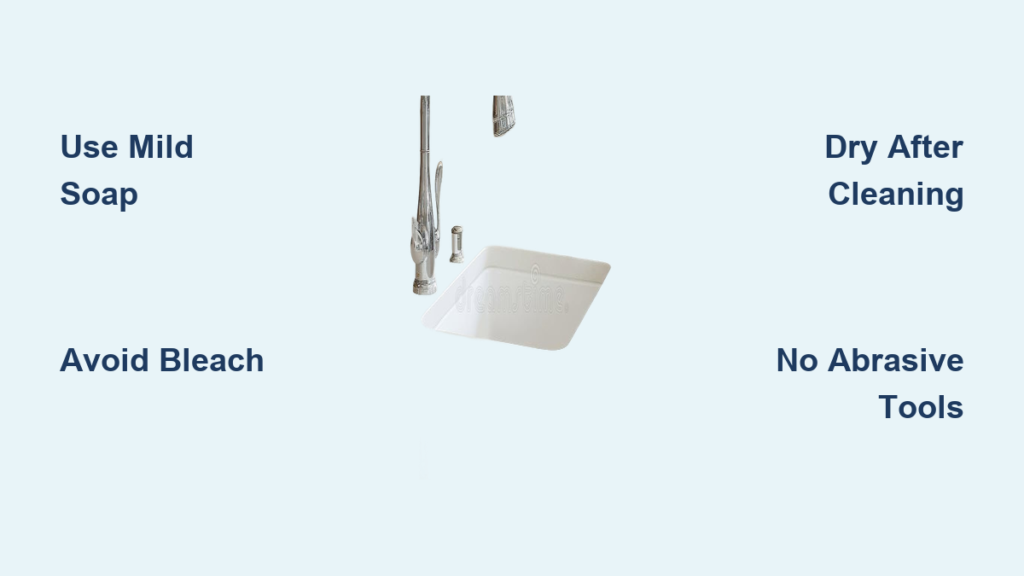
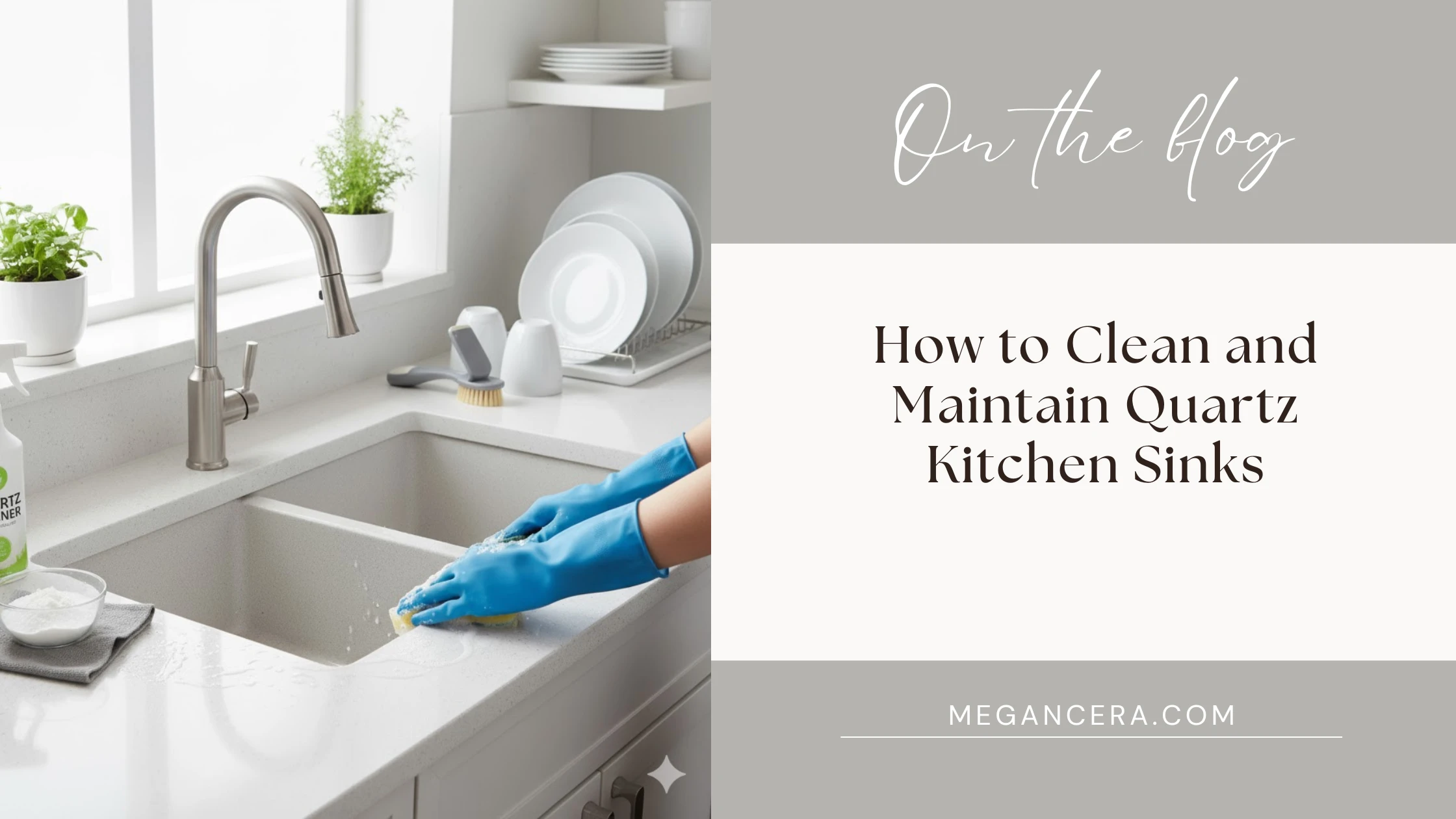
Cleaning your quartz sink after each use takes less than a minute but prevents the buildup that leads to intensive cleaning sessions later. Start by rinsing the basin thoroughly with warm water to remove loose food particles and debris, then apply a few drops of mild dish soap to a soft microfiber cloth or non-abrasive sponge. Gently wipe the entire surface, paying special attention to the drain area and the seam where the sink meets the countertop—common trouble spots for moisture accumulation and mildew growth.
Immediately after washing, dry the entire sink surface with a clean, dry microfiber towel. This crucial step prevents water spots and mineral deposits, particularly important in hard water areas where minerals left to dry create stubborn film over time. The friction from the microfiber actually enhances the sink’s natural sheen without requiring chemical polishes. Skipping this drying step is the single most common mistake homeowners make, leading to premature dulling of the surface that many mistakenly attribute to the sink material itself.
Weekly Deep Cleaning with Vinegar and Baking Soda
Your weekly deep cleaning should target the thin film that develops despite daily maintenance, using the manufacturer-recommended vinegar soak method adapted for quartz surfaces. Remove all accessories from the sink basin, then sprinkle baking soda generously across the entire surface—focusing on areas showing discoloration or buildup. The mild abrasive action lifts debris without scratching, unlike commercial powdered cleaners that contain harsh additives.
Create a paste with equal parts baking soda and water, applying it to corners, curves, and around the drain where residue accumulates. Let it sit for five to ten minutes before gently scrubbing with a soft-bristled nylon brush. For mineral deposits, fill a small container with white vinegar, remove the drain stopper, and submerge it for 30 minutes to dissolve buildup. After thorough rinsing with warm water, dry completely with a microfiber cloth to restore that showroom shine. Never leave vinegar in contact with quartz for more than two minutes at a time, as prolonged exposure can damage the acrylic binder.
Eliminate Stubborn Stains Without Scratching

Coffee rings, tea stains, and fruit juice discoloration require targeted treatment that won’t compromise your sink’s finish. For organic stains, make a paste using baking soda and hydrogen peroxide (3% solution), applying it directly to the affected area and letting it sit for 15-20 minutes. The gentle oxidizing action lifts discoloration without abrasive scrubbing. For hard water deposits that resist baking soda, apply white vinegar directly to the spot using a cloth—never pour vinegar directly into the sink basin—and let it sit for no more than two minutes before rinsing thoroughly.
When dealing with persistent stains, avoid the temptation to use bleach or ammonia-based cleaners, which degrade the acrylic binder in quartz composites. Instead, try this manufacturer-approved method:
– Apply baking soda paste to the stain
– Cover with a vinegar-soaked paper towel
– Let sit for 10 minutes
– Gently scrub with soft brush
– Rinse thoroughly with warm water
– Dry immediately with microfiber cloth
Protect Your Quartz Sink from Everyday Damage
Preventing damage proves far more effective than attempting repairs after the fact. Never place hot pots directly from the stove into your quartz sink, as extreme temperature changes can cause cracks in the acrylic component. Allow cookware to cool for several minutes first, or use a sink grid as a thermal barrier. Similarly, avoid dragging heavy pots across the surface or using your sink as a cutting surface—quartz may resist scratches better than other materials, but repeated abrasion will eventually dull the finish.
Temperature shock represents a major threat to quartz sinks during winter months. Never pour boiling water directly into the drain when outdoor temperatures are below freezing, as the sudden thermal change stresses the material. Instead, run warm water for several minutes to gradually heat the pipes before introducing hotter water. These simple precautions prevent the majority of damage that occurs through everyday kitchen activities and significantly extend your sink’s lifespan.
Maintain Drain Components Without Damaging Quartz
While the drain assembly itself isn’t made of quartz, improper cleaning can damage your sink surface during maintenance. Monthly, remove the drain stopper and soak it in vinegar for 30 minutes to dissolve mineral buildup, then rinse thoroughly before reinstallation. For garbage disposals, run ice cubes and citrus peels through the unit to clean blades and eliminate odors—never use commercial drain cleaners which can corrode plumbing and damage quartz if splashed onto the surface.
When resetting electronic faucet sensors (common with touchless models), press and hold the sensor button for 10 seconds until the LED flashes, confirming the reset. This prevents unnecessary disassembly that could lead to accidental damage to your quartz sink during troubleshooting. Proper drain maintenance prevents the clogs that tempt homeowners to use increasingly aggressive cleaning methods that ultimately harm both plumbing and sink surfaces.
Safe Polishing Methods for Lasting Shine
Restore your quartz sink’s luster with monthly polishing that enhances its natural beauty without harmful chemicals. After thorough cleaning and complete drying, apply a small amount of mineral oil to a soft cloth and buff the surface using circular motions. Focus on high-traffic areas that show water spots or fingerprints, then wipe away excess oil with a clean, dry microfiber cloth. This creates a subtle protective barrier that repels water and makes subsequent cleaning easier.
Avoid automotive waxes, furniture polishes, or multi-surface cleaners containing silicones, which leave residues incompatible with quartz materials. Specialty quartz polishes designed for engineered stone surfaces provide the safest option if you prefer commercial products. The polishing process requires just 5-10 minutes monthly but maintains that “just-installed” appearance that makes your entire kitchen feel fresh and well-maintained.
Harmful Products That Damage Quartz Sinks
Knowing what NOT to use proves equally important as proper cleaning techniques. Immediately stop using these common household items on your quartz sink:
– Steel wool or abrasive scrub pads (create permanent scratches)
– Bleach and ammonia-based cleaners (degrade acrylic binder)
– Nail polish remover or paint stripper (causes discoloration)
– Oven cleaners or heavy-duty degreasers (etch the surface)
– Powdered cleansers like Comet or Bar Keepers Friend (too abrasive)
Even seemingly harmless items like boiling water can damage quartz when used repeatedly at extreme temperatures. When in doubt about a specific product’s compatibility, test it in an inconspicuous area first or consult your sink manufacturer’s recommendations. Elkay’s support team (1-800-ELKAY-11) provides free guidance on appropriate cleaning methods for their quartz sink products.
When to Call a Professional for Quartz Sink Repair
Most maintenance falls within homeowner capabilities, but certain issues require professional intervention. Deep scratches that catch your fingernail, chips along the rim, or persistent discoloration resisting all home treatments indicate the need for specialized repair. Never attempt to sand out scratches yourself, as quartz requires specific tooling and expertise to restore properly without causing further damage.
Contact a qualified countertop installer or the sink manufacturer if you notice:
– Structural separation from the countertop
– Water damage to surrounding cabinetry
– Cracks radiating from the drain
– Discoloration that won’t respond to baking soda treatments
– Significant loss of surface luster despite proper care
Manufacturer support channels can determine if your issue is covered under warranty and recommend authorized service providers in your area. Addressing significant problems promptly prevents minor damage from escalating into complete sink replacement scenarios.
Maximize Your Quartz Sink’s Lifespan with Consistent Care
Your quartz kitchen sink represents a significant investment in your home’s functionality and aesthetics, and protecting that investment requires consistent, appropriate maintenance. By establishing a simple routine of daily wiping, weekly deep cleaning, and monthly polishing while avoiding harmful products, you’ll maintain both the beauty and structural integrity of your sink for decades. The non-porous surface that makes quartz resistant to staining also makes it relatively easy to maintain when using the correct approach—gentle, consistent care beats aggressive periodic cleaning every time.
Remember that the key to quartz sink longevity lies in prevention rather than correction. Stock your cleaning caddy with baking soda, white vinegar, mild dish soap, soft microfiber cloths, and a soft-bristled nylon brush—these simple items provide everything needed for effective quartz sink maintenance. By following these manufacturer-backed methods for how to clean quartz kitchen sinks properly, you’ll enjoy a pristine, spot-free basin that enhances your kitchen’s appearance for years to come without risking costly damage through improper cleaning techniques.