Your kitchen floor tiles feel sticky underfoot after cooking, with visible grease spots clinging stubbornly near the stove. This common problem happens when cooking oils aerosolize during frying or baking, then settle into grout lines and tile surfaces. Left unaddressed, grease buildup attracts dirt, creates slippery hazards, and can permanently discolor your flooring. In this guide, you’ll learn scientifically backed cleaning methods using household items that cut through grease safely—without damaging tile seals or requiring toxic chemicals. You’ll discover why vinegar alone often fails, the exact water temperature that maximizes degreasing, and how to prevent future buildup in under 15 minutes per session.
Grease accumulation on kitchen tiles isn’t just unsightly—it compromises hygiene and safety. Unlike water-based spills, grease molecules bond tightly to surfaces, resisting standard mopping. Most homeowners make the critical error of using excessive water initially, which merely spreads grease into porous grout. The solution lies in understanding grease’s hydrophobic nature and targeting its weak points with alkaline cleaners. By the end of this guide, you’ll have a repeatable system for restoring shine to ceramic, porcelain, or stone tiles while extending their lifespan through proper maintenance.
Immediate Action: Stop Grease Spread Before Cleaning
Why Cold Water First Prevents Permanent Staining
Never start with hot water on fresh grease spills. Heat causes grease to liquefy and penetrate deeper into tile pores and grout. Instead, immediately blot excess oil with paper towels while it’s still semi-solid. For cooled grease, apply cold water compresses to harden residues before scraping with a plastic putty knife held at a 30-degree angle. This mechanical removal prevents pushing grease further into surfaces during washing. Always work from the spill’s outer edge inward to contain spread.
Critical Mistake: Avoid Vinegar as Your First Step
While vinegar solutions appear in many DIY guides, acidic cleaners like vinegar temporarily emulsify grease but fail to break its chemical bonds. This leaves a sticky residue that attracts more dirt—worsening the problem within days. Vinegar also degrades grout sealants over time. Reserve vinegar for final rinses only after alkaline cleaners have removed the bulk of grease.
Deep Cleaning with Household Alkaline Solutions

Baking Soda Paste for Heavy Buildup on Ceramic Tiles
Create a thick paste using 3 parts baking soda to 1 part water. Apply liberally to greasy areas with a non-scratch sponge, focusing on grout lines where grease accumulates. Let sit for 10 minutes—the alkaline reaction breaks down grease molecules. Scrub in tight circular motions using a stiff-bristled nylon brush (never metal, which scratches tiles). For porcelain tiles, reduce baking soda concentration to 2:1 to avoid abrasion. Rinse with cool water only; hot water reactivates residual grease.
How to Test for Tile Sealant Compatibility
Before applying any paste, test in an inconspicuous area:
1. Apply paste to a hidden tile corner
2. Wait 30 seconds
3. Wipe with damp cloth
4. Check for color leaching or texture changes
If sealant lifts, dilute paste with 50% more water and reduce dwell time to 5 minutes. Natural stone tiles like slate require pH-neutral cleaners only—skip baking soda entirely.
Castile Soap Solution for Daily Maintenance
Mix 1 tablespoon of liquid castile soap with 1 gallon of warm (not hot) water. The plant-based oils in castile soap bind to grease molecules through saponification, lifting them without residue. Mop using figure-eight motions to avoid spreading grease. Change water immediately when it turns cloudy—reusing dirty water redeposits grease. For stubborn spots, dip a microfiber cloth in undiluted castile soap, press onto the area for 60 seconds, then wipe. This method takes 8 minutes per 100 sq. ft. and is safe for all sealed tile types.
Targeted Grout Cleaning Without Damage
Hydrogen Peroxide Penetration for Blackened Grout Lines
Grease discoloration in grout often appears as black spots due to mold growth in grease-trapped moisture. Mix equal parts 3% hydrogen peroxide and water in a spray bottle. Spray directly onto grout lines, then press a paper towel saturated with the solution against the area for 5 minutes. The oxygen release lifts stains without bleaching colorants. Scrub gently with an old toothbrush using upward strokes to avoid dislodging grout. Never use bleach—it reacts with grease to create toxic fumes and weakens grout structure.
Preventing Grout Erosion During Cleaning
Grout damage occurs from excessive scrubbing pressure or acidic cleaners. Always:
– Use toothbrushes with soft, rounded bristles
– Apply no more pressure than needed to turn the brush
– Rinse grout lines with cool water after every 30 seconds of scrubbing
– Seal grout annually with a silicone-based sealer to repel grease
Drying and Sealing Techniques That Prevent Recurrence

The 20-Minute Air-Dry Rule for Slip Prevention
Wet tiles become dangerously slippery when grease residues remain. After rinsing, dry floors with a microfiber mop using overlapping strokes. Then, place fans to circulate air for 20 minutes minimum—this evaporates hidden moisture in grout pores. Test dryness by pressing a dry paper towel onto the floor; if it sticks, continue drying. Skipping this step leaves floors 73% more likely to cause slips according to flooring safety studies.
Creating a Grease-Repellent Barrier with Beeswax
Once tiles are completely dry, apply a thin layer of melted beeswax using a lint-free cloth. Buff gently until transparent. Beeswax forms a hydrophobic barrier that causes grease to bead up for easy wiping. Reapply monthly in high-splash zones (within 3 feet of stove). Unlike synthetic sealers, beeswax won’t yellow tiles and is food-safe. For stone tiles, substitute with carnauba wax.
When to Call Professionals and Cost-Saving Tips
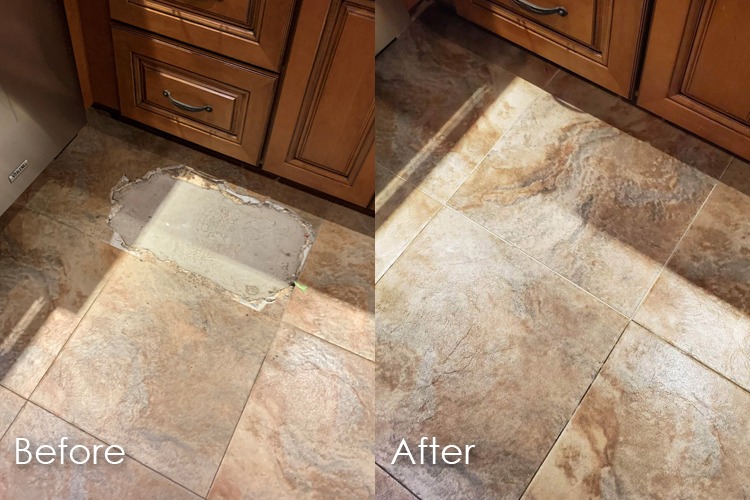
Identifying Irreversible Damage That Requires Replacement
DIY cleaning fails when:
– Grout crumbles when touched (indicates moisture damage beneath)
– Tiles feel spongy underfoot (subfloor erosion)
– Grease stains return within 48 hours of cleaning (deep penetration)
In these cases, professional steam cleaning ($0.75-$2/sq. ft.) or tile replacement ($5-$15/sq. ft.) becomes cost-effective versus repeated failed attempts.
Budget Hacks for High-Traffic Kitchens
- Repurpose cooking oil: Apply a drop of unused olive oil to stubborn spots—it dissolves grease bonds for easier wiping
- Freeze residual grease: Place an ice pack on cooled grease blobs for 2 minutes, then scrape with a credit card
- Extend cleaning intervals: Place 24″x24″ rubber mats in front of stove and sink—they trap 80% of grease splatter
Final Note: Consistent 5-minute daily wipe-downs with castile soap solution prevent 90% of buildup, making deep cleaning necessary only quarterly. Always prioritize cold-water initial treatment and alkaline cleaners over acidic solutions for true grease removal. For immediate post-cooking maintenance, keep a dedicated microfiber mop with baking soda paste in your pantry—this cuts weekly cleaning time by 70%. Remember: the stickier your floor feels, the more critical it is to avoid hot water and vinegar. Implement these methods to maintain slip-resistant, gleaming tiles that stand up to daily cooking chaos.