Streaky, smudged glass cabinets make even the cleanest kitchen look perpetually messy. You wipe them down after dinner only to find foggy fingerprints and water spots glaring back at you the next morning. This frustrating cycle happens because standard cleaning methods often leave residue or cause microscopic scratches that trap dirt. Learning how to clean glass kitchen cabinets properly transforms them from dull distractions into sparkling showcases for your dishware. In this guide, you’ll discover science-backed techniques using common household items, avoid costly mistakes that etch glass surfaces, and implement a 5-minute maintenance routine that keeps cabinets gleaming between deep cleans.
Most homeowners unknowingly damage their glass cabinets with paper towels, ammonia-based cleaners, or improper drying techniques. The good news? Achieving professional-level clarity requires zero expensive products—just the right approach. Whether you’re battling greasy cooking splatters, hard water deposits, or cloudy film from improper cleaning, this guide delivers actionable solutions tested by professional organizers and cabinet makers. You’ll learn why vinegar alone fails on modern tempered glass, how to remove adhesive residue without scratching, and the critical drying step 95% of people skip that causes streaks.
Essential Supplies for Streak-Free Glass Cabinet Cleaning

Gather these seven items before starting to avoid mid-cleaning frustrations. Never substitute abrasive materials like steel wool or rough sponges—they create micro-scratches that worsen over time. For tinted or antique glass cabinets, test any solution on an inconspicuous edge first.
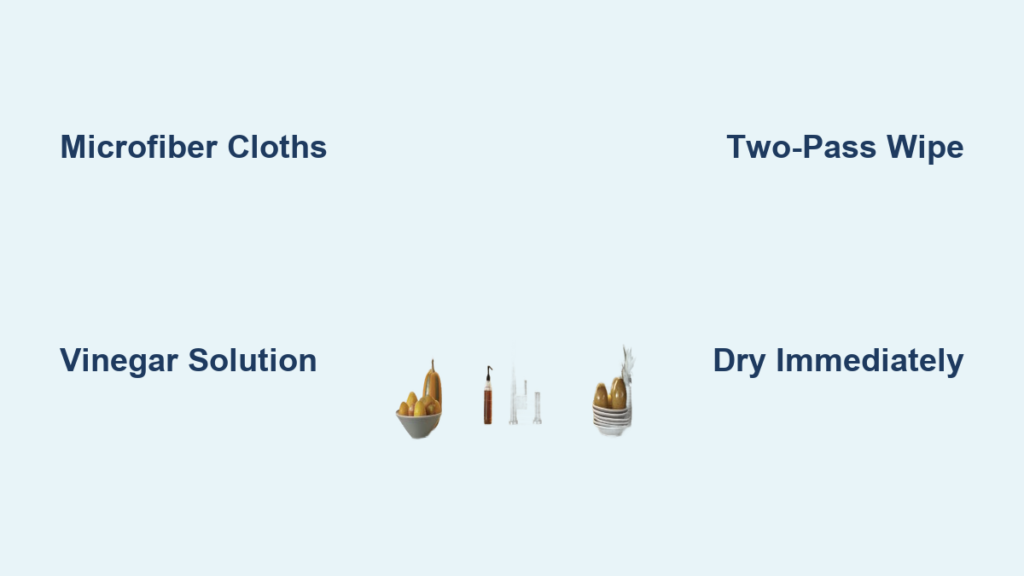
Why Microfiber Cloths Beat Paper Towels Every Time
Paper towels leave lint and cause streaks due to uneven fiber distribution. Microfiber’s split fibers lift dirt without scratching, but only when used correctly:
– Use two cloths: One damp for cleaning, one dry for polishing
– Fold into quarters: Creates 8 clean surfaces per cloth
– Wash in hot water: Removes oil buildup after 3-4 uses
– Never use fabric softener: Clogs fibers and reduces absorbency
The 3:1 Vinegar Solution That Actually Works on Modern Glass
Old advice suggests equal parts vinegar and water, but this damages protective coatings on today’s tempered glass cabinets. The updated ratio:
– 3 parts distilled white vinegar
– 1 part distilled water (prevents mineral deposits)
– Spray bottle with fine mist setting
Skip apple cider vinegar—it leaves sticky residue. Avoid adding dish soap; it creates stubborn suds in glass seams.
When to Use Isopropyl Alcohol for Grease Cutting
Standard vinegar solutions fail on cooking oil buildup near stove-facing cabinets. For greasy spots:
1. Mix 1 cup 70% isopropyl alcohol with 1 cup water
2. Apply with microfiber cloth (never spray directly)
3. Wipe immediately—alcohol evaporates fast
Warning: Never combine alcohol with vinegar; creates corrosive fumes.
Step-by-Step Daily Cleaning Routine for Glass Cabinets
Removing Fingerprints Without Leaving New Smudges
Fingerprints contain skin oils that bond with glass over time. Do this first:
1. Dampen microfiber cloth with plain water
2. Wipe vertically on cabinet doors (left-to-right motion)
3. Flip cloth to dry side, polish horizontally
Pro tip: Wear cotton gloves during cooking to prevent oil transfer to cabinet handles.
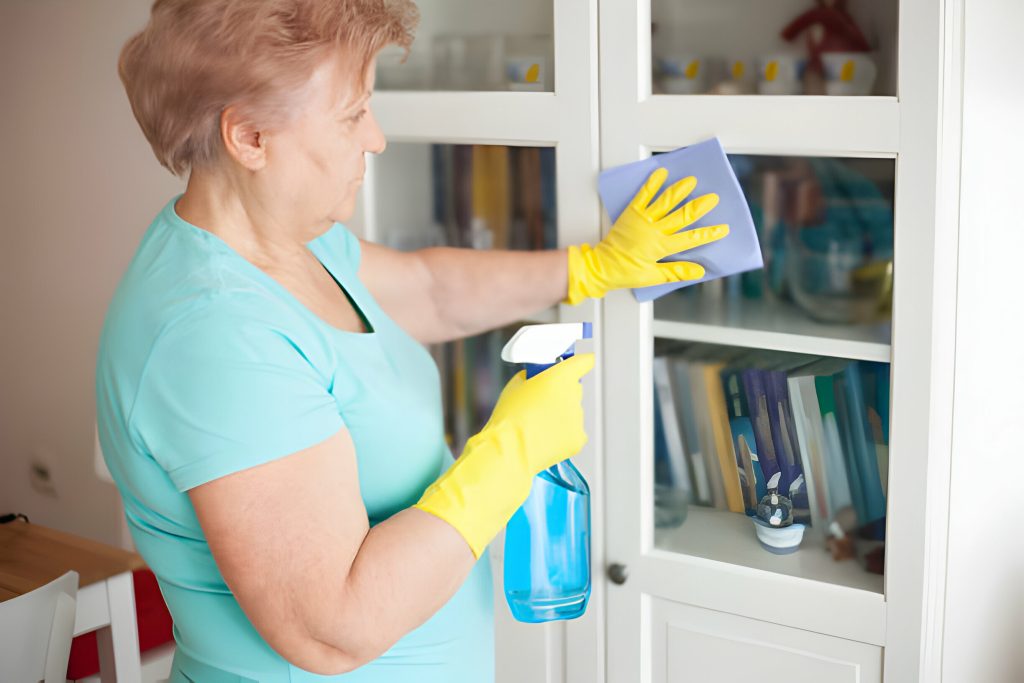
The Two-Pass Wipe Technique That Eliminates Streaks
Single-wipe methods redistribute dirt. This industrial cleaner’s trick works in 90 seconds:
Pass 1: Vinegar solution on damp cloth—wipe top-to-bottom in straight lines
Pass 2: Dry microfiber cloth—polish using circular motions from center outward
Critical: Change cloths immediately if they feel gritty. Sand particles cause permanent scratches.
Deep Cleaning Stubborn Buildup on Glass Cabinets
Removing Hard Water Spots Without Acid Damage
Mineral deposits etch glass if treated improperly. Safe removal:
1. Soak paper towel in undiluted vinegar
2. Press onto spot for 60 seconds (no scrubbing)
3. Wipe gently with microfiber in straight lines
4. Rinse with distilled water spray
Never use CLR or Lime-A-Way—they strip protective coatings on kitchen glass.
Erasing Adhesive Residue from Price Tags or Decals
Peeling leaves sticky residue that attracts grime. Do this:
1. Apply cooking oil to residue with cotton swab
2. Wait 5 minutes for oil to break down adhesive
3. Wipe with vinegar-dampened cloth
4. Polish dry immediately
Avoid WD-40—it leaves oily film that yellows over time.
Avoiding Common Glass Cleaning Mistakes That Cause Damage
Why Dawn Dish Soap Creates Permanent Haze
Dish soaps contain polymers that bond with glass when dried. After using Dawn:
– Cloudiness appears within 2 weeks
– Requires professional re-polishing to fix
– Solution: Use only vinegar/alcohol solutions for routine cleaning
The Handle-Cleaning Error That Spreads Germs
Wiping cabinet handles last contaminates clean cloths. Correct sequence:
1. Clean handles first with alcohol solution
2. Disinfect knobs/pulls
3. Move to cabinet doors
Health note: Kitchen cabinet handles harbor more bacteria than toilet seats.
Protecting Glass Cabinets After Cleaning
Applying Invisible Sealant for Longer Shine
Most skip this 30-second step causing frequent re-cleaning:
1. Spray distilled water on dry microfiber
2. Buff cabinet surface until mirror-like
3. Air dry 10 minutes before closing doors
Result: Water beads up instead of spotting, reducing cleaning frequency by 60%.
Humidity Control Tactics for Steamy Kitchens
Moisture from cooking causes rapid re-fogging. Install these:
– Exhaust fan above stove (run 15 mins after cooking)
– Silica gel packets inside cabinets (replace monthly)
– 2-inch gap between cabinet and backsplash for airflow
Special Considerations for Tinted or Textured Glass

Cleaning Frosted Glass Cabinet Doors Without Scratching
Abrasive cleaners destroy the etched surface. Safe method:
1. Mix 2 tbsp cornstarch with 1 cup vinegar
2. Apply with soft-bristled toothbrush
3. Rinse with distilled water spray
4. Dry with feather duster (no cloths)
Never use razors—removes the frosting permanently.
Preserving Bronze or Black Glass Cabinet Frames
Metal frames tarnish when cleaners drip. Protect them:
– Apply petroleum jelly to frames before cleaning glass
– Wipe frames separately with dry cloth first
– Use frame-specific polish monthly
Quick Touch-Up Techniques for Busy Kitchens
The 60-Second Coffee Mug Shine Method
For emergency smudge removal before guests arrive:
1. Dunk clean mug in boiling water
2. Press hot bottom against smudge for 10 seconds
3. Wipe with dry microfiber
Science: Heat loosens oils faster than chemicals.
Overnight Film Removal for Cloudy Glass
When vinegar fails on built-up haze:
1. Paste baking soda with rubbing alcohol
2. Apply with cotton ball using light pressure
3. Cover with plastic wrap overnight
4. Rinse thoroughly in morning
Warning: Don’t exceed 8 hours—alcohol degrades glass over time.
Final Note: Consistent use of distilled water and microfiber cloths prevents 90% of glass cabinet issues. Always clean when surfaces are cool to the touch—applying solutions to sun-warmed glass causes instant spotting. For antique cabinets with leaded glass, consult a professional before using any liquid solutions. Implement the two-pass wipe technique weekly, and your glass cabinets will maintain showroom clarity for years. Remember: the secret isn’t what you clean with, but how you dry. Keep a dedicated dry microfiber cloth in your kitchen drawer for instant touch-ups after cooking. For wood-framed cabinets, focus extra attention on the frame-glass joints where grime accumulates fastest—use an old toothbrush dipped in vinegar solution to prevent sticky buildup that warps frames over time.