
That stale, bitter coffee you’re sipping? It’s not your beans—it’s rancid coffee oils and mineral scale choking your Cuisinart K-Cup maker. When coffee residue oxidizes within 48 hours or hard water minerals coat heating elements, your SS-5, SS-10, or SS-15 delivers weak, off-tasting brews at 2-5°C below optimal temperature. Worse, hidden mold like Aspergillus thrives in damp crevices within 72 hours, risking respiratory issues.
This guide delivers the exact cleaning protocol Cuisinart technicians use—no guesswork. You’ll revive factory-fresh performance using vinegar or baking soda (never harsh chemicals), clear clogged needles causing slow drips, and prevent 90% of breakdowns with a 5-minute daily habit. Most fixes take under 15 minutes with supplies from your pantry.
Why Your Cuisinart Coffee Tastes Like Burnt Cardboard
Rancid coffee oils are the silent killer of flavor. Within 24 hours, natural oils coating your brew chamber oxidize into bitter compounds no amount of sugar can mask. Simultaneously, hard water minerals form rock-hard scale on heating elements, insulating them like a winter coat and dropping brew temperature critical for proper extraction.
The real danger hides in plain sight: that warm, moist environment inside your machine is a bacterial paradise. Penicillium mold and coliform bacteria multiply rapidly in leftover grounds, creating musty odors and potential health risks. Scale buildup also forces pumps to work 25% harder, shortening your machine’s lifespan by years.
Required Supplies for Cuisinart SS-5, SS-10 & SS-15 Cleaning
Vinegar solution (3:1 ratio): Mix 10 oz white distilled vinegar (5% acidity) with 30 oz water for descaling. This dissolves mineral scale without damaging seals. Avoid apple cider vinegar—it leaves sticky residue.
Baking soda alternative: Dissolve ¼ cup in 1 cup warm water, then fill reservoir. Ideal if vinegar odors linger in your cups, but requires extra rinse cycles for heavy scale.
Needle cleaning kit: A paper clip or Cuisinart’s included tool unjams clogged puncture needles—never use knives or sharp objects that scratch internal components.
Critical omission: Skip bleach or ammonia-based cleaners. They corrode rubber gaskets and leave toxic residues per Cuisinart’s 2022 service bulletin.
Identify Your Model’s Cleaning Protocol
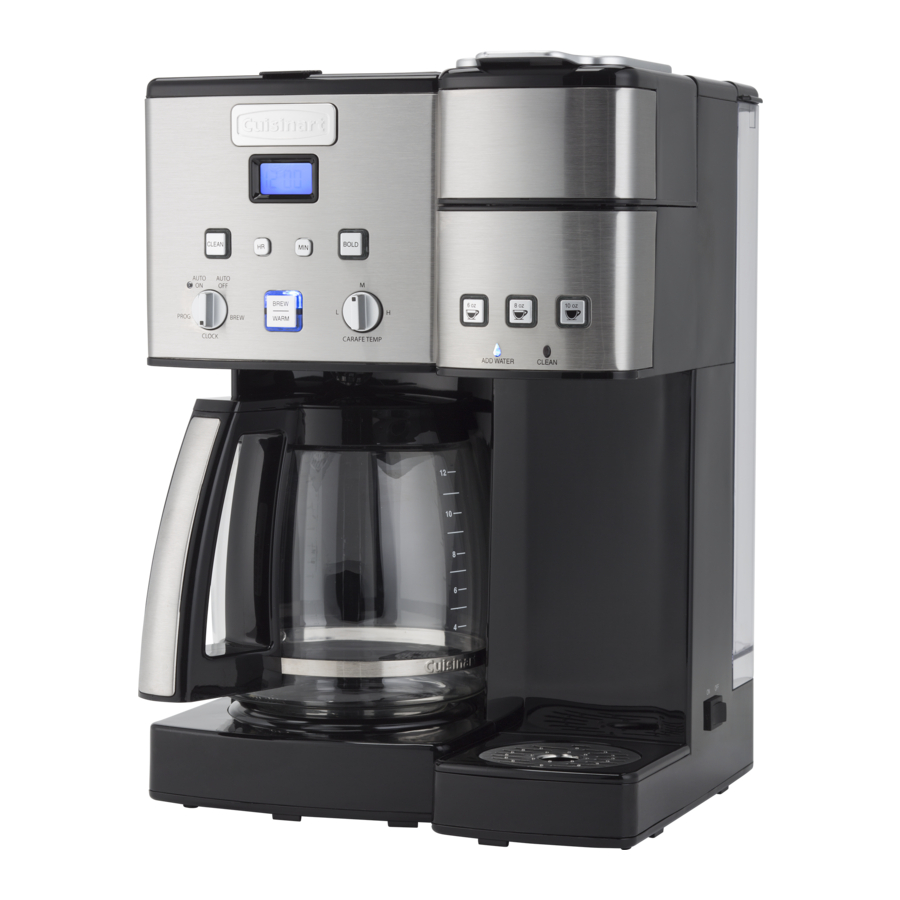
SS-5 owners: Your manual Clean button (rear panel) requires holding for 5 seconds until the indicator flashes. With its 40 oz reservoir, it needs descaling every 150 brews—roughly monthly for daily users.
SS-10/SS-15 users: The LCD alert triggers automatically every 250 brews. These models have larger 72 oz reservoirs and dual brewers (SS-15), but K-Cup cleaning steps remain identical.
Universal truth: All models use charcoal filters needing replacement every 60 days. A saturated filter becomes a bacteria source—never reuse beyond this limit.
Daily 5-Minute Routine to Prevent Bitter Coffee
Immediately unplug and discard the K-Cup—leaving it breeds bacteria in under 12 hours. Never skip this step; trapped moisture accelerates mold growth.
Empty and rinse the drip tray under warm water for 15 seconds. Coffee sludge here hardens into stubborn stains if left overnight, requiring harsh scrubbing later.
Wipe the spout interior with a damp microfiber cloth. Milk and sugar residue here causes off-flavors in subsequent brews—focus on the tiny crevice where coffee exits.
Pro tip: Run a water-only brew every 3 days if unused. Stale water in lines turns acidic and corrodes internal components.
Weekly Deep Clean: Eliminate Mold in Hidden Zones
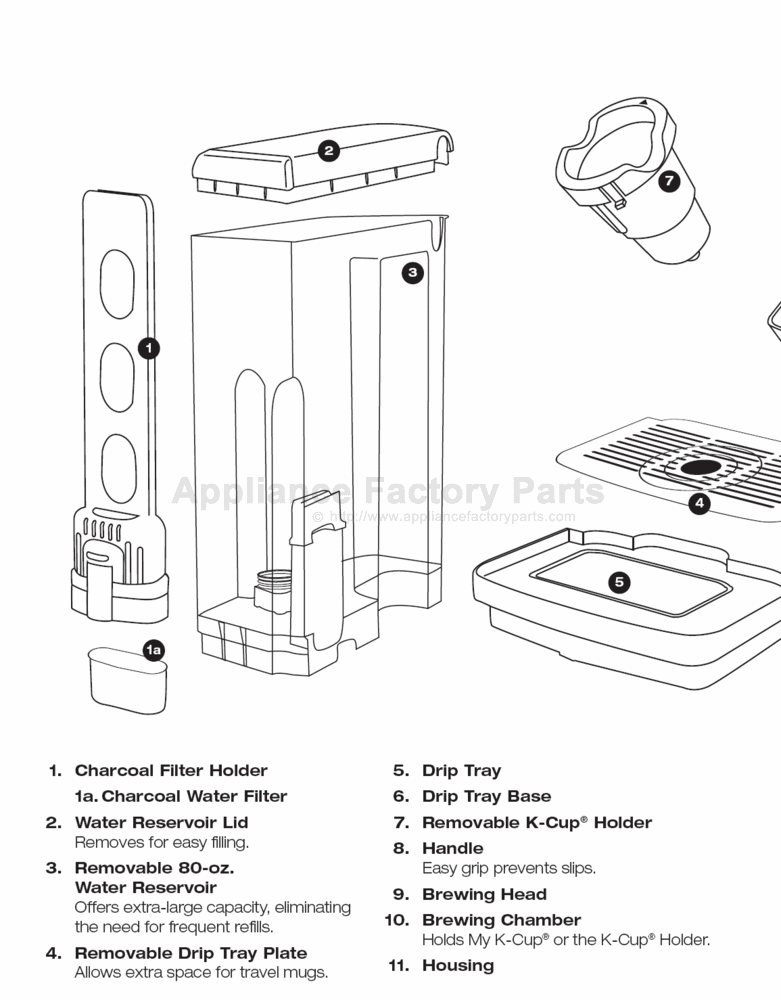
Disassemble all removable parts: Water reservoir, K-Cup holder, drip tray, and lid. Hand-wash these in warm soapy water—dishwashers warp plastic components over time.
How to Clean Clogged Puncture Needles in 60 Seconds

1. Remove the K-Cup holder and locate the top needle (pierces pod lid) and side needle (drains grounds)
2. Insert a straightened paper clip into each needle opening
3. Push through 3 times while twisting to dislodge coffee grounds
4. Rinse under running water until clear—cloudy discharge means hidden mold
Critical step: Scrub the mesh filter screen at the reservoir base with a soft toothbrush. This screen traps micro-grounds that cloud coffee and harbor bacteria. Rinse until water runs crystal clear.
Monthly Vinegar Descale Cycle for SS-10/SS-15 Models
Prep the machine: Remove the charcoal filter (vinegar ruins it) and empty the reservoir. Plug the unit directly into an outlet—battery backup modes interrupt cleaning cycles.
Execute the Descale Cycle in 4 Steps
1. Fill reservoir with 10 oz vinegar + 30 oz water (3:1 ratio)
2. Press and hold DE-SCALE until the LCD flashes “DE-SCALE”
3. Let the 45-minute cycle complete (machine beeps 5x when done)
4. Do not skip: Let solution sit 15 minutes to dissolve stubborn scale in heating chamber
Rinse correctly: Run two full RINSE cycles with fresh water. Test with TDS strips—readings above 100 ppm mean vinegar residue remains. For SS-5 models without LCD, hold the CLEAN button until it flashes.
Manual Descaling for Older SS-5 Models Without Clean Button
Fill reservoir with equal parts vinegar and water (1:1 ratio).
Start the largest cup setting, then pause the brew after 2 oz dispenses. Let the solution sit for 30 minutes to dissolve scale in inaccessible areas.
Complete the cycle, then run three full reservoirs of clean water. Check for leaks during rinsing—older models often develop hairline cracks in reservoirs during descaling.
Vinegar-Free Baking Soda Method for Sensitive Palates
Mix ¼ cup baking soda in 1 cup warm water until fully dissolved, then fill reservoir.
Run the largest cup size without pausing—baking soda expands when heated and could overflow if interrupted.
Follow with two full freshwater cycles. For heavy scale, repeat the process. Note: This method takes 20% longer than vinegar but leaves zero odor.
Fix Leaks & Clogs: Component-Specific Repairs
Why Your Cuisinart Drips Underneath (and How to Stop It)
- Cracked reservoir: Inspect the bottom for hairline fractures (common in SS-5 after 2 years). Replace part #DCC-1200PRC ($8.99)
- Loose silicone gasket: Remove the reservoir lid, wash the gasket with soap, and reseat it firmly. A 5-minute fix prevents $100 repairs
- Clogged overflow tube: Flush with vinegar using a turkey baster—never force objects inside
Charcoal filter emergency: If your coffee tastes musty, rinse the filter under cold water for 10 seconds and soak 5 minutes before reinstalling. Replace immediately if water flow slows.
Troubleshoot 4 Critical Post-Cleaning Failures
Slow brewing (under 45 seconds for 8 oz): Scale remains in outlet tubes. Run two back-to-back descale cycles and test water hardness—levels above 85 ppm require weekly descaling.
Vinegar taste in coffee: Incomplete rinsing. Run additional cycles until TDS strips read below 50 ppm. For stubborn residue, fill reservoir with baking soda solution and run one cycle.
“Clean” light won’t turn off: Unplug for 30 seconds to reset the sensor. If persistent, the charcoal filter wasn’t reinstalled—SS-10 models require it for system calibration.
Leaks during brewing: The K-Cup holder funnel is misaligned. Disassemble, ensure the rubber seal is seated properly, and reinsert with firm pressure.
Your Cuisinart Maintenance Calendar: Never Forget a Step
| Frequency | Action | Time Required |
|---|---|---|
| After every brew | Discard pod, rinse drip tray, wipe spout | 5 minutes |
| Weekly | Clean needles, scrub reservoir screen, wash removable parts | 15 minutes |
| Monthly | Full descale cycle (or when LCD alerts) | 60 minutes |
| Every 60 days | Replace charcoal filter | 2 minutes |
| Quarterly | Inspect power cord for fraying, check needle sharpness | 10 minutes |
Safety Warnings Cuisinart Doesn’t Print in Manuals
Never immerse the base in water—electrical components will short-circuit instantly. Only removable parts contact liquid.
Wait 15 minutes after descaling before handling internal parts. Residual heat in the heating chamber exceeds 200°F and causes severe burns.
Non-Cuisinart descalers are warranty-safe per 2022 service bulletin, but over-concentrated solutions (like undiluted Urnex Dezcal) degrade seals. Always follow 1 tbsp per liter ratios.
Your Cuisinart K-Cup maker now delivers the clean, vibrant coffee you paid for—and with this routine, it will for years. Set phone reminders for descaling and filter changes; these 15-minute investments prevent $150 replacement costs while ensuring every cup tastes as the roaster intended. For dual SS-15 carafe models, add a monthly baking soda soak to remove thermal carafe stains—details in Cuisinart’s online support portal.