
Your Cuisinart air fryer’s fan silently transforms cold air into crispy perfection, but grease buildup can turn it into a performance killer. When that powerful 400°F airflow slows down, you’ll notice soggy fries and unevenly cooked chicken—classic signs your how to clean Cuisinart air fryer fan routine is overdue. Most users don’t realize this critical component collects more than just food particles; it traps microscopic oil vapor that hardens into stubborn residue over time.
Ignoring fan maintenance does more than ruin dinner—it strains the motor, increases cooking times by 25%, and can even trigger smoke alarms. The good news? A proper fan cleaning takes just 15 minutes with household items and prevents 90% of common air fryer failures. This guide reveals exactly how to access and clean both fan systems safely while protecting your warranty.
Unplug and Cool Down: Non-Negotiable Safety Steps
Always disconnect power and wait 30 minutes before touching any internal components. That heating element stays hotter than boiling water long after cooking stops, and spinning fan blades can cause deep cuts. Place your unit on a stable counter with bright lighting—you’ll need to see tiny grease particles clinging to blades.
Never submerge the main body in water. While baskets go in the sink, electrical components near the fan must stay bone-dry. Even a single drop inside the motor housing can short-circuit your appliance or create shock hazards. If you notice steam escaping from vents during cooking, let it cool an extra 15 minutes—this indicates heavy grease buildup requiring extra caution.
Dual Fan System: Why Both Need Cleaning

Your Cuisinart relies on two coordinated fans: the top heating element fan pulls superheated air over food, while the rear exhaust fan vents humidity to prevent sogginess. The top fan battles grease splatter from cooking oils, forming sticky residue that slows rotation. The rear fan collects dust and airborne particles, often going unnoticed until airflow drops significantly.
This dual-system design explains why wiping just the basket isn’t enough. When the exhaust fan clogs, moisture gets trapped inside, turning your crispy wings rubbery. You’ll hear both fans working—a high-pitched whir from the top and lower hum from the back—and any unusual noise indicates buildup needs attention.
Gather These Exact Cleaning Supplies
Skip harsh chemicals that strip protective coatings. You need just seven items:
- Soft toothbrush (never hard-bristled)
- Three microfiber cloths (one dampened, two dry)
- Mild dish soap diluted in warm water
- Compressed air canister (held upright to avoid moisture)
- Cotton swabs for blade crevices
- Small bowl for soap solution
- Handheld vacuum with brush attachment
Critical avoidance list: Steel wool, oven cleaners, and paper towels. These scratch fan blades or leave fibers that burn during operation. That crumpled paper towel you used last time? It’s probably melted onto your heating element right now.
Access Fan Cover Without Voiding Warranty
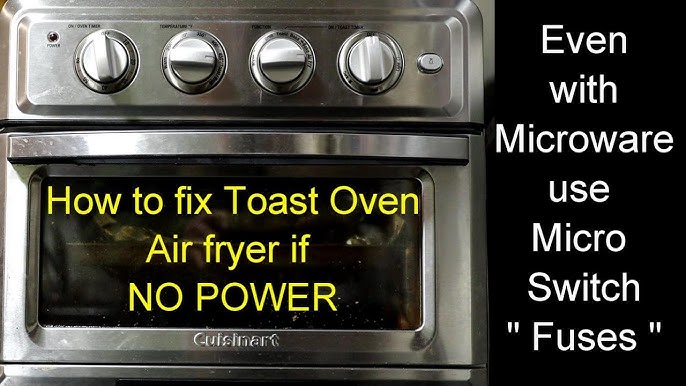
Remove basket and tray first—this prevents accidental damage during cleaning. Locate the mesh cover above the heating element; it’s secured by 2-4 Phillips screws in most models (TF-120, TOA-60, etc.). Place screws in a small bowl immediately—they vanish faster than fries in an air fryer.
Photograph screw positions before removal. Some models have different-length screws for specific holes, and mixing them up causes misalignment. If your cover slides off without screws, gently pry edges with a plastic utensil—never metal. For stubborn grease sealing the cover, run a warm (not hot) damp cloth around the edges for 2 minutes to soften residue.
Clean Top Heating Element Fan Properly
Invert your unit carefully on a towel-lined counter. Tap the bottom firmly—watch fries, seeds, and hardened oil chunks fall out. This alone restores 30% of airflow. Brush toward blade rotation using short, light strokes; scrubbing backward bends delicate fins. For baked-on grease, dip your toothbrush in soapy water and wring until nearly dry—dripping water near electrical parts risks permanent damage.
Compressed air is your secret weapon: Hold 6-8 inches from blades and spray in 2-second bursts against rotation. Angle the nozzle to lift debris upward, not deeper into the motor. Finish with cotton swabs dipped in vinegar solution (1:1 vinegar/water) to dissolve stubborn oil—wipe immediately with a dry microfiber cloth to prevent moisture seepage.
Clean Rear Exhaust Fan Thoroughly
Vacuum the vent grille first using low suction. This removes surface dust that brushing would push inward. The rear fan hides behind slats on your unit’s back panel—most models require no disassembly. Insert your toothbrush at 45-degree angles through vent openings, rotating the fan manually with your other hand to expose all blades.
Check for hidden debris traps: Some models have recessed channels around the fan housing where crumbs accumulate. Run a dry cotton swab along these edges—it’ll emerge surprisingly dirty. Never force the fan if it’s stuck; this indicates severe buildup requiring the deep clean method below.
Monthly Deep Clean for Heavy Buildup
Remove the top cover by unscrewing all 4-6 Phillips screws (take photos during disassembly). Gently disconnect wiring harnesses by pressing plastic tabs—not wires. If the fan assembly lifts out, soak it in warm soapy water for 20 minutes, but never submerge the motor base.
After soaking, use your toothbrush on stubborn spots, then rinse under slow-running water. Air-dry all components 24+ hours—moisture causes short circuits. Reassemble in reverse order, ensuring wiring harnesses click securely into place. Test-spin the fan by hand before plugging in; it should rotate freely with no grinding.
Prevent Grease Buildup Proactively
Wipe accessible fan areas within 5 minutes of cooking while warm (not hot). Heat softens grease for easy removal—wait until cold and it hardens like concrete. Clean immediately after bacon or wings; their oil vapor clogs fans fastest. Store with a microfiber cover to block dust during idle periods.
Track cleaning dates on your fridge calendar—weekly for daily users, bi-weekly for occasional cooks. You’ll notice performance dips after 8-10 cooking sessions with greasy foods. Place lemon slices in an empty basket and run at 400°F for 10 minutes monthly to neutralize odors and dissolve light residue.
Fix Common Post-Cleaning Problems
Grinding noises? Check for stray brush bristles or cotton fibers wrapped around the motor shaft—use tweezers for removal. Weak airflow? Verify the top cover is fully seated; a 2mm gap disrupts air circulation. Burning smells? Run an empty 5-minute cycle at 350°F to evaporate residual moisture from cleaning.
Persistent smoke means grease remains on the heating element. Wipe it with a vinegar-dampened cloth (unplugged!), then air-dry 4 hours. If the fan won’t spin, recheck wiring harness connections—they often pop loose during reassembly.
Recognize When to Call Cuisinart Experts
Stop immediately if you hear clicking or grinding—this indicates blade damage or motor failure. Visible cracks in fan blades require replacement parts only professionals should install. Overheating warnings during operation suggest electrical issues beyond DIY fixes.
Consult your warranty first—most Cuisinart models cover fan motors for 3 years, but self-repairs void coverage. Contact Cuisinart support at 1-800-211-9604 with your model number (found on the base) before opening sealed components. Authorized technicians charge $50-$75 for fan servicing—cheaper than replacing a $150 unit.
Pro Maintenance Hacks You Need
Never use commercial degreasers near fans—their fumes damage plastic housings. Instead, make a paste of baking soda and water for tough spots, then wipe instantly. Store screws in labeled baggies by hole position to simplify reassembly. Test fan spin weekly by manually rotating blades after unplugging—it should glide smoothly for 3+ revolutions.
Photograph “before and after” cleaning sessions. This reveals hidden buildup patterns—like consistent grease on one blade side indicating oil spatter direction. Replace microfiber cloths monthly; worn fibers leave lint that burns during operation.
Final Reassembly Verification Checklist
Before plugging in, confirm:
– All screws are tightened (hand-tight only—overtightening cracks plastic)
– Zero cleaning materials remain inside (do a flashlight inspection)
– Fan spins freely with no resistance when rotated manually
– Wiring harnesses click securely into connectors
– Unit sits perfectly level on your counter
Your Cuisinart air fryer fan will deliver restaurant-quality crispness for years when cleaned properly. That 15-minute monthly ritual prevents costly repairs and ensures every batch of fries emerges golden—never greasy. Now that you know how to clean Cuisinart air fryer fan components safely, you’ll breathe easier knowing your appliance runs at peak efficiency. Keep this guide handy for your next maintenance session, and never endure soggy chicken again.