Commercial kitchen mats become dangerous grease traps within hours during service. That sticky film underfoot isn’t just unpleasant—it’s a major slip hazard and bacterial breeding ground that violates health codes. When mats aren’t properly maintained, staff injuries spike and health inspectors issue critical violations. You’ll discover exactly how to transform filthy mats into sanitized safety zones using industry-proven methods, specific chemical protocols, and time-saving techniques that keep your kitchen compliant and operational. This guide delivers actionable steps for daily maintenance and deep cleaning that address the unique challenges of rubber anti-fatigue mats, drainable safety surfaces, and grease-resistant culinary mats found in professional kitchens.
Daily Mat Maintenance That Prevents Buildup
Remove loose debris before it bonds to mat surfaces during your kitchen’s natural downtime periods. Flip mats weekly during slow lunch hours or pre-shift to access trapped particles underneath. Use stiff-bristled deck brushes (never wire brushes that damage rubber) with hot water to dislodge food particles from textured surfaces. Immediately address spills by blotting—not wiping—to avoid spreading grease across the mat.
Why Daily Dry Cleaning Matters More Than You Think
Skipping dry debris removal before wet cleaning creates a paste-like sludge that cements contaminants into mat fibers. Health department reports show kitchens that neglect dry cleaning require 3x more chemical usage during deep cleans. You’ll recognize inadequate dry cleaning when:
– Brush strokes leave visible trails in grease
– Mats feel sticky even after washing
– Water beads up instead of sheeting off
Critical Timing for High-Traffic Zones
Frozen food prep areas need debris removal every 2 hours during service due to ice melt and product residue. Grill stations require immediate attention after peak service when grease saturation peaks. Establish a color-coded timing system:
– Red tags: Clean every 90 minutes (fryer/grill zones)
– Yellow tags: Clean every 4 hours (prep stations)
– Green tags: Clean every shift (low-traffic storage)
Deep Cleaning Protocols That Destroy Bacterial Colonies

Schedule deep cleaning during your slowest operational window—typically Tuesday mornings for most restaurants. Start by removing mats from the kitchen to prevent cross-contamination. Pre-rinse with 140°F water to melt congealed fats before chemical application. This critical step prevents grease from re-coagulating during cleaning.
The Correct Chemical Sequence for Maximum Sanitization
Apply alkaline degreaser first to break down protein and fat residues—this is non-negotiable for grill station mats. Wait exactly 5 minutes (set a timer) before scrubbing to allow chemical reaction. Switch to acidic cleaners only after degreasing to remove mineral deposits from hard water areas. Never mix chemicals—residual alkaline solutions neutralize acid effectiveness.
Mistake to avoid: Using bleach-based cleaners on rubber mats causes permanent cracking within 3 uses. Opt for quaternary ammonium compounds rated for food contact surfaces.
Pressure Washing Parameters That Won’t Damage Mats
Set pressure washers to 1,200 PSI maximum with 40-degree spray tips—higher pressures force grease deeper into mat pores. Maintain 12-inch distance while moving in overlapping passes. Focus extra attention on mat edges where debris accumulates. Stop immediately if you see:
– Rubber fibers lifting
– Color fading in patches
– Water pooling in new areas
Mat-Specific Cleaning Methods for Critical Zones
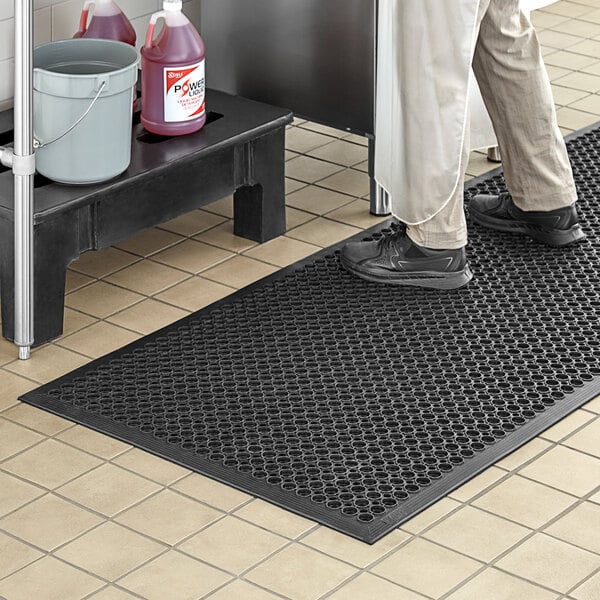
Different kitchen zones require specialized mat care based on contaminant types. Standardized cleaning causes premature wear in high-risk areas. Identify your mat types by checking manufacturer labels near the edges—most commercial kitchens use 3-4 specialized varieties.
Frozen Food Area Mat Protocol
Mats near walk-in freezers face unique ice-melt challenges. Use 100°F water exclusively—colder temps cause rubber brittleness. Apply glycol-based de-icer before cleaning to prevent instant refreezing. Dry with food-grade desiccant powders instead of air drying to eliminate slip risks from residual moisture. These mats need cleaning 50% more frequently than other zones due to constant temperature cycling.
Grease-Resistant Mat Revival Technique
When grill station mats develop that telltale “shiny armor” of baked-on grease, standard cleaning fails. Soak mats for 10 minutes in 150°F water with citrus-based degreaser before scrubbing. Use nylon scrub pads in circular motions—linear strokes create channels for future grease trapping. This restores 90% of original slip resistance when done quarterly.
Drying Procedures That Prevent Recontamination
Air-drying mats indoors creates dangerous mold conditions within 4 hours. Stand mats vertically on edge in well-ventilated areas—never stack or lay flat. Use commercial mat dryers with food-safe blowers set to 90°F airflow. Verify complete dryness by pressing a paper towel against the mat surface; any moisture transfer means 30+ minutes of additional drying time.
The Hidden Danger of Improper Drying
Kitchens that skip proper drying face invisible threats: ATP tests show mats drying in <2 hours harbor 400% more bacteria than properly dried surfaces. Install drying racks in low-humidity zones away from dishwashers and steam kettles. Rotate mats during drying to ensure even airflow exposure on all sides.
Creating Your Mat Maintenance Schedule
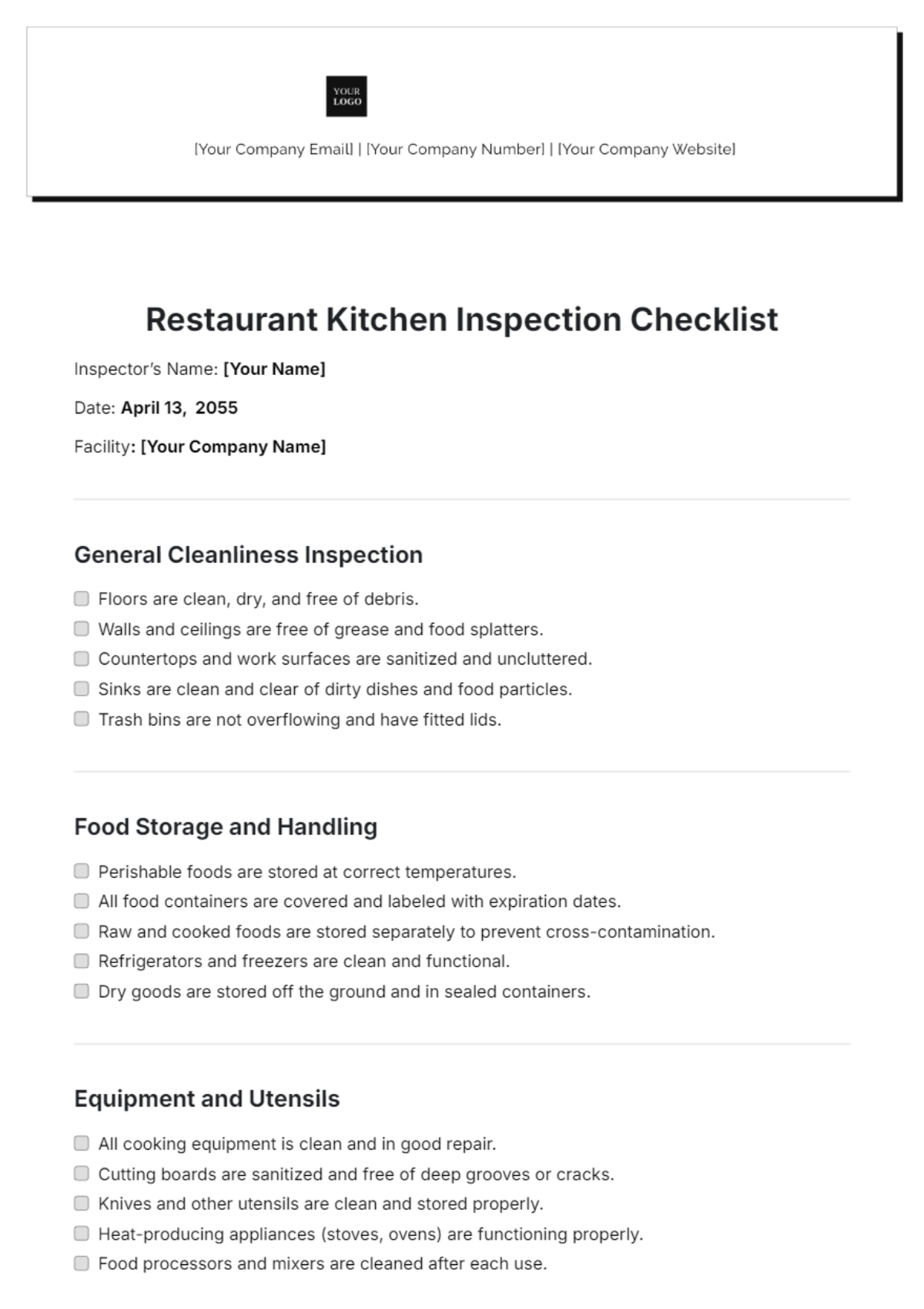
Base cleaning frequency on actual traffic data, not guesswork. Count foot traffic during peak hours in each zone:
– High-risk zones (grill/fryer): Clean every 24 hours
– Medium-risk (prep stations): Clean every 48 hours
– Low-risk (storage): Clean weekly
Track mat condition with a simple 1-5 rating system during inspections:
1. New condition (full grip)
2. Minor wear (slight discoloration)
3. Moderate buildup (visible grease film)
4. Critical failure (slippery when wet)
5. Replace immediately (cracks/tears)
Schedule deep cleaning when mats hit level 3—waiting until level 4 requires replacement.
Staff Training Essentials for Compliance
Documented training prevents inconsistent cleaning that causes health code violations. Require staff to demonstrate these 3 critical skills before handling mats:
1. Proper chemical dilution using color-coded measuring cups
2. Correct pressure washer operation (show safe distance)
3. Dryness verification technique with paper towels
Conduct surprise ATP swab tests monthly—results over 50 RLU require retraining. Post visual cleaning checklists above each mat storage area showing:
– ✅ Approved chemical bottles
– ✅ Required PPE (gloves/goggles)
– ✅ Emergency spill response steps
Quality Assurance Through Testing
Visual checks alone miss hidden contamination. Implement ATP testing 30 minutes after drying—swab high-contact zones like mat edges and seams. Record results in a logbook with staff initials. Action thresholds:
– < 25 RLU: Excellent (meets health code)
– 25-50 RLU: Acceptable with monitoring
– > 50 RLU: Immediate re-cleaning required
Conduct quarterly mat inspections for physical damage. Replace mats showing:
– Cracks deeper than 1/16 inch
– Embedded debris that won’t release
– Loss of 30%+ original thickness
When to Replace Versus Repair Mats
Attempt repairs only on minor edge damage using food-safe rubber cement. Replace immediately when:
– Treads show bald spots larger than a quarter
– Edges curl more than 1/4 inch
– Mats fail ATP tests after proper cleaning
Track mat lifespan by zone—grill station mats typically last 14 months versus 22 months in low-traffic areas. Budget for replacement based on actual wear data, not calendar time.
Preventing Future Buildup With Proactive Measures
Install grated scraper mats at all kitchen entrances to trap dirt before it reaches safety mats. Place grease-absorbent pads under fryers during service—this reduces mat contamination by 60%. Schedule mandatory 15-minute mat refreshes during staff breaks using portable degreaser sprayers.
Pro tip: Place mats on non-porous adhesive strips instead of direct flooring. This creates airflow underneath that slows bacterial growth and makes lifting for cleaning effortless.
Clean commercial kitchen mats aren’t just about appearance—they’re your first line of defense against costly slip-and-fall lawsuits and critical health code violations. By implementing these zone-specific cleaning protocols, you’ll extend mat lifespan by up to 40% while maintaining ATP levels that pass even surprise inspections. Start with daily dry cleaning today, then schedule your first deep clean during next week’s slowest service window. Remember that proper drying is non-negotiable—mats must feel completely dry to the touch before returning to service. For mat-specific chemical recommendations, always consult your manufacturer’s guidelines as rubber compositions vary significantly between brands. Your staff’s safety and your restaurant’s reputation depend on these seemingly small maintenance details.