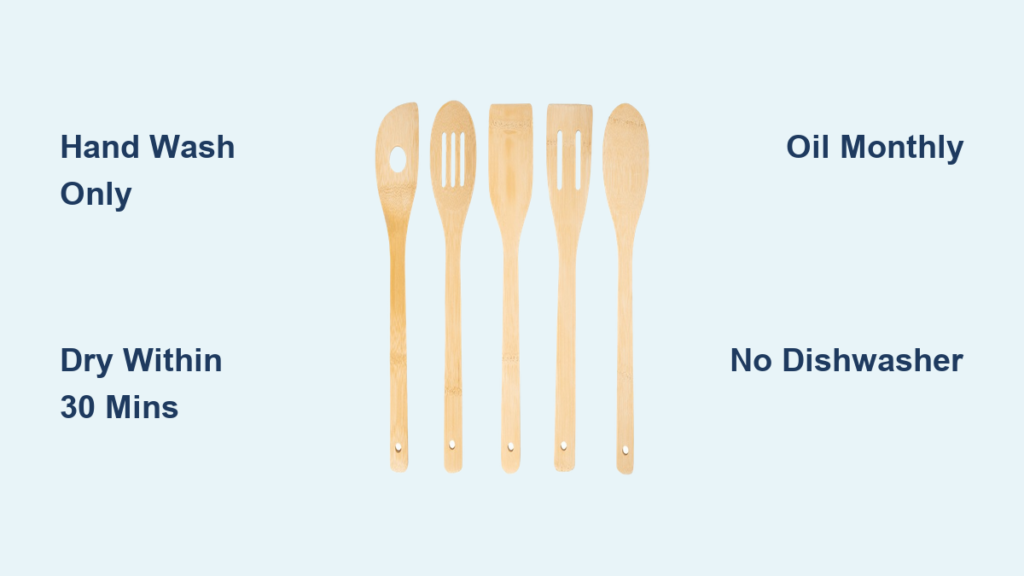
Bamboo kitchen utensils offer an eco-friendly alternative to plastic and metal tools, but their unique material requires specific cleaning methods to prevent damage. Improper cleaning causes bamboo utensils to warp, crack, and develop bacteria-harboring splinters within weeks of use. Many home cooks unknowingly shorten their bamboo utensils’ lifespan by using dishwasher cycles, harsh soaps, or improper drying techniques that compromise the material’s integrity. Understanding how to clean bamboo kitchen utensils properly ensures these sustainable tools remain functional, hygienic, and beautiful for years rather than months.
Your bamboo spatulas, spoons, and tongs deserve special attention because bamboo’s natural porosity absorbs moisture and odors more readily than synthetic materials. When water penetrates bamboo fibers and doesn’t fully evaporate, it creates the perfect environment for mold growth and structural weakening. This guide reveals the exact cleaning techniques that preserve your bamboo utensils’ strength and appearance while keeping them food-safe. You’ll learn daily cleaning routines, deep cleaning methods for stubborn stains, proper drying techniques, and conditioning practices that extend utensil life significantly.
Immediate Post-Use Cleaning for Bamboo Utensils
Cleaning bamboo utensils immediately after cooking prevents food residue from hardening and becoming difficult to remove later. Unlike stainless steel tools that can wait until after dinner, bamboo requires prompt attention to avoid permanent staining and bacterial growth in its porous surface. The moment you finish using a bamboo spoon or spatula, give it a quick rinse under warm running water to remove loose food particles before they dry and bond to the surface.
Use a soft sponge with mild dish soap and warm water to gently clean all surfaces, working along the grain direction rather than against it. Bamboo’s fibrous structure means scrubbing perpendicular to the grain raises microscopic fibers that create rough patches over time. Pay special attention to the junction where the handle meets the functional end—this area traps food particles that can decompose and cause odors if left uncleaned. For stubborn residue like dried sauces or batters, let the utensil sit in warm soapy water for no more than two minutes before gently scrubbing.
Proper Hand-Washing Technique
Effective hand-washing preserves bamboo’s natural beauty while ensuring thorough sanitation. Fill your sink with warm (not hot) water and add a small amount of gentle dish soap—avoid harsh detergents that strip bamboo’s natural oils. Submerge the utensil briefly and use a non-abrasive sponge to clean all surfaces, applying light pressure to avoid creating micro-scratches. For utensils with textured surfaces or decorative elements, use a soft-bristled brush to reach into crevices without damaging the bamboo.
After washing, rinse each utensil thoroughly under running water to eliminate all soap residue. Leftover soap dries as a hazy film that attracts more dirt and makes future cleaning more difficult. Inspect the utensil carefully, especially along the grain lines and at stress points, to confirm no food particles remain trapped. Never stack cleaned bamboo utensils while still wet, as this creates moisture-trapping contact points that accelerate warping and mold growth.
Critical Drying Process Within 30 Minutes
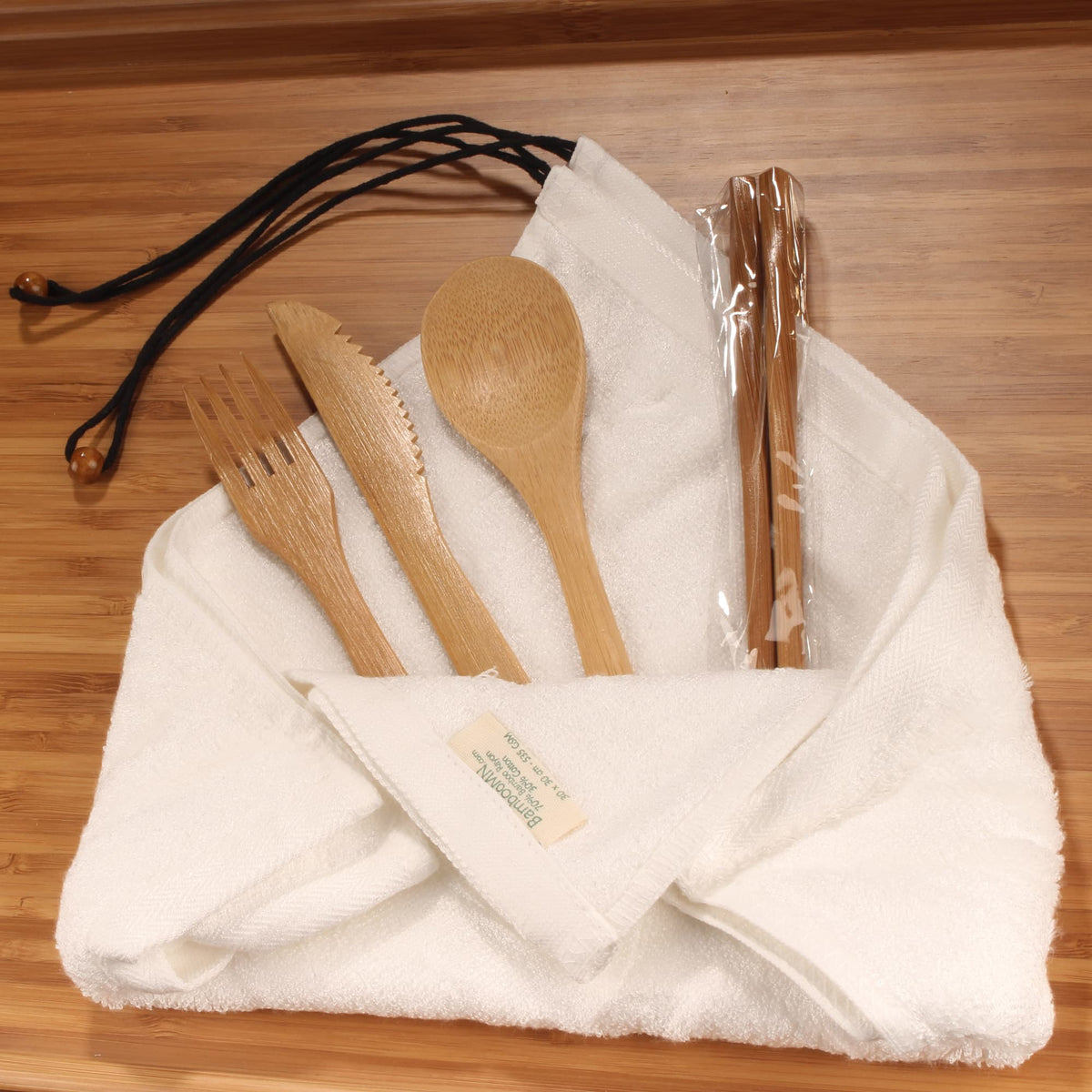
Drying bamboo utensils properly matters more than the washing itself—improper drying causes 90% of bamboo utensil failures. Water left on bamboo surfaces penetrates the porous material within minutes, causing fibers to swell and eventually crack as they dry unevenly. Within thirty minutes of washing, your bamboo utensils must be completely dry to prevent irreversible damage.
Use a clean, lint-free microfiber towel to wipe each utensil thoroughly, following the grain direction to achieve a smooth finish. Pay particular attention to handle ends and any curved areas where water pools. After towel-drying, stand utensils upright in a well-ventilated drying rack away from direct sunlight or heat sources. Never dry bamboo utensils near stovetops, ovens, or dishwashers—these heat sources cause uneven drying that leads to warping. Complete air drying typically takes 1-2 hours depending on humidity levels.
Deep Cleaning Bamboo Utensils for Stains and Odors
Monthly deep cleaning removes accumulated stains, odors, and residue that regular washing can’t address. Bamboo’s natural porosity means it gradually absorbs pigments from strongly colored foods like tomato sauce, turmeric, and beets, creating unsightly discoloration over time. Similarly, odors from garlic, onions, and fish penetrate the material and linger even after visual cleaning. Address these issues with natural deep cleaning methods that refresh your utensils without damaging the bamboo.
Create a gentle cleaning paste using three parts baking soda to one part water. Apply this paste generously to all utensil surfaces using a soft cloth, working in the direction of the grain. The mild abrasive action lifts stubborn residue without scratching, while baking soda’s natural deodorizing properties neutralize embedded odors. Allow the paste to sit for 5-10 minutes before gently scrubbing with a damp sponge, then rinse thoroughly under warm running water. This simple treatment restores bamboo’s natural color and eliminates most persistent odors.
Removing Tough Food Stains
For stubborn stains that resist baking soda treatment, try a hydrogen peroxide solution. Mix equal parts hydrogen peroxide (3%) and water in a spray bottle, then mist the solution onto stained areas. Let it sit for 2-3 minutes before wiping clean with a soft cloth—do not scrub vigorously. Hydrogen peroxide’s oxygenating action breaks down pigment molecules without bleaching or weakening the bamboo fibers. For particularly set-in stains, create a thicker paste with hydrogen peroxide and baking soda, applying it directly to affected areas for 5-10 minutes before rinsing.
White vinegar offers another effective stain remover for bamboo utensils. Dilute white vinegar with an equal amount of water and apply to stained areas with a soft cloth. After 2-3 minutes, rinse thoroughly and dry immediately. Vinegar’s mild acidity dissolves mineral deposits and lifts stains while providing light sanitization. However, limit vinegar treatments to once monthly, as excessive acid exposure can degrade bamboo over time. Always follow vinegar cleaning with thorough drying and oil conditioning.
Eliminating Persistent Food Odors
Bamboo utensils that smell like garlic, fish, or onions even after washing need specialized odor treatment. Place affected utensils in an airtight container with activated charcoal overnight—the charcoal draws out odors from deep within the bamboo fibers without leaving chemical residues. Alternatively, expose utensils to direct sunlight for 2-3 hours; UV rays break down odor-causing compounds while providing natural sanitization. Avoid prolonged sun exposure as it can dry out bamboo excessively.
For immediate odor relief, prepare a lemon juice solution by mixing the juice of one lemon with two cups of warm water. Submerge odorous utensils for 15-30 minutes, then rinse thoroughly and dry completely. The natural acids in lemon break down odor molecules while leaving a fresh scent. For stubborn odors, add one tablespoon of salt to the lemon solution—the salt increases the solution’s effectiveness at drawing odors from porous bamboo surfaces.
Conditioning Bamboo Utensils to Prevent Cracking
Regular oil conditioning replaces moisture lost during cleaning and creates a protective barrier against water damage. Unlike plastic utensils that maintain their properties with simple cleaning, bamboo requires monthly oil treatments to stay supple and prevent cracking. Food-grade mineral oil works best—it’s odorless, tasteless, and won’t go rancid like vegetable oils. Avoid olive oil, coconut oil, or other cooking oils that eventually spoil and create unpleasant odors.
Apply a thin layer of mineral oil to clean, completely dry utensils using a soft cloth. Work the oil into all surfaces, paying special attention to ends and any areas showing signs of dryness. Allow the oil to penetrate for at least two hours (overnight is better), giving bamboo time to absorb the protective moisture. Wipe away any excess oil before storing or using the utensils—properly conditioned bamboo should feel smooth but not greasy to the touch.
Proper Oil Application Method
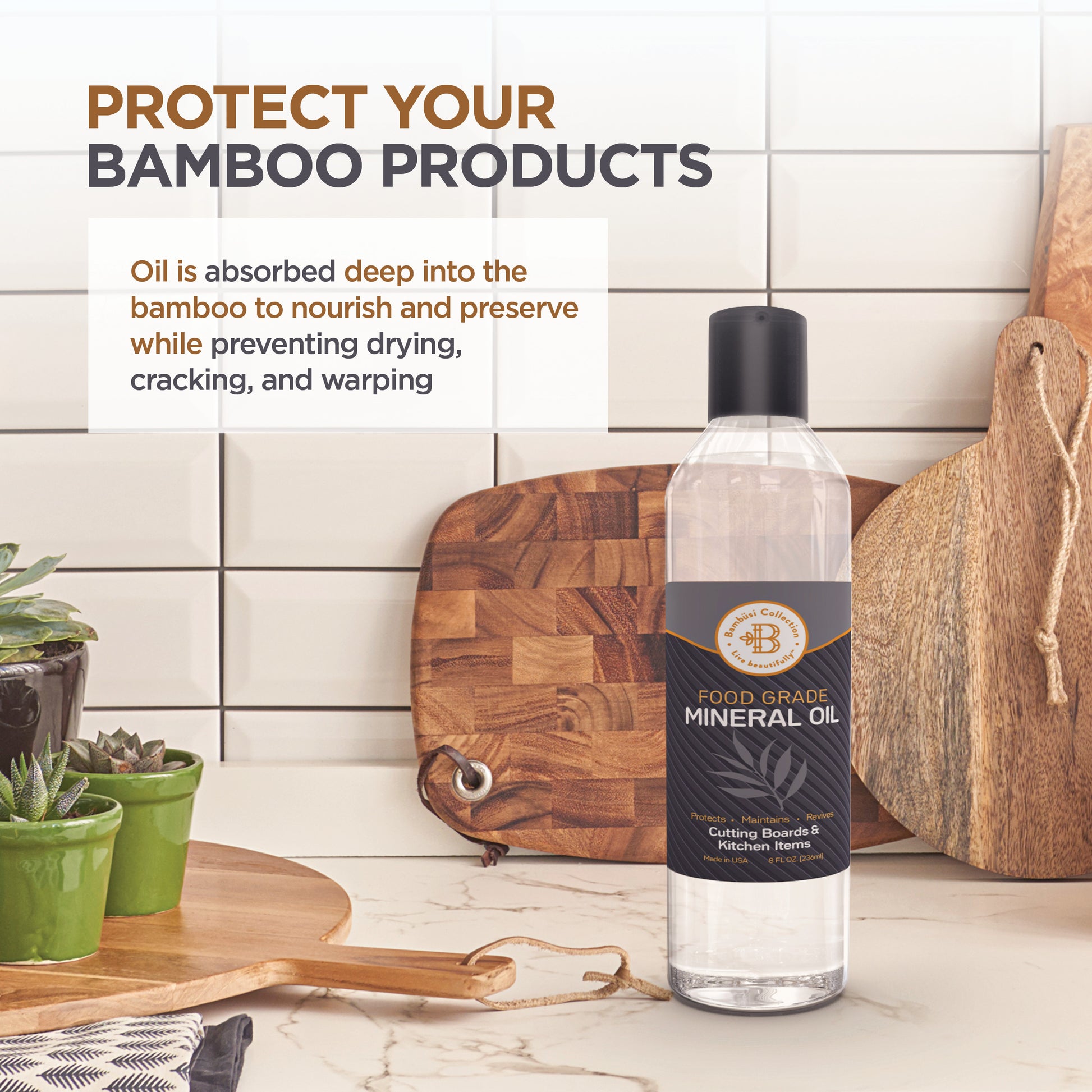
Effective oil conditioning requires proper technique to ensure even protection without creating sticky surfaces. Start with utensils that have been thoroughly cleaned and completely dried—any trapped moisture promotes mold growth under the oil layer. Apply mineral oil liberally but evenly, using a circular motion to cover all surfaces. Pay extra attention to handle ends and stress points where cracking typically begins.
Let the oil soak for the recommended time, typically 2-24 hours depending on how dry the bamboo appears. During this period, the oil penetrates deep into the bamboo fibers, replenishing lost moisture from within. If oil remains on the surface after several hours, wipe it away with a clean cloth to prevent attracting dust and food particles. Properly conditioned bamboo develops a rich, warm glow and smooth texture that makes it more pleasant to use.
What Absolutely Not to Do with Bamboo Utensils
Understanding critical mistakes to avoid protects your bamboo utensils from premature damage. Never put bamboo utensils in the dishwasher—the combination of prolonged hot water exposure, harsh detergents, and high heat causes irreversible warping and cracking within just a few cycles. Even “dishwasher safe” bamboo items degrade much faster with machine washing compared to proper hand care.
Avoid soaking bamboo utensils in water for any length of time. Even a brief 15-minute soak allows moisture to penetrate deep into the material, causing swelling that leads to cracking as the bamboo dries. Never use steel wool, abrasive scrubbers, or chlorine bleach on bamboo—they create microscopic scratches that harbor bacteria and weaken the material structure. Store bamboo utensils in well-ventilated areas away from direct heat sources, as enclosed, humid spaces promote mold growth that’s difficult to eliminate once established.
When cracks develop through the material, splintering occurs, or mold persists after cleaning, replace your bamboo utensils immediately. Continuing to use damaged utensils risks injury from breaking pieces and potential food contamination. With proper care following these cleaning methods, your bamboo kitchen tools will remain beautiful, hygienic, and functional for years of reliable service.