
Kitchen rugs battle constant foot traffic, daily spills, grease splatters, and food crumbs that other area rugs never face. Unlike living room carpets that enjoy gentle use, your kitchen rug endures the toughest cleaning challenges in your home. Learning how to clean a kitchen rug properly doesn’t just improve your kitchen’s appearance—it creates a healthier cooking environment by eliminating bacteria, mold, and stubborn stains that accumulate over time.
This comprehensive guide delivers practical solutions for every kitchen rug scenario, from quick daily maintenance to deep cleaning procedures that restore even the most neglected rugs. Whether your rug has a rubber backing, features delicate fibers, or has set-in stains from yesterday’s cooking mishap, you’ll find actionable techniques that work without damaging your floor covering.
Identify Your Kitchen Rug Type Before Cleaning

The first critical step in how to clean a kitchen rug properly is identifying its construction. Using the wrong method for your rug type causes irreversible damage that makes cleaning problems worse.
Rubber-Backed Rugs Need Special Handling
Rubber-backed kitchen rugs provide essential slip resistance on slick kitchen floors but require specific cleaning approaches. These rugs typically feature synthetic fibers like polypropylene or nylon that resist moisture and dry quickly. Never submerge rubber-backed rugs in water or machine wash them—this damages the adhesive bonding the backing to the rug, creating slipping hazards and trapping moisture that leads to mold growth underneath.
Cotton Kitchen Rugs Respond Well to Machine Washing
Cotton kitchen rugs offer superior softness and absorbency for catching spills before they reach your floor. These rugs generally tolerate machine washing well, though repeated washing may cause slight shrinkage. Natural fiber rugs like cotton breathe better than synthetics and resist odor retention, but they take significantly longer to dry completely—up to 48 hours depending on thickness and humidity.
How to Clean Woven and Rag Rugs Without Damage
Woven and rag rugs bring decorative appeal with textured surfaces and natural materials. These rugs often use cotton, jute, or recycled fabrics woven together, creating surfaces that trap debris in the weave. Hand washing or gentle machine cycles work best for these rugs, while aggressive scrubbing damages the delicate woven structure. Avoid soaking these rugs for extended periods as the fibers can weaken and unravel.
Essential Supplies for Effective Kitchen Rug Cleaning
Gathering the right cleaning supplies before starting makes the process faster, more effective, and prevents mid-cleaning interruptions that compromise results.
Must-Have Cleaning Products and Tools
Your kitchen rug cleaning kit should include a vacuum with attachments for both surfaces, a stiff brush for stain agitation, and mild detergent or specialized carpet cleaner. Keep white vinegar, baking soda, and hydrogen peroxide accessible for natural cleaning solutions and tough stain treatment. Microfiber cloths outperform paper towels for blotting because they don’t leave behind fibers or residue that attract more dirt.
Machine Washing Supplies Checklist
For machine-washable rugs, use gentle detergents without bleach or optical brighteners unless your rug’s care tag specifically recommends them. Fabric softener helps maintain softness but isn’t necessary for functionality. Always skip the washing machine entirely for rubber-backed rugs—alternative cleaning methods protect backing integrity and prevent dangerous slipping hazards.
Pre-Cleaning Preparation That Makes All the Difference
Proper preparation before cleaning your kitchen rug significantly improves results and prevents common mistakes that ruin rugs.
How to Move and Vacuum Your Kitchen Rug Safely
Begin by moving your rug to a well-ventilated area where cleaning won’t damage surrounding surfaces. Outdoor spaces like patios or driveways work best for shaking out debris and allowing proper drying. Vacuum both sides thoroughly before any wet cleaning—this removes loose dirt, crumbs, and debris that would become mud when wet. Use the vacuum’s crevice tool to reach edges and corners where particles accumulate most heavily.
Critical Care Tag Checks Before Cleaning
Check your rug’s care tag for specific manufacturer recommendations using standardized symbols. Tags marked “Dry Clean Only” or with specific professional cleaning symbols require special handling that home methods might damage. Test any cleaning solution on a hidden corner before applying broadly—mix a small amount and wait fifteen minutes to check for color bleeding, fiber damage, or backing deterioration. This simple step prevents disasters that ruin entire rugs.
Daily and Weekly Maintenance That Prevents Deep Cleaning
Consistent maintenance prevents the heavy soiling that makes deep cleaning necessary. A few minutes of daily attention keeps your kitchen rug looking fresh between thorough cleanings.
Daily Quick Care That Takes Less Than 5 Minutes
Make shaking your rug outdoors each morning part of your routine, or flip it to expose a different wear pattern. Wipe up spills immediately with a damp cloth rather than letting them dry into stains. Place absorbent mats in front of your sink and stove to catch the heaviest spills before they reach your decorative rug—this simple step reduces deep cleaning frequency by 60%.
Weekly Surface Cleaning That Prevents Buildup
Vacuum with attention to high-traffic zones where crumbs and dirt accumulate most heavily. Pay special attention to areas near food preparation zones and entrances where outdoor debris enters. If your rug is machine washable, toss it in on a gentle cycle weekly depending on traffic levels—this prevents grease and food particles from bonding permanently with fibers.
How to Remove Specific Kitchen Stains Effectively
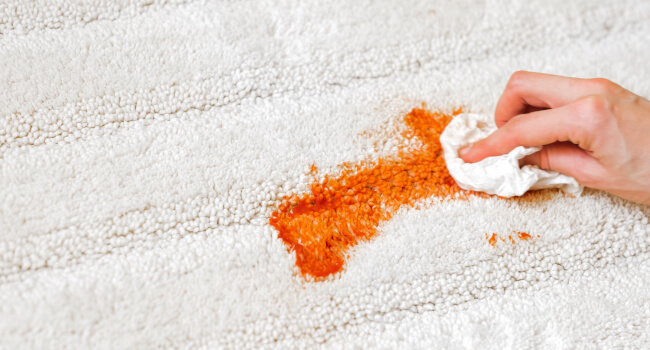
Kitchen spills create stains that become permanent if not treated promptly and correctly. Different stains require different approaches to prevent lasting damage.
Grease and Oil Stain Removal Protocol
Cover fresh grease spills immediately with cornstarch, talcum powder, or baking soda and let sit for fifteen minutes before vacuuming. For set-in grease, apply a small amount of dish soap directly to the stain, work it in with a soft brush, and blot with cool water repeatedly until the grease releases. Avoid hot water which sets grease stains permanently.
Food and Beverage Stain Treatment That Works
Blot spills immediately without rubbing, which spreads the stain deeper into fibers. Mix one tablespoon of dish soap with one tablespoon of white vinegar and two cups of warm water. Apply this solution to the stain, blot repeatedly with a clean cloth, and rinse with plain water. For red wine or tomato stains, add a teaspoon of hydrogen peroxide to the solution for better results.
Machine Washing Your Kitchen Rug Without Damage
Machine washing works well for rugs labeled as machine washable, but even these rugs require proper technique to prevent damage.
Proper Loading and Cycle Selection
Prepare your rug by checking all edges for loose threads and securing fringes by braiding them. Shake vigorously outdoors to remove loose debris before loading. Select cold or warm water on a gentle cycle—hot water shrinks natural fibers and damages rubber backings. Add a small amount of mild detergent, avoiding fabric softener which reduces absorbency.
Rinse Thoroughly to Prevent Resoiling
Rinse twice to ensure all detergent is removed. Residue left in fibers causes rapid resoiling and creates stiffness. After the wash cycle completes, remove the rug immediately to prevent mildew growth in the damp machine interior. Never overload the machine—balance the load by washing the rug alone or with similar-weight items.
Hand Washing Techniques for Delicate Kitchen Rugs
Hand washing provides the gentlest cleaning for delicate rugs, rubber-backed rugs, and items with special construction.
Proper Water Temperature and Detergent Mix
Fill a bathtub or large basin with cool to lukewarm water and add about one tablespoon of mild detergent per gallon of water. Avoid hot water which can shrink natural fibers and separate rubber backings. Swish gently to create suds without excessive bubbles that are difficult to rinse.
Effective Hand Washing Motion
Submerge the rug completely and gently squeeze water through the fibers rather than scrubbing aggressively. Work from the edges toward the center of stains, using a soft brush only on heavily soiled areas. Avoid twisting, wringing, or aggressive scrubbing which damages fibers and can tear the backing.
Drying Your Kitchen Rug Properly to Prevent Mold
Proper drying prevents mold, mildew, and odor development in your kitchen rug. Rugs retaining moisture create health hazards and deteriorate faster.
Ideal Drying Locations and Methods
Hang rugs over a clothesline or shower rod with both sides exposed to air, or lay them flat on a clean, elevated surface with fans circulating air. For rubber-backed rugs, dry with the rubber side up to prevent moisture trapping underneath. Expect drying to take twenty-four to forty-eight hours depending on humidity and air circulation.
Warning: Never Place Damp Rugs on Flooring
Never place a damp rug on a floor surface, even temporarily. The moisture can damage flooring materials and create slip hazards. If you must return the rug before completely dry, place it on a dry surface and increase room ventilation. Test dryness by pressing your hand firmly against the fibers—no moisture transfer means it’s ready.
When to Replace Your Kitchen Rug Instead of Cleaning
Even well-maintained kitchen rugs eventually reach a point where cleaning can no longer restore appearance or function.
Warning Signs Your Rug Needs Replacement
Visible wear including frayed edges, thinning areas, and bare spots indicate structural deterioration. These damaged areas trap more dirt and resist cleaning while creating trip hazards. Persistent odors that return quickly after cleaning suggest the backing has absorbed contaminants that cannot be removed. Allergies or respiratory symptoms that improve when the rug is removed indicate embedded allergens that cleaning cannot eliminate.
Regular cleaning transforms your kitchen rug from a dirt magnet into the attractive, functional floor covering it should be. By understanding your rug’s specific needs and implementing consistent maintenance routines, you keep your kitchen looking fresh while creating a healthier cooking environment. Start with daily habits that prevent buildup, address spills immediately, and schedule regular deep cleaning sessions that maintain your rug’s appearance year-round. Your kitchen—and your feet—will thank you for the investment in a clean, comfortable cooking space.