Every time you open a cabinet or drawer, you’re interacting with your kitchen hardware—the small but mighty elements that serve as both functional necessities and design accents. Choosing the right hardware transforms how your kitchen looks and feels, turning basic cabinetry into a cohesive, personalized space. The process of how to choose kitchen hardware properly ensures these everyday touchpoints enhance your kitchen’s aesthetics while supporting your daily routines. With so many options available, this guide cuts through the confusion to help you select pieces that balance form, function, and longevity for a kitchen that works beautifully for years to come.
Knobs vs. Pulls: Which Hardware Type Suits Your Kitchen Workflow?

Selecting between knobs and pulls represents your first critical decision when learning how to choose kitchen hardware. Each option offers distinct advantages depending on cabinet location, usage frequency, and your physical needs.
Why Knobs Work Best for Upper Cabinets and Smaller Drawers
Knobs shine on upper cabinets where their compact size prevents awkward finger positioning when reaching overhead. Their single-point attachment makes them ideal for smaller drawers under 12 inches wide—think spice racks or narrow cutlery drawers—where larger pulls would overwhelm the space. For painted cabinets, consider matching wooden knobs to your cabinet color for a seamless, integrated look that feels intentional rather than decorative.
Pro Tip: Install two knobs on drawers wider than 30 inches to prevent sagging and create visual balance. This simple adjustment makes oversized drawers easier to open while maintaining proportional aesthetics.
When to Choose Pulls for Heavy-Use Drawers and Cabinet Doors
Pulls deliver superior functionality for base cabinets and large drawers that store heavy items like pots, pans, or appliances. Their dual mounting points provide better leverage and grip, reducing strain for anyone with arthritis or limited hand mobility. For refrigerator drawers, pantry cabinets, or other high-traffic storage areas, choose pulls measuring one-third the width of the drawer—typically 5-7 inches for standard 18-inch drawers.
Warning: Avoid installing pulls vertically on drawers—this orientation creates an unnatural pulling motion that strains your wrist over time. Pulls should always run horizontally on drawers and vertically on cabinet doors for optimal ergonomics.
Perfect Proportions: Sizing Kitchen Hardware for Visual Harmony

Hardware that’s too small looks lost on cabinetry, while oversized pieces overwhelm the space. Getting proportions right transforms how your kitchen feels at first glance.
The One-Third Rule for Pull Length Based on Drawer Width
Measure your drawer width before selecting pulls—your hardware should equal approximately one-third of the drawer’s total width. An 18-inch drawer needs a 6-inch pull, while a 24-inch pantry drawer benefits from two 8-inch pulls placed in the outer thirds. For specialty applications like built-in refrigerators, opt for appliance-specific pulls ranging from 12-15 inches to match the substantial scale of integrated appliances.
Common Mistake: Using the same pull size on all cabinets creates visual monotony. Vary pull lengths based on cabinet dimensions—shorter pulls on small drawers, longer pulls on large cabinets—to create subtle rhythm without chaos.
How to Position Hardware for Comfort and Balance
Test placement before drilling by using painter’s tape to position hardware in your proposed locations. For cabinet doors, position knobs 2.5-3 inches from the top corner for comfortable reach. On drawers, center knobs vertically but consider placing pulls slightly higher (about one-third down from the top) for easier access to frequently used items.
Time-Saving Shortcut: Print full-size templates of your hardware from manufacturer websites and tape them to cabinets. This eliminates guesswork and ensures consistent placement across all cabinetry.
Material Matters: Selecting Durable Kitchen Hardware That Lasts
Your hardware material affects both longevity and maintenance—critical considerations for high-use kitchen spaces.
Why Solid Brass Outperforms Hollow Metal Construction
Solid brass hardware withstands daily use better than hollow alternatives that dent or bend over time. Choose unlacquered brass if you appreciate living finishes that develop character through patina, or opt for lacquered brass if you prefer consistent appearance. The natural antimicrobial properties of brass make it particularly suitable for high-traffic kitchens where hygiene matters.
Warning: Avoid cheap plated finishes that wear thin at stress points. Run your finger along edges—if you feel texture changes, the plating is too thin and will show wear quickly.
Finish Considerations for High-Traffic Kitchens
Brushed nickel hides fingerprints better than polished chrome, making it practical for busy households. Matte black creates striking contrast on light cabinets but can feel harsh if used throughout—reserve it for lower cabinets and mix with warmer metals above. Always evaluate finishes in your actual kitchen lighting before committing, as online images rarely match real-world appearance.
Pro Tip: Test finishes by rubbing them with a damp cloth—this reveals how easily water spots show and how much maintenance the finish will require in a steamy kitchen environment.
Match Hardware to Your Specific Kitchen Style (Not Trends)
Generic hardware selections undermine your kitchen’s design narrative. Tailor choices to your specific aesthetic for cohesive results.
Traditional Kitchens: Timeless Hardware Choices That Never Date
Stick with classic placement rules—knobs on doors, pulls on drawers—to reinforce traditional kitchen aesthetics. Choose oil-rubbed bronze or unlacquered brass finishes that complement warm wood tones, and opt for bun-shaped knobs or cup pulls that echo historical design elements. For shaker cabinets, select rounded hardware that complements the simple lines without competing for attention.
Expert Note: Cabinet latches add authentic character to pantry doors in traditional kitchens while providing practical child-proofing for under-sink storage.
Modern Kitchens: Minimalist Hardware Options That Enhance Clean Lines
Embrace consistent hardware throughout modern kitchens—either all knobs or all pulls—for a unified appearance. Edge pulls create seamless integration with flat-panel cabinetry, while long linear pulls (9+ inches) establish intentional sightlines that define contemporary spaces. Avoid decorative details; simple geometric shapes in matte black or brushed nickel maintain the clean aesthetic modern design requires.
Time-Saving Shortcut: Select hardware from the same collection for cabinets, drawers, and appliances to ensure visual harmony without mismatched proportions.
Mixing Metals Without Creating Chaos in Your Kitchen
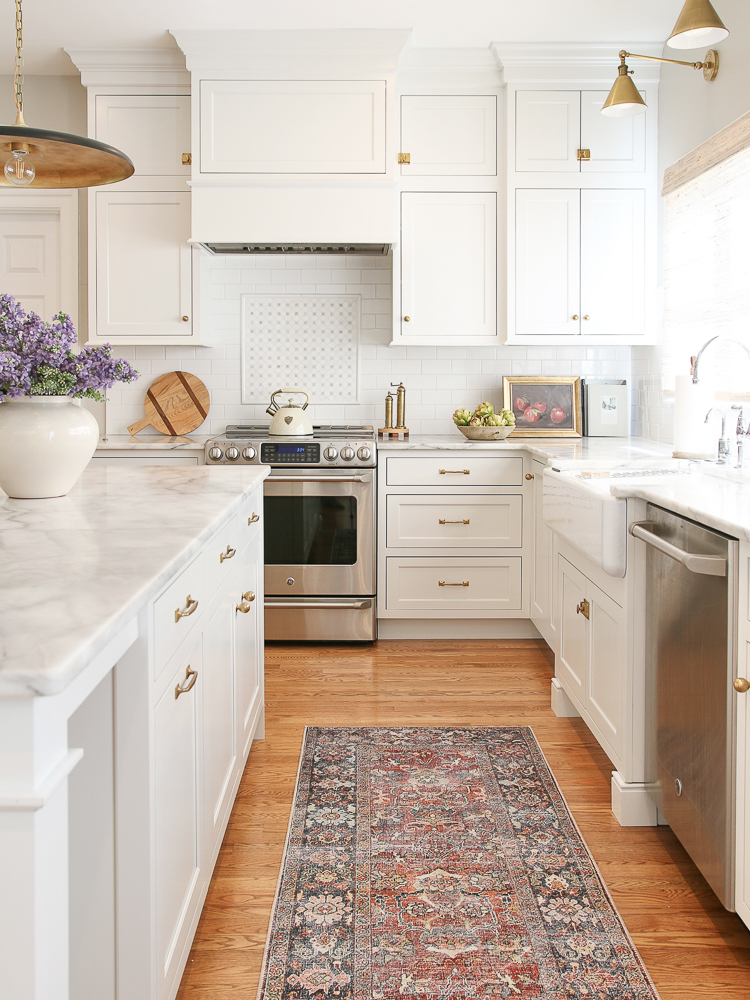
Strategic metal mixing adds depth and personality when executed with intention.
The Two-Metal Rule for Cohesive Hardware Design
Limit yourself to one warm metal (brass, bronze) and one cool metal (nickel, chrome), repeating each finish at least twice in the space. Keep faucet and sink hardware in your primary cool finish, then introduce the warm metal on cabinet hardware. Never mix metals on adjacent cabinets—maintain consistency within zones while varying finishes between upper and lower cabinets.
Warning: Avoid mixing finishes on the same cabinet type. Using brass and nickel pulls on identical drawers creates visual confusion rather than intentional design.
Budget Smart: Where to Splurge and Save on Kitchen Hardware
Smart budget allocation ensures quality where it matters most without overspending.
How to Identify Quality Hardware Worth the Investment
Test hardware in-store by feeling the weight—substantial pieces indicate solid construction versus hollow imitations. Check screw holes for reinforced threading that prevents stripping over time. Invest in pulls for heavy-use drawers where durability matters most, but consider budget knobs for upper cabinets accessed less frequently.
Pro Tip: Count all required pieces before shopping—hardware costs add up quickly. For a typical kitchen, budget $3-5 per knob and $8-15 per pull for quality mid-range options that balance cost and longevity.
Installation Mistakes That Ruin Perfectly Good Kitchen Hardware
Even beautiful hardware fails when installed incorrectly. Avoid these common pitfalls.
The Tape Test: Avoiding Awkward Hardware Placement Forever
Before drilling, use removable tape to position hardware in multiple configurations. Open and close cabinets repeatedly with each placement to assess comfort. Pay special attention to corner cabinets where standard placement may interfere with adjacent walls or appliances. Photograph your preferred arrangement to maintain consistency across all cabinetry.
Warning: Never install hardware based solely on pre-drilled holes from previous hardware—repositioning creates a more cohesive look than accommodating outdated placements.
Selecting kitchen hardware requires balancing aesthetics with practicality in ways that directly impact your daily kitchen experience. Start by evaluating your cabinet dimensions and usage patterns before considering style. Prioritize comfort for high-traffic storage areas while allowing decorative elements to enhance less-frequently-used spaces. Remember that hardware serves as the jewelry of your kitchen—thoughtful selections elevate the entire design while supporting your workflow. By following these guidelines for how to choose kitchen hardware, you’ll create a space that feels both beautiful and intuitively functional every time you reach for a cabinet or drawer.