Choosing the right kitchen chimney directly impacts your cooking experience, air quality, and even your kitchen’s aesthetics. Many homeowners make the mistake of selecting a chimney based solely on price or appearance, only to discover later it doesn’t effectively remove smoke and odors from their specific cooking style. With Indian cooking generating more smoke and grease than Western methods, having proper ventilation isn’t just a luxury—it’s essential for maintaining a clean, healthy kitchen environment. This guide cuts through the marketing hype to show you exactly what to consider when selecting a kitchen chimney that perfectly matches your cooking habits, kitchen layout, and budget.
Determine Your Kitchen’s Ventilation Requirements
Your cooking style and kitchen dimensions should dictate your chimney choice, not the other way around. Selecting a chimney without considering these factors leads to poor performance and unnecessary frustration.
Analyze Your Cooking Patterns and Frequency
If you regularly prepare Indian dishes involving deep-frying, tempering, or cooking with multiple spices, you need a chimney with stronger suction power and superior grease filtration. Daily cooks who frequently use gas stoves should prioritize chimneys with at least 1000 m³/hr suction capacity. Occasional cooks or those who primarily use induction cooktops can opt for models with moderate suction (around 800 m³/hr) since they generate less smoke and heat.
Pro Tip: Keep a cooking journal for one week noting how often you cook, what types of dishes you prepare, and whether you notice smoke buildup. This real-world data helps you select appropriate chimney specifications.
Calculate Your Kitchen Dimensions and Layout
Measure your kitchen’s square footage and note your cooktop placement. Small kitchens under 100 square feet need less powerful chimneys than open-plan spaces over 200 square feet. The distance between your cooktop and chimney matters—maintain 60-75 cm clearance for gas stoves to ensure optimal smoke capture. Kitchens with islands require specialized island chimneys rather than standard wall-mounted models.
Warning: Choosing a chimney based solely on aesthetics without considering your kitchen size leads to ineffective ventilation and persistent grease buildup on walls and cabinets.
Select the Appropriate Chimney Design for Your Kitchen Layout
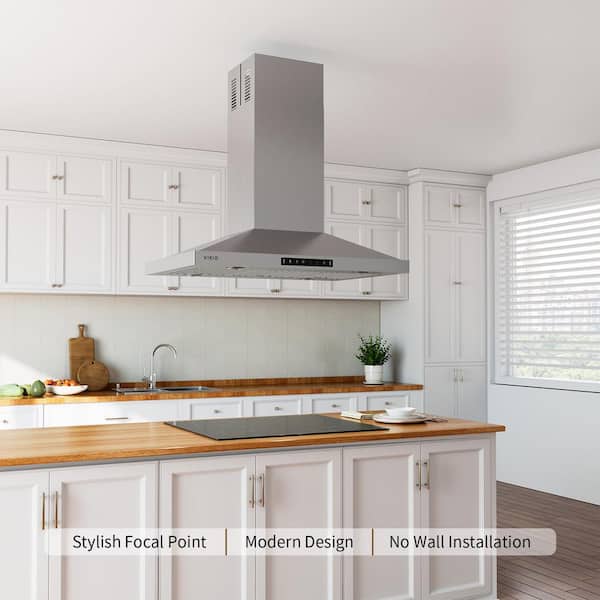
Different kitchen configurations demand specific chimney types. Installing the wrong design compromises both functionality and visual appeal.
Wall-Mounted Chimneys for Standard Kitchens
Wall-mounted chimneys work best for traditional kitchens where the cooktop sits against a wall. These models range from basic manual operation to advanced auto-clean versions with digital controls. They provide excellent smoke capture when properly sized and installed at the correct height above your cooktop. Most Indian households find wall-mounted chimneys the most practical option for standard kitchen layouts.
Installation Tip: Ensure the chimney extends 5-10 cm beyond each side of your cooktop for complete smoke coverage—this prevents “dead zones” where smoke escapes capture.
Island Chimneys for Open Kitchen Concepts
If your cooktop sits on a kitchen island or peninsula, you need an island chimney suspended from the ceiling. These models require professional installation with proper ceiling reinforcement and vertical ducting. While more expensive, island chimneys create a dramatic focal point in modern, open-plan kitchens. They typically offer powerful suction (1200+ m³/hr) to compensate for the greater distance between cooktop and chimney.
Cost Consideration: Budget an additional 20-30% for island chimney installation due to complex ducting requirements and potential ceiling modifications.
Match Chimney Size to Your Cooking Space

The right-sized chimney effectively captures smoke without wasting energy or creating excessive noise.
Width Compatibility with Your Cooktop
Your chimney should be equal to or slightly wider than your cooktop. For standard four-burner stoves (60 cm wide), choose a 60 cm chimney. Larger cooktops with five or six burners (75-90 cm wide) require correspondingly wider chimneys. An undersized chimney leaves portions of your cooktop uncovered, allowing smoke to escape into your kitchen.
Common Mistake: Many homeowners select narrower chimneys to save money, not realizing this significantly reduces effectiveness—always match or exceed your cooktop width.
Suction Power Based on Kitchen Size
Small kitchens (up to 100 sq. ft.) require 500-800 m³/hr suction capacity. Medium kitchens (100-200 sq. ft.) need 800-1200 m³/hr, while large or open-plan kitchens demand 1200-1500 m³/hr or more. Gas cooktops generally require 20% more suction power than induction due to higher heat output and open flames.
Pro Tip: If you have high ceilings (over 9 feet), increase your suction capacity by 15-20% to compensate for the greater volume of air that needs processing.
Choose the Right Filter System for Your Cooking Style

Filters determine how effectively your chimney captures grease and odors—selecting the wrong type leads to frequent cleaning or poor performance.
Baffle Filters for Heavy Indian Cooking
Baffle filters use curved metal strips to create cyclonic separation that traps grease effectively. They’re dishwasher-safe, durable, and ideal for Indian cooking with its heavy oil usage. Most high-quality chimneys feature aluminum or stainless steel baffle filters that last for years with proper maintenance.
Maintenance Schedule: Clean baffle filters monthly in hot, soapy water or the dishwasher for optimal performance—neglecting this causes reduced suction and potential fire hazards.
Mesh Filters for Light Cooking Needs
Mesh filters consist of layered aluminum screens that trap grease particles. While economical, they clog quickly with heavy Indian cooking and require replacement every 1-2 years. Mesh filters work best for occasional cooks or those using induction cooktops with minimal oil.
Warning: Never use steel wool on mesh filters—it damages the delicate surface and reduces effectiveness.
Carbon Filters for Odor Control
Carbon filters absorb cooking odors rather than trapping grease, making them essential for ductless chimneys that recirculate air. They require replacement every 3-6 months depending on cooking frequency. Most modern chimneys use combination systems with both grease and carbon filters for comprehensive air cleaning.
Cost Factor: Budget ₹500-1,500 annually for carbon filter replacements when calculating your chimney’s true ownership cost.
Evaluate Noise Levels and Motor Performance
A noisy chimney disrupts kitchen conversations and makes your cooking space unpleasant.
Decibel Ratings for Comfortable Operation
Look for chimneys rated below 55 dB for quiet operation where normal conversation remains easy. Models between 55-65 dB are tolerable but noticeable, while anything above 65 dB becomes disruptive, especially in open-plan kitchens. Premium models often feature noise-reduction technology like insulated motor housings.
Test Before Buying: If possible, visit a showroom to hear the chimney operating at different speeds—specifications don’t always reflect real-world noise levels.
Motor Quality for Long-Term Reliability
Copper-wound motors outperform aluminum alternatives in durability and heat resistance. Brushless motors in premium models run quieter and last longer. Check motor warranty terms—five years or more indicates manufacturer confidence in quality. Quality motors maintain consistent suction over years of use, while cheaper alternatives lose effectiveness as they age.
Red Flag: Avoid chimneys with motors under one-year warranty—this suggests the manufacturer expects early failure.
Consider Practical Features Within Your Budget
Smart feature selection ensures you get the best value without overspending on unnecessary extras.
Control Types for Your Lifestyle
Manual knob controls offer reliability and ease of use for basic models. Touch controls provide sleek aesthetics and easier cleaning. Remote controls let you adjust settings without leaving your cooking position. Smart models with app connectivity offer convenience but typically cost 25-40% more than comparable non-smart versions.
Practical Choice: For most Indian households, touch controls strike the best balance between ease of use, maintenance, and cost.
Lighting and Additional Functions
Integrated LED lighting illuminates your cooktop without significant energy consumption. Some models offer adjustable color temperatures to match your kitchen ambiance. Filter change indicators and auto-shutoff timers provide useful reminders but aren’t essential features—prioritize core ventilation performance first.
Budget Tip: Skip premium lighting features if they significantly increase cost—standard LED illumination serves most cooking needs adequately.
Plan for Installation and Ongoing Maintenance
Proper installation and regular maintenance ensure your chimney performs optimally for years.
Professional Installation Requirements
Wall-mounted chimneys need secure mounting to wall studs with proper ducting to the exterior. Island chimneys require reinforced ceiling support and vertical ducting. Ensure your installer uses rigid aluminum ducting rather than flexible options that restrict airflow. Poor installation voids warranties and creates fire hazards.
Cost Expectation: Budget ₹2,000-10,000 extra for professional installation depending on chimney type and ducting complexity.
Maintenance Schedule for Longevity
Clean filters monthly for non-auto-clean models or weekly for auto-clean versions. Wipe exterior surfaces regularly to prevent grease buildup. Schedule professional servicing annually to clean internal components and check motor performance. Keep service records for warranty claims and potential resale value.
Warning Sign: Reduced suction, unusual noises, or visible grease leakage indicate immediate maintenance needs—address these promptly to prevent costly repairs.
Choosing the right kitchen chimney requires matching technical specifications to your specific cooking habits and kitchen layout. Prioritize suction power that aligns with your kitchen size, select filter types suited to your cooking style, and ensure proper installation for optimal performance. Don’t be swayed by flashy features at the expense of core functionality—focus on a chimney that effectively removes smoke and grease while fitting comfortably within your budget. By following these guidelines, you’ll enjoy a cleaner, more pleasant cooking environment for years to come.