Your kitchen appliances should make cooking effortless, not frustrating. Yet too many homeowners waste thousands on equipment that doesn’t match their cooking habits, space constraints, or budget. The right how to choose kitchen appliances strategy transforms your kitchen from a source of daily stress into your home’s most functional and enjoyable space. With appliances representing one of the largest investments in any kitchen remodel, understanding how to select models that align with your specific needs prevents costly mistakes and ensures years of reliable service.
Before stepping foot in a showroom or clicking “add to cart” online, pause to consider what you truly need. The most expensive appliance isn’t necessarily the best choice if it overwhelms your space or sits unused because it doesn’t match how you actually cook. This guide cuts through the marketing hype to give you a practical, step-by-step approach to selecting appliances that work with your lifestyle—not against it. You’ll learn exactly what to measure, which features matter most for your cooking style, and how to maximize value without sacrificing quality.
Match Appliances to Your Actual Cooking Habits
Your cooking frequency and style should drive every appliance decision you make. Someone who bakes sourdough weekly needs completely different oven capabilities than someone whose kitchen primarily reheats leftovers. Take an honest inventory of your cooking patterns before shopping—this prevents overspending on features you’ll never use while ensuring you invest in capabilities that enhance your daily routine.
Identify Your Kitchen Pain Points
Grab a notepad and document every frustration with your current setup. Do you constantly run out of refrigerator space when meal prepping? Does your dishwasher leave residue on glasses? Is cooking a three-ring circus because your layout forces excessive walking between stations? These specific pain points become your shopping checklist, ensuring new appliances solve real problems rather than chasing shiny features.
Pay special attention to recurring issues like inconsistent oven temperatures, noisy dishwashers disrupting family time, or difficult-to-clean surfaces. Appliances with targeted solutions—like convection ovens for even baking or quiet dishwashers with soil sensors—deliver immediate quality-of-life improvements. Don’t settle for “good enough” when your daily cooking experience depends on these investments.
Measure Twice, Buy Once: Kitchen Space Planning

Even the most advanced appliance fails if it doesn’t fit properly. Precise measurements prevent costly delivery disasters and ensure seamless integration into your workflow. Standard appliance dimensions vary significantly between brands and models—what fits in one kitchen might block a doorway in another.
Capture Critical Dimensions Before Shopping
Measure every dimension where appliances will live, including width, height, depth, and clearance requirements. A refrigerator needs space for doors to swing open fully without hitting walls. Dishwashers require proper water hookup access and door clearance. Ovens need overhead ventilation space. Don’t forget delivery paths—measure doorways, hallways, and staircases the appliance must navigate during installation.
For built-in appliances, verify cutout dimensions against manufacturer specifications. Counter-depth refrigerators create a streamlined look but sacrifice storage capacity. Range hoods must adequately cover your cooktop width to capture rising fumes. Measure multiple times and document everything before committing to a purchase—this simple step prevents 90% of installation headaches.
Budget Smartly for Maximum Value
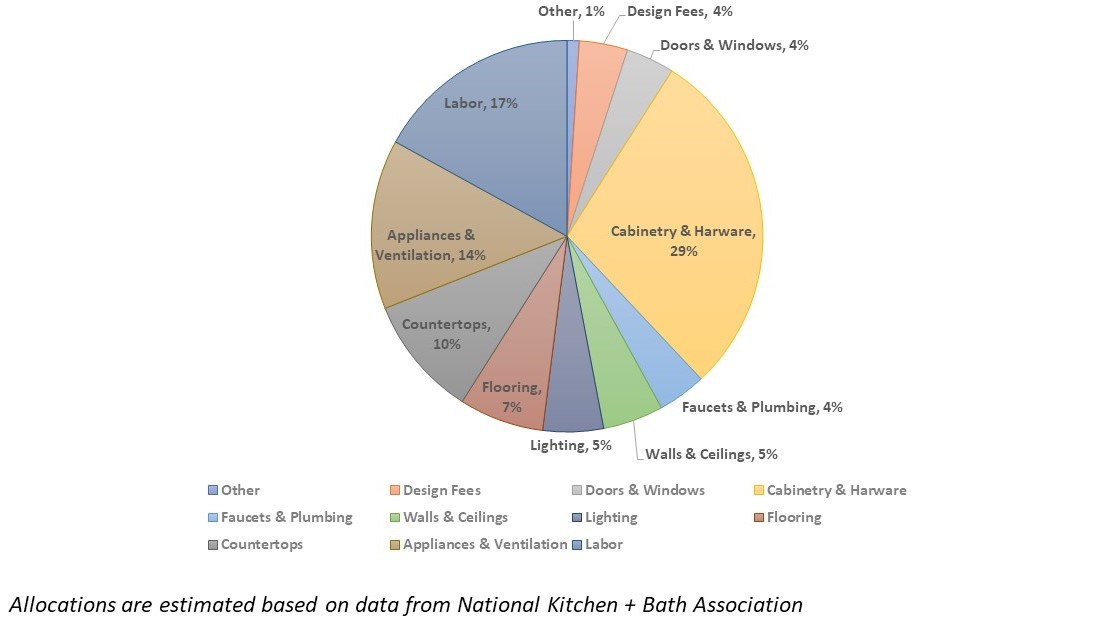
Kitchen appliances represent significant investments, often totaling thousands of dollars. Establishing realistic budget parameters prevents overspending while ensuring you allocate funds where they deliver the most daily value. The cheapest option rarely provides the best long-term value, but premium features you won’t use waste money better spent elsewhere.
Prioritize Your Spending Based on Usage
Focus your budget on appliances you use daily—refrigerator, cooktop, and dishwasher—rather than splurging on specialty items used occasionally. A quality refrigerator typically costs $1,500-$2,500, while reliable dishwashers range from $600-$1,200. Gas ranges generally run $1,000-$2,500, with electric ovens costing $1,000-$2,000.
Calculate total cost of ownership rather than just purchase price. Energy-efficient models cost more upfront but save money monthly on utility bills. Quality appliances from reputable brands often outlast budget alternatives, providing better value over time. Consider purchasing last year’s models or floor samples for significant savings with minimal performance differences—many retailers offer 20-30% discounts on previous-year inventory.
Select Energy-Efficient Models That Save Money
Energy-efficient appliances benefit both your wallet and the environment. Understanding efficiency ratings helps you make responsible choices without sacrificing performance. The ENERGY STAR label identifies appliances meeting strict efficiency criteria—these products use 10-15% less energy while performing as well as or better than standard models.
Maximize Efficiency by Appliance Type
Refrigerator efficiency varies significantly by configuration. Top-freezer models use less energy than side-by-side designs due to natural cold air flow. French-door refrigerators offer convenience but consume more energy—look for models with inverter compressors that adjust power based on actual needs rather than cycling fully on and off.
For dishwashers, soil sensors automatically adjust cycle length based on load dirtiness, saving water and energy. Run only fully-loaded machines—a single ENERGY STAR dishwasher uses less water than hand-washing the same dishes. Convection ovens reduce cooking temperatures by 25°F and cut cooking times by 20% through continuous hot air circulation.
Induction cooktops provide the most efficient cooking method, transferring 85-90% of energy directly to cookware compared to 40-55% for gas or electric. While requiring magnetic cookware, induction delivers precise temperature control and cooler kitchen temperatures—ideal for warm climates or frequent cooking.
Choose the Perfect Refrigerator Configuration
Your refrigerator serves as the kitchen’s central hub, impacting meal planning, grocery frequency, and food waste. Selecting the right configuration ensures this most-used appliance meets your household’s storage patterns and access needs.
Match Capacity to Household Size and Habits
Measure your available space and consider actual usage before determining capacity. A household of two typically needs 18-22 cubic feet, while families of four or more often require 25+ cubic feet. However, usable capacity varies significantly by interior design—some models with high cubic footage waste space through inefficient shelf layouts.
Top-freezer models offer the best energy efficiency and lowest price point but require more bending. Bottom-freezer configurations place fresh food at eye level for convenient access. Side-by-side designs fit narrow kitchens but limit storage for large items. French-door models provide wide refrigerator access with pull-out freezer drawers—ideal for frequent entertainers needing quick beverage access.
Prioritize organization features matching your shopping habits. Adjustable shelves accommodate tall items. Humidity-controlled crispers extend produce freshness. Door-in-door compartments reduce cold air loss during frequent beverage access. Water and ice dispensers require plumbing but add convenience—only choose if you’ll actually use them regularly.
Select the Right Cooktop and Range for Your Cooking Style
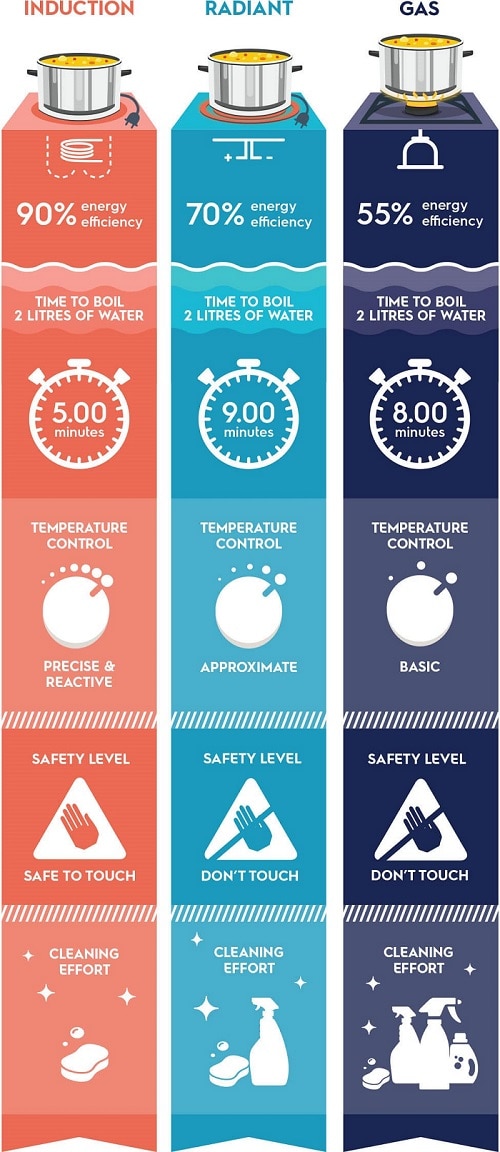
Your cooking surface directly impacts meal preparation efficiency. Fuel type, burner configuration, and control precision vary significantly across options, each offering distinct advantages based on your culinary preferences.
Match Fuel Type to Your Cooking Needs
Gas cooktops provide immediate heat response and visual flame feedback—ideal for serious cooks who value precise temperature control. Induction offers superior energy efficiency (up to 10% better than gas) by heating cookware directly through electromagnetic energy transfer. The glass surface stays cooler during cooking, reducing burns and simplifying cleanup, but requires magnetic cookware.
Electric smooth-top cooktops wipe clean easily but show fingerprints and can scratch. Coil elements work with any cookware but feel outdated in modern kitchens. Dual-fuel ranges combine gas cooktops with electric ovens—perfect for enthusiasts who want responsive stovetops and precise baking ovens.
Consider your burner configuration based on typical cooking patterns. Four-burner setups suffice for simple cooking, while six-burner models benefit complex meal preparation. Look for burners with wide BTU ranges (500-18,000 BTUs) to handle everything from delicate sauces to intense stir-frying. Continuous grates enable sliding heavy cookware across the surface without lifting—particularly valuable for wok cooking.
Make Your Final Appliance Selection Confidently
Choosing kitchen appliances requires balancing multiple considerations: cooking habits, space constraints, budget limitations, and aesthetic preferences. The most important appliances—refrigerator, range, and dishwasher—deserve larger budget allocations since they impact daily life most significantly.
Research brands thoroughly before purchasing. Look for patterns in reliability reports rather than isolated complaints. Brands with established service networks respond faster to repair needs and maintain better parts availability. Understand warranty details—some cover only specific components while others provide comprehensive protection.
Shop strategically during major sales events like Labor Day, Memorial Day, or Black Friday. Bundle multiple appliance purchases for package discounts. Inquire about floor models or discontinued items for substantial savings with minimal functional differences. Always verify return policies and installation requirements before finalizing your purchase.
The right how to choose kitchen appliances approach transforms your kitchen into a functional, efficient space that enhances daily life. Take your time, measure carefully, and prioritize features matching your actual cooking habits—you’ll enjoy the results for years to come. Your future self will thank you for investing in appliances that serve your specific needs rather than chasing trends or overspending on unused capabilities.