Your kitchen faucet gets used approximately 70 times daily—more than any other fixture in your home—yet most homeowners choose one based solely on appearance. With thousands of options ranging from $50 budget models to $1,500 luxury fixtures, selecting the right kitchen faucet requires understanding how specific features impact your daily cooking, cleaning, and water usage. A poorly chosen faucet creates constant frustration when filling pots, rinsing produce, or cleaning stubborn food residue, while the right model transforms mundane tasks into effortless routines. This guide cuts through marketing hype to reveal exactly how to choose a kitchen faucet that perfectly matches your sink configuration, cooking habits, and maintenance tolerance.
Match Faucet Type to Your Kitchen Workflow

The faucet type you select should align with your most frequent kitchen activities rather than just aesthetics. Choosing incorrectly creates daily inconveniences that compound over the fixture’s 10-15 year lifespan, while the right model streamlines your workflow and reduces frustration during meal prep and cleanup.
Pull-Down Faucets for Maximum Counter Reach
Pull-down faucets with 12-20 inch spray reach dominate modern kitchens because they solve the universal problem of water not reaching where you need it. Look for magnetic docking systems that automatically return the spray head to position—avoid models with weak springs that require manual adjustment. These fixtures excel when you regularly fill large pots, clean bulky baking sheets, or have a double-basin sink configuration. The spray head should transition smoothly between stream and spray modes with a single button press, not a finicky lever that sticks when wet.
Pro Tip: Test the spray head weight in-store—quality models feel substantial (8-12 oz) without being unwieldy during extended cleaning tasks. Lightweight spray heads (under 6 oz) often indicate inferior internal components that wear out faster.
Pull-Out Models for Island Sinks and Corner Configurations
When your sink sits on a kitchen island or in a corner layout, pull-out faucets with 20-26 inch horizontal reach outperform pull-down designs. These fixtures extend water access across the sink to adjacent countertops where you prep ingredients, eliminating the need to carry messy items to the basin. Critical installation check: Ensure your cabinet depth accommodates the extended hose length—most require 12+ inches of clearance beneath the sink.
Unlike pull-down models, pull-outs sit lower when docked, making them ideal for kitchens with low-hanging cabinets. The spray head should lock securely in extended position; avoid models where gentle pressure causes accidental retraction during use.
Commercial-Style Fixtures for Serious Home Chefs
If you cook professionally or prepare elaborate meals daily, commercial-style faucets with exposed spring mechanisms and high-arc spouts provide unmatched flexibility. Their gooseneck design offers 14-18 inches of clearance—perfect for filling stock pots—while the spring-loaded spray head rotates 360 degrees for precise water direction. Warning: These fixtures consume significant visual space; install only if your kitchen has ample counter depth (at least 24 inches) to prevent constant bumping.
Flow rates typically exceed 2.2 GPM for rapid filling, but verify local plumbing codes as some municipalities restrict flow rates regardless of fixture type. Expect to pay $300-$1,200 for quality commercial-style faucets with stainless steel construction.
Critical Measurements That Prevent Costly Mistakes
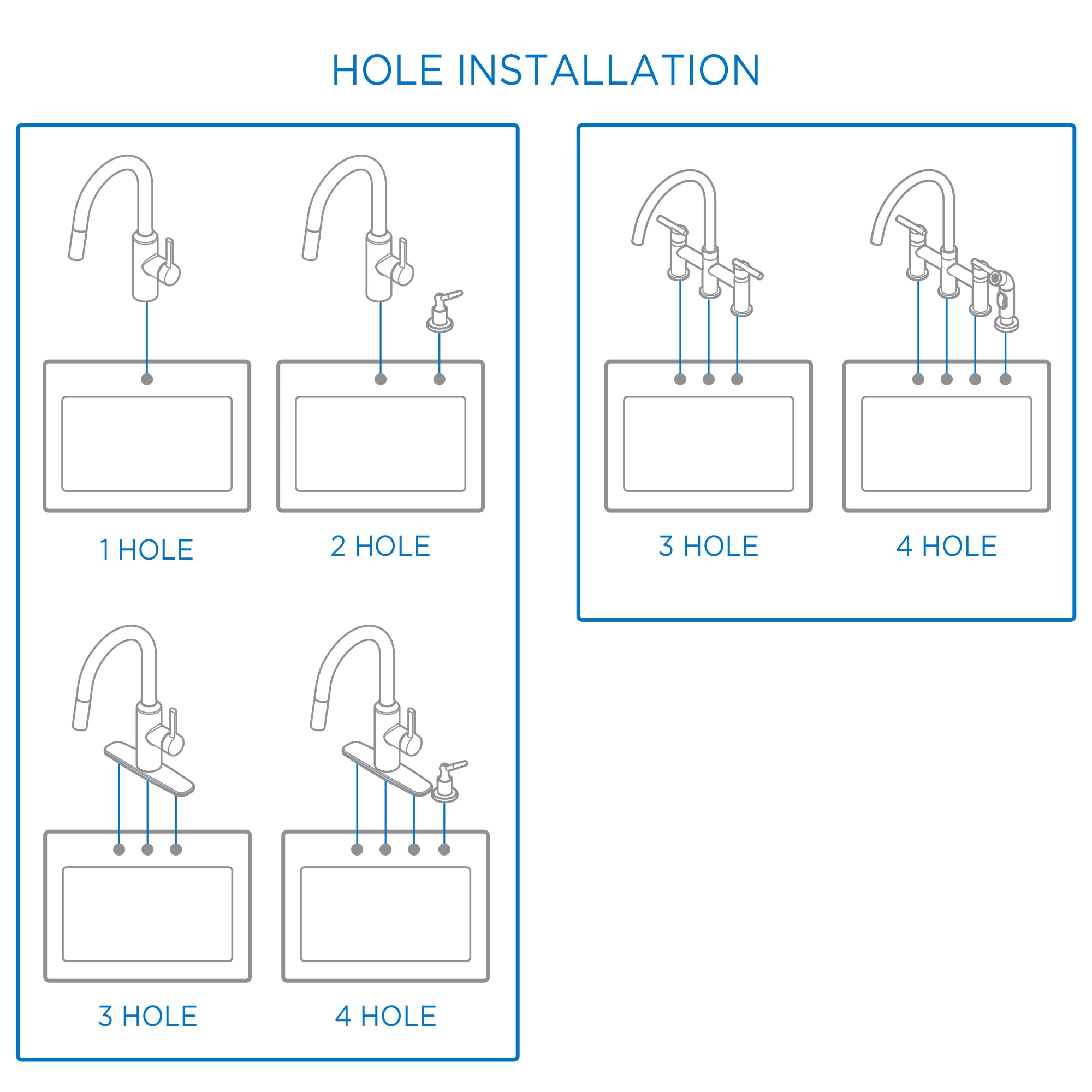
Over 40% of faucet returns happen because homeowners skip these two critical measurements before purchasing. Taking 5 minutes to verify these dimensions saves hundreds in return shipping fees and installation complications.
Calculate Required Spout Height for Your Tallest Pots
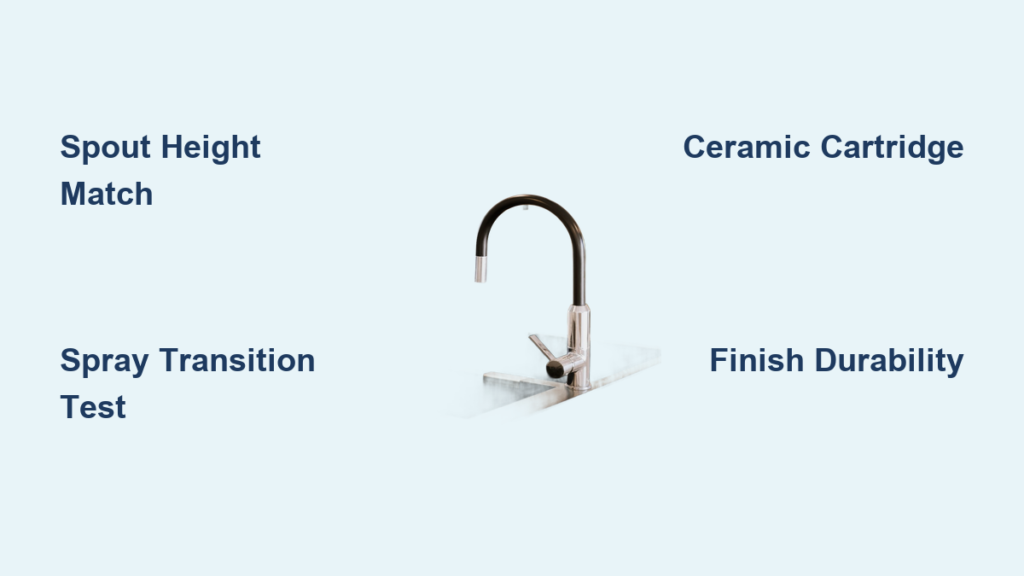
Measure your deepest pot plus 4 inches—this determines your minimum spout height. Standard-arc faucets (8-12 inches) work for most households, but if you regularly use 10+ inch stock pots, insist on high-arc models (12-18 inches). Position a full pot under your current faucet—if water splashes excessively, you need greater clearance.
Visual Cue: When testing in-store, mimic filling a large pot—the water stream should enter the pot at a 45-degree angle, not vertically downward which causes dangerous splashing.
Measure Sink Configuration Before Selecting Mounting Style
Count your sink’s mounting holes before browsing fixtures. Single-hole sinks require specific faucets or deck plates to cover unused holes. For double-basin sinks, spout reach must exceed 10 inches to effectively cover both basins. Measure from the faucet center to the farthest sink edge—your reach should exceed this by 2+ inches.
Common Mistake: Assuming all “8-inch widespread” faucets fit any 8-inch hole pattern. Verify exact center-to-center measurements as some fixtures require precise 8.25-inch spacing.
Evaluate Spray Technology for Daily Cleaning Efficiency
The spray head makes or breaks your faucet experience during daily cleanup. Focus on these often-overlooked performance factors that separate functional fixtures from frustrating ones.
Test Stream-to-Spray Transition Smoothness
In-store, operate the spray toggle 10+ times—quality switches require consistent, moderate pressure (3-5 lbs) without sticking. Avoid models needing excessive force that becomes painful during extended use. The transition should happen instantly; delayed response indicates poor internal engineering.
Pro Tip: Bring a small bottle of vinegar to test stores—if available, soak the spray head for 15 minutes to simulate hard water conditions. Quality nozzles maintain consistent spray patterns after this test.
Identify Models With Self-Cleaning Spray Nozzles
Look for spray heads with individual rubber nozzles that resist mineral buildup. Pinch the nozzles—if they flex and return to position, they’ll self-clean during use. Rigid plastic nozzles clog permanently in hard water areas. Expert Note: Brands like Delta and Moen incorporate “Touch-Clean” technology with this feature across most mid-range models.
Select Durable Finishes Based on Your Maintenance Tolerance
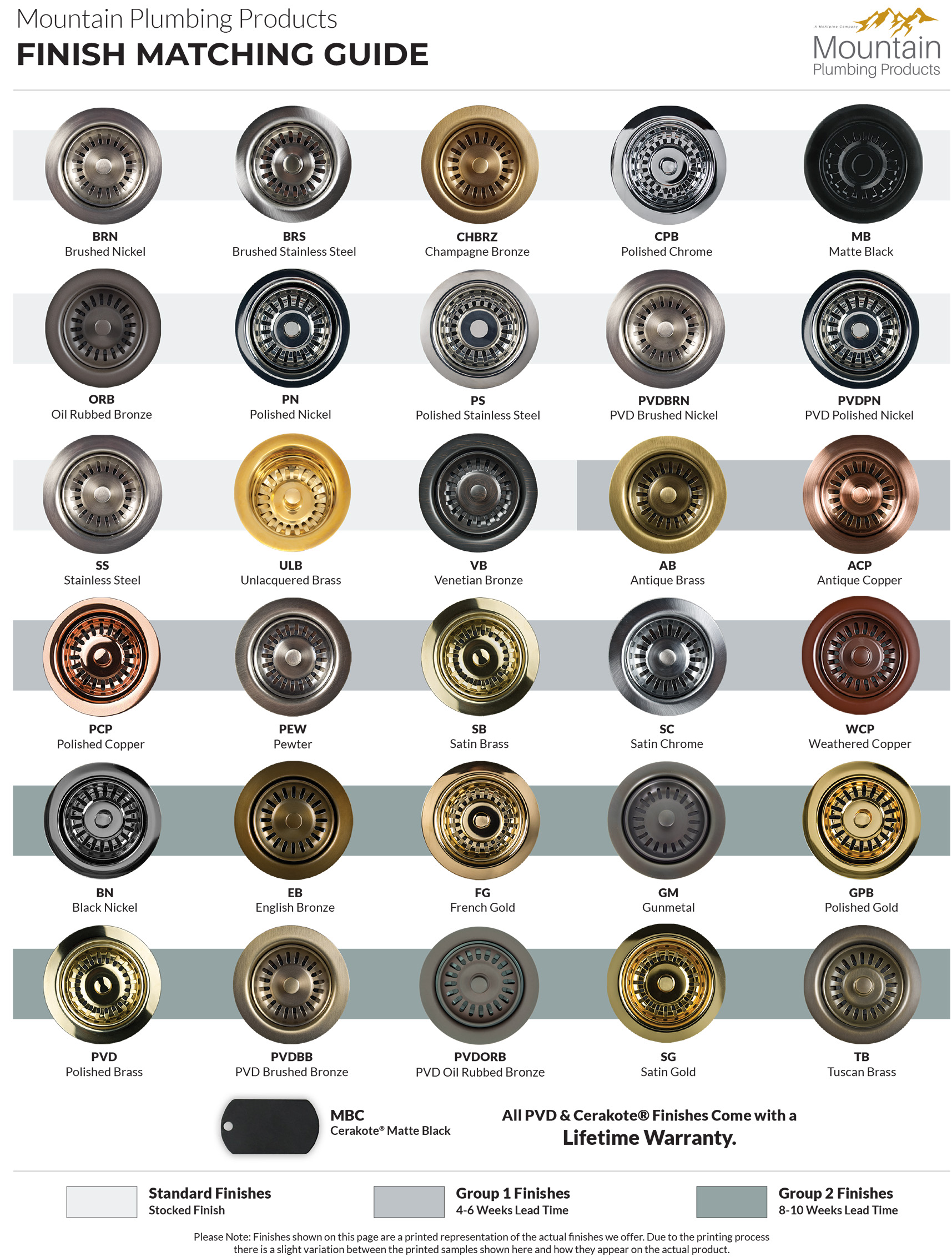
Your finish choice impacts daily cleaning time more than you realize. Busy households with kids should prioritize these practical considerations over pure aesthetics.
Chrome vs. Matte Black for High-Traffic Households
Polished chrome shows every fingerprint and water spot, requiring daily wiping. Brushed finishes (nickel, chrome, or stainless) hide imperfections better but still need weekly cleaning. For zero-maintenance appeal, choose matte black—its non-reflective surface camouflages water spots and requires only occasional wiping with a dry cloth.
Warning: Avoid matte finishes in homes with hard water—mineral deposits bond permanently to the textured surface, creating unsightly white patches that won’t wipe off.
Bronze Options That Age Gracefully in Farmhouse Kitchens
Oil-rubbed bronze develops a unique patina over time, making it ideal for farmhouse kitchens where character matters more than perfection. Unlike plated finishes, authentic living-finish bronze changes appearance naturally without flaking. Critical check: Ensure the entire faucet (not just visible parts) uses solid bronze—many budget models plate only the exterior.
Determine Your Realistic Budget Range by Usage Frequency
Your kitchen’s daily use pattern should dictate your spending—not arbitrary price categories. This practical budget framework prevents overspending on unnecessary features.
Mid-Range ($150-$400) for Most Family Kitchens
This sweet spot delivers ceramic disc cartridges (500,000+ cycle lifespan), magnetic docking, and 5-10 year warranties—essential for households using the faucet 50+ times daily. Must-have features: pull-down spray, 1.8 GPM flow rate, and replaceable cartridge design. Brands like Moen Arbor and Delta Trinsic deliver exceptional value here.
Premium ($400+) Only If You Cook Professionally
Spend beyond $400 only if you prepare complex meals daily. These fixtures offer commercial-grade components, touchless technology, and lifetime warranties—but their advanced features go unused in average households. Exception: If you have mobility challenges, touchless models justify the premium for independent operation.
Verify Cartridge Quality Before Final Purchase
The cartridge—the internal mechanism controlling water flow—determines whether your faucet lasts 2 years or 15. Demand ceramic disc cartridges; avoid plastic or compression-style designs that leak within 1-3 years. Quality cartridges operate smoothly with no gritty resistance when moving the handle.
Ask for the cartridge model number—reputable brands use standardized designs with readily available replacements. If the retailer can’t provide this information, choose another model.
Top 3 Brands With Best Long-Term Value
.png)
Rather than chasing trendy designs, prioritize these brands known for parts availability and service support:
- Moen: Best overall value with Duralock installation system (cuts DIY time by 50%) and industry-leading 10-year finish warranty
- Delta: Superior spray technology with DIAMOND Seal cartridge lasting 5x longer than standard models
- Kohler: Premium option for traditional kitchens with unmatched design consistency across product lines
Avoid: Store-exclusive brands with proprietary parts—when discontinued (typically within 3 years), repairs become impossible.
Essential Maintenance Practices That Extend Lifespan
Prevent 80% of faucet failures with this simple monthly routine:
- Remove and soak aerator in vinegar for 15 minutes
- Wipe spray head nozzles with soft toothbrush
- Check handle tightness (loose handles accelerate wear)
- Inspect hose connections for leaks
Critical: In hard water areas, replace aerators every 6 months—clogged aerators strain internal components and reduce water pressure.
Choosing the right kitchen faucet means matching technical specifications to your actual usage patterns—not showroom appeal. Focus on spout height for your largest pots, spray head quality for daily cleanup, and ceramic disc cartridges for longevity. The perfect faucet disappears into your routine, making cooking and cleaning effortless rather than frustrating. Invest time upfront measuring your sink and testing spray mechanisms, and you’ll enjoy a fixture that serves reliably for 10+ years with minimal maintenance. For most households, a $250 Moen or Delta pull-down faucet with magnetic docking delivers the best balance of performance, durability, and value—proving that the right kitchen faucet transforms daily chores into seamless routines.