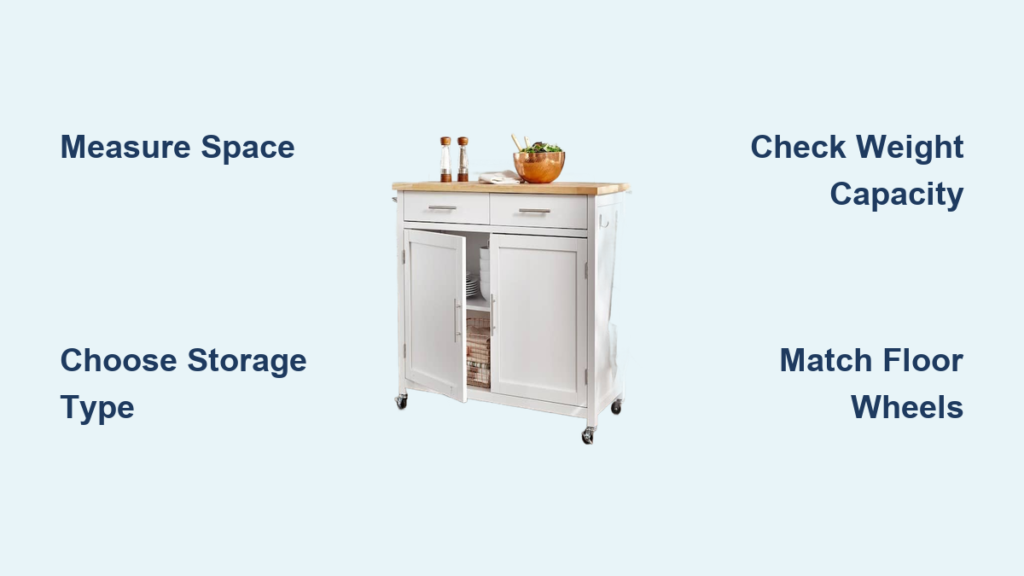
Kitchen carts have become essential additions to modern kitchens, offering flexible storage solutions and extra prep space without the commitment of a built-in island. Whether you live in a compact apartment or a spacious open-concept home, the right kitchen cart can transform how you cook, organize, and entertain. This guide walks you through everything you need to know about selecting the perfect cart that matches your space, storage needs, and style preferences.
The market offers countless options ranging from basic rolling utility carts to sophisticated designer pieces, which makes the selection process feel overwhelming for first-time buyers. Understanding the key factors that distinguish a great cart from a frustrating purchase will help you make an informed decision. From dimensions and weight capacity to countertop materials and wheel quality, each element plays a crucial role in determining how well the cart will serve your daily needs.
Before diving into specific features, consider how you plan to use your kitchen cart most frequently. Some homeowners need additional counter space for meal preparation, while others prioritize storage for cookware and appliances. Many carts serve dual purposes, functioning as both workspace and storage hub. Identifying your primary needs will guide every subsequent decision and ensure you invest in a cart that genuinely enhances your kitchen functionality.
Measure Your Kitchen Space Before Making Any Purchase

Accurate measurements form the foundation of a successful kitchen cart purchase. The last thing you want is to receive a beautiful new cart only to discover it doesn’t fit through your doorway or crowds your kitchen workflow. Take precise measurements of your available floor space, noting any obstacles like door swings, appliance placement, or traffic patterns that affect positioning.
Standard kitchen cart widths range from 19 inches on compact models to over 53 inches on expansive rolling islands. Compact carts work exceptionally well in smaller kitchens where every inch matters, while wider models suit larger spaces that can accommodate substantial secondary workstations. Remember that kitchen islands shouldn’t occupy more than 10% of your total kitchen area, though this guideline adjusts based on your specific needs.
Depth matters equally when evaluating fit, since this dimension affects both storage capacity and how much floor space the cart consumes. Most standard carts maintain depths between 18 and 20 inches when closed, though drop-leaf designs effectively double your workspace when extended. Account for caster rotation space, as wheels need room to turn without catching on cabinets or baseboards. Maintaining at least 36 inches of clearance on all sides ensures comfortable movement around the cart during cooking activities.
Height considerations complete your dimensional assessment. Standard kitchen islands and carts measure 36 inches tall, aligning with typical countertop heights for seamless food prep continuity. However, if you envision using bar stools for casual dining at your cart, models reaching 42 inches provide more comfortable seating arrangements. Measure your existing countertops to confirm which height works best for your setup.
Select Storage Configuration That Solves Your Specific Problems
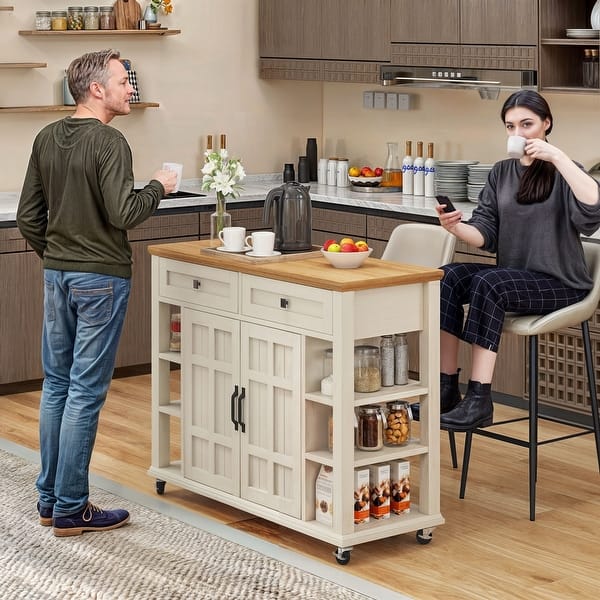
Storage capacity often determines whether a kitchen cart proves genuinely useful or simply becomes another cluttered surface. Modern carts offer diverse storage configurations including drawers, shelves, cabinets, towel racks, and specialized holders for wine bottles or spices. The optimal configuration depends entirely on what items you need to store and how you plan to access them during cooking.
Drawer storage excels for concealing kitchen linens, cutlery, and miscellaneous gadgets that benefit from containment yet require frequent access. Deep drawers accommodate larger utensils, while shallow drawers work perfectly for measuring cups, spoons, and everyday cooking tools. Premium models feature two or three separate drawer compartments, providing organizational flexibility that single-drawer carts cannot match.
Open shelving creates display opportunities and easy access to frequently used items like cookbooks, decorative containers, and canisters. This configuration suits items you use daily and want to keep visible for convenience. However, open shelving can accumulate dust and may appear cluttered without thoughtful organization. Consider whether the visual exposure benefits your kitchen workflow or creates unwanted visual noise.
Cabinet storage behind closed doors offers the cleanest appearance and protects items from dust and kitchen grease. This configuration works exceptionally well for larger appliances, cookware, and items you prefer to keep hidden from sight. Cabinet-style storage proves particularly valuable for housing items like air fryers, stand mixers, or stockpots that don’t otherwise fit in kitchen cabinets.
Choose Countertop Material Based on Your Cooking Style
The countertop surface affects both your cart’s aesthetics and its practical performance for food preparation. Two materials dominate the market: solid wood and stainless steel, each offering distinct advantages depending on your cooking style and maintenance preferences.
Solid wood tops bring natural warmth and traditional beauty to kitchen spaces, complementing farmhouse, rustic, and traditional kitchen aesthetics beautifully. Wood surfaces handle knife work reasonably well and develop character over time as they age. However, wood requires more maintenance to prevent water damage and should be regularly treated with food-safe oils. Solid wood proves ideal for durability when properly maintained, aging gracefully and potentially being sanded and refinished if needed over decades of use.
Stainless steel tops deliver professional-grade durability and modern appeal that suits contemporary and industrial kitchen designs. This material resists heat, moisture, and stains exceptionally well, making it ideal for heavy-duty food preparation. Stainless steel wipes clean easily and maintains a sanitary surface, which explains its prevalence in commercial kitchens. For those who do significant cooking and want a surface that withstands heavy use without showing wear, stainless steel offers excellent value through low maintenance requirements.
Match Weight Capacity to Your Actual Daily Use
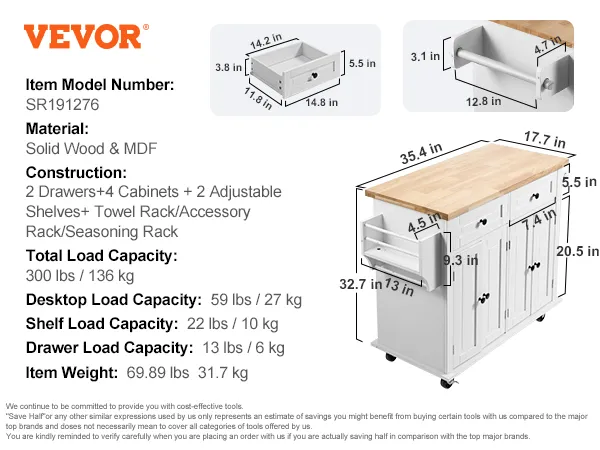
Weight capacity varies dramatically across kitchen cart models and represents a crucial specification determining what you can safely place on or in the cart. Standard weight capacities range from approximately 40 pounds on basic models to 250 pounds on heavy-duty commercial-style carts. Selecting appropriate capacity prevents damage and ensures safe daily operation.
Evaluate both countertop load and storage load separately when assessing capacity requirements. Some manufacturers specify total weight capacity while others provide separate limits for the work surface versus stored items. The Red Barrel Solid Wood Top Kitchen Cart holds up to 40 pounds total, which limits its use for heavier items or appliances. Conversely, the Home Styles Mobile Kitchen Cart supports up to 250 pounds, making it suitable for heavy stand mixers, large appliances, or substantial food prep loads without concern.
Consider your cooking habits honestly when evaluating capacity needs. Those who occasionally need extra workspace for holiday meal preparation have different requirements than daily heavy users. Investing in higher capacity now prevents frustration later when you discover your cart cannot handle a particularly ambitious cooking project.
Ensure Wheel Quality Supports Your Kitchen Floor Type
The wheel system determines how easily you can move your kitchen cart and whether it remains stable during use. Nearly all kitchen carts feature four wheels called casters, but the quality and functionality of these wheels vary significantly between products and price points.
Locking casters represent an essential feature for any kitchen cart functioning as a workspace. The ability to lock wheels in place prevents the cart from rolling during food preparation or when items are placed on the surface. The best systems combine smooth mobility with secure locking capability, allowing easy movement when needed and rock-solid stability when locked.
Wheel quality affects both maneuverability and floor protection. Hard plastic wheels work adequately on smooth flooring but may scratch or damage hardwood surfaces over time. Rubber-coated wheels provide better floor protection and smoother rolling on various surfaces including tile, vinyl, and hardwood. Premium carts feature heavy-duty industrial-grade casters designed to support substantial weight while maintaining smooth operation year after year.
Coordinate Style with Your Existing Kitchen Aesthetic
Kitchen carts serve dual purposes as functional storage solutions and design elements contributing to your kitchen’s overall aesthetic. Contemporary trends favor bold hues and eye-catching pieces, with dark blues, greens, and black-coated carts particularly popular as statement pieces that anchor kitchen design.
Color options span from neutral tones like white, black, and natural wood finishes to statement colors including green, blue, and red. When selecting color, consider whether the cart will serve as a subtle addition blending with your current scheme or a focal point introducing new visual interest. The Lark Manor Solid Wood Top Kitchen Island Cart offers four color options, allowing coordination with various kitchen decors or deliberate design statements.
Material finishes significantly impact the cart’s appearance and how it coordinates with other kitchen elements. Wood finishes range from light oak and natural pine to rich cherry and dark walnut. Metal finishes on hardware and structural elements include chrome, brushed nickel, and black matte coatings. The combination of these finishes creates the overall style impression, whether traditional, contemporary, farmhouse, or industrial.
Set Budget Based on Expected Longevity and Usage
Kitchen carts span a broad price spectrum from budget-friendly options under $100 to premium models exceeding $500. Price typically correlates with construction quality, material durability, storage capacity, and aesthetic refinement, though excellent values exist at every price point.
Budget options in the $75 to $150 range typically feature engineered wood construction, basic storage configurations, and simpler designs. These carts work well for renters, temporary solutions, or kitchens where the cart won’t receive heavy daily use. The Winston Porter Mineville Kitchen Cart exemplifies affordable value, offering versatile storage and solid construction at a price point accessible to most budgets.
Mid-range carts from $150 to $300 generally provide solid wood construction, more sophisticated designs, and enhanced features like drop-leaf extenders or premium hardware. This price point typically offers the best balance of quality, functionality, and style for most homeowners seeking long-term satisfaction.
Avoid These 3 Common Kitchen Cart Selection Mistakes
Several pitfalls commonly trap first-time kitchen cart buyers. Avoiding these mistakes ensures a more satisfying purchase and ownership experience.
Selecting a cart based solely on appearance without considering actual storage needs leads to frustration. A beautiful cart that doesn’t accommodate your specific items becomes a decorative piece rather than a functional asset. Inventory what you need to store before shopping, prioritizing configurations that address your particular challenges.
Underestimating assembly complexity catches many buyers off guard. Reviews consistently indicate assembly difficulty varies significantly between products, with some customers completing assembly in under an hour while others require several hours or professional assistance. Consider your comfort with furniture assembly and available tools before purchase.
Ignoring weight capacity limitations results in damaged carts or dangerous instability. Always check specifications and honestly evaluate whether the capacity supports your intended use. A cart struggling under excessive weight creates safety hazards and degrades quickly.
Final Checklist for Choosing Your Perfect Kitchen Cart
Selecting the right kitchen cart requires balancing multiple factors specific to your situation. Begin by measuring available space and identifying maximum dimensions fitting comfortably while maintaining adequate clearance for movement.
Inventory your storage needs honestly, considering what items you currently struggle to store and where the cart might relieve congestion in existing cabinets or countertops. Prioritize storage configurations addressing your specific challenges rather than generic features you may never use.
Establish a realistic budget accounting for intended use duration. Short-term or rental situations may justify budget options, while long-term homeowners often benefit from investing in higher-quality pieces providing lasting value.
Read customer reviews from verified purchasers to understand real-world experiences with assembly, daily use, and long-term durability. Reviews often reveal information not apparent from manufacturer specifications alone, including actual weight capacity under load and drawer operation over time.
The ideal kitchen cart seamlessly integrates into your cooking workflow while providing the storage and workspace enhancements you need. By carefully evaluating your requirements against available options, you can select a cart that serves your household effectively for years to come.