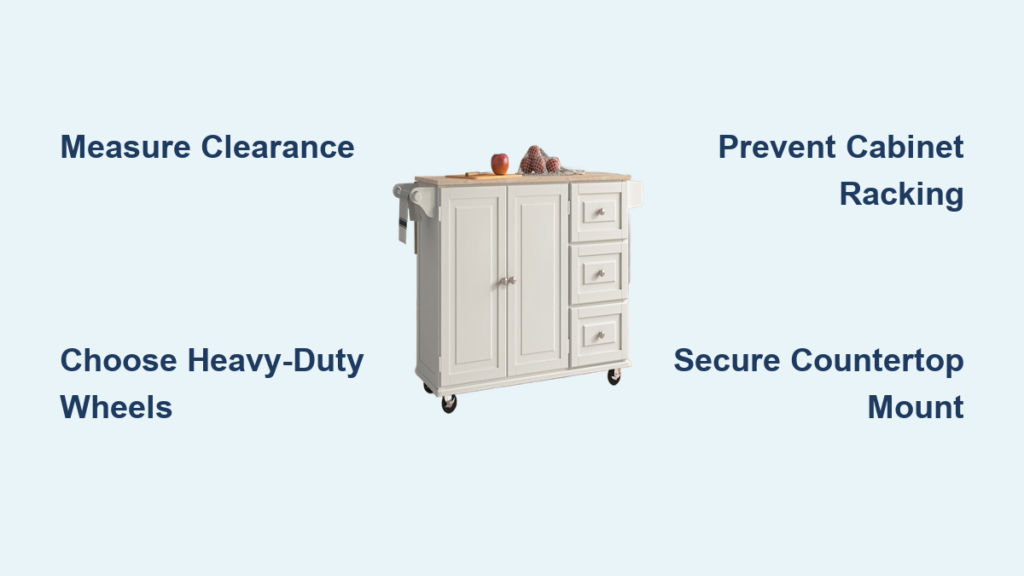
Imagine effortlessly moving your kitchen workspace from the stove area to the dining room for serving, or tucking it away when guests arrive. A kitchen island on wheels transforms your cooking space from a static workspace into a versatile, multi-functional hub that adapts to your daily needs. This mobile solution provides extra counter prep area, additional storage, and a flexible serving station without requiring permanent installation. Building your own rolling kitchen island typically costs between $150 and $500—significantly less than the $400 to $2,000 price tag of pre-made options—while allowing you to customize every detail to match your kitchen’s dimensions and your specific cooking requirements.
Whether you’re a weekend warrior with basic woodworking skills or an experienced DIYer, this project delivers professional results with just a weekend of dedicated work. By following this guide, you’ll create a sturdy, functional mobile island that enhances your kitchen’s workflow and becomes an indispensable part of your daily cooking routine. The key to success lies in careful planning, smart material choices, and attention to stability details that many pre-made options overlook.
Plan Your Mobile Kitchen Island Dimensions First
Before purchasing a single piece of wood, measure your kitchen space with precision to determine optimal island dimensions. A rolling island needs at least 36 inches of clearance on all sides when positioned against walls or other surfaces, though 42 to 48 inches provides more comfortable movement space for multiple cooks. Measure doorways and tight corners to ensure your island can navigate your kitchen layout when repositioned.
Determine your island’s primary purpose to guide design decisions—this prevents costly mid-project adjustments. If you need extra prep space, prioritize counter depth and surface material quality. For storage-focused builds, maximize cabinet interior space with adjustable shelving and organizational inserts. Entertainment-focused islands might incorporate a serving overhang, bar-height seating, or integrated beverage coolers. Most households benefit from a balanced approach combining all three functions.
Standard kitchen island dimensions range from 24 to 48 inches deep and 36 to 84 inches wide. For a rolling island that navigates doorways and fits between countertops, aim for 24 to 30 inches deep and 36 to 48 inches wide. This size accommodates standard cabinet dimensions while remaining maneuverable. Height should match your existing countertops (typically 36 inches), though 30 to 34 inches works for bar-height configurations. Sketch your design on paper with exact measurements before cutting any materials.
How to Determine Optimal Wheel Placement
Position casters at cabinet corners, measuring 1 to 2 inches in from edges to prevent tipping during movement. For stability, place two swivel casters at the front corners for directional control and two fixed casters at the rear for straight-line tracking. The wheel base (distance between front and rear casters) should be at least 70% of the cabinet depth to prevent tipping when leaning on the counter.
What Clearance Space You Really Need
Test your planned dimensions by marking the island footprint on your kitchen floor with painter’s tape. Walk through your normal kitchen workflow to verify adequate space for opening cabinet doors, pulling out drawers, and moving between appliances. Remember that your island will occupy this space only when positioned in your kitchen—its mobility means it can be moved to a corner or pantry when not needed.
Select Heavy-Duty Wheels for Kitchen Stability

Wheel selection proves critical for island stability and mobility in kitchen environments. Heavy-duty locking casters support 150 to 300 pounds per wheel and provide the durability kitchen furniture demands. Swivel casters allow easy directional changes, while fixed casters in rear positions provide straight-line tracking. Select casters with at least 2-inch diameter wheels for smooth rolling over floor transitions and thresholds.
Popular options include:
– Rubber wheels for hardwood and tile (quiet operation, no floor marks)
– Polyurethane wheels for concrete and carpet (durable, moderate noise)
– Steel wheels for industrial applications (maximum durability, noisy)
Choose casters with locking mechanisms that engage automatically when weight is applied—this prevents accidental movement while you’re working at the island. Test casters in-store if possible; smooth-rolling casters with sealed bearings outperform cheaper models with exposed bearings that collect kitchen debris.
Why Wheel Height Matters for Counter Alignment
The height of your casters affects your island’s final counter height. Standard casters add 3 to 4 inches of height, so factor this into your cabinet construction. For example, if you want a 36-inch counter height with 4-inch casters, build your cabinet to 32 inches tall. Measure your casters before final cabinet assembly to avoid height mismatches with existing countertops.
Build the Cabinet Frame for Maximum Strength
Begin construction by cutting all plywood pieces to size according to your design plans. The basic cabinet structure consists of two side panels, a top rail, bottom rail, and back panel. Internal components include shelf boards, drawer supports, and any partition pieces for separate cabinet sections.
Assemble the cabinet using wood glue and screws for strong, lasting joints. Apply glue to joining edges, clamp pieces square, and drive 1-5/8-inch wood screws through pre-drilled pilot holes. For invisible, incredibly strong joints, use a pocket hole jig—this professional technique creates joints that won’t pull apart under stress.
Install the back panel (typically 1/4-inch plywood) to square the cabinet and add rigidity. Cut the back panel slightly smaller than frame dimensions and nail or staple it in place. This panel also provides a surface for attaching the island to the countertop. Before final assembly, create any interior storage features like adjustable shelf standards or drawer boxes.
How to Prevent Cabinet Racking During Movement
Kitchen islands on wheels experience more stress than stationary cabinets. Prevent racking (leaning or twisting) by adding diagonal bracing in cabinet corners or using thicker plywood for side panels. For large islands over 40 inches wide, install a center vertical partition that extends from top to bottom—this divides the cabinet into two stable sections and provides additional mounting points for casters.
Install Countertop with Wood Movement in Mind
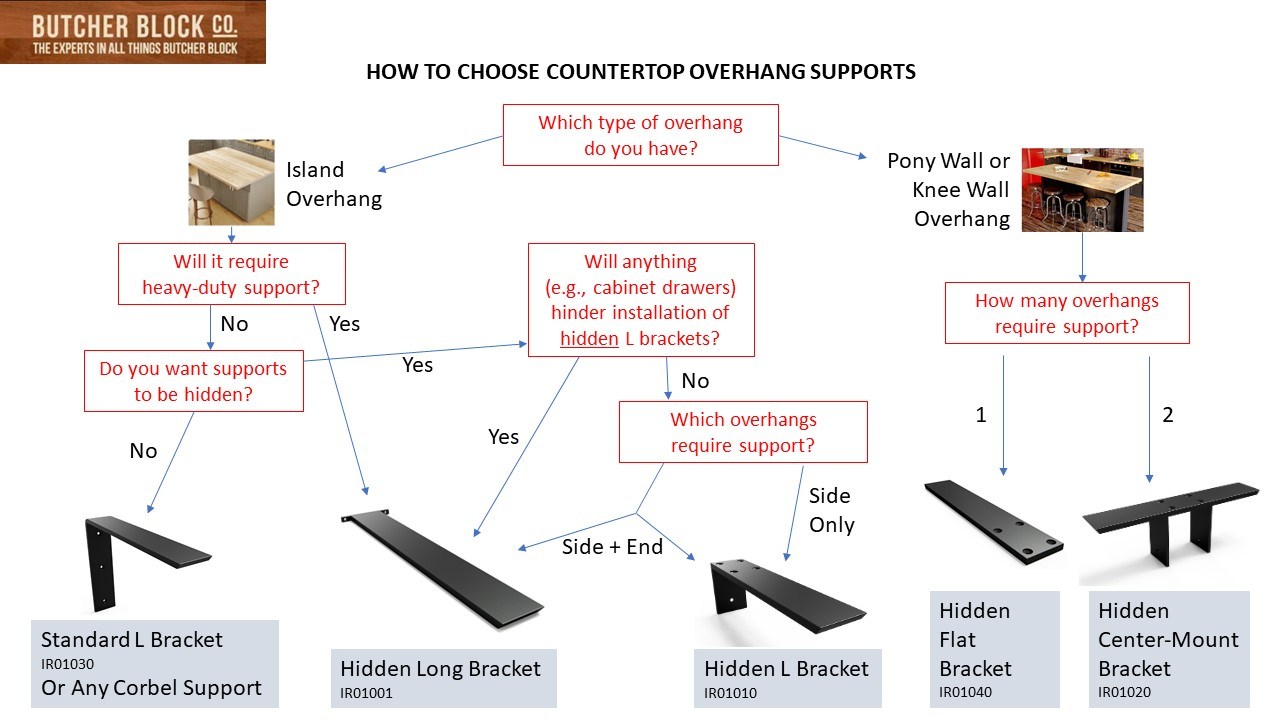
Mounting methods depend on your countertop material. For plywood or butcher block tops, wood screws through pre-drilled holes into countertop underside work well. Position screws 1 inch from edges and 6 to 8 inches apart. Use washers under screw heads to prevent pull-through.
Butcher block countertops require special consideration for wood movement. Mount using slotted brackets or screws in elongated holes to allow seasonal expansion and contraction. Fixed mounting causes cracking over time as wood naturally expands with humidity changes. Leave a 1/8-inch gap between countertop edges and cabinet sides to accommodate movement.
Ensure your countertop overhang provides adequate knee space if incorporating seating—typically 10 to 12 inches beyond cabinet front. The overhang also creates visual distinction between cabinet and work surface. For butcher block countertops, apply food-safe mineral oil weekly initially, then monthly for lasting protection.
What Countertop Material Works Best for Mobile Islands
Butcher block provides warm aesthetics and excellent food prep surfaces at $3 to $8 per square foot. Laminate countertops deliver affordability and variety at $1 to $3 per square foot but lack durability for heavy kitchen use. Solid surface materials offer seamless appearance but add significant weight—important consideration for wheel capacity. Avoid stone countertops like granite or quartz for DIY mobile islands; their extreme weight (up to 20 pounds per square foot) exceeds most caster capacities and requires professional installation.
Add Functional Accessories That Stay Secure

Enhance your rolling island’s utility with strategic accessories that won’t shift during movement. Under-cabinet lighting improves task visibility—LED strip lights with battery power install easily and switch independently. Power outlets with USB ports provide convenient device charging but require professional wiring for permanent installation.
Drawer and cabinet organizers transform storage chaos into efficient systems. Cutlery trays, spice rack inserts, and pot lid organizers maximize every cubic inch. Pull-out trash and recycling containers hide waste while maintaining floor space. Install magnetic latches to keep doors and drawers closed during movement.
Paper towel holders, knife blocks, and cookbook stands integrate frequently used items. Hooks on cabinet sides store frequently used tools within reach. Consider a utensil crocks mounted on the countertop for immediate access during cooking. A small cutting board that slides into cabinet openings saves counter space when not in use.
Maximize Daily Functionality with Smart Positioning
Position your rolling island to serve multiple purposes throughout the day. Morning positioning near the coffee station provides breakfast prep space. Midday placement creates additional counter area for meal preparation. Evening positioning near the dining area transforms it into a serving station for entertaining.
Develop a locking strategy that maintains accessibility. When positioned against walls or other surfaces, leave casters unlocked for easy repositioning. In open spaces, engage at least two locks to prevent unintended movement. Train household members to unlock before moving and re-lock after positioning.
Floor protection prevents caster marks on sensitive surfaces. Felt pads under wheels, caster trays, or area rugs protect hardwood and tile. Regular wheel cleaning removes debris that scratches floors. For frequent repositioning, consider casters with retractable legs that lift the island slightly off the ground when locked in position.
Troubleshoot Wobble and Stability Issues Immediately
If your island wobbles during movement, check caster mounting security and frame squareness first. Tighten all fasteners and verify corner joints remain at 90 degrees. Add diagonal bracing in cabinet corners if frame has loosened over time. Wobble often stems from uneven floor surfaces—adjustable leveling feet on casters can compensate for minor floor irregularities.
Squeaking casters typically indicate debris in bearings or insufficient lubrication. Clean thoroughly with compressed air and apply silicone-based lubricant—avoid oil-based products that attract dust. Replace bearings showing pitting or corrosion rather than risking sudden caster failure under load.
Drawer binding often results from drawer box expansion in humid conditions or misaligned slides. Lightly sand drawer sides if swelling occurred. Adjust slide alignment using the adjustment screws common on quality drawer slides. For frequent issues, upgrade to full-extension soft-close slides that maintain alignment through regular use.
Building a kitchen island on wheels delivers personalized functionality, significant cost savings, and the satisfaction of creating something beautiful with your own hands. With proper planning, quality materials, and attention to detail during construction, your rolling island becomes a versatile kitchen asset that adapts to your cooking style and entertaining needs for years to come. Start with a simple design, build it well, and you’ll wonder how you ever managed without it.