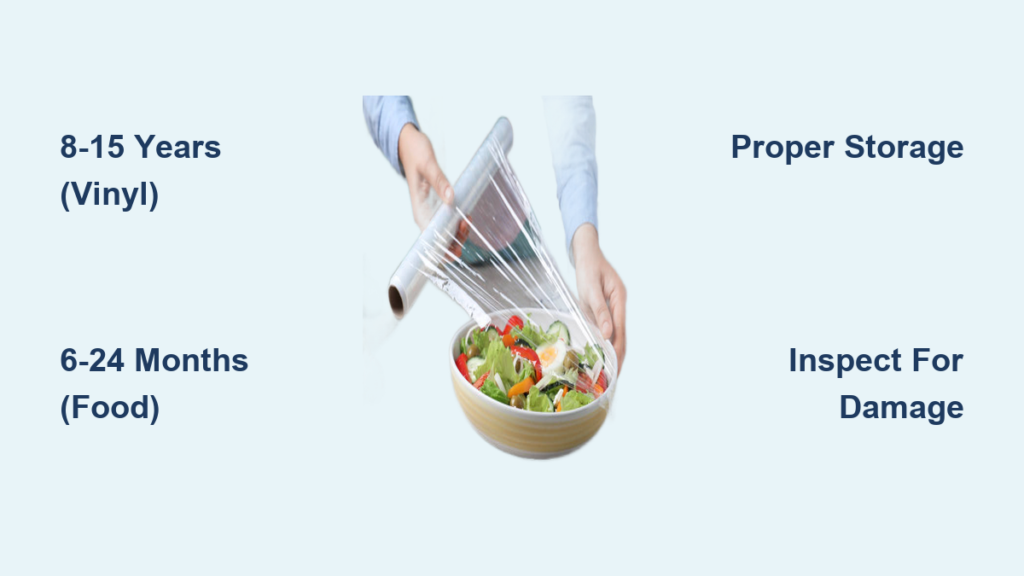
You’ve invested in vinyl wrap for your kitchen cabinets or stocked up on food storage wraps, but how long does kitchen wrap last before you need replacements? This question matters because misunderstanding wrap longevity leads to unnecessary expenses and frustration. Vinyl architectural wraps for cabinets and countertops can deliver 5-15 years of service when properly installed and maintained, while food storage wraps typically remain functional for 6 months to 2 years under ideal conditions. These vastly different lifespans reflect their fundamentally different purposes—one transforms your kitchen’s appearance long-term, while the other serves practical food preservation needs.
Confusing these two categories creates unrealistic expectations. Many homeowners install budget vinyl wrap expecting decade-long performance only to face peeling and fading within two years, while others discard food storage wraps prematurely based on expiration dates rather than actual condition. Understanding the specific factors that determine how long kitchen wrap lasts for your particular application ensures you maximize your investment and avoid unnecessary replacements.
Vinyl Kitchen Wrap Lifespan: Realistic Expectations for Cabinet Transformations

High-quality vinyl wrap professionally installed on kitchen cabinets typically lasts 8-10 years, with optimal conditions potentially extending this to 15 years. This substantial lifespan makes vinyl wrapping a cost-effective alternative to full cabinet replacement, offering similar aesthetic results at a fraction of the cost and disruption. Tim Warren, a DIY expert at Adkwik, confirms that quality materials combined with professional installation can deliver up to a decade of reliable service when properly maintained.
Don’t mistake these estimates for guarantees—your actual vinyl wrap lifespan depends heavily on three critical factors: material quality, installation expertise, and your kitchen’s environmental conditions. Budget vinyl wraps often fail within 2-3 years due to inferior adhesives and thinner materials, while premium architectural-grade wraps withstand kitchen demands significantly longer. Richard Cotgrove, founder of Stucco Veneziano, emphasizes that proper care transforms vinyl wrap from a short-term fix into a lasting kitchen upgrade that serves homeowners well for many years.
Why Vinyl Wrap Fails Prematurely (And How to Prevent It)
Poor Surface Preparation Causes Early Adhesion Failure
Skipping proper surface preparation accounts for most premature vinyl wrap failures. Applying wrap to surfaces with residual grease, moisture, or imperfections creates weak adhesion points that eventually bubble and peel. Judi Kutner, a licensed realtor and senior contributor at Virtual Staging, stresses that meticulous cleaning and complete drying before application prevents 90% of early failure issues. Always remove all contaminants and ensure surfaces are bone-dry—this single step dramatically extends how long your kitchen wrap lasts.
Heat and Moisture Exposure Accelerates Degradation
Kitchen environments challenge vinyl wrap durability through constant exposure to heat, steam, and humidity. Direct contact with hot cookware on wrapped countertops causes immediate damage, while consistent moisture near sinks and dishwashers compromises adhesive bonds over time. Protect vulnerable areas by:
– Using trivets under hot pots and pans
– Wiping spills immediately
– Installing proper ventilation near cooking areas
– Avoiding direct water contact on wrapped surfaces
Low-Quality Materials Fade and Peel Within Months
Budget vinyl wraps often use inferior pigments and thinner protective layers that degrade quickly under normal kitchen conditions. These wraps typically show noticeable fading within 6-12 months and begin peeling at edges within 2-3 years. Invest in UV-resistant, commercial-grade vinyl specifically designed for kitchen environments—you’ll extend your wrap’s lifespan by 3-5 years compared to basic alternatives.
4 Clear Signs Your Vinyl Kitchen Wrap Needs Replacement
Fading Colors Indicate UV Damage and Material Degradation
When your once-vibrant cabinet colors appear noticeably dull or uneven, UV exposure has likely broken down the wrap’s pigments. Gradual fading occurs naturally over many years, but sudden or patchy discoloration signals premature failure requiring attention. Premium wraps with UV inhibitors resist this issue significantly longer than basic options.
Peeling Edges Create Moisture Entry Points
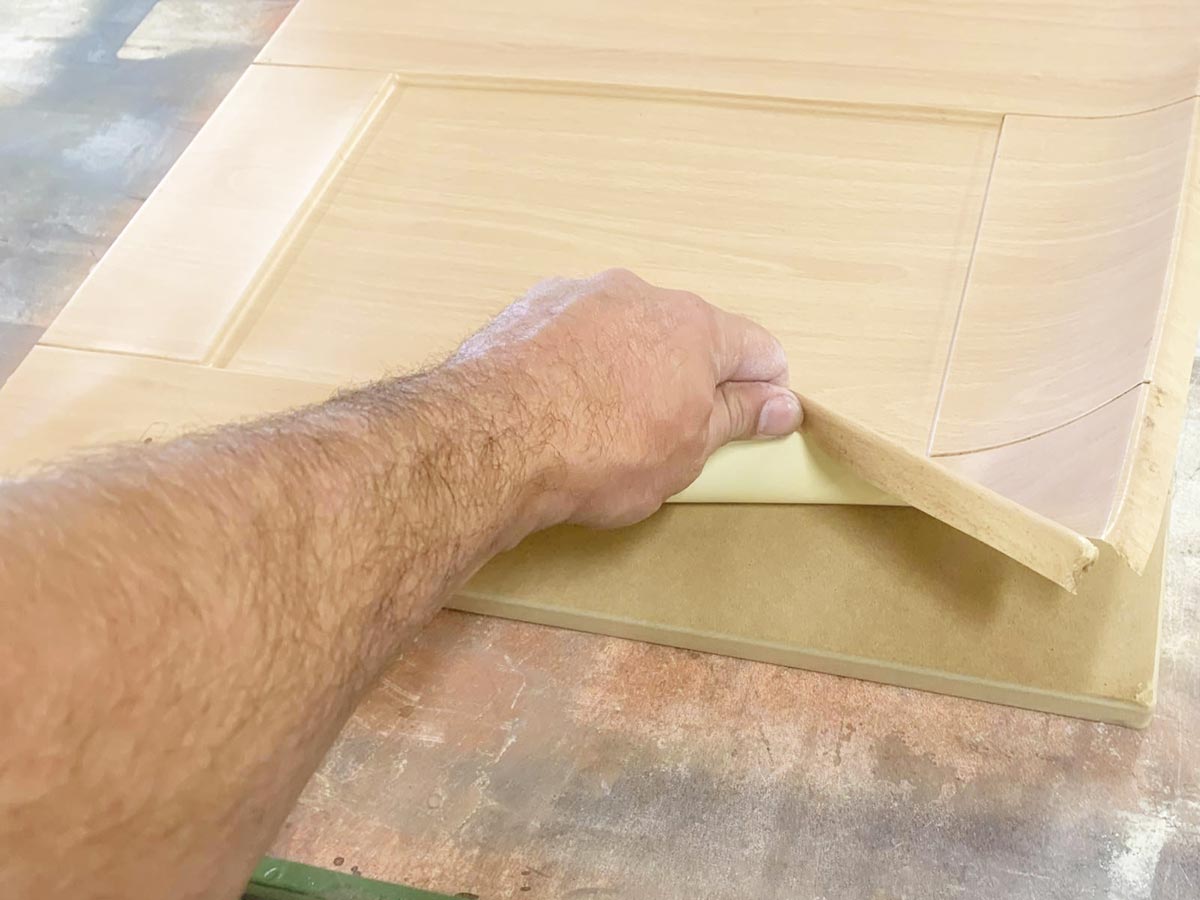
Peeling corners and edges represent more than cosmetic concerns—they create pathways for moisture to seep beneath the wrap, accelerating damage to both the wrap and underlying surface. Small peeling areas (under 2 inches) may be repairable with specialty adhesive, but widespread peeling across multiple cabinets indicates complete replacement is more cost-effective than continued patching.
Deep Scratches and Scuffs Compromise Protective Function
While minor surface marks are normal with kitchen use, extensive scratching that penetrates the protective layer exposes vinyl to moisture and contaminants. When scratches become numerous enough to significantly alter your kitchen’s appearance or create rough textures that trap grime, replacement becomes necessary for both aesthetic and hygiene reasons.
Bubbles and Wrinkles That Won’t Smooth Out
Temporary bubbles often appear during installation but should resolve within 48 hours. Persistent bubbles or wrinkles that develop months after installation indicate adhesive failure beneath the surface. These defects not only look unsightly but also create weak spots prone to further peeling and moisture damage.
Double Your Vinyl Wrap Lifespan With These Maintenance Tips
Clean Properly Without Damaging the Surface
- Use only mild soap and a soft microfiber cloth for regular cleaning
- Avoid abrasive scrubbers, harsh chemicals, or ammonia-based cleaners
- For stubborn residues, apply a 50/50 water and white vinegar solution
- Never use steel wool or scouring pads that scratch the protective layer
Implement Daily Protective Measures
- Install soft-close mechanisms on cabinet doors to prevent slamming
- Use drawer bumpers to minimize impact stress on wrapped surfaces
- Place protective mats under frequently used items like coffee makers
- Apply a clear protective topcoat to high-wear areas like countertops
Schedule Quarterly Maintenance Checks
Dedicate 15 minutes each season to inspect your wrapped surfaces for early signs of trouble. Focus on checking edges for lifting, testing adhesion in high-moisture areas, and examining frequently touched surfaces for wear patterns. Addressing minor issues immediately prevents them from developing into major problems requiring replacement.
Food Storage Wrap Lifespan: Cling Film vs. Aluminum Foil

Food storage wraps operate under completely different longevity parameters than architectural vinyl. Standard plastic cling film remains functional for 6-12 months when stored properly, while premium brands can maintain their elasticity and cling properties for up to 2 years. Aluminum foil typically lasts even longer—3-5 years—due to its more stable material composition.
Your storage environment dramatically affects how long kitchen wrap lasts in food preservation applications. Heat exposure causes plastic wraps to become brittle and lose elasticity, while moisture promotes degradation in some formulations. Store all food wraps in a cool, dry cabinet away from direct sunlight and heat sources like stoves or dishwashers to maximize their functional lifespan.
Proper Storage Techniques to Maximize Food Wrap Shelf Life
- Keep rolls in their original cardboard boxes to maintain shape and integrity
- Store in temperatures between 50-70°F (10-21°C) for optimal performance
- Avoid storing near strong-smelling items that can transfer odors
- Check expiration dates but prioritize visual inspection over dates alone
- Discard wraps that become brittle, lose elasticity, or develop odd odors
When to Replace Food Storage Wraps (Before They Fail)
Don’t wait for food wraps to completely fail before replacing them—degraded wraps compromise food safety and freshness. Replace plastic cling film when:
– It tears easily during normal use
– It no longer adheres properly to containers
– It develops a cloudy appearance or strange odor
– It becomes brittle or difficult to unroll smoothly
Aluminum foil requires replacement when it develops pinholes, becomes excessively thin in spots, or shows signs of corrosion. Remember that while expiration dates provide useful guidance, your observation of actual product condition should determine replacement timing.
Final Takeaways: Maximizing Your Kitchen Wrap Investment
How long kitchen wrap lasts depends entirely on matching the right product to your specific needs and maintaining it properly. Vinyl architectural wraps deliver 8-15 years of service when you invest in quality materials, professional installation, and consistent maintenance. Food storage wraps serve 6 months to 2 years when stored correctly and replaced before showing signs of degradation.
Before your next kitchen wrap purchase, consider:
– Your kitchen’s specific environmental challenges
– Your willingness to perform regular maintenance
– Your planned occupancy timeline
– Your budget for both initial installation and future replacements
By understanding these factors and implementing the maintenance strategies outlined here, you’ll maximize how long your kitchen wrap lasts while enjoying both aesthetic satisfaction and functional performance throughout its natural lifespan. Whether transforming your cabinets or preserving your meals, the right approach to kitchen wrap selection and care delivers lasting value that far exceeds its initial cost.