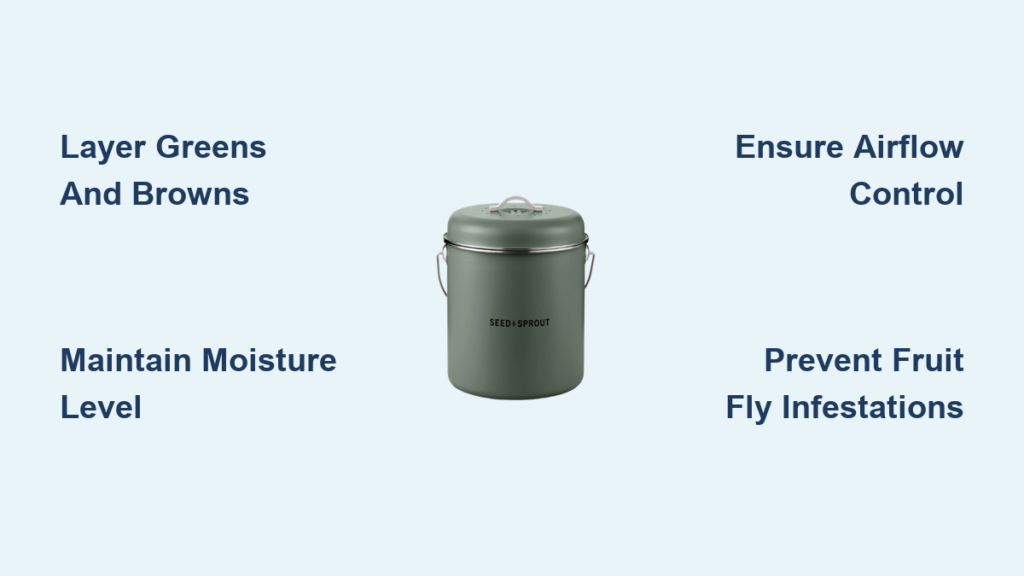
Food waste clogs landfills and contributes significantly to greenhouse gas emissions, but your kitchen compost bin offers an elegant solution right on your countertop. Understanding how does a kitchen compost bin work reveals the clever engineering behind transforming banana peels and coffee grounds into nutrient-rich soil. Modern compost bins create controlled environments where microorganisms break down organic matter efficiently, all while containing odors and fitting seamlessly into your kitchen routine. Whether you’re frustrated with smelly scraps or ready to maximize your bin’s potential, knowing the mechanics behind this eco-friendly appliance will help you reduce waste and create valuable compost with confidence.
The magic happens through a carefully balanced biological process where bacteria, fungi, and other microorganisms consume organic matter and convert it into simpler compounds. Unlike outdoor compost piles that rely on natural elements, kitchen compost bins are engineered to accelerate decomposition in limited indoor spaces while managing moisture, temperature, and airflow. Today’s designs range from simple passive containers to sophisticated electric appliances, each employing different strategies to optimize the natural composting process while addressing the unique challenges of kitchen waste.
Passive Compost Bin Mechanics Explained
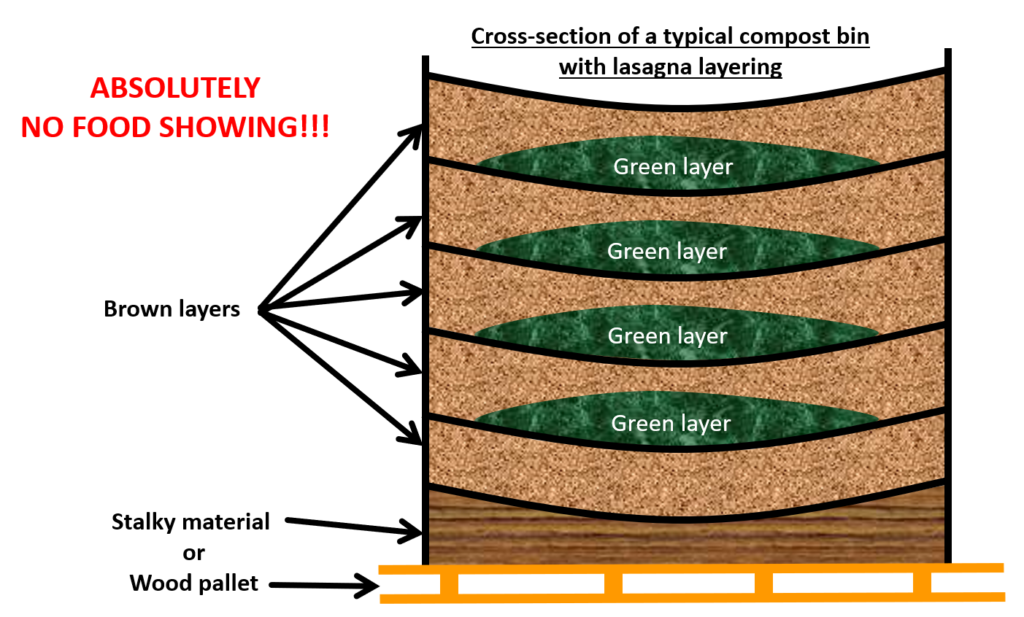
Passive kitchen compost bins rely on natural airflow and strategic design to facilitate decomposition without electricity or moving parts. These systems work through a combination of proper layering and passive convection that circulates air through the composting materials.
How the Lasagna Method Creates Optimal Conditions
The layering technique known as the “lasagna method” forms the foundation of passive composting success. Alternate layers of nitrogen-rich “green” materials (food scraps, coffee grounds) with carbon-rich “brown” materials (shredded newspaper, dried leaves) in a 3:1 ratio. This strategic layering provides both the nutrients microorganisms need and the structural porosity that allows air to circulate. As upper layers compress lower ones, they push air through the pile while drawing fresh oxygen in from the sides—a natural convection process that sustains aerobic decomposition.
Why Moisture Balance Determines Success
Passive bins function best when maintained at the perfect moisture level—roughly equivalent to a wrung-out sponge. Too dry (below 40% moisture), and microbial activity nearly stops; too wet (above 60%), and oxygen becomes scarce, creating smelly anaerobic conditions. Signs of improper moisture include visible liquid draining from the bin (too wet) or dry, crunchy materials that haven’t broken down (too dry). Many passive designs incorporate handles or cranks that allow users to turn the contents, reintroducing oxygen without manual stirring.
Ventilated Compost Bin Designs That Control Odors

Ventilated compost bins introduce deliberate airflow mechanisms to enhance decomposition beyond passive systems. These designs specifically address the most common kitchen composting challenge: odor control through strategic ventilation.
How Filter Systems Trap Odor Molecules
Countertop ventilated bins feature sophisticated venting systems built into lids and upper chambers. Some employ a chimney effect where warm air rising from decomposing scraps escapes through top vents while drawing fresh air in through bottom openings. Others incorporate activated carbon filters that allow gas exchange while trapping odor molecules before they escape into your kitchen. These filters require replacement every one to three months depending on usage.
When Mechanical Fans Accelerate Processing
The most advanced ventilated designs include small USB or battery-powered fans that maintain consistent airflow regardless of bin fullness. This continuous oxygen supply dramatically accelerates decomposition, with some users reporting processing speeds two to three times faster than passive alternatives. The trade-off is occasional battery changes and a slight operational hum, but the significant reduction in odor problems makes this worthwhile for many households.
Electric Composting Appliances: Technology Meets Biology
Electric composters represent the high-tech solution to kitchen composting, automatically controlling critical variables to transform scraps into compost in hours rather than weeks.
How Heating Elements Maintain Optimal Temperatures
The heating element in an electric composter maintains temperatures between 130°F and 160°F—ideal for thermophilic bacteria that accelerate decomposition. Sensors continuously monitor temperature, activating heating elements only when needed. This thermal regulation ensures pathogens and weed seeds are eliminated, a benefit passive systems achieve only occasionally. The consistent heat means food scraps begin breaking down within hours rather than days.
Automated Mixing Systems That Replace Manual Turning
Electric models incorporate rotating blades, tumbling drums, or oscillating paddles that aerate contents on preset schedules. High-end units even adjust mixing intensity based on bin fullness and last mixing time. This automated aeration creates conditions where decomposition proceeds as efficiently as industrial-scale operations, with some units processing a full load in as little as 3-4 hours.
Essential Maintenance Techniques That Prevent Common Problems
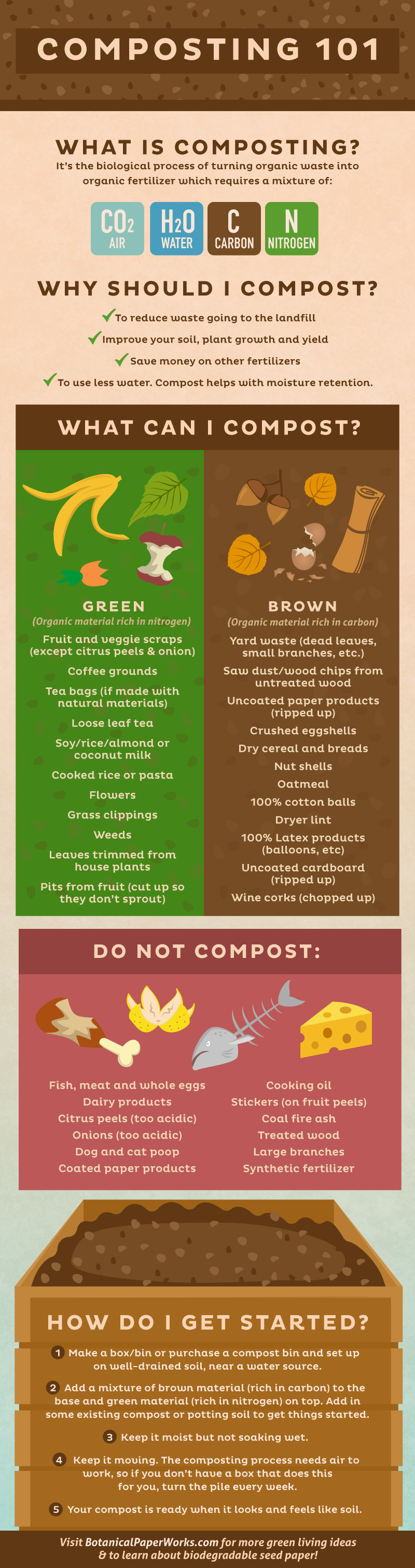
Even the best compost bin requires proper maintenance to function optimally. Knowing how to address common issues keeps your system running smoothly and odor-free.
How to Fix Smelly Compost Bins in Minutes
When odors develop, first check moisture levels—excess moisture causes 90% of smell issues. Add brown materials like shredded newspaper to absorb moisture and restore aeration. Persistent ammonia smells indicate too many greens; immediately increase brown materials. For severe odors, empty the bin completely, wash with vinegar solution, and restart with fresh brown materials as a base layer.
Fruit Fly Prevention Strategies That Actually Work
Fruit flies breed in fermenting fruit residues and can quickly infest your kitchen. Prevent infestations by reducing high-sugar fruits in your compost, burying new scraps beneath existing material, and ensuring your bin has a tight seal. For active infestations, freeze scraps before adding them to the bin or place a vinegar trap nearby. Electric composters with sealed chambers and heating elements generally avoid fruit fly problems entirely.
Choosing Your Ideal Composting System
Selecting the right kitchen compost bin depends on your specific needs, kitchen space, and composting goals. Understanding each system’s strengths helps you make an informed decision.
When Passive Bins Offer the Best Value
Passive bins work well for households that generate moderate food waste, prefer zero-energy solutions, and enjoy hands-on composting. They cost least to purchase and operate but require attention to balance and moisture management. Ideal for environmentally motivated users with access to outdoor space for occasional bin placement, these systems produce compost ready for garden use in 4-8 weeks.
Ventilated Bins for Odor-Sensitive Kitchens
Ventilated bins suit kitchens where odor control is paramount and users want better performance without electric complexity. Their filtration systems make them perfect for apartments and kitchens with limited ventilation. These middle-ground options require minimal maintenance while producing compost in 2-4 weeks. Look for models with replaceable carbon filters and easy-access chambers for material additions.
Electric Composters for Maximum Convenience
Electric composters excel for busy households wanting consistent results with minimal effort. Their faster processing speed means smaller bins handle more waste—ideal for larger families. While costing more upfront and requiring electricity, they produce usable compost in hours rather than weeks. These systems particularly benefit households with children, where consistent odor control is essential for maintaining kitchen comfort.
Transforming Food Waste Into Garden Gold
Kitchen compost bins create a closed-loop system where food scraps return nutrients to the soil rather than generating methane in landfills. The finished compost improves soil structure, enhances water retention, and provides slow-release nutrients for houseplants and gardens. Even small countertop bins produce enough material to nourish several plants, making indoor composting valuable for apartment dwellers without outdoor space.
By understanding how does a kitchen compost bin work, you transform what would become landfill waste into valuable resources through controlled biological decomposition. Whether you choose a simple passive container or a sophisticated electric appliance, proper maintenance ensures your system works efficiently while reducing household waste. The next time you add coffee grounds to your bin, remember you’re participating in an ancient biological process made convenient for modern living—one banana peel at a time.