Picture this: you reach into your refrigerator for the crisp carrots you bought just three days ago, only to find them limp and rubbery. Or worse—you discover your expensive organic spinach has turned into a slimy mess overnight. This frustrating scenario happens to 30-40% of household produce, costing the average family hundreds of dollars annually in wasted food. The best way to store vegetables in kitchen isn’t complicated science—it’s applying simple, proven techniques that match each vegetable’s unique biological needs. When you master these methods, you’ll consistently pull vibrant, crisp produce from your storage areas days or even weeks after purchase. This guide reveals exactly how to organize your kitchen for maximum vegetable freshness, whether you’re storing delicate leafy greens or hardy root vegetables. You’ll learn specific storage solutions that work immediately in any kitchen setup, transforming how you shop, prepare meals, and reduce food waste.
Separate Ethylene Producers from Sensitive Vegetables Immediately
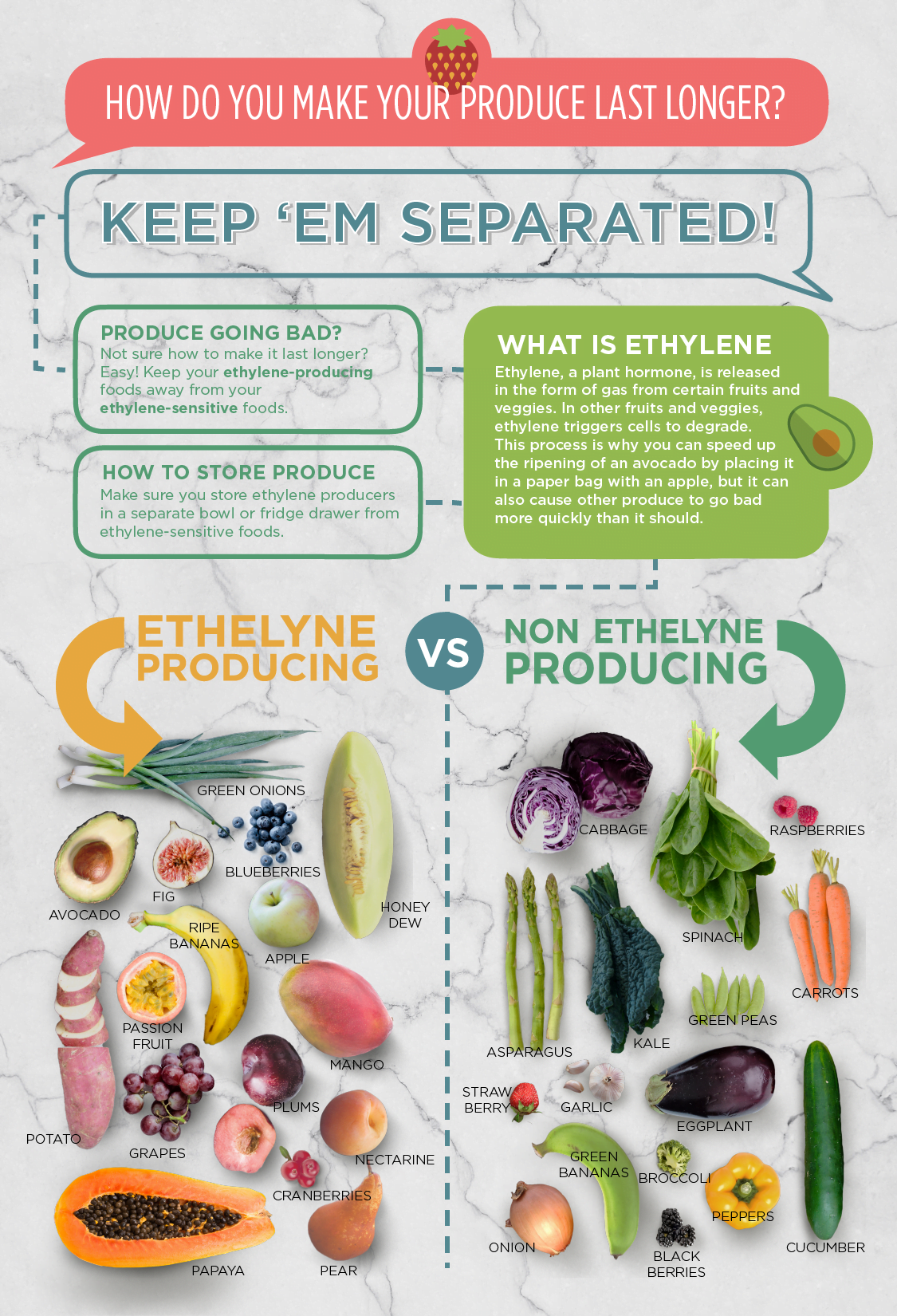
Ethylene gas acts as nature’s ripening signal, and understanding which vegetables send this signal versus which receive it determines whether your produce ages gracefully or spoils overnight. High ethylene producers like bananas, apples, avocados, and tomatoes accelerate ripening in ethylene-sensitive vegetables including leafy greens, broccoli, carrots, and cucumbers. When sensitive vegetables encounter ethylene gas, they deteriorate up to 50% faster than they would alone.
Keep bananas away from everything else in your kitchen. Bananas rank among the most potent ethylene producers, and a single ripening banana can trigger premature spoilage across your entire fruit bowl. Store bananas on the counter in a separate location, away from sunlight. Once they reach your desired ripeness, transfer them to the refrigerator—the peel may darken, but the fruit inside stays fresh significantly longer.
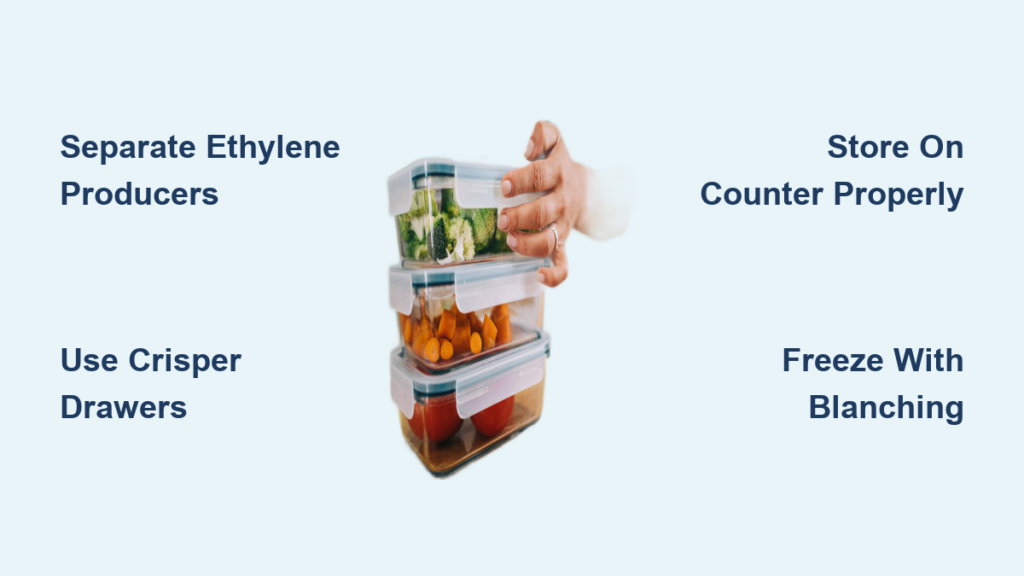
When organizing your kitchen storage, implement this simple rule: place ethylene producers (apples, avocados, bananas, tomatoes) in one area and ethylene-sensitive vegetables (leafy greens, carrots, cucumbers, broccoli) in another. The crisper drawer with higher humidity works perfectly for ethylene-sensitive vegetables, while ethylene producers can go in the general refrigerator compartment. If you notice certain vegetables spoiling unusually fast, ethylene exposure from neighboring items likely explains why.
Maximize Refrigerator Crisper Drawers for Leafy Greens
Your refrigerator’s crisper drawer represents the most powerful tool for extending vegetable freshness, yet most people underutilize its potential. Most refrigerators feature two crisper drawers: one designed for fruits (lower humidity) and one for vegetables (higher humidity). Using these appropriately can double or even triple how long your produce stays fresh.
Store leafy greens upside down with a paper towel. Place a dry paper towel on top of your salad greens inside their container, then flip the entire container upside down. The paper towel absorbs excess moisture that would otherwise cause greens to rot, while the inverted position creates a modified atmosphere that maintains crispness. This simple technique keeps lettuce, spinach, and kale fresh for up to two weeks—nearly double conventional storage methods.
For hardy greens like kale and Swiss chard, prepare them immediately upon arriving home:
1. Remove stems completely
2. Break leaves into manageable pieces
3. Wash thoroughly in cold water
4. Dry completely in a salad spinner
5. Store in reusable zipper-lock bags with a paper towel
6. Squeeze out excess air before sealing
This method extends shelf life while making greens ready to use instantly. Mushrooms require special treatment—store them in paper bags instead of plastic to allow air circulation while absorbing excess moisture. Berries should remain in their original vented containers and never be washed until just before use, as moisture promotes mold growth.
Store Countertop Vegetables Correctly to Prevent Mealy Texture

Many vegetables actually deteriorate faster when refrigerated, developing mealy texture or losing flavor. Knowing which vegetables belong on your counter—and how to store them properly—prevents the most common produce storage mistakes in home kitchens.
Never refrigerate tomatoes until fully ripe. Cold temperatures below 60°F cause tomatoes to develop mealy texture and lose their characteristic flavor compounds. Store tomatoes at room temperature away from direct sunlight until they reach peak ripeness. Only move them to the refrigerator if you need to extend their life by a few days, and always bring refrigerated tomatoes back to room temperature for at least one hour before serving.
Avocados follow a two-stage storage process. To accelerate ripening, place them in a paper bag with a ripe banana—the ethylene gas from the banana speeds up the process. Check daily to catch them at perfect ripeness, then transfer to the refrigerator to slow further ripening. Bananas themselves should live exclusively on the counter away from other produce. Once bananas reach your desired ripeness, the refrigerator slows additional ripening—the peel may brown, but the fruit inside stays fresh longer.
Winter squash, onions, garlic, and potatoes belong in cool, dark, dry places like a pantry rather than the refrigerator. These vegetables suffer damage from cold temperatures and store best at cool room temperatures. Ensure good air circulation and keep them away from heat-producing appliances. Crucially, store onions and potatoes separately, as onion gas accelerates potato spoilage.
Organize Pantry for Long-Term Root Vegetable Storage
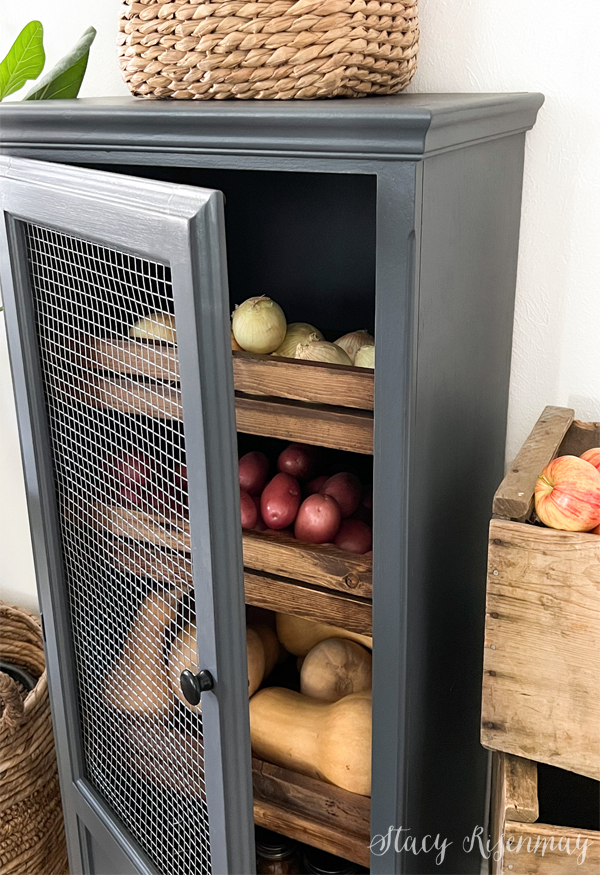
A well-organized pantry extends the storage life of vegetables that prefer temperatures above refrigeration but below room temperature. The key requirements—darkness, good air circulation, and appropriate temperature control—can transform how long your root vegetables stay fresh.
Store onions and garlic in mesh bags, not plastic. These vegetables require excellent ventilation and should never be stored in plastic bags or airtight containers, which trap moisture and promote sprouting. Both onions and garlic last for several months when stored properly in cool, dry, dark conditions. If green shoots emerge, don’t discard them—the bulbs and shoots remain edible and can be used in cooking.
Potatoes and sweet potatoes need cool, dark, somewhat humid environments with good air flow. Store them away from heat sources and from onions. Potatoes exposed to light develop green patches indicating solanine formation, which gives a bitter taste. Keep them in a dark cupboard or pantry for optimal storage.
Winter squash varieties like butternut and acorn require curing before long-term storage. Place squash in a plastic bin with a towel overtop near a heat source for 10-14 days at around 80°F with 80% humidity. After curing, store in a cool, dry location with good air circulation. Properly cured winter squash lasts 2-6 months.
Freeze Vegetables Using Proper Blanching Technique
Freezing preserves vegetables at their peak nutritional quality when done correctly. Not all vegetables freeze well, but many common varieties excel with proper preparation.
Blanch vegetables before freezing for best results. Most vegetables benefit from brief immersion in boiling water followed by an immediate ice water bath. This process stops enzyme activity that would otherwise degrade quality during storage. Vegetables that freeze well include peeled bananas, mangoes, peas, corn, green beans, and blanched leafy greens.
Vegetables that don’t freeze well include artichokes, eggplant, lettuce, and most potatoes (except mashed). These develop undesirable textures when frozen.
The proper freezing sequence:
1. Wash, peel, and cut vegetables as needed
2. Blanch in boiling water for specified time (typically 1-3 minutes)
3. Immediately plunge into ice water to stop cooking
4. Dry thoroughly on clean towels
5. Pack into airtight containers with as much air removed as possible
6. Label with date and contents
7. Use within 8-12 months for best quality
Store Specific Vegetables Using Specialized Techniques
Certain vegetables require unique storage approaches that dramatically extend their freshness when implemented correctly.
Wrap celery tightly in aluminum foil for month-long crispness. This technique allows ethylene gas to escape while preventing moisture loss. Regularly stored celery becomes limp within days, but foil-wrapped celery stays crisp for up to a month—transforming one of the most frustrating vegetables to store into a reliably fresh ingredient.
Cucumbers, zucchini, and summer squash become limp without proper moisture management. Wrapping them tightly in plastic wrap creates a barrier that traps humidity around the vegetable, keeping them crisp far longer. English cucumbers often come pre-wrapped for this exact reason—apply the same principle to American varieties.
Ginger often gets forgotten in the refrigerator where it dries out. Process ginger with peeled garlic in a food processor to form a paste, then freeze in tablespoon portions. These frozen blocks can be used directly in stir-fries, staying fresh for months.
For soft herbs like cilantro and basil, trim the stems and place the bunch in a glass of water like cut flowers. Store on the counter and change the water daily. This method keeps herbs fresh for a week or more. Hard herbs like rosemary prefer a damp paper towel wrapped around them in a refrigerator container.
Implement Pro Tips That Extend All Vegetable Freshness
Beyond specific techniques, these overarching principles help extend freshness across all your stored vegetables.
Rotate your produce using the FIFO method. When bringing new vegetables home, move existing items to the front of storage areas and place newer items behind them. This simple rotation ensures older vegetables get used first, significantly reducing waste.
Invest in quality storage containers designed for produce. Look for containers with built-in ventilation or adjustable humidity controls that let you customize conditions for different vegetables. Moisture-control mats at the bottom of storage areas maintain optimal humidity and prevent condensation.
Check stored vegetables every few days and remove any showing signs of rot. One spoiled item can compromise an entire batch, so prompt removal saves the rest. Replace saturated paper towels with dry ones regularly.
Storage Recommendations by Location
Understanding exactly where each vegetable belongs eliminates guesswork and ensures optimal storage conditions.
Refrigerator storage at 40°F with high humidity works best for leafy greens, berries, carrots, cucumbers, green beans, celery, broccoli, and Brussels sprouts.
Countertop storage at room temperature suits tomatoes until ripened, avocados while ripening, and bananas stored away from other produce.
Cool, dry, dark storage at 50-60°F works best for onions, garlic, potatoes, sweet potatoes (after curing), and winter squash (after curing).
Freezer storage preserves bananas (peeled), mangoes, papaya, berries, peas, corn, green beans, and blanched leafy greens.
Implementing these specific storage techniques transforms how you interact with produce in your kitchen. No more throwing away wilted vegetables or discovering moldy surprises—you’ll consistently find crisp, vibrant ingredients ready for your next meal. The investment in proper storage methods pays off every time you reach into your kitchen and pull out perfectly fresh vegetables, reducing food waste while enhancing your cooking experience.