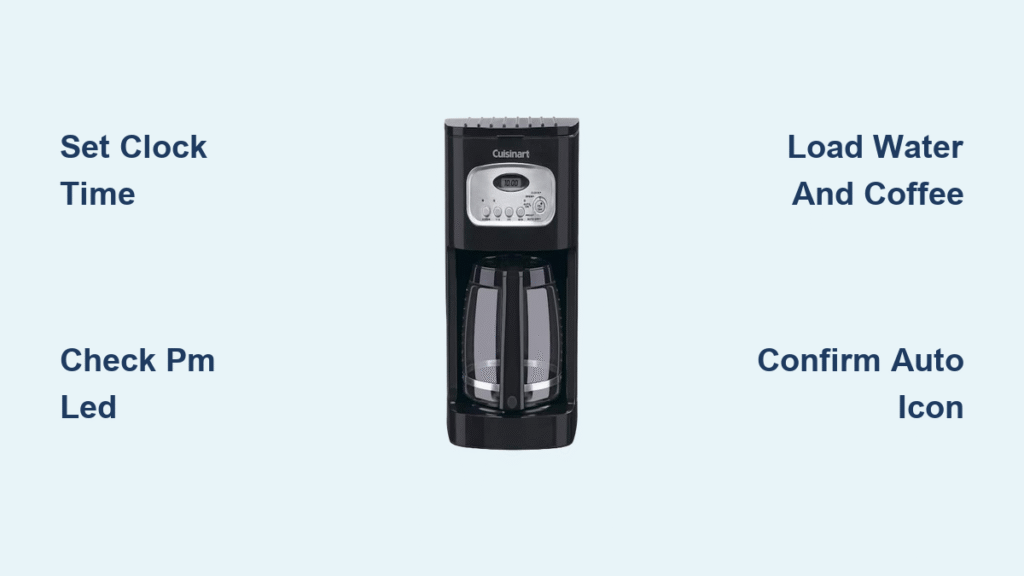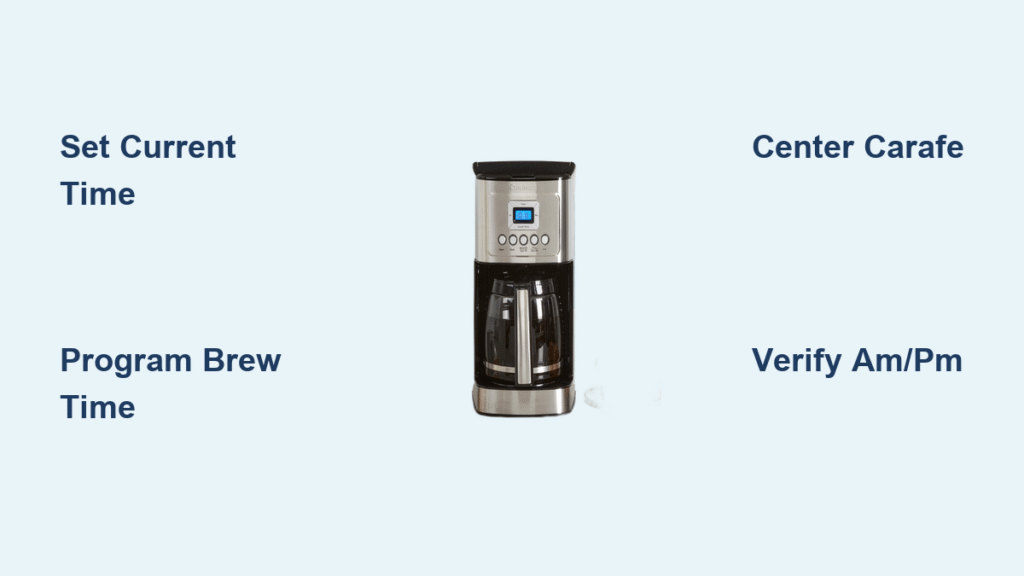
That disappointing first sip of weak, lukewarm coffee shouldn’t be your morning reality. Too many Cuisinart 12-cup coffee maker owners struggle with inconsistent results simply because they miss critical setup steps and hidden features. You’ve invested in a precision machine capable of café-quality brews, yet most users never activate its full potential—settling for bitter over-extraction or watery under-extraction that ruins their morning ritual.
Mastering your Cuisinart 12-cup coffee maker transforms your daily routine from a guessing game into a reliable ritual. This guide cuts through confusing manuals to deliver actionable techniques verified by coffee technicians. You’ll discover why pre-heating with filtered water is non-negotiable, how to bypass the #1 cause of weak coffee (hint: it’s not your beans), and why the “1-4 cup” button changes everything for solo brewers. By the end, you’ll consistently pull rich, hot coffee that stays fresh-tasting for hours.
Pre-Heating Protocol for Optimal Extraction
Skipping this 90-second step guarantees subpar coffee, no matter your beans or water quality. Cold machines can’t reach the 195°F sweet spot required for proper extraction, leaving you with sour or flat-tasting brews.
Execute the Barista Pre-Heat Technique
Start every new machine or weekly cleaning cycle with this critical maneuver: Fill your carafe with filtered water to the 12-cup line, run a complete brewing cycle without coffee, then immediately pour the hot water back into the reservoir. This elevates internal components to near-brewing temperature. Never skip this—even on “ready” machines. Residual heat from previous brews dissipates quickly, and cold stainless steel components absorb crucial heat during your actual brew cycle.
Filtered Water Requirements Explained
Your coffee’s flavor profile depends 98% on water quality. Always use fresh, cold, filtered tap water—never distilled (which produces flat coffee) or hot tap water (which leaches minerals from pipes). If your area has hard water, install the optional charcoal filter to prevent mineral buildup that alters taste and damages heating elements. Check your filter indicator light monthly; replace cartridges every 3 months by rinsing new filters under warm water for 30 seconds before insertion.
Standard Brewing Process: 7 Precision Steps
Most weak coffee results from one preventable mistake in this sequence. Follow these exact steps for consistently balanced pots.
Measure Water Directly in the Carafe
Remove the glass carafe and fill it to your desired cup line before pouring into the reservoir. Critical mistake alert: Pouring water directly into the reservoir bypasses the machine’s calibrated measurement system, causing 30%+ volume errors. For a full pot, fill precisely to the “12” marking—not where you think it should be.
Position Carafe with Back-Edge Alignment
Return the carafe so its back edge presses firmly against the machine’s rear stopper. An improperly seated carafe triggers the drip-stop mechanism prematurely, causing leaks and incomplete brewing. Listen for the soft “click” confirming proper placement—this engages the thermal sensor that maintains optimal warming plate temperature.
Load Coffee Grounds with Level Spoon Technique
Add 1 level tablespoon of medium-fine grounds per cup into your filter basket. For 12 cups, use exactly 12 level scoops—no heaping. Pack grounds gently; tamping restricts water flow. Choose paper filters for cleaner taste or the gold-tone reusable filter for bolder body (rinse it first to remove metal taste). Never exceed 14 tablespoons—overfilling causes overflow and bitter extraction.
Activate Bold Setting Strategically
Press “Bold” only when brewing dark roasts or full pots (8+ cups). This extends contact time by 30-60 seconds for deeper extraction. Using it for light roasts or small batches creates harsh bitterness. For medium roasts, skip this setting unless you add milk/creamer that dilutes flavor.
Set Warming Plate to Match Your Coffee Type
Press “Carafe Temp” to select:
– High for robust Sumatran or French roasts
– Medium for standard blends
– Low for delicate Ethiopians or Guatemalans
Why this matters: High heat scorches light roasts within 20 minutes, while low heat fails to maintain ideal 175°F serving temperature for dark roasts.
Start Brewing with Lid Fully Sealed
Close the top lid until it clicks shut. An unsecured lid allows steam to escape, dropping brewing temperature by 15-20°F—enough to under-extract acids and create sour coffee. Listen for the initial water gurgle within 15 seconds; delayed sound indicates mineral buildup requiring descaling.
Small Batch Brewing: Fix Watery Coffee in 30 Seconds

Standard brewing settings ruin 1-4 cup batches through uneven saturation. The dedicated button solves this—but only if activated correctly.
Why 1-4 Cup Mode Prevents Weak Coffee
Regular cycles over-distribute water across the full filter basket, creating channels where water bypasses grounds. The specialized mode restricts spray to the basket’s center third, with a 15-second pre-infusion soak that ensures even saturation. Critical step: Press the “1-4 Cup” button before starting brew—activating it mid-cycle won’t recalibrate flow rates.
Activate Mid-Brew Pouring Safely
Compatible models pause brewing when you lift the carafe (Sneak-a-Cup feature). Remove the carafe within 20 seconds of brewing start for best results. Replace it within 30 seconds to resume—delaying triggers automatic shutoff. Warning: Don’t use this with thermal carafes; their narrow openings disrupt sensor alignment.
Monthly Descaling: Prevent 80% of Performance Issues
Mineral buildup from hard water causes slow brewing, temperature drops, and bitter flavors. This 10-minute process restores factory performance.
Mix Vinegar Solution Correctly
Combine ⅓ cup white vinegar with ⅔ cup cold water in the reservoir—never full-strength vinegar, which damages seals. For self-cleaning models, press “Clean” until the indicator flashes, then add solution.
Complete the Cleaning Cycle
- Run the vinegar solution through a full brew cycle without coffee
- Immediately follow with two plain water cycles
- Discard first water cycle; save second for drinking
Pro tip: Place a paper filter in the basket during rinse cycles—it catches residual vinegar odor-causing particles.
Troubleshooting Beeping Alerts and Weak Coffee
Most error beeps indicate simple oversights—not machine failure. Diagnose issues in under 60 seconds.
Decode Startup Beeping Patterns
- Three rapid beeps: Carafe not seated properly—reposition until it clicks
- Continuous beeping: Check for old grounds stuck under the filter basket lip
- Blinking “Clean” light: Descaling required within 24 hours
Grind & Brew models only: Add whole beans to the hopper—not grounds—to the bean chamber. Grounds here cause immediate clogs.
Fix Weak Coffee in 2 Minutes
Weak brew almost always means insufficient coffee grounds or coarse grind. For immediate correction:
1. Add 1 extra tablespoon per cup to your next brew
2. If using pre-ground, switch to medium-fine grind (like table salt)
3. Verify you’re using the “Bold” setting for pots under 6 cups
Avoid the common mistake of reducing water—this creates over-extracted bitterness.
Thermal Carafe Optimization for All-Day Freshness
Glass carafes on warming plates burn coffee after 20 minutes. Steel thermal models solve this—but require technique adjustments.
Pre-Heat the Thermal Carafe
Pour boiling water into the carafe, swirl for 30 seconds, then discard before brewing. Skipping this drops initial brew temperature by 25°F, causing under-extraction. Never place thermal carafes on warming plates—the seal degrades from direct heat.
Maximize Temperature Retention
For 4+ hour freshness:
– Fill carafe to the top (less air = slower cooling)
– Wrap in a kitchen towel during serving
– Avoid opening the lid more than necessary
Thermal models maintain 155°F for 4 hours versus glass carafes’ 20-minute peak.
Daily Maintenance That Prevents Costly Repairs
Consistent cleaning takes less time than troubleshooting problems. Follow this non-negotiable routine.
Post-Brew 90-Second Protocol
- Discard grounds immediately—never let them sit overnight
- Rinse gold filter under warm water (soak paper filters 10 seconds)
- Wash carafe with vinegar solution if milk was added
- Wipe reservoir rim with damp cloth to prevent mineral crust
Critical: Air-dry all parts upside down—trapped moisture breeds mold in hidden crevices.
Your Cuisinart 12-cup coffee maker delivers exceptional coffee when you master its specific requirements. The pre-heat protocol ensures proper extraction temperature, precise tablespoon measurements prevent weak brews, and monthly descaling maintains factory performance. Remember that the “1-4 cup” button isn’t optional for small batches—it’s engineered to solve channeling issues that ruin solo brews. By positioning the carafe with back-edge alignment and using filtered water consistently, you’ll avoid 90% of common problems. Treat your machine to the 90-second daily cleaning ritual, and it will reward you with café-quality coffee for years—no barista skills required. The perfect pot starts not with the beans, but with understanding how your machine transforms water and grounds into your essential morning ritual.