
That red self-clean light flashing on your Cuisinart DCC-1220 isn’t just annoying—it’s a warning that mineral deposits are choking your water pathways and heating element. When calcium buildup accumulates, your coffee tastes bitter, brewing slows to a crawl, and your machine strains to reach proper temperature. The good news? You can restore peak performance with a vinegar solution and 45 minutes of your time. This guide delivers the exact steps to silence that flashing light and brew café-quality coffee again.
Ignoring your Cuisinart 12-cup coffee maker’s maintenance alert creates a vicious cycle: mineral scale insulates the heating element, forcing it to work harder while delivering cooler water. This under-extracts coffee grounds, leaving you with weak, sour brew that masks the real problem. By following this Cuisinart-specific cleaning protocol, you’ll eliminate scale safely and prevent permanent damage to internal components. Let’s get your machine back to brewing perfect cups every time.
Why Your Cuisinart 12-Cup Coffee Maker’s Clean Light Won’t Stop Flashing
That persistent red light on your DCC-1220 signals critical mineral buildup in three vulnerable zones: the heating element, water reservoir tubing, and spray head. Hard water deposits act like insulation around the heating coil, causing two dangerous effects. First, water never reaches optimal brewing temperature (195°-205°F), resulting in under-extracted, sour coffee. Second, the element overheats trying to compensate, shortening your machine’s lifespan. Don’t ignore these warning signs:
- Brewing takes 30+ seconds longer than when new
- Water sputters or sprays unevenly from the showerhead
- Coffee leaves a chalky film in your cup
- Visible white crust inside the water reservoir
Gather These Exact Cleaning Supplies for Cuisinart DCC-1220
Non-Negotiable Essentials
- White vinegar (1 gallon) – dissolves mineral deposits without toxic residues
- Soft-bristled toothbrush – reaches spray head nozzles and crevices
- Microfiber cloths (2) – lint-free drying for carafe and warming plate
- Filtered water (2 gallons) – prevents recontamination during rinsing
- Mild dish soap – cuts coffee oils from carafe without scratching
Model-Specific Upgrades
- Cuisinart Descaling Solution (for severe buildup)
- Charcoal water filter replacement (model DCC-1220P1)
Critical mistake to avoid: Never use lemon juice, baking soda, or abrasive cleaners—they corrode internal seals and leave flavors in your coffee.
Execute This 5-Step Descaling Process for Cuisinart 12 Cup

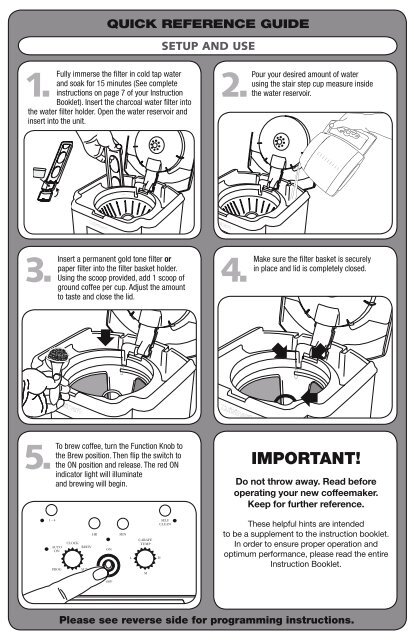
Mix the Perfect Vinegar Solution Ratio
Combine 1 part white vinegar to 2 parts water (e.g., 16 oz vinegar + 32 oz water) in the reservoir. For hard water areas (notice white crust inside tank), increase to 50% vinegar. Never fill beyond the MAX line—overflowing damages the base. Remove the filter basket and carafe; wash them separately with soapy water.
Activate Self-Clean Mode Correctly
Press the Self Clean button until the light glows steadily (not flashing). Turn on the main power switch—do not touch any other buttons. The machine will start pumping solution through the system. Stop immediately if you hear gurgling—this means air is trapped, reducing cleaning effectiveness.
Complete the Soak Cycle for Tough Buildup
When the vinegar solution finishes brewing, unplug the machine and let it sit for 30 minutes. This critical soak time dissolves stubborn scale that running solution alone can’t remove. Never skip this step—it’s why most users fail to stop the clean light.
Rinse Thoroughly to Eliminate Vinegar Taste
Discard the used solution. Fill the reservoir with cold filtered water to MAX line and run a full brew cycle. Repeat this rinse cycle 3 times (not just twice!). Check the carafe after each rinse—stop when the water runs completely clear with no vinegar smell. Residual vinegar ruins coffee flavor.
Reset the Clean Light Permanently
After final rinse, unplug for 1 minute. Plug back in—the clean light should now be off. If it persists, run one more rinse cycle. Never force the light off by holding buttons; this indicates incomplete descaling.
Fix These 3 Common Post-Cleaning Failures
Red Light Still Flashing? Check These First
- Vinegar ratio was too weak – Remedy: Run cycle with 50% vinegar solution
- Reservoir wasn’t filled to MAX – Remedy: Restart cycle with full tank
- Rinse cycles used warm water – Remedy: Use cold water to prevent mineral redeposition
Vinegar Taste in Coffee? Do This Now
Run two additional rinse cycles with cold filtered water only. If taste persists, brew one pot with inexpensive coffee grounds, then discard it—the grounds absorb residual vinegar. Never use baking soda to neutralize taste—it creates bitter compounds.
Slow Brewing After Cleaning? Solve This
Mineral chunks may still clog the showerhead. Remove the filter basket cover and use a soft toothbrush to gently scrub the spray holes. Run one water-only cycle to flush debris. Avoid poking holes with needles—this damages spray patterns.
Implement This Maintenance Schedule for Flawless Coffee
Daily (2 Minutes)
- Rinse carafe and filter basket with hot water immediately after use
- Wipe warming plate with damp microfiber cloth while warm
- Never leave coffee sitting in the carafe—it bakes onto glass
Weekly (5 Minutes)
- Soak carafe in vinegar-water solution for 15 minutes to remove stains
- Clean showerhead with soft brush while machine is cool
- Check water reservoir for slime buildup (indicates mold)
Monthly (45 Minutes)
- Full descaling cycle as detailed above
- Replace charcoal water filter if installed (model DCC-1220P1)
Quarterly (20 Minutes)
- Soak all removable parts in vinegar solution for 30 minutes
- Inspect heating element area for white crust (requires disassembly)
Boost Coffee Quality With These Pro Upgrades
Use Filtered Water Exclusively
Switching to filtered water reduces descaling frequency by 50% and eliminates chlorine taste. Brita or Pur filters remove 90% of scale-forming minerals. Never use distilled water—it lacks minerals needed for proper coffee extraction.
Preheat for Perfect Extraction
Run one water-only brew cycle before adding coffee. This heats the carafe, filter basket, and internal components to 195°F—ensuring optimal extraction from the first drop. Your coffee will taste noticeably brighter and more balanced.
Prevent Permanent Damage With These Critical Rules
- Never run vinegar solution more than once monthly—acidic overuse corrodes seals
- Always unplug during cleaning—water and electricity near electronics are dangerous
- Never submerge the base—moisture causes electrical shorts
- Replace charcoal filters every 60 brews—clogged filters strain the pump
Regular descaling isn’t just about convenience—it’s essential for your Cuisinart 12-cup coffee maker’s survival. Mineral buildup permanently damages heating elements within 6-12 months if ignored. By following this exact monthly cleaning routine, you’ll extend your DCC-1220’s lifespan by 3+ years while enjoying consistently rich, flavorful coffee. That flashing red light? It’s not an annoyance—it’s your machine’s lifeline. Silence it today, and your morning brew will thank you tomorrow.